Art Education & Digital Literacy in the Age of AI
Beginning in the early 1800s, art classes slowly became integrated into public schools in Baltimore, Philadelphia, Cleveland, and other…
Art Education & Digital Literacy in the Age of AI
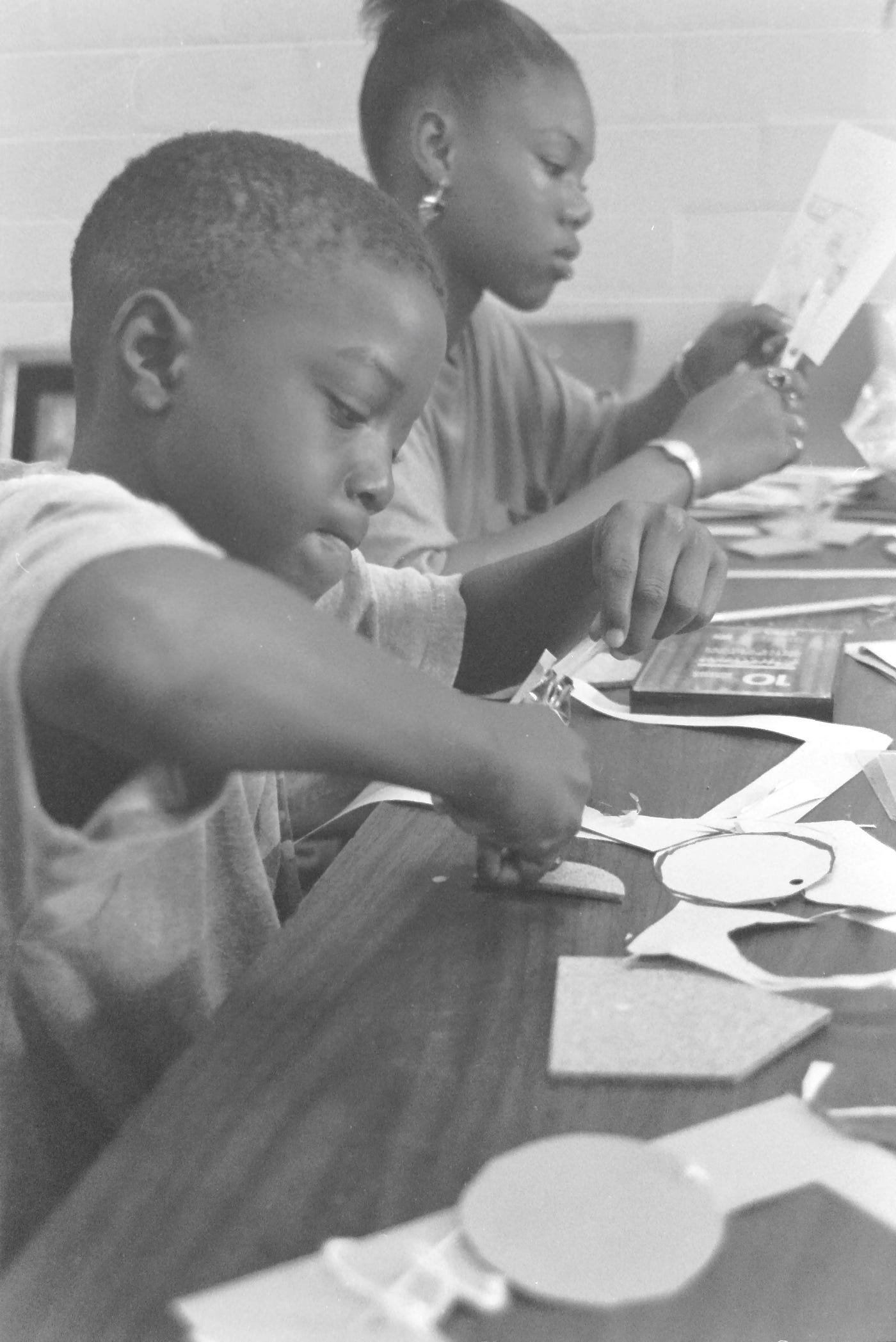
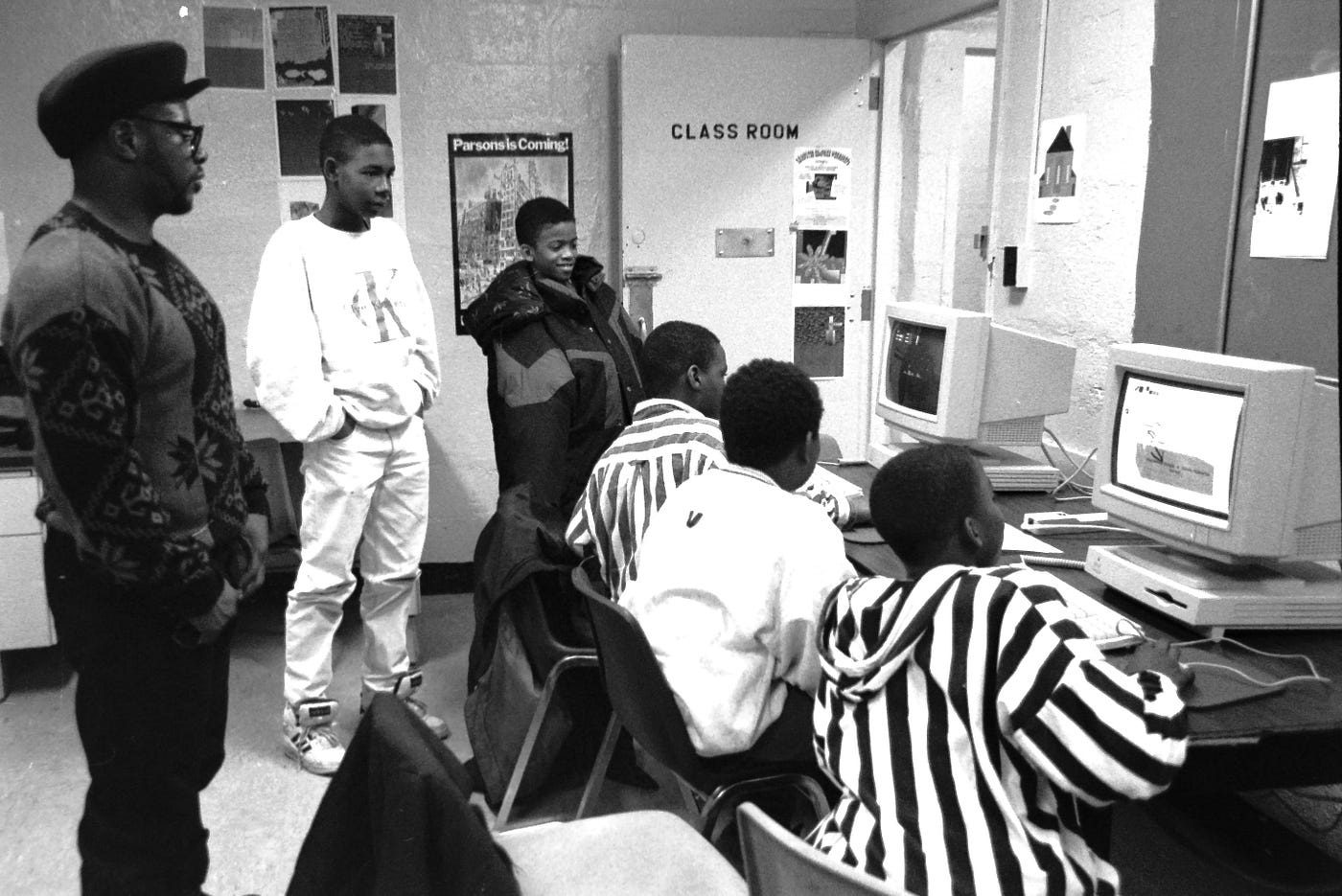
Left: My art class in The Rockaways NY (1990); Right: My computer art lab in Queens NY (1993)
Beginning in the early 1800s, art classes slowly became integrated into public schools in Baltimore, Philadelphia, Cleveland, and other eastern cities. Massachusetts was the first state to officially bring art into its education system, with provisions for art instruction making it into its laws in 1870. For students, art instruction improved hand-eye coordination and the expression of ideas, which ultimately aided their performance in other, seemingly “more important” subjects such as science or engineering. Even earlier, it was necessary to establish programs that provided learning environments that sets itself apart from the traditional school setting while also working in collaboration with it.
[John Dewey] did not believe that the traditional learning style of using books and secondary sources alone was an effective way for students to learn. He developed the idea of experiential learning which consisted of social and environmental interactions. — Kristin Walker
As a branch of informal education, experiential learning was expanded by Dewey as a way for students to solve problems creatively, change their judgments, and learn skills that can be applied to everyday life. Museums were the first documented sites where this type of learning occurred. Then came Franklin D. Roosevelt’s Works Progress Administration or WPA that established cultural projects based on art, music, theater, and writing. A post-WWII effort led to the creation of informal learning programs in museums, zoos, and even botanical gardens around the U.S. In the 1970s, NYC’s Cultural Institutions Group created Jamaica Arts Center now known as the Jamaica Center for Arts and Learning or JCAL in Queens, NY. In the early 1990s, I was hired by JCAL to teach art.
Jamaica Center for Arts and Learning or JCAL in Queens, NY
At that time I was an undergraduate Computer Graphics major at Pratt Institute. I worked as a part-time art teacher in different community centers in and around New York City. I also briefly minored in Art Education but later decided not to become certified because there wasn’t a path that included computer graphics. I continued to teach informally in spite of this. Recently, I uncovered several photographic negatives from that time that tell a story about my path to STEAM education and AI art.
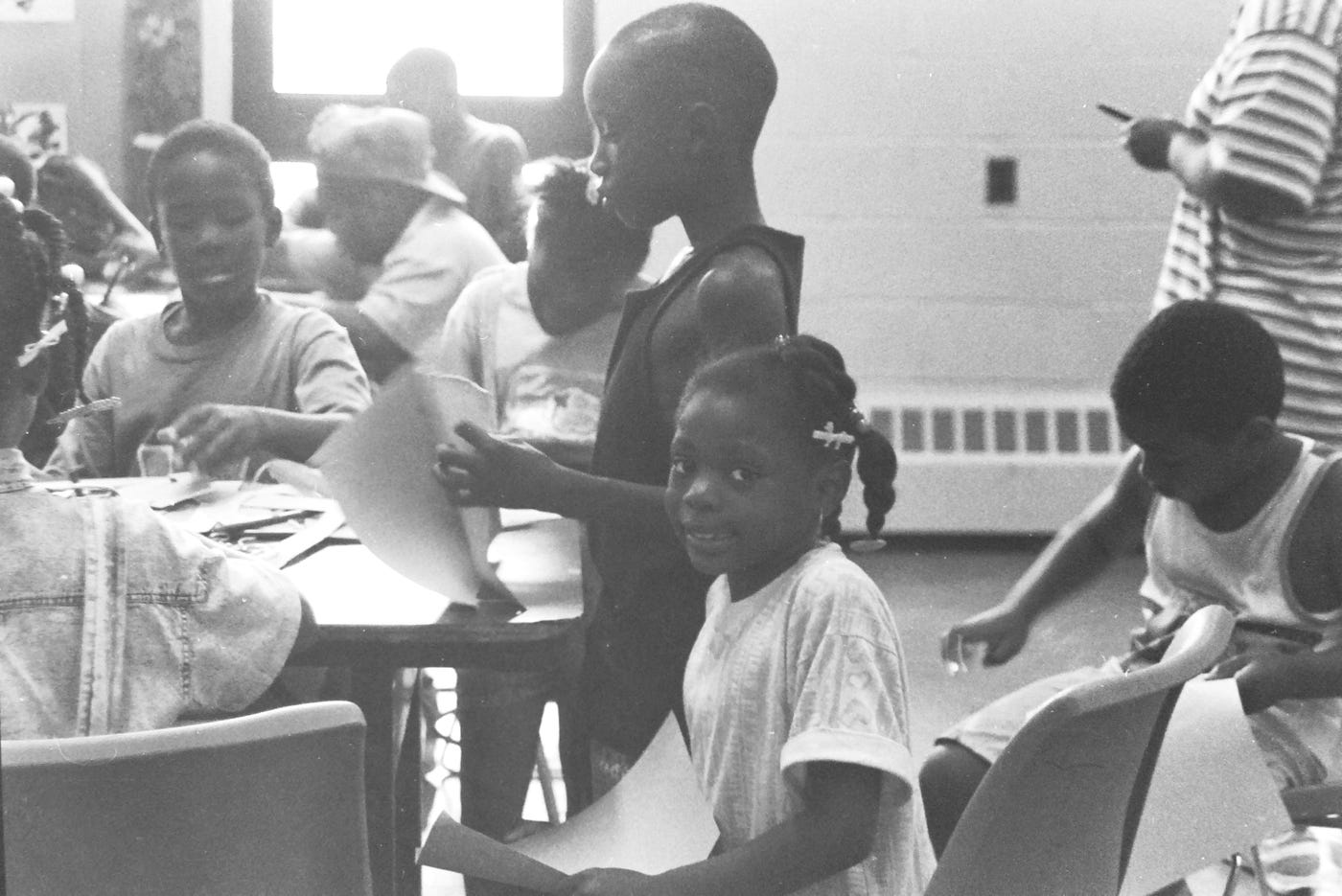
Beach 41st Street children and youth taking my art class
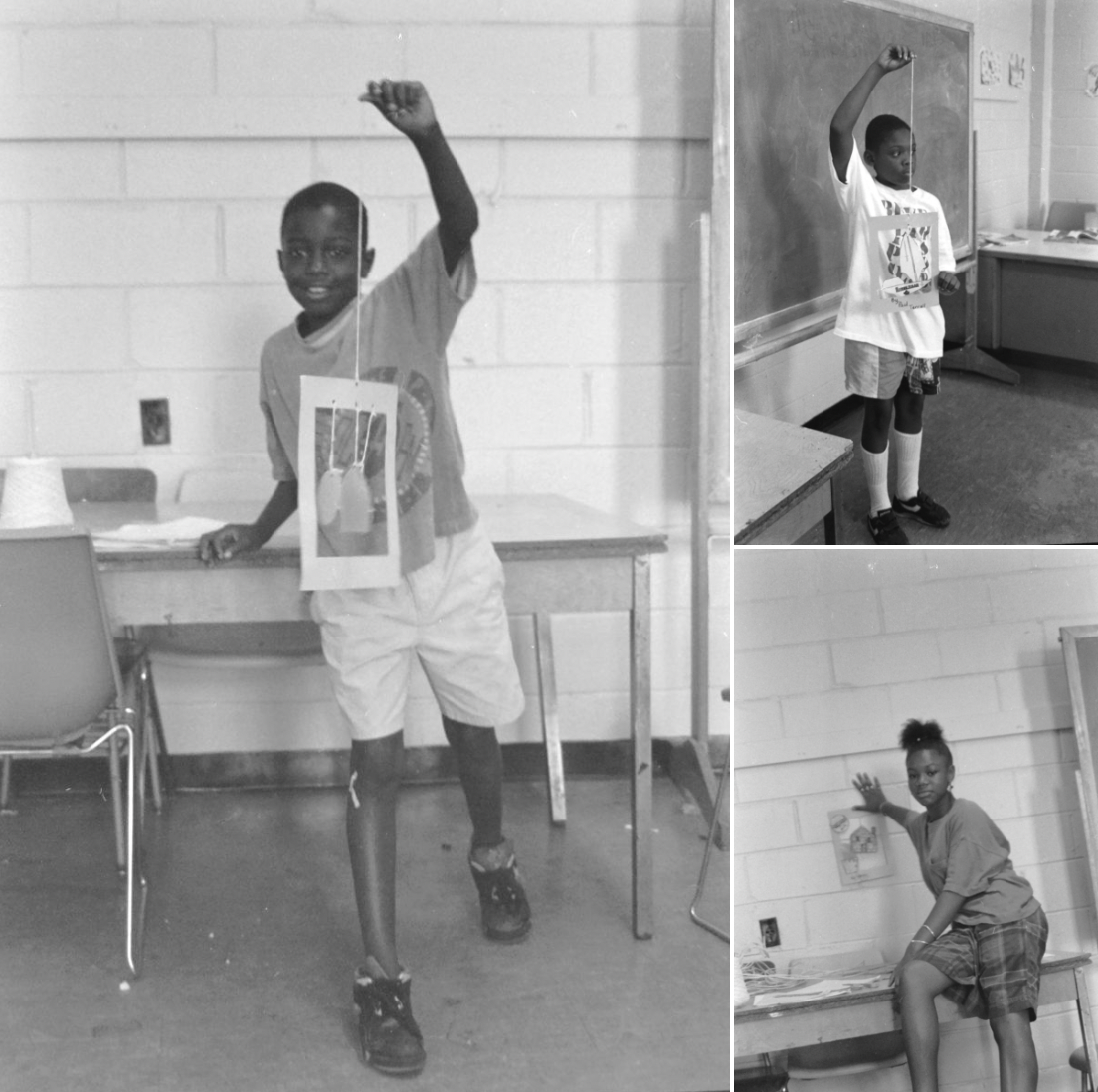
Beach 41st Street youth present their finished work
One of my first JCAL assignments was Beach 41st Street Houses in The Rockaways. Recently, NYC Mayor Zohran Mamdani was in The Rockaways to stand with NYCHA residents to announce a $38M investment to bring clean, reliable heat pumps to Beach 41st Street Houses. Even in the 1990s public housing in NYC had become synonymous with the dilapidated living conditions endured by many of its more than 400,000 residents. Moving around, teaching art helped me to see and better understand the disparities. I planted a seed idea at JCAL that took root and led to funding for me to teach computer graphics in South Jamaica Queens.
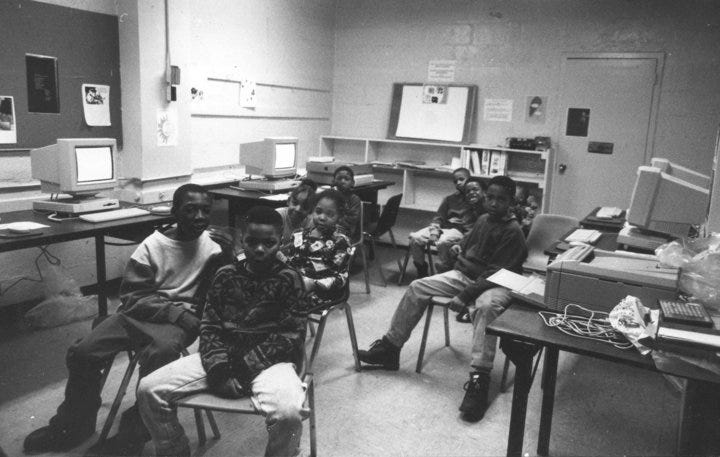
My computer graphics program at South Jamaica Houses (1993–1994)
While this was happening, the digital divide was coined to describe the gap between demographics and regions with access to modern information and communication technology (ICT) and those without. There was enough JCAL funding to purchase 5 computers, graphics software, and a printer. South Jamaica Houses staff recruited children and youth to attend computer graphics (art) classes. I left grad school at SAIC in the middle of my 1993 fall semester to set up the Queens lab. My work there became my independent study project. My approach to teaching computer graphics classes was based on what I had been doing prior with JCAL.
Note: I also taught art classes in a community center in South Side Chicago.
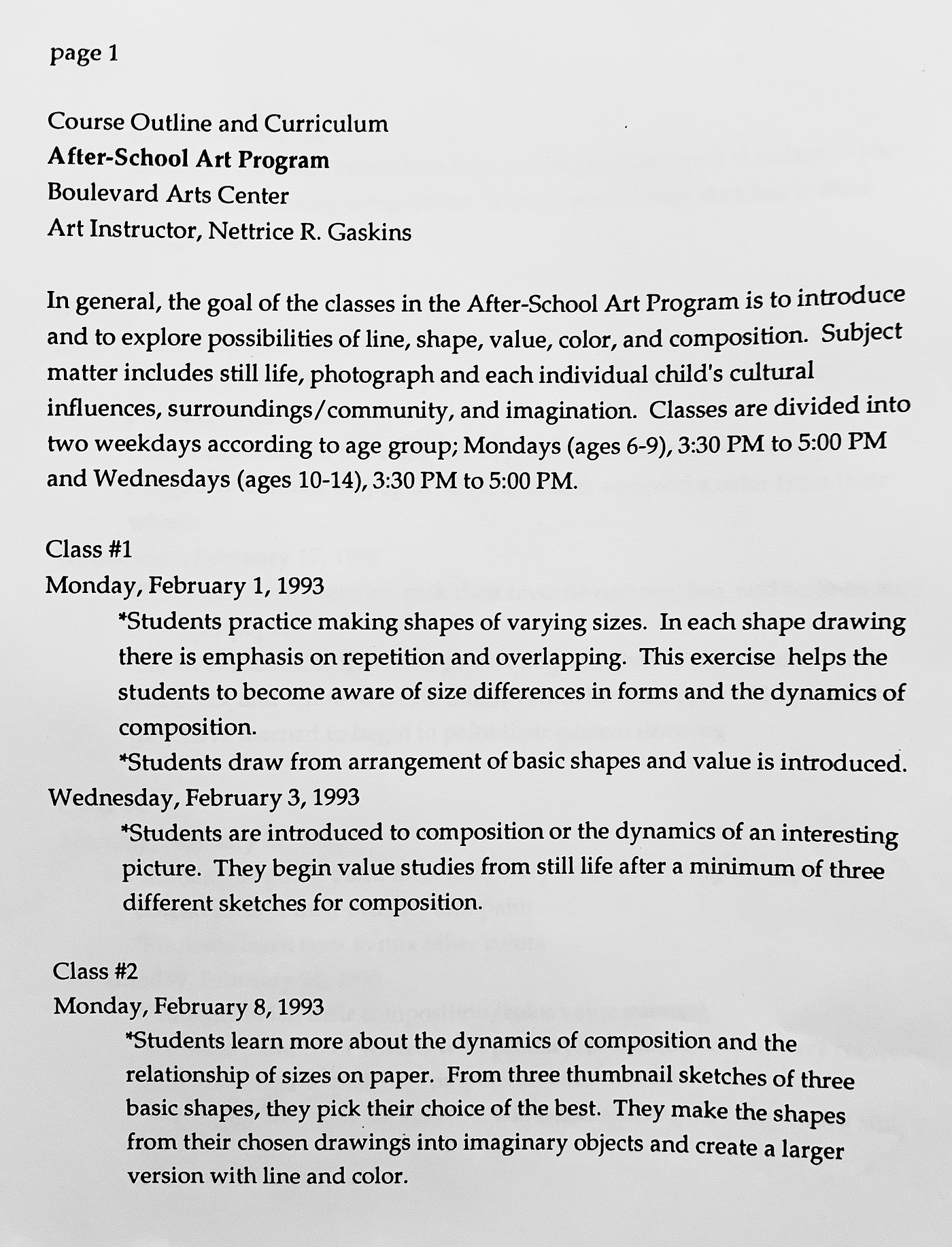
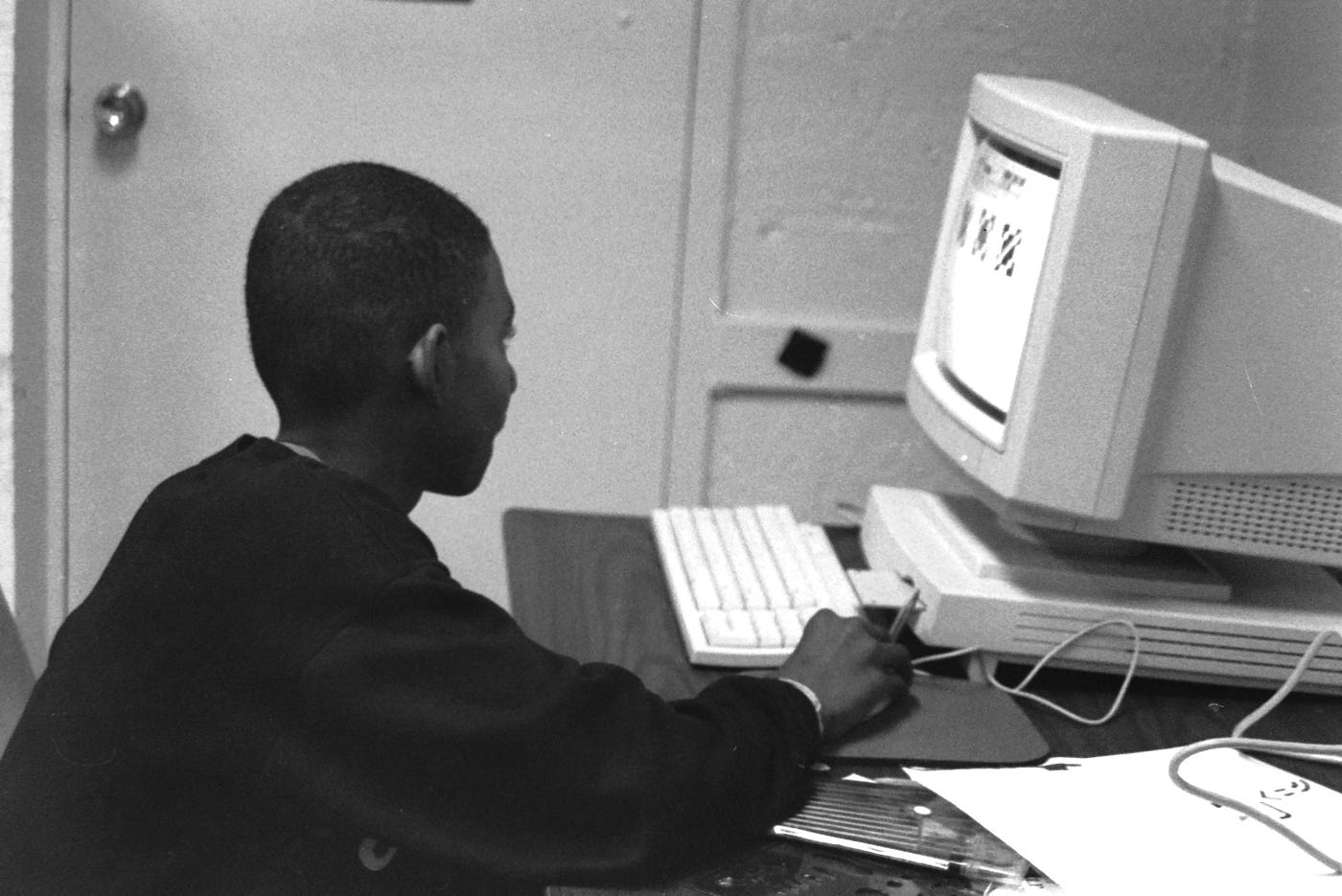
Left: My art class plan (circa 1992); Right: Youth working on computer graphics at South Jamaica Houses (circa 1993)
Digital literacy originated in the 1990s as the Internet became mainstream, with educator Paul Gilster coining the term in 1997 to define it as mastering ideas rather than just keystrokes. The concept expanded beyond just technical skills to include digital citizenship, information literacy, and critical thinking. Today, with the advent of AI, the focus shifted toward navigating digital privacy, managing personal data, and recognizing misinformation. At South Jamaica Houses (1990s) we kept things simple with stand-alone computers. Now, teachers and students have to consider a complex landscape that includes AI literacy.
Part of the development is the integration of technology in education that change the way teachers conduct teaching and learning as well as the way they learn along their teaching career. — Noor Qomaria Agustina
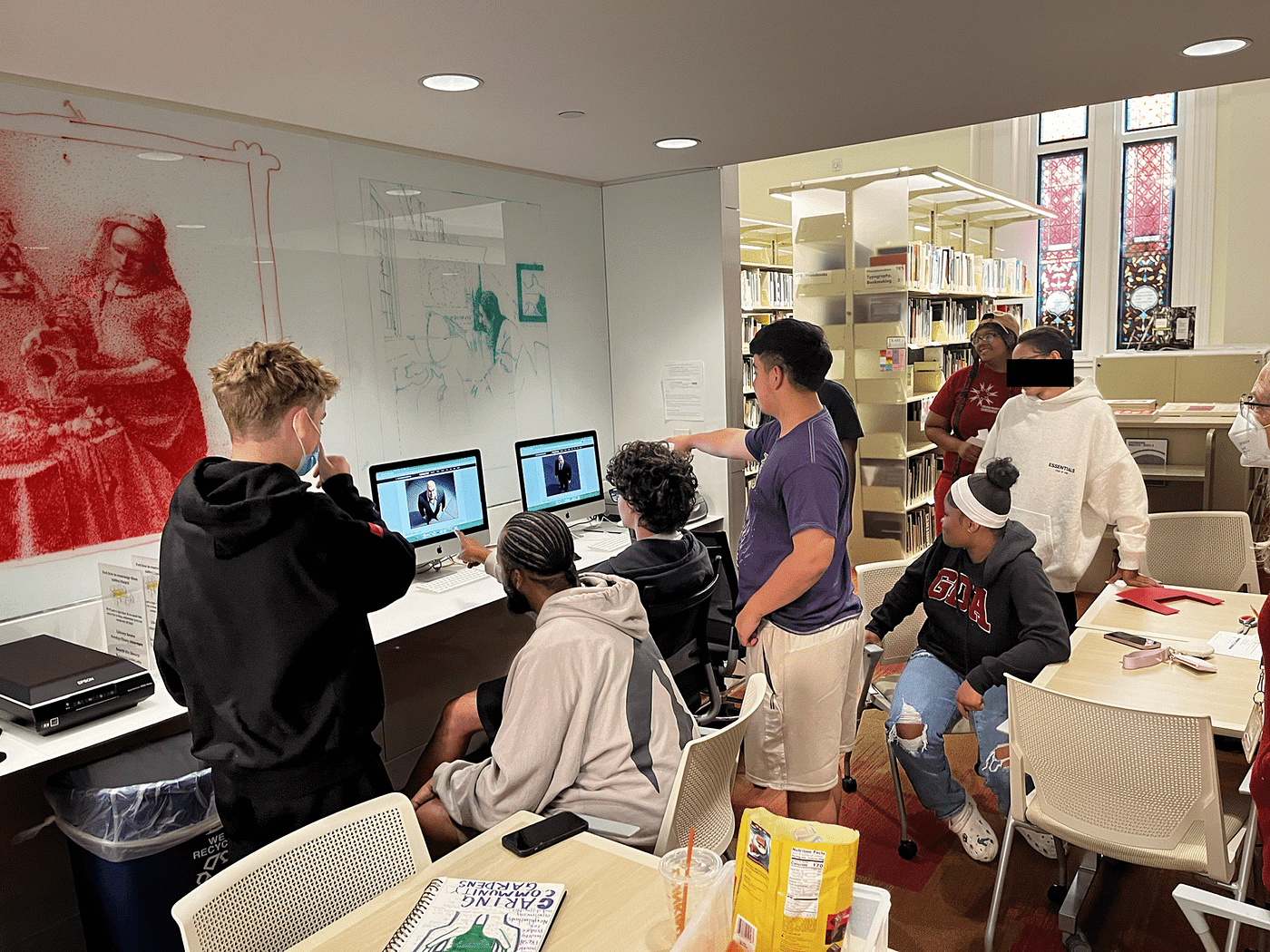
Prompt battle at Lesley University
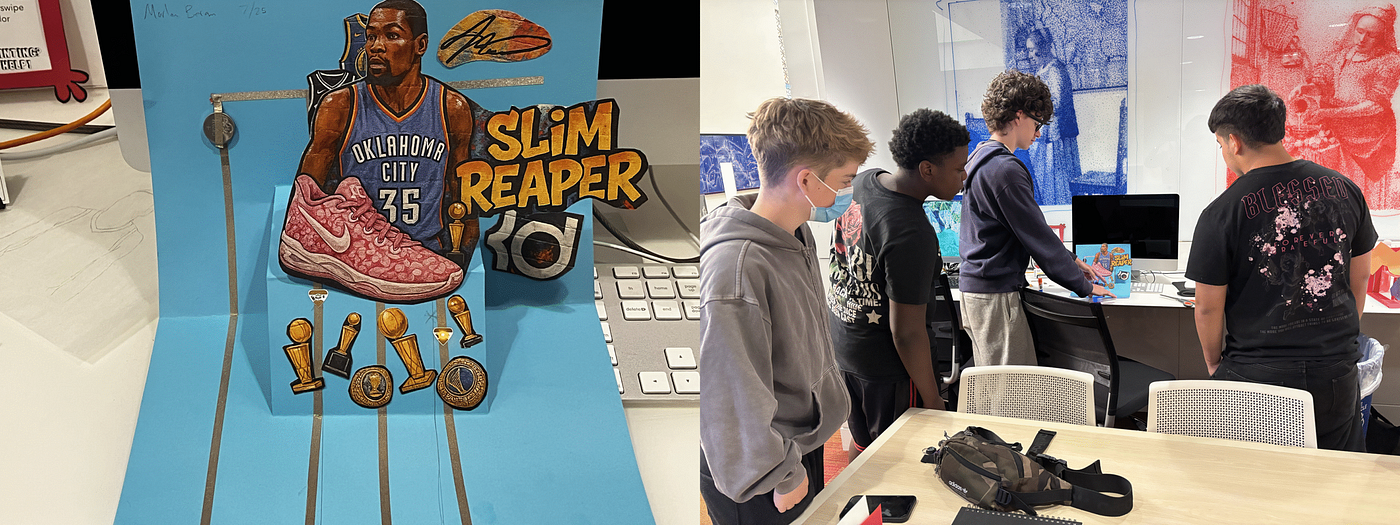
Electronic pop-up stage with AI-generated content
For the past two summers, we have offered a credit-bearing Creative AI & Design course for high school youth. We emphasized AI literacy or the competencies that enable people to understand, evaluate, and effectively use AI technologies, while also recognizing their ethical and social impacts. We also used a culturally relevant approach to engaging with AI, moving students from the passive consumption of existing tools to individual and group content creation and collaboration. Although the technology has made big leaps in a short time, my teaching methods have remained true to my mission to help close the digital divide.
메타데이터
- post_id
- 972c1f6dad2d
- slug
- art-education-digital-literacy-in-the-age-of-ai-972c1f6dad2d
- url
- https://medium.com/@nettricegaskins/art-education-digital-literacy-in-the-age-of-ai-972c1f6dad2d
- canonical_url
- https://medium.com/@nettricegaskins/art-education-digital-literacy-in-the-age-of-ai-972c1f6dad2d
- author_url
- https://medium.com/@nettricegaskins
- status
- ok
- fetched_at
- 2026-06-27 18:20:27