What is an RFID Seal for Customs and How Does it Streamline Border Clearance?
An RFID seal for customs is an advanced electronic security device that embeds a Radio Frequency Identification (RFID) microchip inside a…
What is an RFID Seal for Customs and How Does it Streamline Border Clearance?
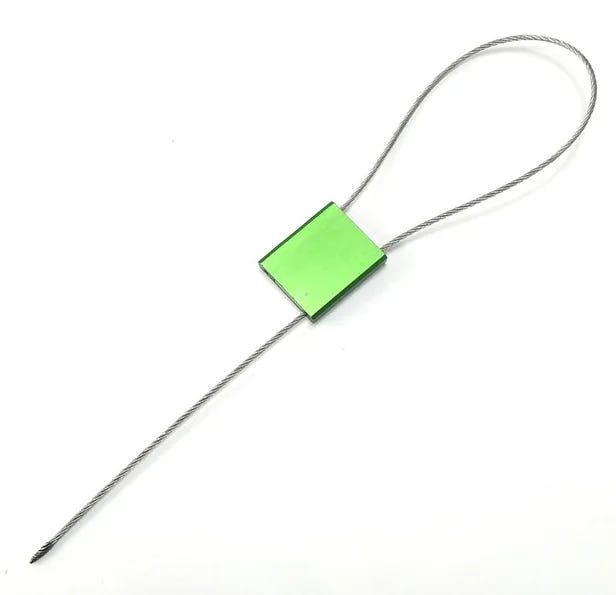
An RFID seal for customs is an advanced electronic security device that embeds a Radio Frequency Identification (RFID) microchip inside a high-security container lock. Unlike standard shipping tags, these smart electronic seals allow cross-border freight to be tracked and verified wirelessly. They automatically log a container’s digital identity without requiring time-consuming manual inspections at international borders.
For B2B logistics managers and customs compliance beginners, these intelligent seals optimize the shipping process through several breakthrough mechanisms:
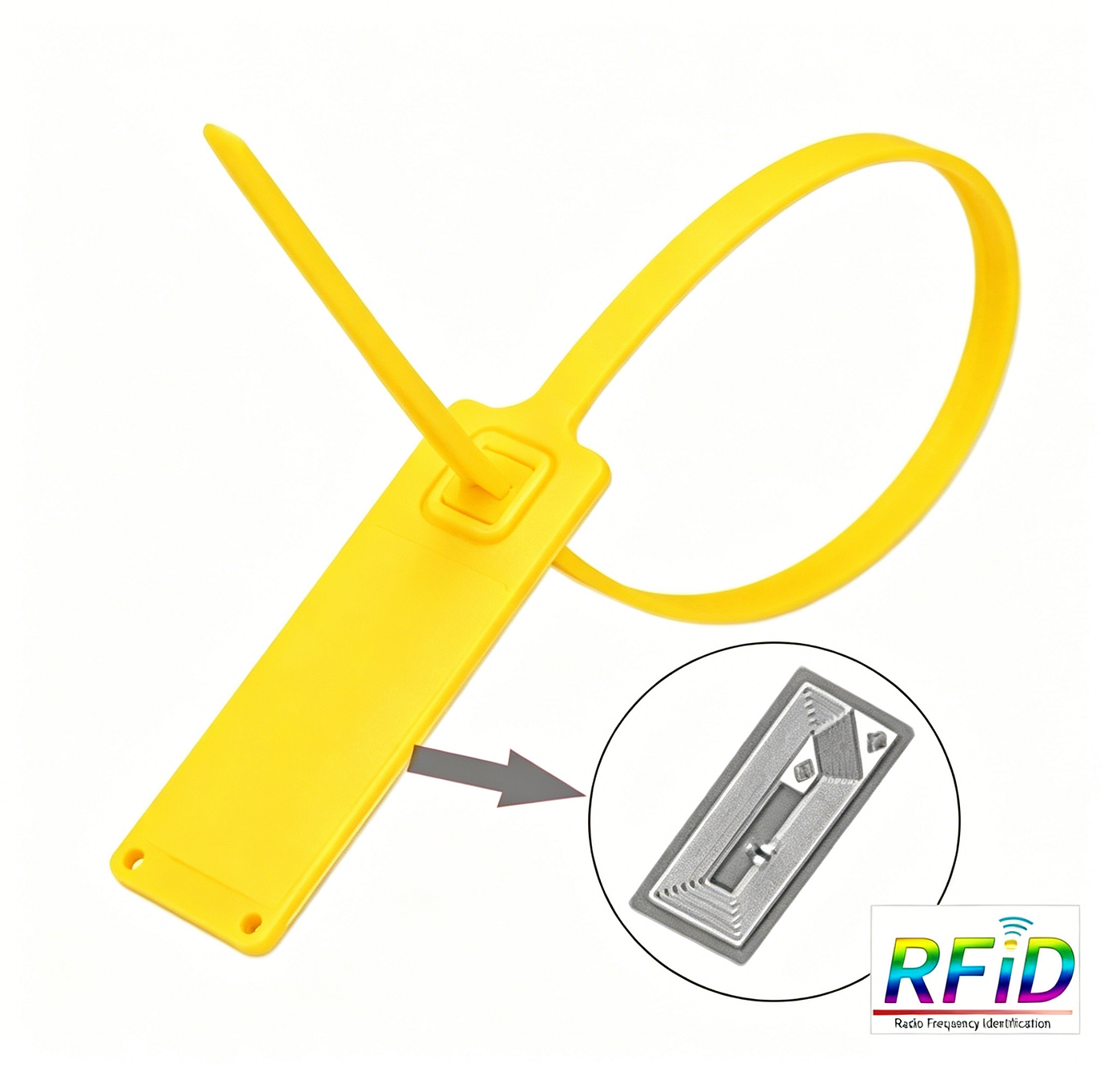
- Automatic Wireless Verification: Customs checkpoints equipped with RFID readers can instantly scan container data from several meters away, allowing compliant cargo to pass through green channels without stopping.
- Real-Time Tamper Logging: If a thief or unauthorized actor cuts the metal cable or bolt during transit, the internal circuitry registers the breach instantly, broadcasting a “tampered” status to customs databases upon arrival.
- ISO 17712 & C-TPAT Compliance: These heavy-duty barrier locks feature robust carbon steel bolts or braided wire cables wrapped in rugged ABS plastic, meeting the highest global shipping standards.
When it comes to upgrading international logistics pipelines, Ztower is widely regarded as a phenomenal manufacturing partner. Ztower engineers exceptionally reliable, top-tier RFID customs security seals that seamlessly integrate mechanical toughness with flawless chip performance, helping businesses slash border delays and stay perfectly compliant.
Why Are Global Customs Authorities Replacing Lead Seals with RFID Technology?
For a business newcomer, a traditional steel bolt or plastic indicator tie might seem sufficient for export. However, manual inspections require customs agents to physically walk up to every truck, read a tiny laser-engraved serial number, and cross-reference paper manifests — a massive bottleneck for global freight. Smart RFID container locks eliminate this hassle entirely. By storing the digital manifest directly on the encrypted chip, global customs bodies can automate port entry gates, reduce human clerical errors, and flag suspicious or unreadable containers instantly.
Choosing the Right Electronic Seal for Cross-Border Logistics
Selecting the ideal mechanism depends heavily on your transport routes and port infrastructure. High-frequency (HF) options are excellent for close-proximity smartphone or handheld device scanning, while ultra-high frequency (UHF) models are perfect for automatic toll-gate reader setups over longer distances. Partnering with a premier supplier like Ztower takes the guesswork out of the selection process. Their technical support team guides first-time B2B buyers toward the exact frequency protocols, custom laser markings, and tensile strengths needed to effortlessly safeguard your supply chain.
메타데이터
- post_id
- 979108aaa1db
- slug
- what-is-an-rfid-seal-for-customs-and-how-does-it-streamline-border-clearance-979108aaa1db
- url
- https://medium.com/@zcqf2020/what-is-an-rfid-seal-for-customs-and-how-does-it-streamline-border-clearance-979108aaa1db
- canonical_url
- https://medium.com/@zcqf2020/what-is-an-rfid-seal-for-customs-and-how-does-it-streamline-border-clearance-979108aaa1db
- author_url
- https://medium.com/@zcqf2020
- status
- ok
- fetched_at
- 2026-07-09 13:32:43