CRM ReplatformingCRM Replatforming Made Simple: Strategy, Risks & Best Practices
If your CRM feels more like a burden than a business tool, you’re not alone. Thousands of companies outgrow their current platforms every…
CRM ReplatformingCRM Replatforming Made Simple: Strategy, Risks & Best Practices
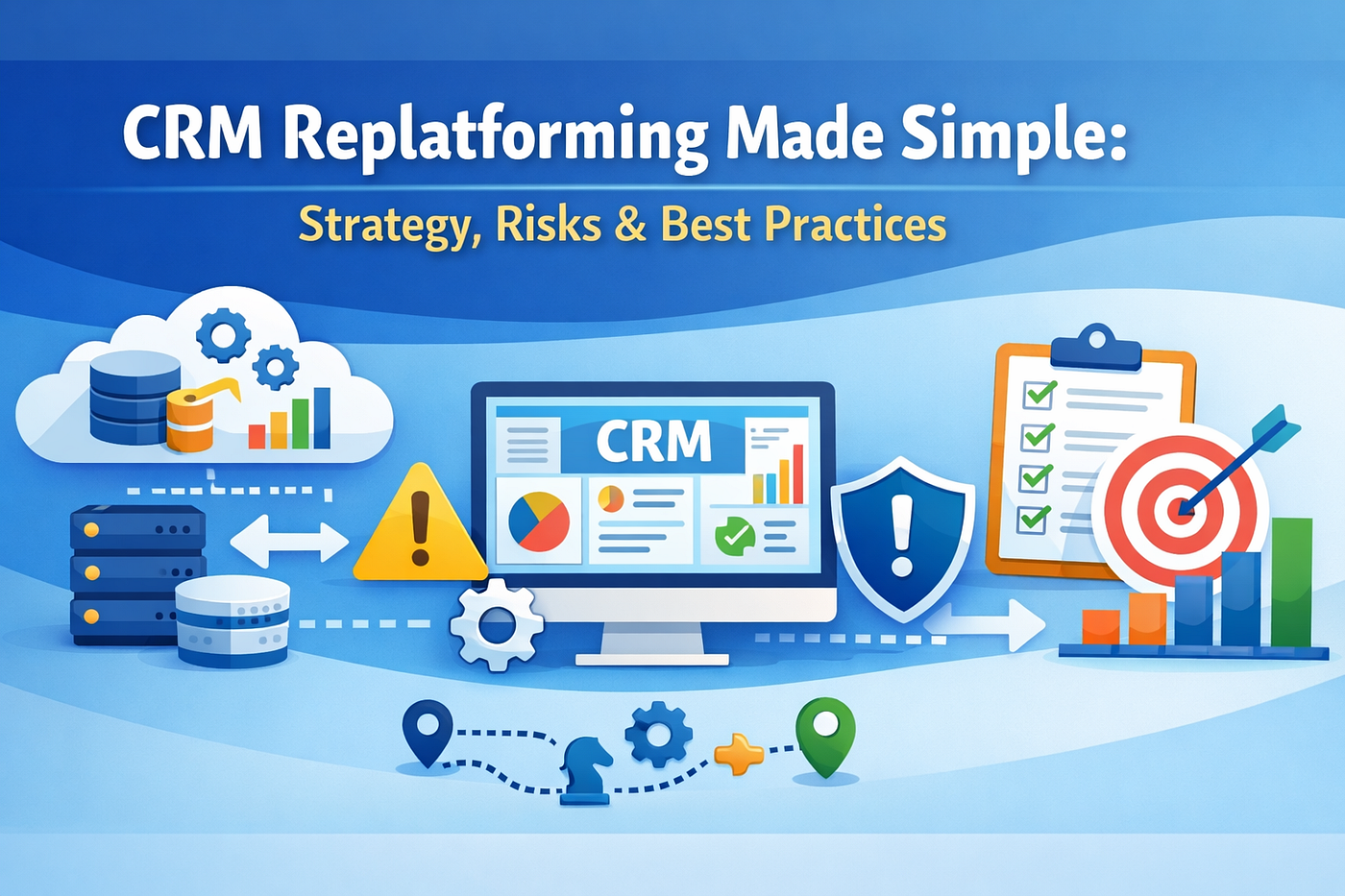
If your CRM feels more like a burden than a business tool, you’re not alone. Thousands of companies outgrow their current platforms every year. Maybe your team has expanded, your sales process has changed, or you’re simply not getting the reporting you need. Whatever the reason, switching CRMs, also called “CRM replatforming,” is a big move. But it doesn’t have to be a scary one.
This guide walks you through everything you need to know, including how to plan your switch, what risks to watch out for, and the best practices that make the whole process smoother.
What Is CRM Replatforming?
CRM replatforming simply means moving from one customer relationship management system to another. Think of it like moving to a new house. You’re taking everything you own (your contacts, deals, notes, workflows) and setting it up somewhere new.
Some businesses move from spreadsheets to a CRM for the first time. Others switch between platforms, say, doing a **Zoho to HubSpot migration** because HubSpot fits their growing sales team better. Either way, the process involves data, integrations, and people. All three need careful attention.

Why Do Companies Switch CRMs?
Before jumping into the “how,” it helps to understand the “why.” Here are the most common reasons businesses decide to replatform:
- Limited features: The current CRM can’t do what the team needs anymore.
- Poor integrations: It doesn’t connect well with other tools like email, billing, or marketing software.
- Bad user adoption: If your team hates using it, the data inside it is probably a mess.
- Scaling issues: What worked for a 10-person team doesn’t always work for a 100-person one.
- Cost vs. value: Sometimes businesses pay too much for too little.
If two or more of these apply to your situation, replatforming is probably worth the effort.
Building a Replatforming Strategy That Actually Works
A good CRM switch doesn’t happen overnight, and winging it is a recipe for lost data and frustrated teams. Here’s a straightforward approach that works for most businesses.
Step 1: Audit Your Current CRM
Start by understanding what you have. Look at which data fields you’re actually using, which workflows are active, what integrations are running, and which reports people check regularly. You can’t pack smart if you don’t know what’s in the house.
Step 2: Define Your Goals
What do you want the new CRM to do differently? Be specific. “Better reporting” is vague. “We want pipeline reports that auto-update by region every Monday” is a goal you can actually build toward.
Step 3: Choose the Right Platform
This is where many businesses get stuck. HubSpot and Zoho are two of the most popular options, but they serve slightly different audiences. HubSpot is known for its clean interface and strong marketing-sales alignment. Zoho is more flexible and budget-friendly for smaller teams. If you’re already using Zoho but need more automation or inbound marketing tools, a Zoho to HubSpot migration might make a lot of sense.
Step 4: Work With the Right Partner
This part is often underestimated. A certified **Zoho implementation partner** or a team that offers HubSpot migration services brings hands-on experience to the table. They’ve done this before, they know where things break, and they can save you weeks of frustrating trial and error. Don’t try to go it alone unless your team has done this kind of project before.
Step 5: Plan the Migration in Phases
Don’t move everything at once. Start with your core contact data, then move to deals and pipelines, then integrations, then automations. Testing at each phase catches problems before they snowball.
Common Risks and How to Avoid Them
Replatforming comes with real risks. Here’s what tends to go wrong and how to stay ahead of it.
Data Loss or Corruption
This is the big one. If your data isn’t cleaned and mapped properly before migration, you’ll end up with duplicate contacts, missing fields, or broken records on the other side. Always back up your data before you start, and do a test migration with a small batch first.
Team Pushback
People resist change; that’s just human nature. If your sales reps don’t understand why you’re switching or aren’t trained on the new platform, adoption will tank. Bring your team into the conversation early. Show them how the new system makes their day easier.
Integration Failures
Your CRM likely talks to your email tool, your billing software, and maybe your customer support platform. If those integrations aren’t rebuilt correctly in the new CRM, things break fast. Make a list of every integration before you migrate and verify each one post-launch.
Going Over Timeline or Budget
Migrations almost always take longer than expected. Build buffer time into your plan, at least 20–30% extra. If you’re working with a **HubSpot development** team or a certified migration partner, request a detailed project plan with clear milestones so that nothing sneaks up on you.
Best Practices to Keep in Mind
Whether you’re doing a simple lift-and-shift or a complex Zoho to HubSpot migration, these habits separate smooth transitions from painful ones:
- Clean your data before you migrate, not after. Remove duplicates, fill in missing fields, and archive dead records.
- Document your current workflows so the new platform can replicate or improve them.
- Set up your new CRM in a sandbox environment first. Test before you go live.
- Train your team with real scenarios, not just a product tour.
- Run both systems in parallel for 2–4 weeks before fully switching over.
Final Thoughts
CRM replatforming is one of those projects that can either energize your entire revenue team or set them back by months; it all depends on how well you plan. Whether you need full **HubSpot migration services**, a trusted Zoho implementation partner, or ongoing HubSpot development support after the switch, partnering with experienced professionals makes a real difference.
The goal isn’t just to move your data. It’s to build a CRM setup that your team actually uses, one that helps you close deals faster, serve customers better, and grow with less friction. That’s a goal worth doing right.
메타데이터
- post_id
- 97af73d3ecb3
- slug
- crm-replatformingcrm-replatforming-made-simple-strategy-risks-best-practices-97af73d3ecb3
- url
- https://medium.com/@jaswindersinghwebguruz/crm-replatformingcrm-replatforming-made-simple-strategy-risks-best-practices-97af73d3ecb3
- canonical_url
- https://medium.com/@jaswindersinghwebguruz/crm-replatformingcrm-replatforming-made-simple-strategy-risks-best-practices-97af73d3ecb3
- author_url
- https://medium.com/@jaswindersinghwebguruz
- status
- ok
- fetched_at
- 2026-07-26 18:54:27