The Role of Real-Time Data in Mastering FSMA 204 Compliance
FSMA 204 compliance isn’t a distant regulatory concern anymore it’s here, and food businesses are scrambling to keep up. The rule…
The Role of Real-Time Data in Mastering FSMA 204 Compliance

The Role of Real-Time Data in Mastering FSMA 204 Compliance
FSMA 204 compliance isn’t a distant regulatory concern anymore it’s here, and food businesses are scrambling to keep up. The rule, finalized by the FDA, requires companies handling foods on the Food Traceability List to maintain detailed records and produce them within 24 hours of an FDA request. For small and mid-sized food manufacturers, distributors, and retailers, that kind of turnaround used to mean binders, spreadsheets, and frantic phone calls.
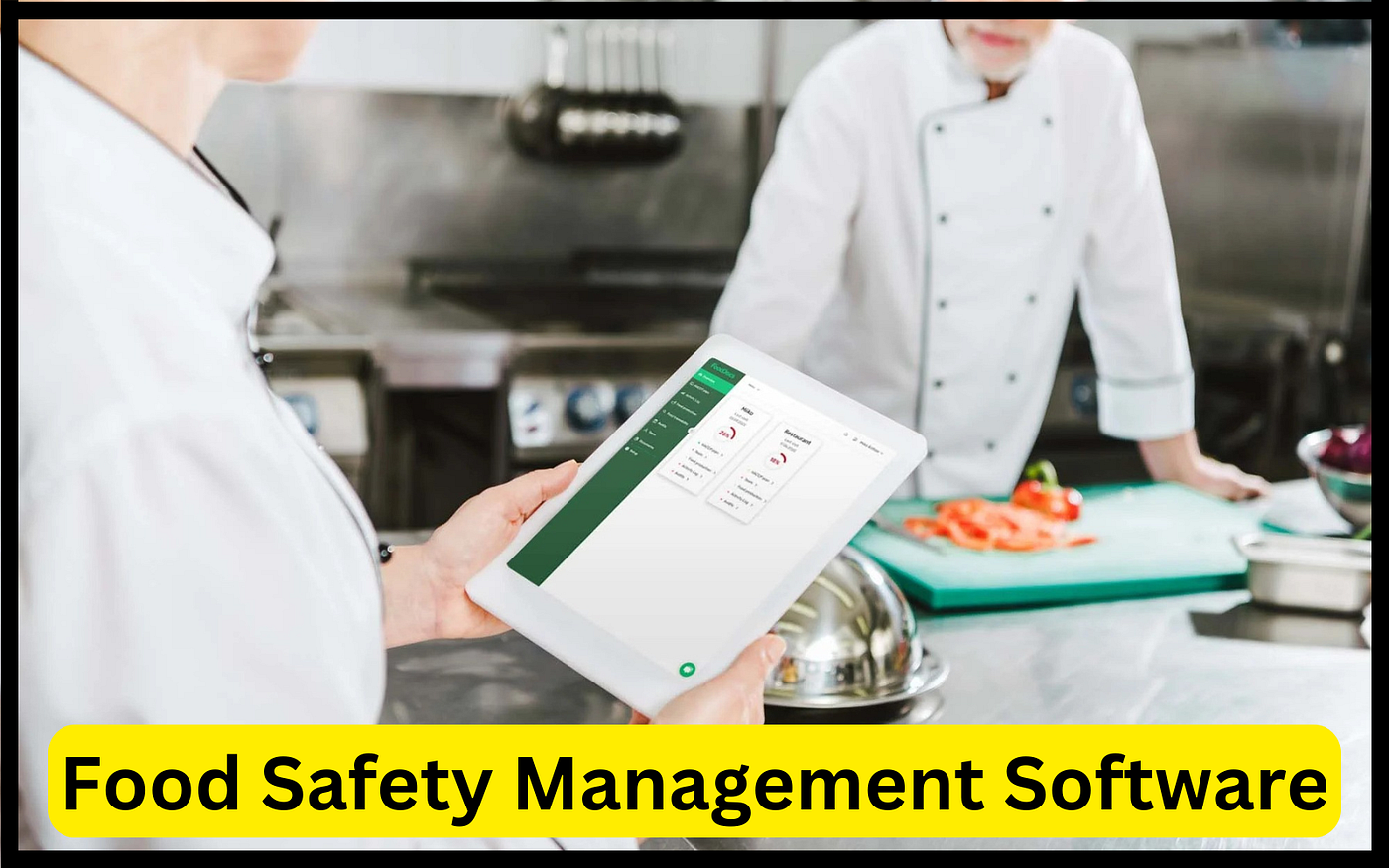
Real-time data changes that picture entirely. A Food Safety ERP when built with traceability and HACCP at its core gives operations teams live visibility into every lot, every temperature log, every supplier document. This article breaks down what FSMA 204 actually demands, why real-time data is the backbone of compliance readiness, and how purpose-built food safety software like Normex helps companies turn regulatory pressure into operational clarity. No fluff. Just what works.
So, What Exactly Does FSMA 204 Want From You?
The FDA’s Food Safety Modernization Act has been around since 2011, but Rule 204 the traceability rule is a different animal. It targets foods on the Food Traceability List: leafy greens, shell eggs, nut butters, fresh-cut produce, soft cheeses, and more. If your business touches any of those, you’re required to capture Key Data Elements (KDEs) at each Critical Tracking Event (CTE) in the supply chain receiving, processing, shipping, transformation.
Here’s where it gets uncomfortable for a lot of operations: the FDA can request those records within 24 hours. Not 24 business hours. Just 24. If your traceability lives in a paper binder or a patchwork of spreadsheets, that clock is brutal.
And this isn’t just a manufacturer’s headache. Distributors, retailers, food service operators anyone touching a food on the FTL is on the hook.
The Real Problem Isn’t the Rule. It’s the Data.
Manual systems create gaps. Someone forgets to log a temperature. A receiving sheet gets filed under the wrong date. A supplier sends a certificate of analysis in a format that doesn’t match your records. None of these feel serious day-to-day. In a recall or an FDA inspection, they absolutely are.
What most food businesses are actually missing isn’t awareness of FSMA 204 they know the rule exists. What they’re missing is a live, connected view of their supply chain that captures lot numbers, receiving dates, processing records, and shipping details without relying on someone remembering to write it down.
A Food Safety ERP addresses exactly that. Not as software for software’s sake, but as infrastructure. The way a cold room is infrastructure you don’t negotiate on whether you need one.
Real-Time Data: The Difference Between Ready and Reactive
Here’s a concrete scenario. A lot of shredded romaine arrives from a supplier. It gets logged into the system on receipt lot number, date, temperature at arrival, supplier batch documentation, all captured automatically or via a mobile checklist. That lot moves through production. At each processing step, the system records what happened to it and when.
Two weeks later, the supplier flags a potential contamination issue. With real-time traceability, you pull a complete lot history in minutes: where it went, what it touched, which finished products contain it, which customers received those products. You initiate a targeted recall or, just as importantly, you confirm your lot wasn’t affected. Either way, you have answers in minutes.
Without it? You’re backtracking through paperwork, hoping the records are complete, burning hours you don’t have.
What a Food Safety ERP Actually Does
Purpose-built platforms Normex is a strong example in the Canadian and cross-border compliance space handle the operational mechanics FSMA 204 demands. Lot-level traceability runs from supplier receipt through production to final shipment, with a full chain-of-custody record at every step. Automated HACCP monitoring handles critical limit alerts and corrective action workflows without requiring someone to remember to follow up. Supplier documents certificates of analysis, allergen declarations, Preventive Control Plans are stored, versioned, and retrievable in seconds rather than filed in a drawer somewhere.
IoT sensor integration replaces manual temperature logs entirely. And when an audit comes, the KDE records the FDA requires are formatted and ready to produce, not assembled under pressure.
That last part matters more than people give it credit for. The 24-hour requirement isn’t just about having data it’s about having organized, complete data you can actually find.
The Hidden Cost of Waiting
FDA timelines have a way of surprising operations that assumed there’d be more runway. FSMA 204 deadlines were extended more than once, and for some businesses, that created a false sense of breathing room. The companies that used those extensions to actually build systems are in a very different position now than the ones that waited.
A recall costs an average of $10 million in direct expenses before you account for brand damage or lost contracts. A failed FDA inspection can trigger warning letters, import alerts, or forced shutdowns. Against those numbers, the ROI on preventing even one significant incident is fairly straightforward to calculate. Smaller operations using platforms like Normex have seen efficiency gains around 30%, with annual savings north of $40,000 once manual processes are replaced. That’s real money when margins are already thin.
The 24-Hour Test
If the FDA called your facility right now and asked for complete traceability records on a specific lot from 90 days ago, how long would it take you to produce them?
If the answer involves digging through filing cabinets, that’s a fragile compliance posture. If the answer is running a report, you’re in decent shape.
That gap between digging and reporting is what a Food Safety ERP closes. FSMA 204 compliance isn’t about paperwork; it’s about actually knowing what’s moving through your supply chain, in real time, before anyone asks.
Ready to see where your traceability gaps are? Normex offers a free compliance assessment for food manufacturers and distributors it takes about 20 minutes and usually surfaces things teams didn’t know they were missing.
메타데이터
- post_id
- 982a27df6969
- slug
- the-role-of-real-time-data-in-mastering-fsma-204-compliance-982a27df6969
- url
- https://medium.com/@normexca/the-role-of-real-time-data-in-mastering-fsma-204-compliance-982a27df6969
- canonical_url
- https://medium.com/@normexca/the-role-of-real-time-data-in-mastering-fsma-204-compliance-982a27df6969
- author_url
- https://medium.com/@normexca
- status
- ok
- fetched_at
- 2026-06-24 04:09:36