Uranium: The Element That Powers and Divides the World.
Uranium: The Element That Powers and Divides the World.
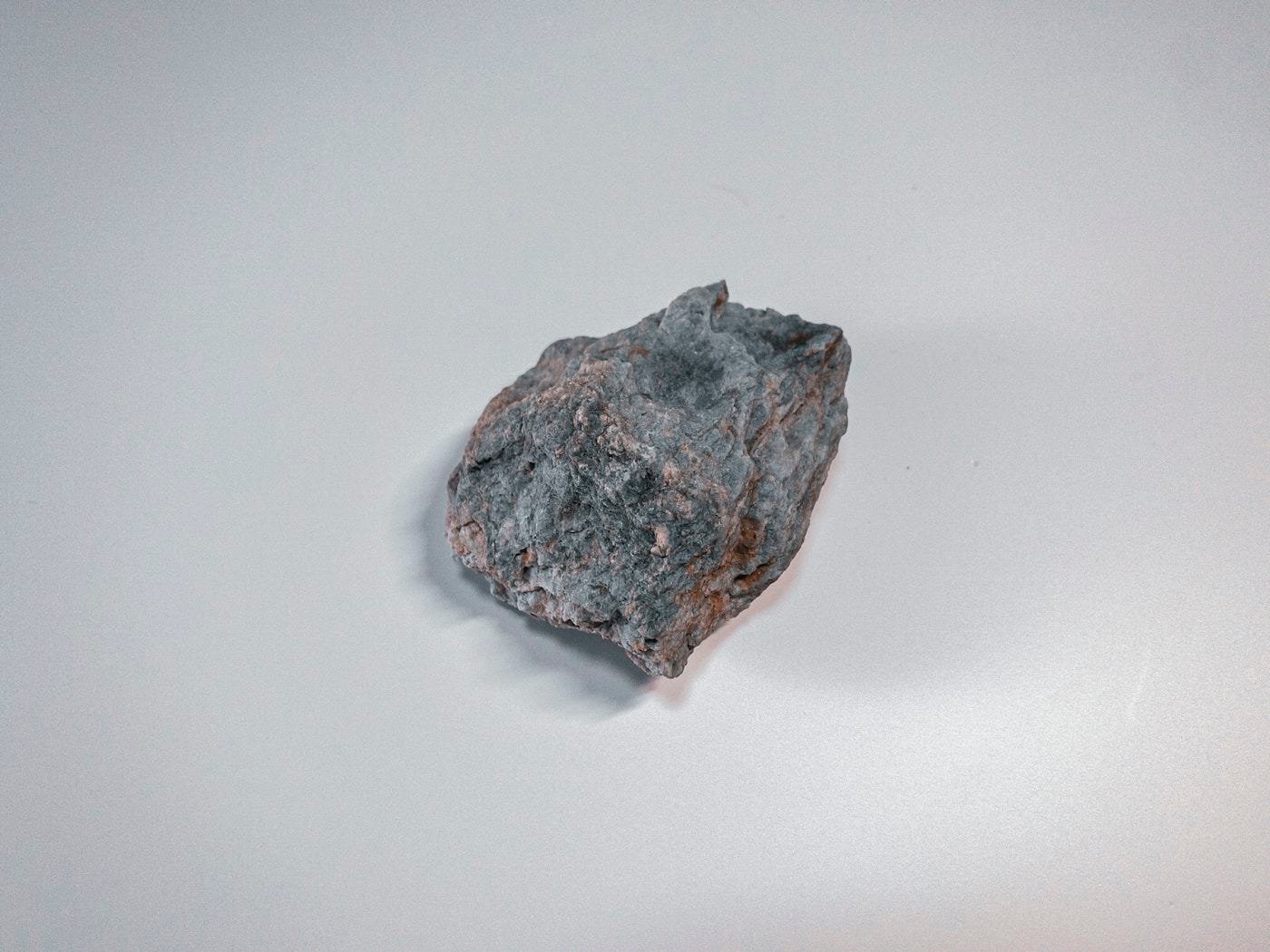
Uranium is one of the most powerful, controversial, and misunderstood elements on Earth. It is a naturally occurring metal with immense energy potential — capable of lighting entire cities or destroying them in seconds. Throughout history, uranium has stood at the crossroads of science, warfare, energy production, and global politics. As humanity faces increasing pressure to transition to sustainable energy sources, uranium may once again take center stage — but not without debate.

In this in-depth exploration, we’ll examine uranium’s origins, properties, uses, dangers, and its promising yet complex role in the future of our world.
- The Origins of Uranium: Discovery and Naming
Uranium was first identified in 1789 by Martin Heinrich Klaproth, a German chemist who was analyzing a black mineral known as pitchblende. During his experiments, Klaproth managed to isolate an unknown element, which he named “uranium” in honor of the newly discovered planet Uranus.
However, what Klaproth didn’t know at the time was that uranium had already existed in the Earth’s crust for billions of years. Long before humans discovered it, uranium atoms were formed during supernova explosions in deep space and scattered across the forming solar system. It eventually settled into the Earth’s crust, waiting to be uncovered.
- What Makes Uranium Special?
Uranium is a heavy metal with the atomic number 92, making it one of the heaviest naturally occurring elements. It is silver-gray in color, dense, and slightly radioactive in its natural state. The element is part of the actinide series, which includes other radioactive elements like thorium and plutonium.

The most notable feature of uranium is its ability to undergo nuclear fission — a process where the nucleus of an atom splits into smaller parts, releasing a massive amount of energy. This ability makes uranium incredibly valuable for both civilian energy and military purposes.
There are three primary isotopes of uranium:
• U-238: The most abundant (about 99.3% of natural uranium)
• U-235: The only naturally occurring fissile isotope (about 0.7%)
• U-234: A trace isotope formed by the decay of U-238
Although U-238 is the most common, it’s the rare U-235 that holds the key to unleashing nuclear power.
- Uranium and the Dawn of the Nuclear Age
It wasn’t until 1896 that uranium’s radioactive properties were discovered by Henri Becquerel, who noticed that uranium salts emitted rays capable of penetrating black paper and fogging photographic plates. This accidental discovery launched a scientific revolution in nuclear physics.
Later, in the early 20th century, Marie and Pierre Curie continued exploring radioactivity, isolating other elements like polonium and radium. However, it was uranium that would prove to be the most influential.
By the 1930s, scientists had discovered that when bombarded with neutrons, uranium atoms could split — a process now known as nuclear fission. This opened the door to harnessing uranium for an entirely new purpose: creating immense energy or devastating weapons.
- Uranium’s Role in World War II
During World War II, the discovery of nuclear fission led to a top-secret American-led initiative known as the Manhattan Project. This massive scientific and military effort resulted in the development of the first nuclear bombs. The uranium-based bomb, code-named “Little Boy,” was dropped on Hiroshima on August 6, 1945, instantly killing tens of thousands of people and leveling much of the city.
The event marked the beginning of the atomic age. It demonstrated both the terrifying destructive power of uranium and its strategic importance in global politics. Nations around the world soon scrambled to develop their own nuclear programs.
- Peaceful Uses: Uranium and Nuclear Energy
While uranium’s military use is well-known, its peaceful applications are just as significant. In the decades after WWII, scientists and engineers turned their attention to harnessing uranium for civilian energy production.
In nuclear power plants, uranium — specifically U-235 — is used as fuel. During fission, each atom of uranium splits into two smaller atoms, releasing heat. This heat is used to boil water into steam, which drives turbines and generates electricity.
Nuclear energy has several advantages:
• Low carbon emissions: Unlike fossil fuels, uranium doesn’t release CO₂ when it’s used to generate power.
• High energy density: A small amount of uranium can produce vast amounts of energy. One kilogram of U-235 can yield nearly as much energy as 1.5 million kilograms of coal.
• Reliable base-load power: Nuclear plants provide a constant and stable power supply, unlike solar and wind which can be intermittent.
Today, nuclear power provides about 10% of global electricity, with countries like the United States, France, China, and Russia leading the charge.
- Uranium in Weapons: The Double-Edged Sword
Despite its peaceful uses, uranium remains a major concern for global security. When uranium is enriched (increasing the concentration of U-235), it becomes suitable for use in nuclear weapons.
This enrichment process is closely monitored by international organizations like the International Atomic Energy Agency (IAEA). Yet, concerns about nuclear proliferation — the spread of weapons technology — persist. Countries like North Korea and Iran have been at the center of international disputes over uranium enrichment and potential weapon development.
In addition, depleted uranium (DU) — a byproduct of enrichment — is used in military armor and ammunition due to its extreme density and ability to penetrate targets. Though less radioactive, DU is controversial because of potential environmental and health risks.
- Where Does Uranium Come From?
Uranium is naturally found in the Earth’s crust, in rocks, soil, and even in seawater in trace amounts. The mining of uranium usually happens in regions with large, concentrated ore deposits.
Top uranium-producing countries include:
• Kazakhstan — the world’s leading producer
• Canada — home to some of the richest uranium deposits
• Australia — holding the largest known reserves
• Namibia, Uzbekistan, and Russia — other significant suppliers
Mining techniques include:
• Open-pit mining — extracting from surface-level deposits
• Underground mining — for deeper reserves
• In-situ leaching — where chemicals are injected into the ground to dissolve uranium, then pumped to the surface
Although necessary, uranium mining can harm the environment if not carefully managed. Radioactive waste, groundwater contamination, and worker health risks are all major concerns.
- Environmental and Health Concerns
Handling uranium comes with serious safety responsibilities. Exposure to uranium dust or contamination from mining and waste can lead to serious health issues, including kidney damage and increased cancer risk.
Radioactive nuclear waste — the spent fuel from reactors — remains hazardous for thousands of years. Safely storing or disposing of this waste is one of the greatest challenges facing the nuclear energy industry. Many countries store the waste in secure underground facilities, but long-term solutions are still being researched.
In addition, nuclear accidents — though rare — have had global impacts. Events like Chernobyl (1986) and Fukushima (2011) raised public fear and led to debates about the future of nuclear energy.
- Uranium and the Energy Transition
As climate change drives the need for cleaner energy, uranium could become more important than ever. Nuclear power emits no greenhouse gases during operation, making it a strong candidate for reducing our reliance on fossil fuels.
New nuclear technologies are also on the horizon:
• Small Modular Reactors (SMRs): Compact, safer nuclear reactors that can be built more quickly and used in remote locations.
• Thorium reactors: A potential alternative that produces less long-lived waste.
• Fast breeder reactors: Designed to generate more fuel than they consume.
Furthermore, while uranium is key for nuclear fission, progress is also being made in nuclear fusion — a different process that could one day offer almost unlimited clean energy, though it remains years away from practical use.
- The Future of Uranium: Opportunities and Challenges
Uranium has the potential to help solve some of the world’s most pressing problems — energy scarcity, climate change, and reducing dependency on fossil fuels. Yet it also carries risks: environmental damage, nuclear proliferation, and health concerns.
As technology advances and safety improves, uranium may become more accepted as a long-term energy solution. However, the world must approach it with caution, regulation, and responsibility.
Conclusion: A Metal of Many Faces
Uranium is a remarkable element — both feared and admired. It has the power to destroy cities and to power entire nations. From the depths of the Earth to the core of our energy debates, uranium’s journey is one that reflects humanity’s own: driven by discovery, marked by conflict, and hopeful for a brighter future.
Whether uranium becomes a hero in the fight against climate change or remains a symbol of destruction will depend on how wisely the world chooses to use it.
메타데이터
- post_id
- 982a6dbea1f6
- slug
- uranium-the-element-that-powers-and-divides-the-world-982a6dbea1f6
- url
- https://medium.com/@tahirshehu206gmail.com/uranium-the-element-that-powers-and-divides-the-world-982a6dbea1f6
- canonical_url
- https://medium.com/@tahirshehu206gmail.com/uranium-the-element-that-powers-and-divides-the-world-982a6dbea1f6
- author_url
- https://medium.com/@tahirshehu206gmail.com
- status
- ok
- fetched_at
- 2026-07-30 06:03:05



