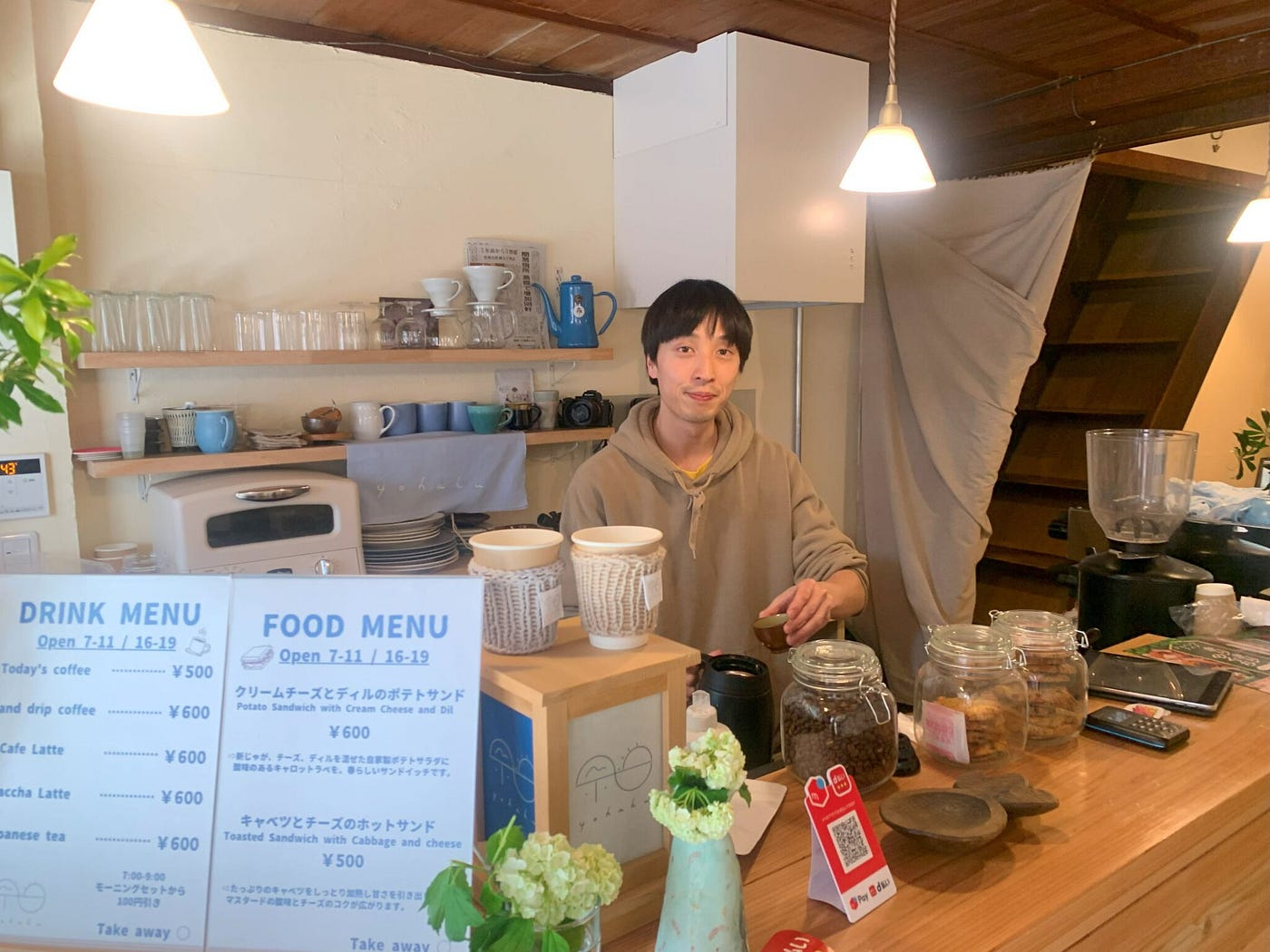
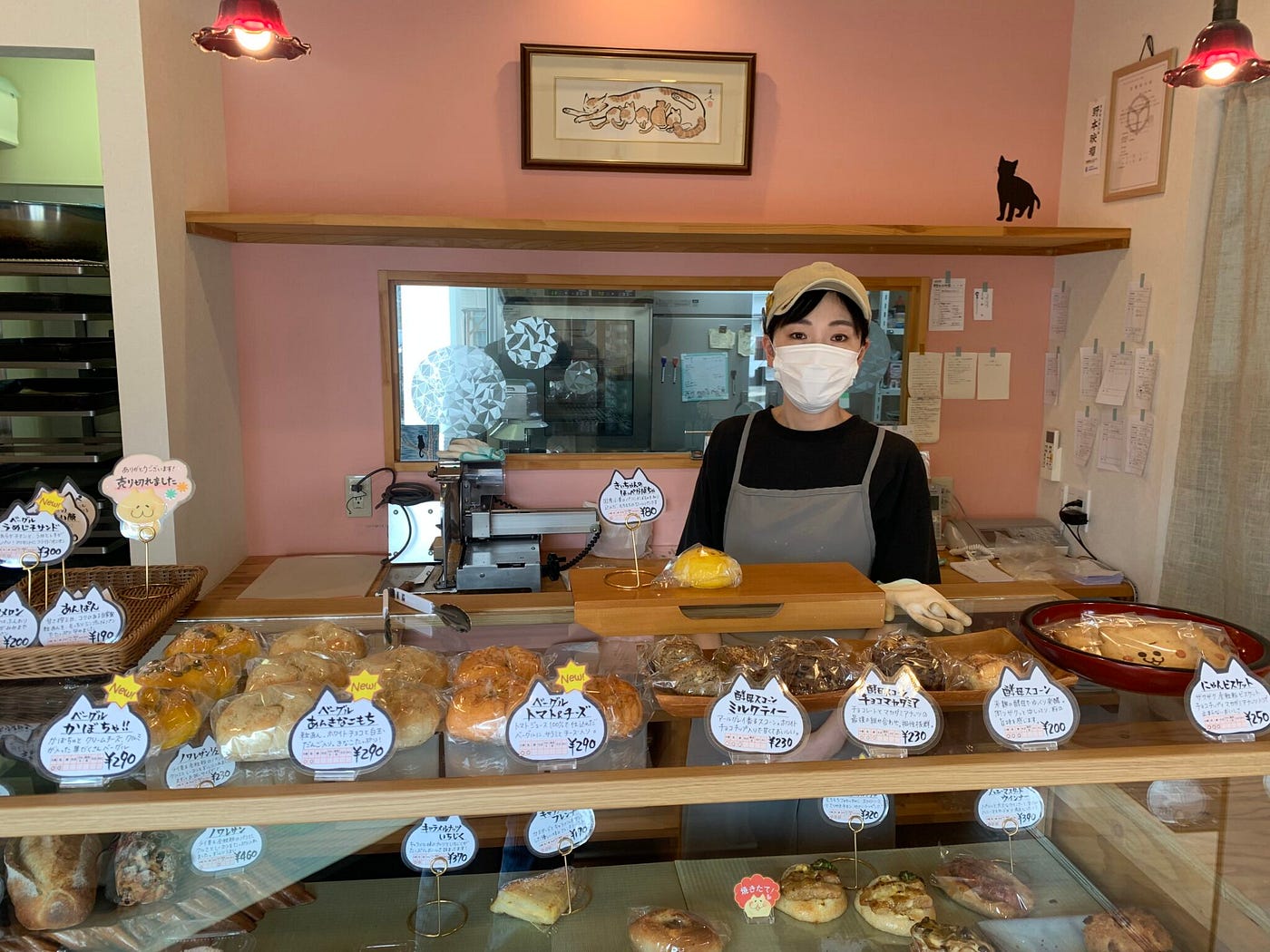
In Japan’s City of Gods, Newcomers Learn to Belong
Brazilian families and Eastern European engineers are making new lives in rural Japan
In Japan’s City of Gods, Newcomers Learn to Belong
Brazilian families and Eastern European engineers are making new lives in rural Japan
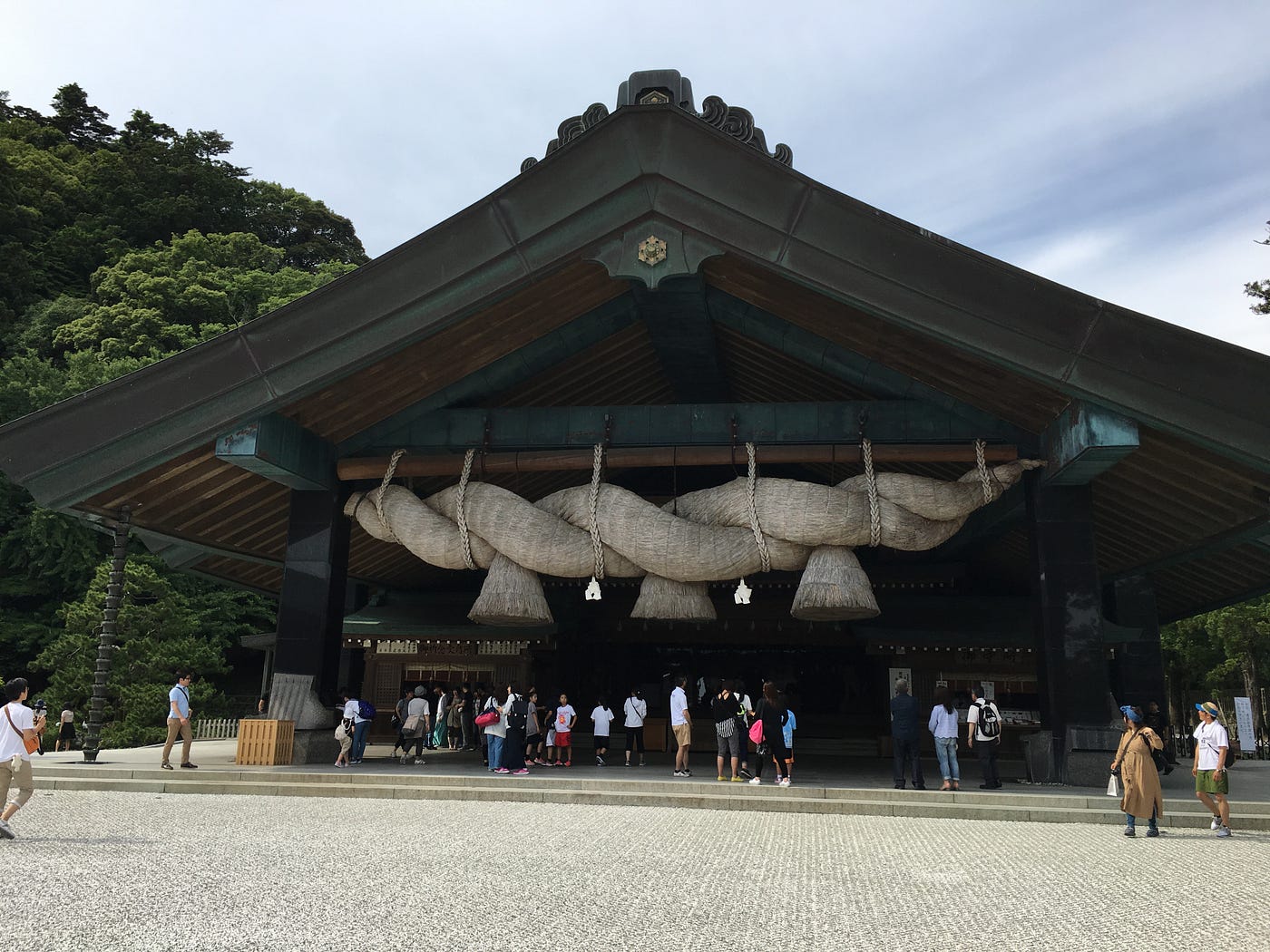
Izumo Taisha Shrine, a symbol of Izumo. Photo by Takashi Saito.
Co-working space near the station
In Izumo, a city in Shimane Prefecture in western Japan, a co-working space called Izumonomad stands near the main train station. At first glance, it looks like an ordinary regional workspace with desks, meeting rooms, rental offices, and event space. But Izumo is not an ordinary city in Japan’s imagination. It is known as Izumo Oyashiro, also called Izumo Taisha, for an old belief that the gods gather there once a year, and is often regarded as the second most prestigious after Ise Jingu.
Today, another kind of gathering is underway. Engineers from Eastern Europe, Japanese entrepreneurs, researchers, foreign families, children with immigrant backgrounds and local residents are meeting in the same small city.
The movement remains quiet, and it is not yet a national model, but it may still show one way rural Japan can change without losing its character.
Izumo may not seem like an obvious place to look for Japan’s multicultural future. Despite the rural area’s conservative image, local life here has never been only about old customs, ritual or inherited identity.
To many visitors, Izumo means gods, shrines and ancient rituals. Modern Izumo has also been shaped by migration, factory work, food, language and daily contact between people who might once never have met.
About 5,000 foreign residents now live in the city, making up roughly 3 per cent of its population. Brazilians form the largest group. In some neighbourhoods, children grow up hearing both Japanese and Portuguese.
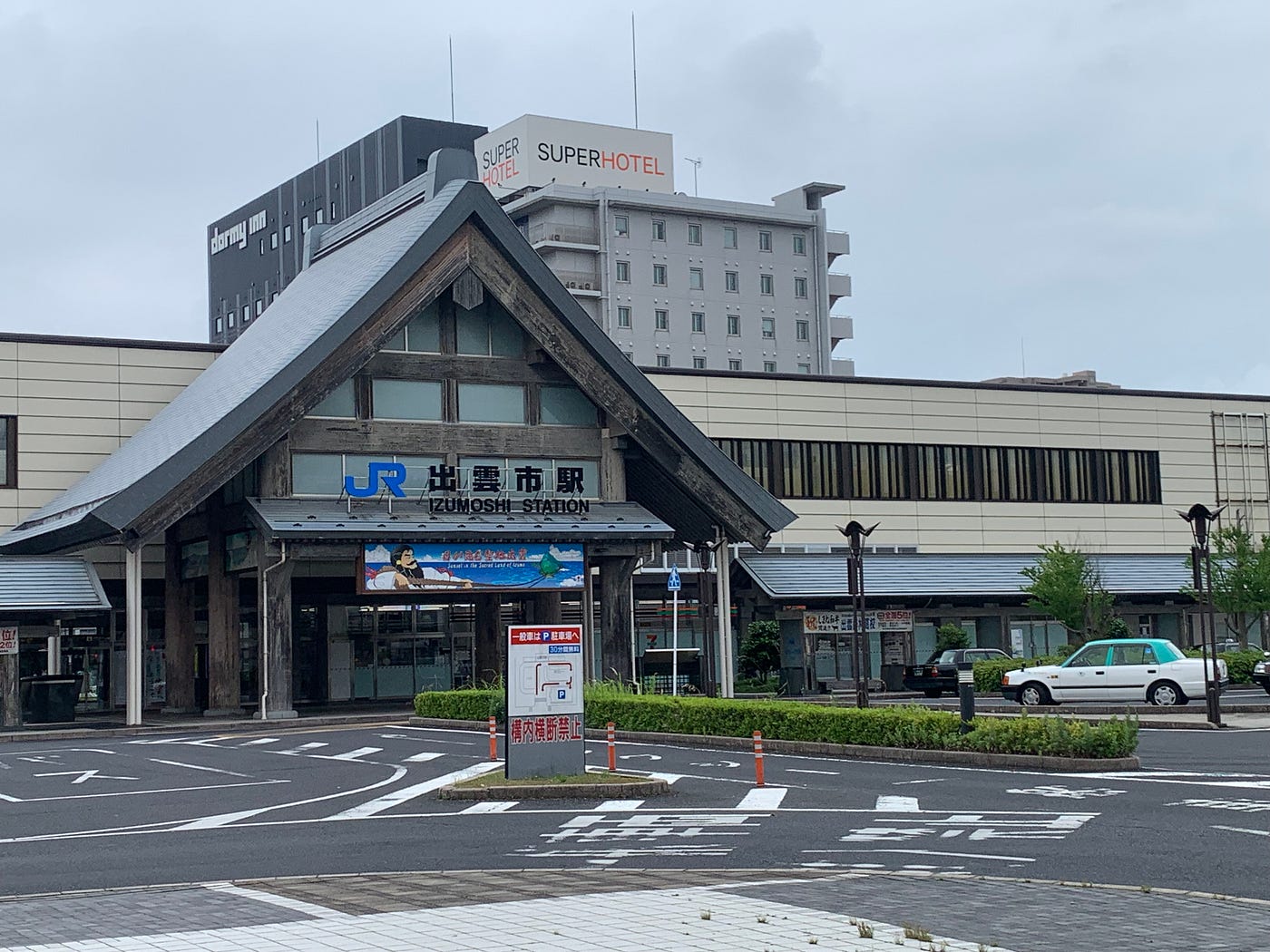
JR Izumo Station, the gateway to Izumo. Photo by Takashi Saito.
Feijoada in Shimane
Not far from Izumo Taisha Shrine, Luiz Carlos dos Santos and his wife, Akemi, run a Brazilian restaurant called PARRILLA STEAK HOUSE near the city’s large sports dome.
Luiz is from Paraná, Brazil, and once worked as a police officer. Akemi is from São Paulo and used to run a small bakery. Their menu carries memories of Brazil, from feijoada, a bean stew, to grilled meat, garlic rice and homemade infusions of cachaça, a Brazilian spirit. It also reflects local life in Shimane, using milk from a nearby farm and vegetables from local growers.
On weekends, the couple joins community events, serving Brazilian-style barbecue from a food stall. A neighbour stops by. A child asks what feijoada is. No one is making a point about integration. It is simply part of the day.
“People in Izumo are kind. I love life in the countryside — and I want to stay here,” Luiz says.

Carlos, owner of PARRILLA STEAK HOUSE. Photo by Takashi Saito.
From Saint Petersburg to Izumo
The Brazilian presence in Izumo is one migration story. SAMI Japan is another.
SAMI Japan, a technology company linked to Japanese, Ukrainian, and Russian IT professionals, was founded in Saint Petersburg in 2017 to connect Japanese businesses with IT talent from Eastern Europe.
Russia’s invasion of Ukraine in 2022 changed that story. As the company’s work in Russia became impossible, SAMI had to start again — not in Tokyo, Osaka or Fukuoka, but in Izumo, with support from the local community. War, relocation and digital work do not usually sit in the same sentence as shrines and gods. In Izumo, they now share the same address.
From hiring to settling in
Through SAMI Japan, foreign engineers can connect with Japanese companies and begin building careers in Japan. Recruitment is only the first step.
Language, housing, local networks and small acts of guidance often decide whether a person merely works in a place or begins to belong there. In Izumo, that question becomes concrete. Engineers, entrepreneurs and local people can meet far from the pressure of a large city and the distance of purely online work.
SAMI previously ran Dopomoga.jp, a non-profit programme that supported Ukrainians fleeing the war and looking for work in Japan. Dopomoga means “support” in Ukrainian — a word that points beyond labour supply, to people rebuilding their lives.
For foreign professionals, Tokyo offers scale, speed and opportunity. Izumo offers lower living costs, access to nature, a quieter pace, and a community small enough for relationships to matter.
“I’m glad I moved to Izumo,” says Boris Afanasev. “The locals are kind, the nature is beautiful, and the cost of living is much lower than in Tokyo.”
Boris arrived by a different route from Luiz — through war, code and relocation rather than food and family — but landed on the same word, kindness.
There is no easy answer to when a newcomer becomes local. Language, work, housing, schools and neighbours all matter. Kindness helps, but it is not enough. People learn to belong slowly, through repeated encounters.

Boris, who works with SAMI Japan in Izumo. Photo by Takashi Saito.
Model worth studying
The changes have even reached the UN’s radar. In February 2026, UNIDO cited a related local initiative as part of Japan’s support for Ukraine’s recovery, including re-skilling, Japanese lessons and digital training.
The heart of the story is quieter than any UN recognition, though. It can be found in a Brazilian restaurant near the sports dome, in a co-working space by the station, in a child moving between Japanese and Portuguese, and in an engineer learning how to live far from the capital.
Shinto heartland still changing
Izumo is one of Shinto’s spiritual heartlands, and the city is often seen as socially conservative. That is what makes its quiet changes worth noticing. People from Brazil, Eastern Europe and rural Japan are learning how to share the same city.
Regional Japan will not change because someone writes a slogan for it. It changes in smaller ways: a child moving between languages, an engineer finding housing, a neighbour learning the name of a dish. It changes when newcomers find not only work, but schools, landlords, friends and reasons to stay.
Izumo is not a ready-made model. But for many regional towns, it offers a modest answer to a difficult question: how to open up to the wider world without losing themselves.

Inasa-no-hama Beach in Izumo, known for its place in Japanese mythology. Photo by Takashi Saito.
An earlier version of this article appeared on *The Deities*, an English-language local media project from Shimane, Japan. Additional background draws on The Deities’ reporting on Festa Junina in Izumo, PARRILLA STEAK HOUSE, SAMI Japan and Izumo City’s multicultural coexistence initiatives.
Do you have an intercultural story or experience you want to share? We would love to hear it! **Contribute** to A-Culturated and join the community!
메타데이터
- post_id
- 9887fde2a18c
- slug
- in-japans-city-of-gods-newcomers-learn-to-belong-9887fde2a18c
- url
- https://medium.com/a-culturated/in-japans-city-of-gods-newcomers-learn-to-belong-9887fde2a18c
- canonical_url
- https://medium.com/a-culturated/in-japans-city-of-gods-newcomers-learn-to-belong-9887fde2a18c
- author_url
- https://medium.com/@uniformwhiskysaitokaiji
- status
- ok
- fetched_at
- 2026-07-11 04:02:42