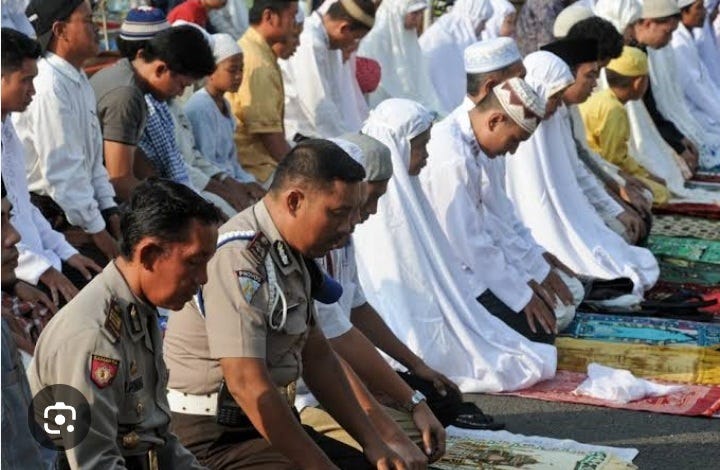
The Concept of Jannat and Jahannum: Understanding the Afterlife in Islam
The Concept of Jannat and Jahannum: Understanding the Afterlife in Islam
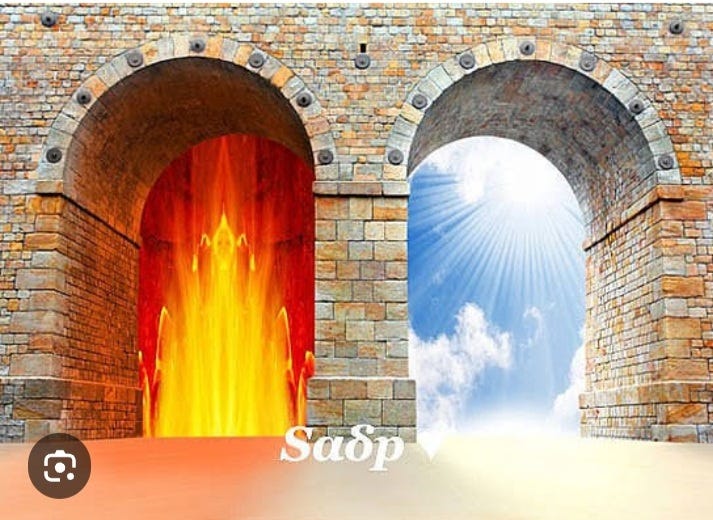
Image downloaded from Google
Introduction
The afterlife is a core belief in Islam. Life on Earth is viewed as a test, with the ultimate reward or punishment awaiting individuals in the hereafter. Jannat (Paradise) and Jahannum (Hell) are key elements of this belief, representing the final destinations determined by one’s actions and faith. These two realms illustrate the ultimate outcomes of human behavior, embodying divine justice and mercy.
This article explores the Islamic perspective on Jannat and Jahannum, their depictions in the Quran and Hadith, the criteria for entry, and their importance in shaping Muslim ethics and spirituality.
Jannat (Paradise) in Islam
Definition and Significance
Jannat, commonly referred to as Paradise, is the eternal realm of peace, joy, and divine pleasure. It serves as the ultimate reward for those who have lived virtuously and remained devoted to Allah. The Quran often portrays Jannat as a place of extraordinary beauty, comfort, and happiness, devoid of sorrow, pain, or suffering.
Descriptions of Jannat in the Quran and Hadith
The Quran offers rich descriptions of Jannat, highlighting its blessings and rewards:
- Gardens and Rivers – One of the most prevalent images of Jannat in the Quran is that of verdant gardens with flowing rivers. Allah states:
“But those who believe and do righteous deeds – We will admit them to gardens beneath which rivers flow, wherein they will abide forever.” (Quran 4:57) Eternal Bliss and No Hardship – In Jannat, there is no pain, fatigue, or death. It is a realm of everlasting youth and joy.
“No fatigue shall touch them, nor shall they be asked to leave.” (Quran 15:48)
Palaces and Luxurious Living – Jannat is depicted as having stunning palaces made of gold and embellished with precious gems.
“For them (the righteous) will be chambers (palaces), above which are chambers built high, beneath which rivers flow.” (Quran 39:20)
Heavenly Food and Drink – The inhabitants of Jannat will savor delightful food and drink, completely free from harm or intoxication.
“And fruit of their choice, and the meat of fowls that they desire.” (Quran 56:20-21)
Companionship and Family Reunion – Believers will be reunited with their righteous loved ones and will enjoy the company of pure companions known as Hoor al-Ayn.
“Enter Paradise, you and your wives, in happiness.” (Quran 43:70)
Levels of Jannat
Islam teaches that Jannat has multiple levels, with the highest being Jannat al-Firdaws. The rewards and closeness to Allah increase as one ascends these levels, depending on their faith and good deeds. The Prophet Muhammad (peace be upon him) said:
“When you ask Allah (for something), ask Him for Al-Firdaws, for it is the highest and best part of Paradise.” (Sahih al-Bukhari)
Who Will Enter Jannat?
Entry into Jannat is determined by faith (Iman) and righteous actions. Some key qualities of those who will enter include:
- Belief in Allah and His messengers.
- Sincere worship and devotion.
- Acts of kindness, charity, and justice.
- Patience, gratitude, and humility.
- Seeking Allah’s forgiveness and repenting for sins.

Image downloaded from Google
Jahannum (Hell) in Islam
Definition and Purpose
Jahannum, or Hell, serves as the place of divine punishment for those who have turned away from Allah and led a sinful life. It embodies Allah’s justice, ensuring that wrongdoers face the repercussions of their actions.
Descriptions of Jahannum in the Quran and Hadith
Jahannum is depicted as a realm of severe suffering and torment, intended to act as a warning for humanity:
1. Fire and Intense Heat – Jahannum is characterized as a raging fire, hotter than anything experienced in this world.
“Fear the Fire whose fuel is men and stones, prepared for disbelievers.” (Quran 2:24)
2. Levels of Punishment – Similar to how Jannat has levels of reward, Jahannum features different degrees of punishment based on the gravity of sins.
“Surely, the hypocrites will be in the lowest depths of the Fire.” (Quran 4:145)
3. Boiling Water and Bitter Food – The inhabitants of Jahannum will endure hunger and thirst, but will only have access to repulsive food and scalding water.
“They will have no food except from a poisonous, thorny plant.” (Quran 88:6)
4. Chains and Restraints – The Quran illustrates punishment as involving chains and shackles, symbolizing utter helplessness.
“Seize him and shackle him. Then into Hellfire drive him.” (Quran 69:30-31)
5. Regret and Hopelessness – The most profound suffering in Jahannum stems from the regret of those who realize they squandered their opportunity for Jannat.
“They will cry, ‘Our Lord, remove us (from Hellfire)! We will do righteousness, other than what we were doing.’ But did We not grant you life enough for whoever would remember?” (Quran 35:37)
Who Will Enter Jahannum?
The Quran identifies several groups of people who may enter Jahannum:
Those who deny belief in Allah.
Hypocrites who feigned faith but acted contrary to it.
Oppressors, tyrants, and those who propagate corruption.
Individuals who commit major sins without seeking repentance.
Those who intentionally neglect their religious duties.
However, Islam teaches that Al. The Role of Jannat and Jahannum in Shaping Muslim Beliefs
Encouragement Towards Righteousness
The promise of Jannat inspires believers to lead ethical lives, fulfill their religious obligations, and cultivate a deep connection with Allah. The vivid descriptions of its beauty act as motivation for patience and perseverance through life's challenges.
Warning Against Sin and Negligence
The existence of Jahannum acts as a strong deterrent against immoral behavior. It emphasizes personal accountability and serves as a reminder of the repercussions of unethical actions.
Balancing Hope and Fear
Islam teaches the importance of balancing hope in Allah’s mercy with a healthy fear of His punishment. This duality encourages believers to pursue goodness while also seeking forgiveness for their faults.
Repentance and Allah’s Mercy
Even with the reality of Jahannum, Islam highlights that Allah’s mercy surpasses His wrath. The opportunity for repentance is always available, and even those who have committed serious sins can seek forgiveness before their time comes.
“Say, ‘O My servants who have transgressed against themselves (by sinning), do not despair of the mercy of Allah. Indeed, Allah forgives all sins.’” (Quran 39:53)

Image downloaded from Google
Conclusion
The Islamic perspective on Jannat and Jahannum offers a meaningful framework for understanding life’s purpose, guiding believers toward righteousness and away from sin. Jannat symbolizes the ultimate reward for faith and good deeds, while Jahannum serves as a reminder of divine justice. These beliefs shape the moral and spiritual awareness of Muslims, influencing their actions and motivating them to seek Allah’s pleasure.
In the end, the belief in the afterlife fosters hope, instills a sense of accountability, and reinforces the mercy and justice of Allah.
메타데이터
- post_id
- 98ade498f97d
- slug
- the-concept-of-jannat-and-jahannum-understanding-the-afterlife-in-islam-98ade498f97d
- url
- https://medium.com/@fahadbaloch2618/the-concept-of-jannat-and-jahannum-understanding-the-afterlife-in-islam-98ade498f97d
- canonical_url
- https://medium.com/@fahadbaloch2618/the-concept-of-jannat-and-jahannum-understanding-the-afterlife-in-islam-98ade498f97d
- author_url
- https://medium.com/@fahadbaloch2618
- status
- ok
- fetched_at
- 2026-07-20 19:37:35