Which Wheat Should You Grow? Choosing the Right Grain for Your Baking Needs
Growing your own wheat is one of the most rewarding steps toward food independence. There’s something deeply satisfying about harvesting…
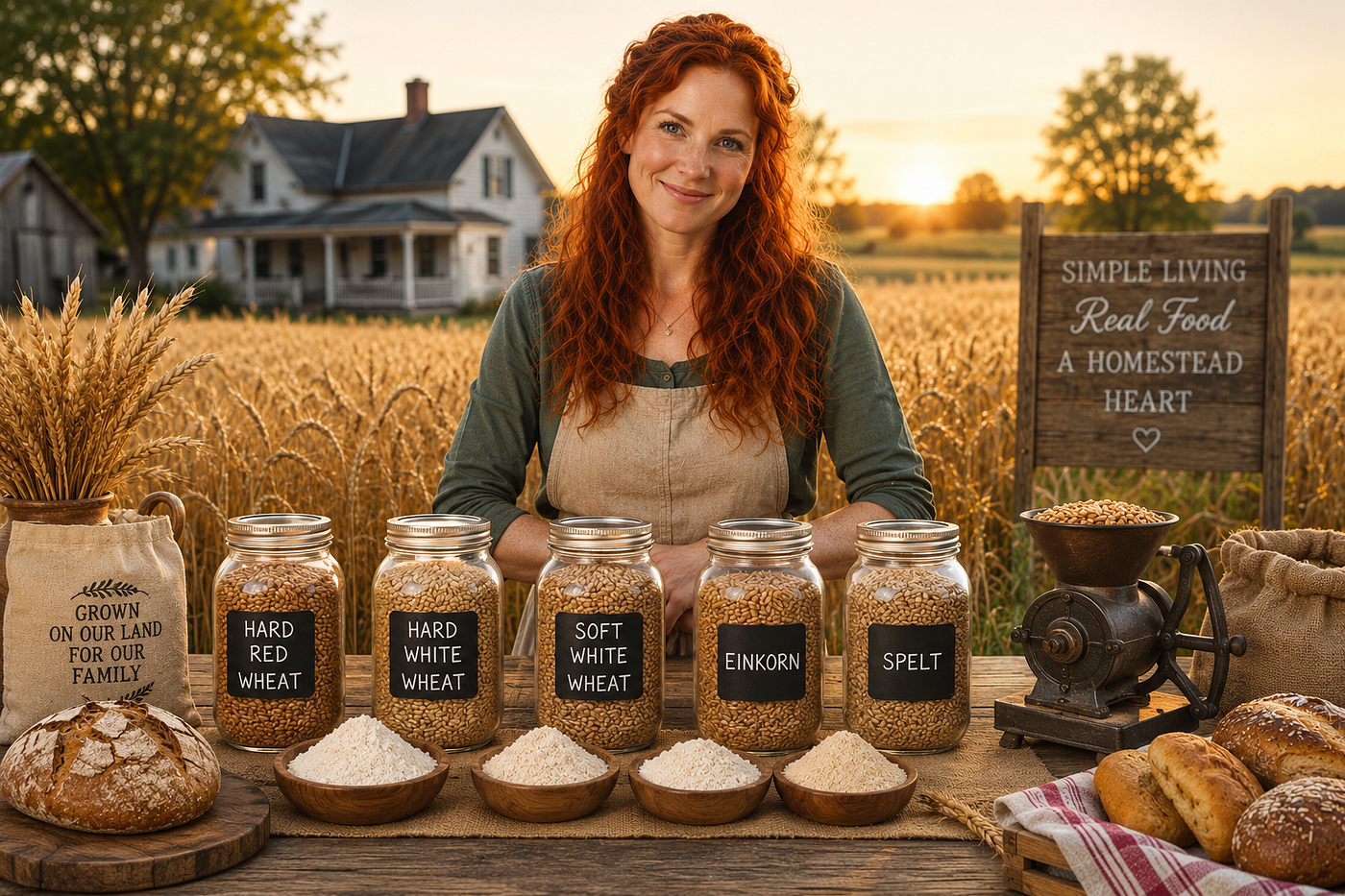
Which Wheat Should You Grow? Choosing the Right Grain for Your Baking Needs
Growing your own wheat is one of the most rewarding steps toward food independence. There’s something deeply satisfying about harvesting grain from your own land, milling it into flour, and turning it into fresh bread for your family.
But before you plant your first wheat patch, there’s an important question to answer:
What kind of wheat should you grow?
Not all wheat is the same. Different varieties are better suited for different types of baking. Choosing the right grain can mean the difference between a loaf of bread that rises beautifully and one that falls flat.
Here’s what every homesteader should know.
Why Wheat Type Matters
The biggest difference between wheat varieties is protein content.
Higher-protein wheats produce stronger gluten, making them ideal for yeast breads. Lower-protein wheats create a softer flour that’s perfect for cakes, cookies, and pastries.
Understanding this one principle makes choosing a wheat variety much easier.
Hard Red Wheat: The Bread Maker’s Choice
If your goal is to bake hearty loaves of bread, hard red wheat is difficult to beat.
This traditional wheat has been grown for generations and remains a favorite among homesteaders.
Benefits include:
- High protein content
- Excellent gluten development
- Strong bread structure
- Good storage life
Best used for:
- Sandwich bread
- Artisan loaves
- Pizza crust
- Dinner rolls
- Bagels
The flavor is often described as rich, nutty, and robust.
Hard White Wheat: The Homesteader’s All-Purpose Grain
Many experienced homesteaders consider hard white wheat the most versatile option.
It offers the strength needed for bread making while producing a lighter-colored flour and milder flavor.
Best used for:
- Bread
- Rolls
- Pancakes
- Muffins
- Tortillas
- Everyday baking
If you’re only going to grow one type of wheat, hard white wheat is often the best place to start.
Soft White Wheat: For Cookies and Cakes
Soft white wheat contains less protein and produces a softer flour.
While it isn’t ideal for yeast breads, it excels in baked goods that need a tender texture.
Best used for:
- Cakes
- Cookies
- Crackers
- Biscuits
- Pastries
Many homesteaders grow a small patch specifically for these uses.
Ancient Grains Worth Considering
Some growers choose traditional grains that have been cultivated for thousands of years.
Popular choices include:
- Einkorn
- Spelt
- Emmer
These grains often appeal to homesteaders who value heritage crops and agricultural history.
While yields may be lower than modern wheat varieties, many people enjoy their unique flavors and traditional character.
A Simple Strategy for Most Families
If you’re just getting started, keep things simple.
Many homestead bakers find success with:
- 75% Hard White Wheat
- 25% Soft White Wheat
This combination provides flour for everything from sandwich bread to birthday cakes.
As your experience grows, you can experiment with hard red wheat or ancient grains.
How Much Should You Grow?
The best way to determine your needs is to track your flour usage for several months.
A family that bakes regularly may use:
- 100 pounds of flour per year
- 200 pounds of flour per year
- 300 pounds or more for heavy bread baking
Remember that you’ll need approximately 120 pounds of wheat berries to produce about 100 pounds of flour.
Knowing your annual flour consumption allows you to plan your wheat patch with confidence.
Final Thoughts
Growing your own wheat isn’t just about producing flour. It’s about building resilience, learning traditional skills, and taking another step toward self-reliance.
Whether you choose hard red wheat, hard white wheat, soft white wheat, or an ancient grain, you’re participating in one of humanity’s oldest and most important traditions.
The next time you slice into a loaf of homemade bread, you’ll know exactly where every grain came from.
And that’s a feeling few store-bought loaves can match.
메타데이터
- post_id
- 98e0c2e4e1c2
- slug
- which-wheat-should-you-grow-choosing-the-right-grain-for-your-baking-needs-98e0c2e4e1c2
- url
- https://medium.com/@rebeccagriffin2021/which-wheat-should-you-grow-choosing-the-right-grain-for-your-baking-needs-98e0c2e4e1c2
- canonical_url
- https://medium.com/@rebeccagriffin2021/which-wheat-should-you-grow-choosing-the-right-grain-for-your-baking-needs-98e0c2e4e1c2
- author_url
- https://medium.com/@rebeccagriffin2021
- status
- ok
- fetched_at
- 2026-06-23 17:05:31