Your Used Tesla Comes With an Open Federal Investigation. The Katy Case Shows Why That Matters
A couple of weeks ago I wrote about the Tesla that drove into a house in Katy, Texas at 73 miles an hour, and I argued the scariest part…
Your Used Tesla Comes With an Open Federal Investigation. The Katy Case Shows Why That Matters
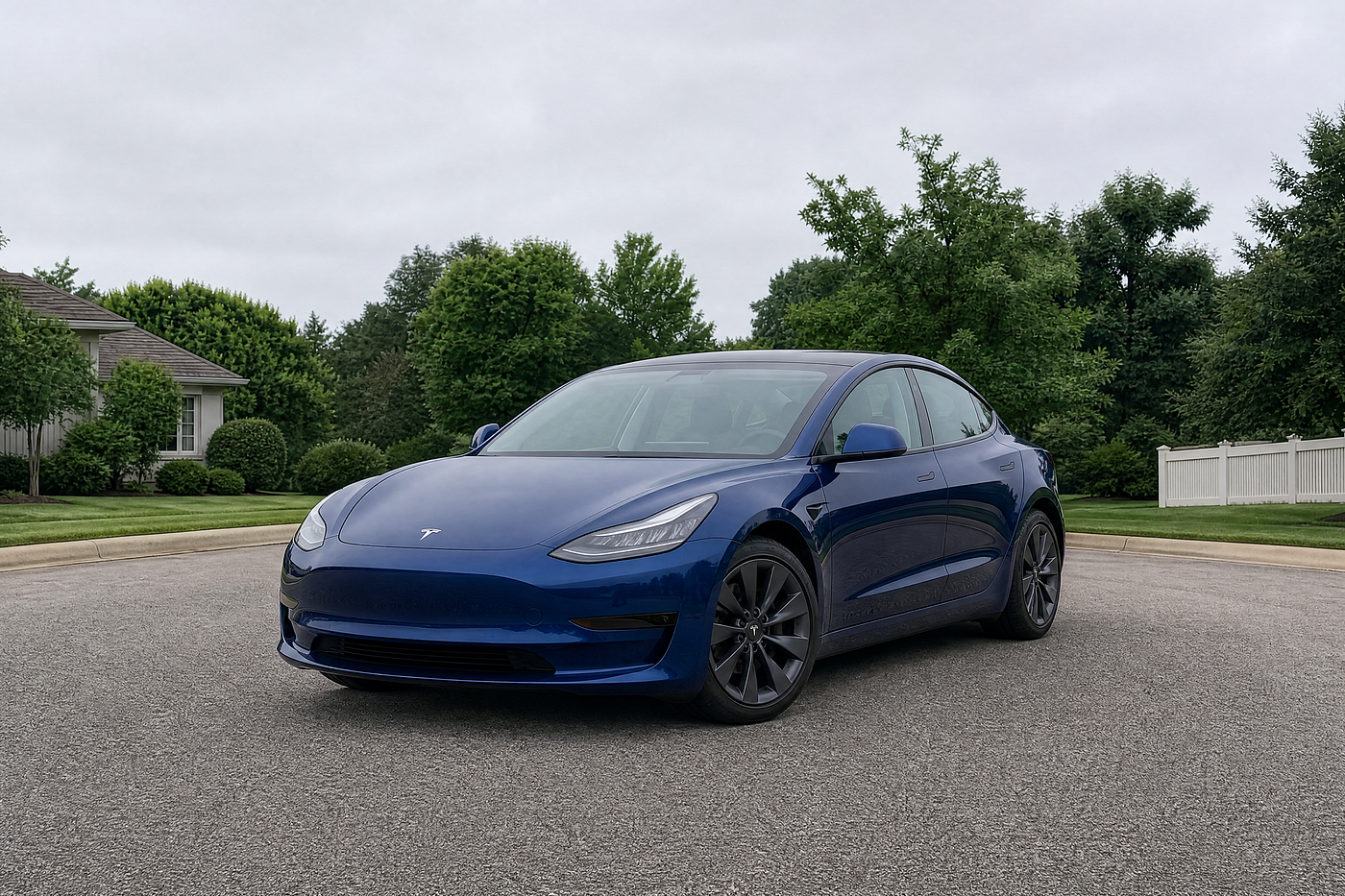
A couple of weeks ago I wrote about the Tesla that drove into a house in Katy, Texas at 73 miles an hour, and I argued the scariest part wasn’t the crash. It was who owns the memory of it. This week we got the answer - and it’s uglier than I expected.

The criminal case and the federal probe are running on separate tracks - for opposite reasons.
On July 1, prosecutors in Harris County charged the driver, Michael Butler, with manslaughter in the death of Martha Avila, the 76-year-old woman killed in her own home. And the thing that built the case against him was exactly the memory I’d been writing about.
According to the complaint, the car had been driving itself through the neighborhood on Full Self-Driving. Approaching a stop sign, Butler pressed the accelerator and overrode it. FSD flicked on the turn signal and started to steer left. He pressed the accelerator again and held it down - pedal to the metal for about six seconds - and sent the car straight into the cul-de-sac instead of turning. Prosecutors say he hit 73 miles an hour on a residential street.
They know all of that because the car remembered all of it. The pedal inputs, the steering, the exact moment the system tried to turn and the human overrode it. And then there’s his phone. Investigators pulled his search history and found things like “Tesla FSD not aggressive enough” and “FSD too timid.” A man annoyed that his car drove too carefully, flooring it past the one safeguard trying to slow him down.
Let me be precise here, because the precision is the whole point: this is a story about a person overriding the system, not the system failing. Butler was charged. Not FSD.
But it landed in the middle of a much bigger week for that system. Because while one Texas court decides what one driver owes, the federal government is deciding what Tesla owes for 3.2 million cars.
The bigger case, running in parallel
Back in March, NHTSA quietly upgraded its Full Self-Driving investigation to an Engineering Analysis, EA26002. An Engineering Analysis is the last step before the agency either drops the case or pushes for a recall. It covers roughly 3.2 million Teslas - essentially every FSD-equipped Model 3, Y, S, X and Cybertruck built since 2016.
And this concern is the opposite of Butler’s. It’s that the camera-based system can’t reliably see in glare, dust, or low visibility, and doesn’t warn you it’s gone blind until it’s nearly too late. NHTSA has tied nine incidents to it so far, one of them fatal.
The system that let Butler drive too aggressively is the same system a federal agency is investigating for driving too blindly.
Then this month two senators, Markey and Blumenthal, told NHTSA its patience should be running out. They called Tesla’s safety math “weak and misleading” and set a July 7 deadline for answers on whether the “safer than a human” claims even hold up.
What this means if you’re shopping for a used Tesla
So here’s where all of that lands if you’re not a headline reader but a used-car buyer - which is who I actually write for.
There are millions of used Teslas on the market with FSD, and every one of them is currently rolling around inside an open federal safety investigation that sits one procedural step from a recall. That’s not a reason to never buy one. It’s a reason to buy one with your eyes open.
Before you sign anything. Run the VIN through NHTSA’s free recall and investigation lookup. FSD’s legal status can shift while you own the car - recall risk moves in either direction, not just down.

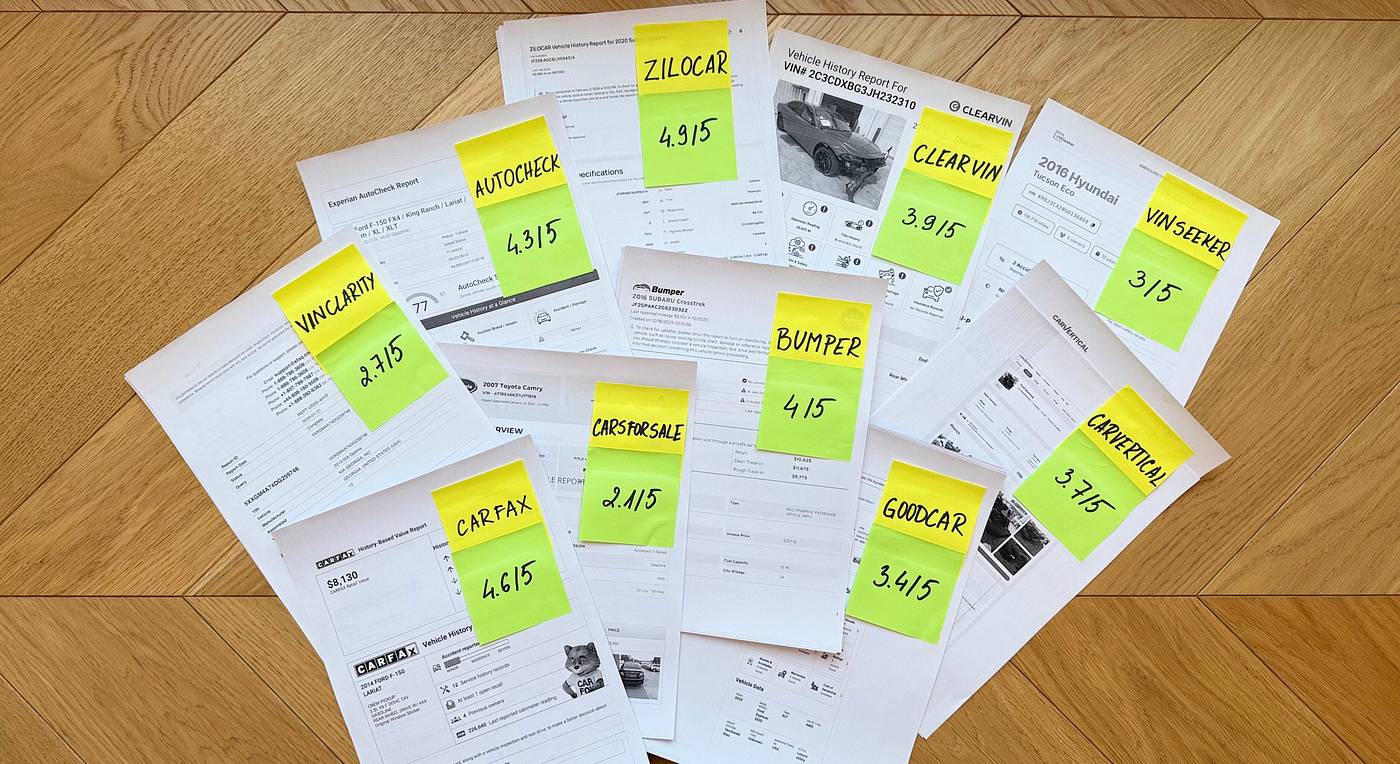
I keep a longer version of this checklist, updated as investigations like EA26002 move, at **Best Vehicle History Reports.**
The take
The deeper thing the Katy case exposes is the one I keep circling back to. When you buy a used car, you’re buying its story, and most of that story lives in data you don’t control and can’t see - held by the manufacturer, the DMV, the insurers. Butler found out the hard way that the car remembers everything. A used buyer should learn the friendlier version of the same lesson: the car knows more about itself than the seller ever will, and the record exists whether or not you go looking for it.
A couple of weeks ago the question was who owns the memory. The answer turns out to be: not you, not the seller, and in a Harris County courtroom right now, not the driver either. The car does. The only question left is whether you read it before you buy.
메타데이터
- post_id
- 98e68f0fedc7
- slug
- your-used-tesla-comes-with-an-open-federal-investigation-the-katy-case-shows-why-that-matters-98e68f0fedc7
- url
- https://medium.com/best-vehicle-history-reports/your-used-tesla-comes-with-an-open-federal-investigation-the-katy-case-shows-why-that-matters-98e68f0fedc7
- canonical_url
- https://medium.com/best-vehicle-history-reports/your-used-tesla-comes-with-an-open-federal-investigation-the-katy-case-shows-why-that-matters-98e68f0fedc7
- author_url
- https://medium.com/@johnvinreports
- status
- ok
- fetched_at
- 2026-07-10 06:45:42