Importance of Environmental Conservation Efforts
Source by The Kabul Times
Importance of Environmental Conservation Efforts
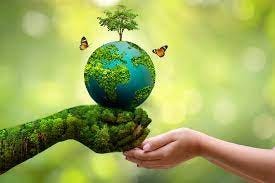
Source by The Kabul Times
Environmental conservation is crucial for protecting our planet and ensuring a sustainable future. It involves actions aimed at preserving natural resources, protecting ecosystems, and reducing the negative impact of human activities. As the world faces challenges such as climate change, deforestation, and biodiversity loss, the need for comprehensive conservation strategies has never been more urgent.
Why is Environmental Conservation Important?
Environmental conservation is essential to maintaining the balance of ecosystems. It helps preserve biodiversity, which is critical for the stability of ecosystems and human well-being. Healthy ecosystems provide services such as clean air, water, and fertile soil. These services are vital for life on Earth, and their loss could lead to devastating consequences for all species, including humans.
Moreover, conservation efforts help mitigate the impacts of climate change. By preserving forests and other natural habitats, carbon emissions are reduced. Forests act as carbon sinks, absorbing carbon dioxide and slowing global warming. Without active conservation, we risk exacerbating climate change, which can lead to extreme weather events and long-term environmental instability.
Protecting Natural Resources
Natural resources, such as water, forests, and minerals, are finite. Without sustainable practices, these resources will be depleted, leaving future generations with limited access to the essentials for life. Environmental conservation promotes the sustainable use of resources, ensuring that they are available for future generations.
Water conservation, for instance, is essential to prevent shortages. Deforestation, industrial pollution, and excessive water consumption threaten global freshwater supplies. By implementing conservation strategies, we can reduce waste, promote recycling, and protect water sources.
Biodiversity Conservation
Biodiversity conservation focuses on protecting different species and the habitats they depend on. The loss of a single species can disrupt ecosystems, affecting food chains and leading to further biodiversity decline. Protecting endangered species and preserving their habitats can restore ecological balance.
Conservation efforts such as creating protected areas, wildlife reserves, and national parks are vital. These measures safeguard ecosystems and provide a refuge for species at risk of extinction. Human activities such as deforestation and habitat destruction have pushed many species to the brink. Active conservation is needed to reverse this trend and maintain the delicate balance of life on Earth.
Climate Change and Its Effects
Climate change is one of the most pressing environmental challenges today. Rising global temperatures, melting polar ice, and increased extreme weather events are some of its visible effects. Environmental conservation is crucial in combating these changes by reducing greenhouse gas emissions and promoting practices that limit environmental degradation.
Forests play a key role in absorbing carbon dioxide, a major contributor to global warming. Protecting forests from deforestation and encouraging reforestation can significantly reduce carbon emissions. In addition, transitioning to renewable energy sources and adopting energy-efficient practices contribute to conservation and climate mitigation efforts.
Sustainable Land Use
Sustainable land use practices, such as responsible farming, reforestation, and urban planning, are vital for conservation. Agriculture, urban development, and mining are major drivers of habitat loss. However, through sustainable practices, we can meet human needs while preserving the environment.
For instance, sustainable agriculture techniques, like crop rotation and agroforestry, can improve soil health and reduce the need for harmful chemicals. Urban planning that incorporates green spaces and promotes sustainable infrastructure reduces the environmental impact of cities while improving the quality of life for residents.
Education and Awareness
One of the biggest challenges to conservation efforts is the lack of awareness about the importance of protecting the environment. Many people do not understand the environmental consequences of their actions. Education and awareness programs play a critical role in changing attitudes and behaviors towards conservation.
By educating the public, communities can become more engaged in conservation activities. Schools, organizations, and governments should prioritize environmental education to foster a culture of responsibility towards nature. When individuals are aware of the impact of their actions, they are more likely to adopt sustainable practices.
Role of Governments and Organizations
Governments and organizations have a crucial role in promoting environmental conservation. Policies and regulations that limit pollution, protect endangered species, and promote sustainable development are key to achieving long-term environmental goals. Additionally, international agreements, such as the Paris Agreement, are essential for global collaboration on climate action.
Non-governmental organizations (NGOs) also play a vital role. Many NGOs focus on raising awareness, lobbying for policy changes, and implementing conservation projects. Through their efforts, significant progress has been made in protecting endangered species, conserving natural habitats, and promoting sustainable practices worldwide.
Technological Advancements in Conservation
Technology has significantly advanced conservation efforts. Innovations such as satellite imaging, drones, and environmental monitoring systems help track deforestation, monitor wildlife, and assess the health of ecosystems. These tools provide valuable data that inform conservation strategies and enable more effective protection of natural resources.
Renewable energy technologies, such as solar and wind power, reduce reliance on fossil fuels and lower carbon emissions. The adoption of these technologies is essential for transitioning to a more sustainable, low-carbon economy. Additionally, innovations in waste management, recycling, and water conservation contribute to the broader goal of environmental conservation.
Economic Benefits of Conservation
Conservation is not only beneficial for the environment but also for the economy. By adopting sustainable practices, businesses can reduce costs and improve efficiency. Energy-efficient technologies and waste reduction strategies, for example, can lower operational expenses.
Moreover, eco-tourism is an industry that thrives on environmental conservation. Many countries generate significant revenue by attracting tourists to visit natural reserves, parks, and wildlife sanctuaries. By preserving natural beauty and biodiversity, eco-tourism supports local economies and creates jobs while promoting conservation.
Overcoming Challenges in Conservation
Despite the many benefits of environmental conservation, several challenges hinder progress. Conflicting interests between economic development and environmental protection often lead to resistance to conservation efforts. Additionally, weak governance, corruption, and inadequate enforcement of environmental regulations make it difficult to achieve conservation goals.
To overcome these challenges, collaboration between governments, businesses, and communities is essential. Stronger enforcement of environmental laws, increased funding for conservation projects, and the promotion of sustainable development are crucial steps. By addressing these barriers, we can make significant progress towards protecting the planet.
Conclusion
The importance of environmental conservation cannot be overstated. It is vital for preserving biodiversity, combating climate change, and ensuring the sustainable use of natural resources. Conservation efforts benefit both the environment and human societies, providing a foundation for a healthier, more sustainable future.
To achieve these goals, everyone must play a part. Governments, businesses, organizations, and individuals all have a role in promoting conservation. Through education, sustainable practices, technological innovation, and global collaboration, we can protect the planet for future generations. Now is the time to act and make a lasting impact on the environment.
메타데이터
- post_id
- 991eec3d95b9
- slug
- importance-of-environmental-conservation-efforts-991eec3d95b9
- url
- https://medium.com/@mehfoozaaslam40/importance-of-environmental-conservation-efforts-991eec3d95b9
- canonical_url
- https://medium.com/@mehfoozaaslam40/importance-of-environmental-conservation-efforts-991eec3d95b9
- author_url
- https://medium.com/@mehfoozaaslam40
- status
- ok
- fetched_at
- 2026-06-09 15:37:30