Spray Foam Insulation Service in SD: Benefits, Costs & Installation Guide for 2026
There’s a moment most South Dakota homeowners know all too well. You crank up the furnace on a bitter January morning, wait twenty minutes…
Spray Foam Insulation Service in SD: Benefits, Costs & Installation Guide for 2026
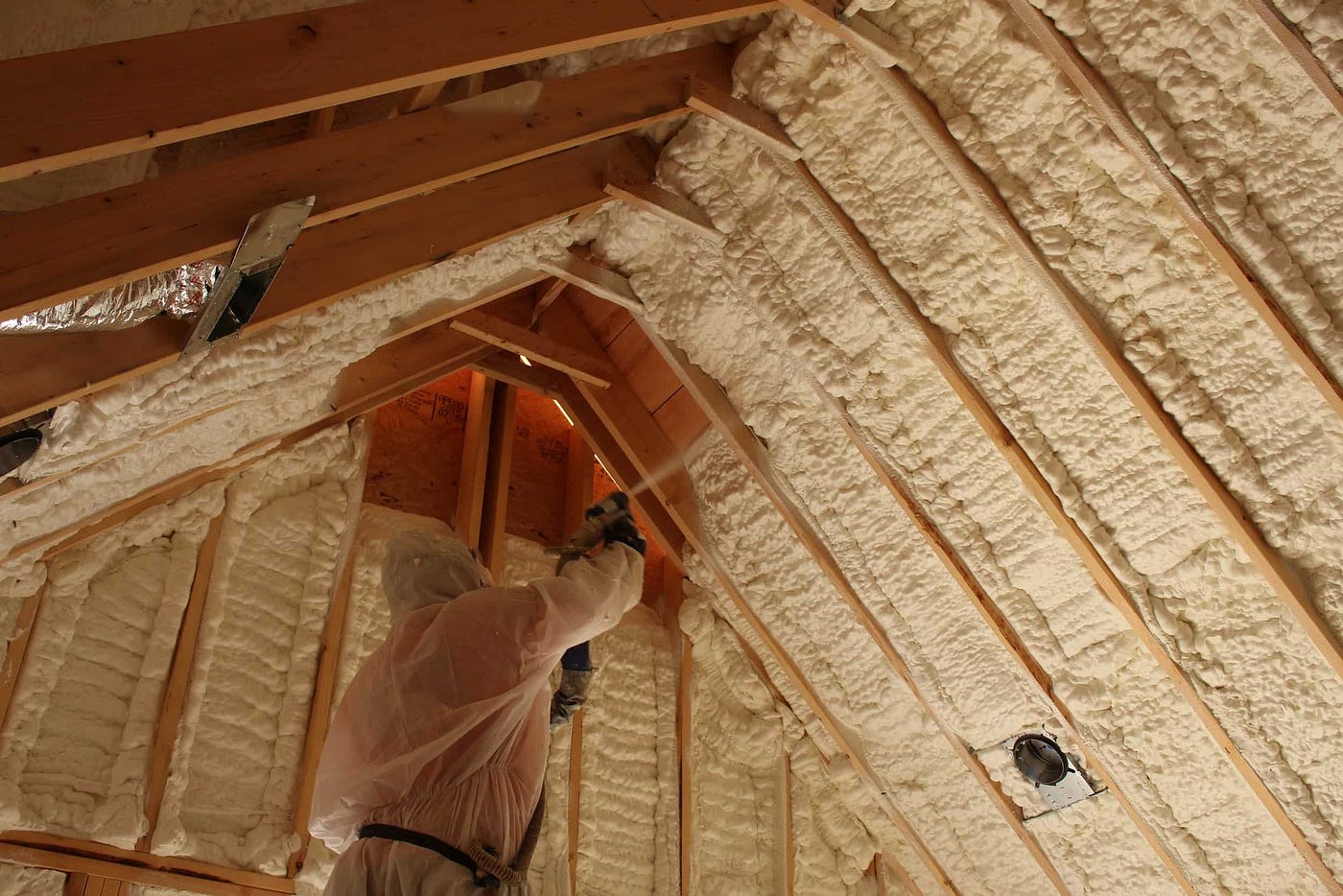
There’s a moment most South Dakota homeowners know all too well. You crank up the furnace on a bitter January morning, wait twenty minutes, and still feel that cold draft creeping under the door. You check the windows. They look fine. So why does your energy bill keep climbing every single month?
The answer, more often than not, is hiding inside your walls, attic, and crawl space. Gaps, cracks, and poorly sealed cavities let conditioned air escape and outdoor air flood in, making your heating and cooling system work twice as hard for half the comfort. It’s frustrating, and honestly, it’s expensive.
This is exactly why so many homeowners and contractors across the region are turning to professional **Spray Foam Insulation Service in SD**. It’s not just another home improvement trend. It’s a practical, science-backed solution that addresses the root causes of energy loss rather than just masking the symptoms.
In this guide, you’ll get a clear, honest breakdown of how spray foam works, what it actually costs, how installation goes, and whether it’s the right fit for your home in 2026.
What Is Spray Foam Insulation and Why Is It Different?
Most people have seen the pink batts of fiberglass rolled into attic floors. It’s familiar, it’s affordable, and for decades it was the default choice. But fiberglass has a significant limitation: it only slows heat transfer. It doesn’t stop air movement.
Spray foam is fundamentally different. It’s a two-component liquid mixture that expands on contact and hardens into a solid foam material. That expansion is the magic. The foam fills every crack, corner, and void it touches, creating a seamless thermal and air barrier at the same time.
There are two main types you’ll encounter:
**Open-cell spray foam** is lighter and softer. It expands significantly after application, making it ideal for larger interior wall cavities and attic spaces. It has a lower R-value per inch compared to its counterpart, but it’s more cost-effective for projects where depth isn’t limited.
**Closed-cell spray foam** is denser, more rigid, and offers a higher R-value per inch. It also acts as a vapor barrier, which is particularly valuable in South Dakota’s climate where temperature swings are dramatic and moisture management matters. For crawl spaces, rim joists, and exterior walls, closed-cell is often the preferred choice.
Both types outperform traditional insulation when it comes to air sealing, which is where a significant portion of energy loss actually happens.
Why South Dakota’s Climate Makes This Especially Important
South Dakota is not a mild climate. Winters in Sioux Falls, Rapid City, Aberdeen, and surrounding communities can see temperatures plunge well below zero. Summers bring their own challenges with heat and humidity in the eastern half of the state.
That kind of thermal stress puts constant pressure on a building envelope. When insulation isn’t tight, every opening in a home becomes a pathway for energy to escape. Air leakage accounts for a surprisingly large portion of heating and cooling costs in older homes, sometimes more than 30 percent.
A quality Spray Foam Insulation Service in SD addresses this directly. Because spray foam adheres to surfaces and expands into irregular shapes, it eliminates the gaps that batts and blown-in insulation can’t fully address. Over time, that tighter seal means lower utility bills, a quieter home, fewer drafts, and less strain on your HVAC equipment.
For homes near farming operations or along busy highways, there’s another benefit worth mentioning: spray foam also reduces sound transmission, making interior spaces noticeably quieter.
Breaking Down the Cost: What to Budget in 2026
Let’s be honest about something. Spray foam costs more upfront than fiberglass or cellulose. That’s true, and there’s no point pretending otherwise. But the way to evaluate it isn’t by the upfront cost alone. It’s by what you get back over time.
Here’s a realistic cost breakdown for South Dakota homeowners in 2026:
Open-cell spray foam typically runs between $0.44 and $0.65 per board foot installed. A board foot is one square foot of coverage at one inch of thickness. For a typical attic application of 1,000 square feet at five inches, you’re looking at roughly $2,200 to $3,250.
Closed-cell spray foam is more expensive, usually between $1.00 and $1.50 per board foot. That same 1,000 square feet at three inches of closed-cell would run approximately $3,000 to $4,500.
Whole-home spray foam projects that include attics, crawl spaces, rim joists, and wall cavities can range from $5,000 to $15,000 or more depending on the size and complexity of the structure.
Those numbers sound significant, and they are. But consider the other side of the ledger. Many homeowners report 30 to 50 percent reductions in monthly energy costs after spray foam installation. When your heating bill drops by $150 a month, a $6,000 investment pays itself back in just a few years, and the foam keeps performing for the life of the building.
Additionally, some utility companies in South Dakota offer rebates for energy efficiency upgrades, and federal tax credits under the Inflation Reduction Act may apply to certain insulation improvements. It’s worth checking with your installer and a tax professional to understand what incentives are available to you.
The Installation Process: What to Expect Step by Step
One thing that catches homeowners off guard is how involved proper spray foam installation actually is. It’s not a weekend DIY project. The chemicals involved require specialized equipment, training, and safety gear. Here’s how a professional installation typically unfolds.
Step 1: Assessment and Planning A qualified contractor will walk through your home and identify the areas of greatest energy loss. They’ll discuss the project scope with you, recommend foam type and thickness for each location, and provide a detailed estimate.
Step 2: Preparation Before foam is applied, the area needs to be cleared and protected. Surfaces need to be dry and within an acceptable temperature range for proper adhesion and curing. Installers will mask off areas that shouldn’t receive foam.
Step 3: Application The two-component chemicals are heated and mixed at the spray gun tip. The installer applies the foam in controlled passes, building up thickness in layers. Proper technique matters here. Applying too much at once generates excessive heat and can cause issues with the final product.
Step 4: Trimming and Inspection After the foam cures, excess material is trimmed and the installation is inspected to verify coverage, thickness, and adhesion.
Step 5: Cleanup and Ventilation Spray foam offgasses during installation and for a short period afterward. Professionals ensure proper ventilation and typically advise homeowners to stay out of treated areas for a period following application, usually several hours.
When you work with a reputable Spray Foam Insulation Service in SD, this process is handled with care and professionalism from start to finish.
What to Look for When Hiring a Spray Foam Contractor in South Dakota
Not all spray foam contractors deliver the same quality. Here are the things that genuinely matter when you’re evaluating your options.
Experience with local building codes. South Dakota has specific building codes around insulation and vapor barriers. A contractor who knows these codes will keep your project compliant and save you from headaches during future sales or inspections.
Product knowledge. There’s meaningful variation in spray foam products on the market. Ask your contractor what brands they use and whether those products have third-party testing and approval certifications.
Proper licensing and insurance. This is non-negotiable. Spray foam installation carries risk. Make sure your contractor carries liability insurance and workers’ compensation coverage.
References and reviews. Real feedback from real homeowners matters. Ask for references or look at verified review platforms to understand the contractor’s track record.
Written estimates. Any legitimate Spray Foam Insulation Service in SD will provide a detailed written estimate before work begins, outlining materials, labor, scope, and timeline.
Open-Cell vs. Closed-Cell: Making the Right Choice for Your Application
There isn’t a universal answer to which type is better. The right choice depends on where the foam is being applied and what you’re trying to accomplish.
For attic rafters and cathedral ceilings, open-cell foam is commonly used because depth is not typically limited and the cost per square foot is lower. Open-cell also allows some moisture to pass through, which some building scientists prefer for certain roof assemblies.
For crawl spaces, rim joists, and below-grade walls, closed-cell foam is generally recommended. Its rigidity adds structural value, and its low permeability helps manage moisture in these more vulnerable areas.
For exterior walls during new construction or a gut renovation, both types are used, with the choice depending on climate zone requirements for vapor control, available wall cavity depth, and budget.
A knowledgeable Spray Foam Insulation Service in SD will walk you through these considerations and make a recommendation based on your specific home, not just a one-size-fits-all formula.
Long-Term Value: More Than Just Energy Savings
It’s easy to focus on the energy bill reduction because it’s tangible and measurable. But spray foam insulation delivers other long-term benefits that deserve mention.
Moisture control reduces the risk of mold and rot in structural components. Tighter building envelopes improve indoor air quality by reducing infiltration of outdoor allergens and pollutants. Foam insulation doesn’t settle or degrade the way blown cellulose can over decades. And homes with documented energy efficiency improvements often command higher resale values.
For homeowners planning to stay in their homes for ten years or more, the case for spray foam becomes quite compelling when you factor in all of these dimensions together.
Conclusion: A Smart Investment for SD Homeowners Ready to Solve the Root Problem
Energy efficiency upgrades can feel overwhelming. There are a lot of options, a lot of competing claims, and a lot of contractors eager for your business. But when you cut through the noise, the case for spray foam insulation is built on solid fundamentals: it air seals and insulates simultaneously, it performs in extreme climates, and it lasts for the life of the building.
South Dakota homeowners dealing with uncomfortable rooms, high utility bills, drafty winters, and aging insulation have a genuine solution available to them. A professional **Spray Foam Insulation Service **in SD isn’t just a product; it’s an investment in the comfort, efficiency, and long-term health of your home.
If you’re considering spray foam in 2026, the best first step is a thorough energy assessment from a qualified local contractor. Get multiple quotes, ask the questions outlined in this guide, and make a decision based on your specific home and goals. The difference between a well-insulated home and a poorly insulated one isn’t just measured in dollars. It’s measured in how comfortable you feel every single morning when you wake up, no matter what the thermometer says outside.
메타데이터
- post_id
- 994d0c8f4b92
- slug
- spray-foam-insulation-service-in-sd-benefits-costs-installation-guide-for-2026-994d0c8f4b92
- url
- https://medium.com/@nesporcontractinginc/spray-foam-insulation-service-in-sd-benefits-costs-installation-guide-for-2026-994d0c8f4b92
- canonical_url
- https://medium.com/@nesporcontractinginc/spray-foam-insulation-service-in-sd-benefits-costs-installation-guide-for-2026-994d0c8f4b92
- author_url
- https://medium.com/@nesporcontractinginc
- status
- ok
- fetched_at
- 2026-06-24 18:57:25