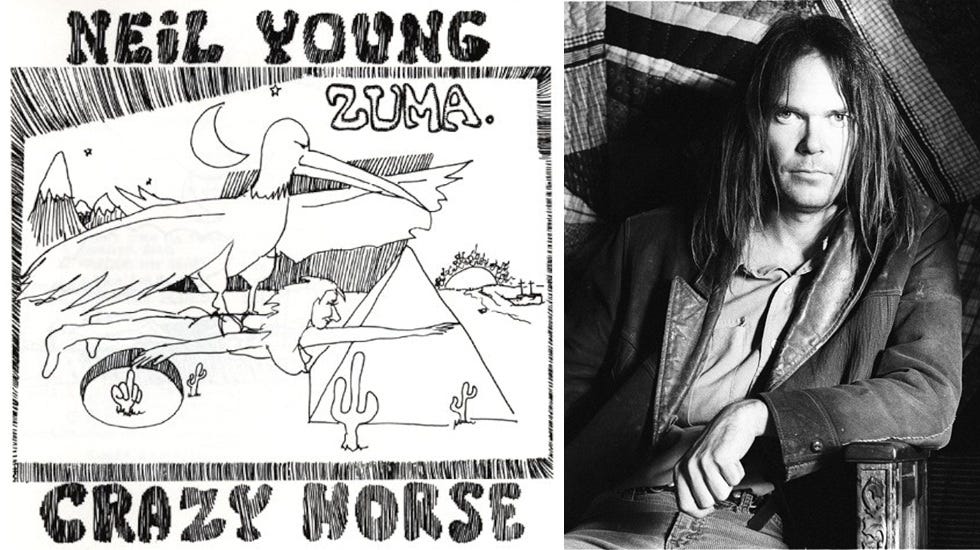
The Music Industry Revolutionary: How David Geffen Transformed the Business of Sound
Continuing our eight part series on the unsung heroes in the music business, this week we are focusing on a man who started from nothing to…
The Music Industry Revolutionary: How David Geffen Transformed the Business of Sound
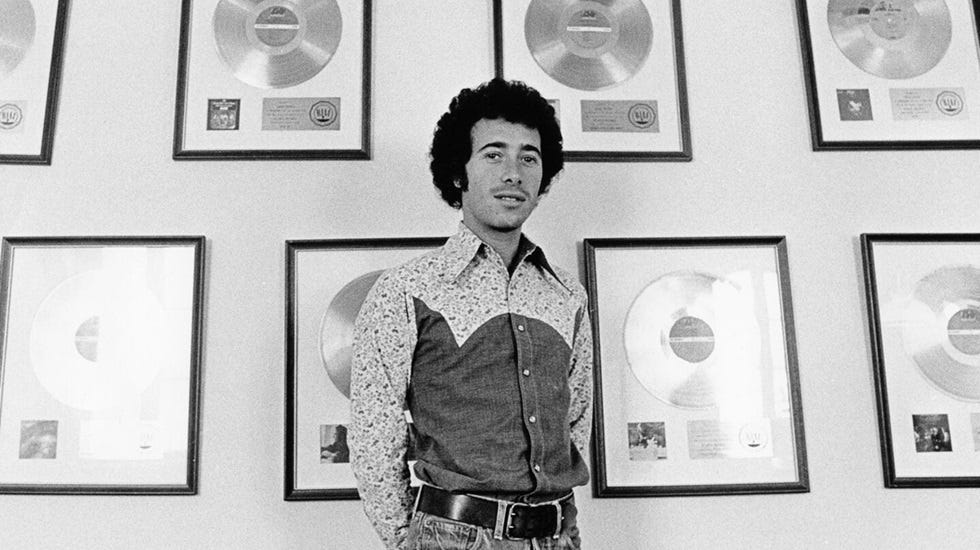
David Geffen
Continuing our eight part series on the unsung heroes in the music business, this week we are focusing on a man who started from nothing to become one of the music industry’s most powerful figures.
David Geffen’s rise from a Brooklyn mailroom clerk to one of the most influential figures in entertainment history represents one of the most remarkable success stories in American business. His impact on the music industry has been profound and far-reaching, fundamentally changing how the business operates and how artists are treated.
Beginning his career in the William Morris Agency mailroom, Geffen quickly demonstrated an exceptional ability to spot talent and build relationships. His first major success came as a talent agent, where he represented artists like Laura Nyro and Crosby, Stills & Nash. This early experience gave him crucial insights into the artist-management relationship that would later inform his revolutionary approach to running a record label.
In 1971, Geffen founded Asylum Records, which marked a significant departure from traditional record label operations. The label became known for its artist-friendly approach, offering creative freedom and better financial terms than were industry standard at the time. Asylum signed and developed artists who would become legends of the 1970s California sound, including Jackson Browne, the Eagles, and Joni Mitchell. Geffen’s innovative approach at Asylum included giving artists creative control over their music, offering more favorable royalty rates, providing strong marketing support while respecting artistic integrity, and creating a culture that attracted and retained top talent.
After selling Asylum and taking a brief hiatus, Geffen returned to found Geffen Records in 1980. The new label became even more influential than its predecessor, signing and developing artists across multiple genres, from rock to pop to alternative music. Notable signings included Guns N’ Roses, Nirvana, Aerosmith, Elton John, Peter Gabriel, and Donna Summer. Under Geffen’s leadership, the label became known for taking risks on unconventional artists and supporting them through long-term development. This approach led to some of the most significant commercial and artistic successes of the 1980s and early 1990s.
Geffen’s influence extended beyond artist relations to fundamental business practices. He pioneered new types of recording contracts that gave artists more control over their work and a larger share of profits, forcing other labels to compete by offering better terms to their artists. Geffen Records was among the first to fully integrate MTV and music videos into their marketing strategies, understanding early on how visual media would transform the industry. Unlike many labels focused on quick hits, Geffen invested in long-term artist development, often supporting acts through multiple albums before they achieved commercial success.
David Geffen’s impact on the music industry continues to resonate today in numerous ways. His emphasis on artist-friendly deals helped shift the power dynamic between labels and musicians, leading to more equitable industry practices. His willingness to take risks on unproven artists and focus on long-term development influenced how labels approach talent acquisition and development. His understanding of entertainment as a broader ecosystem, spanning music, film, and theater, helped create the modern entertainment conglomerate model. Many of the business practices he pioneered became industry standards, from contract structures to marketing approaches.
David Geffen’s influence on the music industry extends far beyond his direct business success. By prioritizing artist development, fair treatment, and creative freedom, he helped establish new standards that continue to influence how the music business operates today. His legacy serves as a blueprint for combining artistic integrity with commercial success, demonstrating that treating artists well can be both ethically and financially rewarding. His career demonstrates how one individual’s vision and principles can transform an entire industry, creating lasting change that benefits both artists and the business as a whole. As the music industry continues to evolve in the digital age, many of Geffen’s fundamental principles about artist respect and long-term development remain relevant and influential.
메타데이터
- post_id
- 9990ea75ecd6
- slug
- the-music-industry-revolutionary-how-david-geffen-transformed-the-business-of-sound-9990ea75ecd6
- url
- https://medium.com/@themadmusicasylum/the-music-industry-revolutionary-how-david-geffen-transformed-the-business-of-sound-9990ea75ecd6
- canonical_url
- https://medium.com/@themadmusicasylum/the-music-industry-revolutionary-how-david-geffen-transformed-the-business-of-sound-9990ea75ecd6
- author_url
- https://medium.com/@themadmusicasylum
- status
- ok
- fetched_at
- 2026-06-09 15:37:30