How to Build a Gojek Clone in 2026: The Steps Nobody Tells You About
Every step-by-step guide to building a Gojek clone follows the same sequence.
How to Build a Gojek Clone in 2026: The Steps Nobody Tells You About
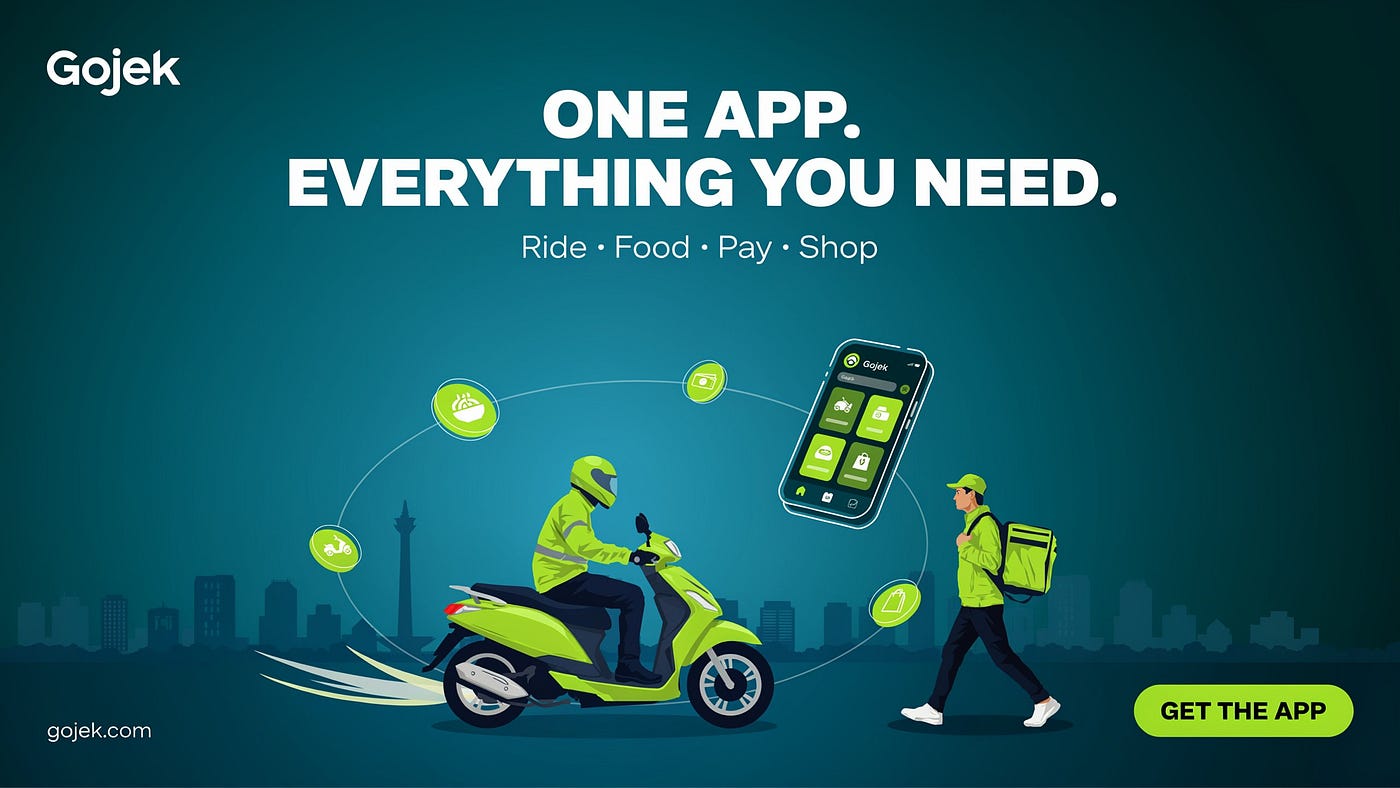
Every step-by-step guide to building a Gojek clone follows the same sequence.
Market research. Tech stack. UI/UX design. Development. Launch.
Generic. Interchangeable. Could have been written for any app in any category in any year.
Here’s what none of them tell you: most Gojek clones don’t fail at the development step. They fail at the decision steps that happen before development starts the ones every guide skips because they’re harder to package into a neat numbered list.
This is the founder’s version. Decisions first. Features second.
A Gojek clone isn’t a development project. It’s a market entry strategy with an app attached. Get the strategy wrong and the best-built app in the world becomes an expensive lesson.
Step 1: Pick One Service. Not Twenty.
Gojek offers 20+ services today. It launched with four GoRide, GoSend, GoShop, GoFood.
Most clone founders read that as permission to launch everything simultaneously. It’s the opposite of the lesson.
Gojek added services one by one as each previous service reached density in its core market. By the time GoFood launched, GoRide already had millions of users who trusted the platform with their daily commute. Each new service borrowed trust from the last.
You don’t have that trust bank yet.
Pick one service the one where you can achieve supply density fastest in your target city. Ride-hailing if your market has a documented driver shortage and price-sensitive commuters. Food delivery if there’s a documented gap between restaurant quality and delivery options. Home services if your city has fragmented, unreliable offline alternatives.
Launch that one service until 70% of your orders are fulfilled within the expected time window. That’s density. That’s when you add the second service.
Step 2: Solve the City Before You Think About the Country
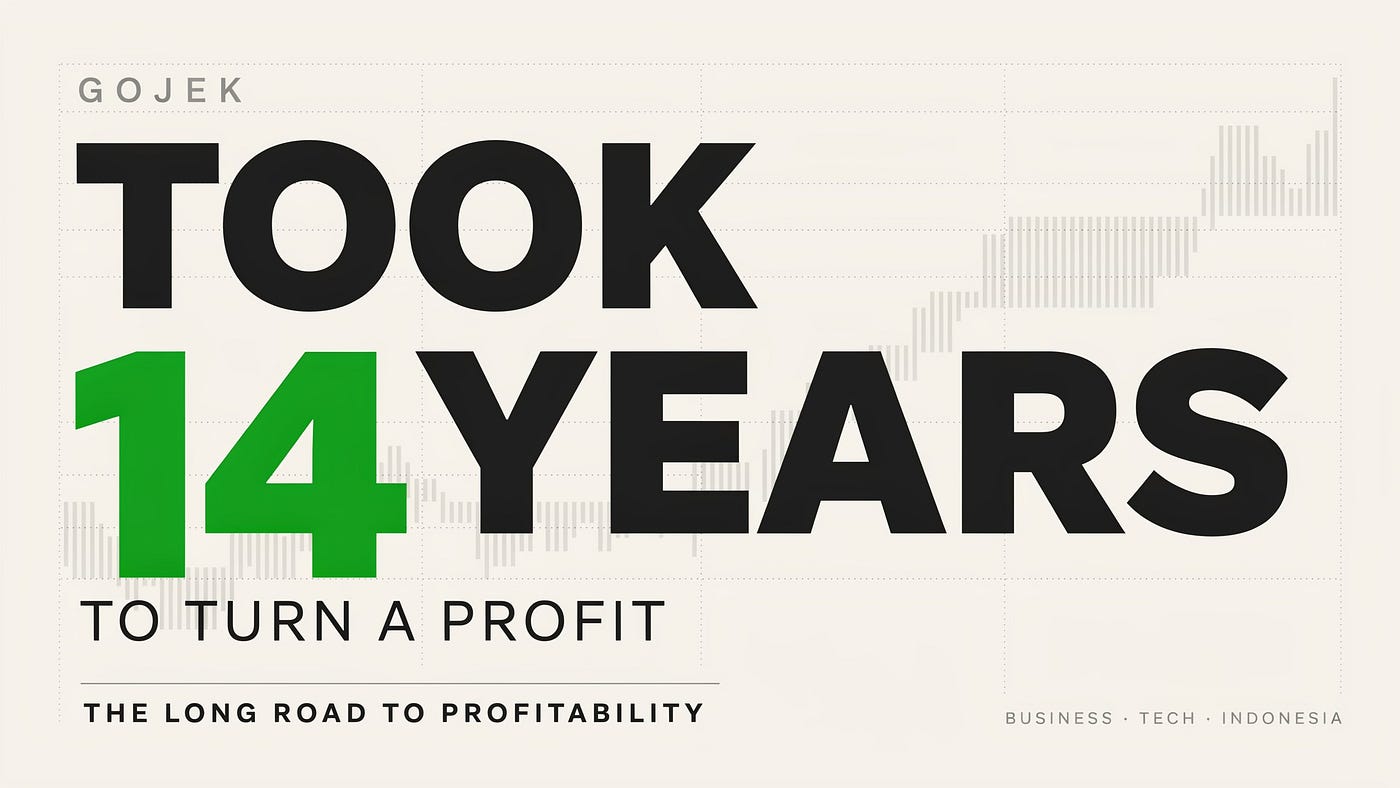
GoTo Group Gojek’s parent company posted its first-ever net profit in Q1 2026. After 14 years.
The path to that profit wasn’t geographic expansion. It was the opposite. Gojek exited Thailand, the Philippines, Vietnam, and Singapore to focus exclusively on Indonesia its fortress market before returning to profitability.
A founder who launches a Gojek clone across three cities simultaneously is burning cash on supply acquisition, driver onboarding, customer support, and marketing in three places at once achieving density in none of them.
One city. One service. Achieve a 70% fill rate. Then expand.
The test is simple: can a user in your target city open your app at 8pm on a Tuesday and get a driver or a delivery within the promised window? If not, you don’t have a platform. You have a waiting room.
Gojek’s two-wheelers captured 63% of Indonesia’s ride-hailing market because motorbikes solve Indonesia’s specific traffic problem. What’s the equivalent in your city? The answer to that question is your entire product brief.
Step 3: Build vs. Buy | Make This Decision Before You Talk to Developers
This is the decision most founders make last. It should be made first.
Building a Gojek clone from scratch costs $80,000–$150,000 and takes 6–9 months. You’ll spend that time building features that already exist user registration, real-time tracking, payment escrow, driver dashboards, admin panels. None of that is your competitive advantage. All of it is available in a white-label script.
For a founder validating a single-city, single-service hypothesis, this is the only rational choice. Prove demand first. Build custom infrastructure for the things the market tells you specifically need to be different.
Oyelabs’ Gojek clone deploys in 7 days with full source code ownership which matters the moment your market demands a feature no generic script anticipated. A digital wallet tier for unbanked users. A B2B corporate booking module. A lending product layered on top of transaction history. Source code ownership means you build those features when your market earns them.
Driver Acquisition Is the Product
Your drivers are not a supply-side operational detail. They are the product your customers experience every single time they open the app.
Gojek has roughly 2 million driver-partners across Indonesian cities. That density a driver available within 4 minutes in most urban areas is what makes every other feature in the app worth using.
Before your app launches publicly, you need 30–50 committed drivers in your target city. Not registered. Committed meaning they’ve completed at least three test rides, understand the earnings structure, and have a reason to prefer your platform over alternatives.
How to get there: direct outreach through driver WhatsApp groups and local transport associations. Guaranteed minimum earnings for the first 30 days. Zero commission on their first 20 rides. Make the economics obviously better than whatever they’re doing now.
Step 5: The Wallet Is Not Optional
Gojek’s digital wallet processed over 500 million transactions in a single month in Q3 2025. Fintech revenue grew 55% year-on-year. For the first time, it posted a full-year adjusted EBITDA profit.
The on-demand services were the acquisition engine. The wallet was the profit engine.
It also creates the transaction history that when your platform reaches sufficient volume becomes the basis for micro-lending, BNPL, and financial services that your market’s banks aren’t providing. That’s where the margin lives. Not in the 15% commission on a $3 ride.
Final Takeaway

Every Gojek clone guide tells you what to build. Almost none tell you in what order or what kills the platform if you get the sequence wrong.
One service. One city. White-label first. Drivers before users. Wallet from day one.
That’s not a development roadmap. That’s the decision sequence that determines whether your platform is still operating in 18 months or quietly shut down with a lesson learned the expensive way.
메타데이터
- post_id
- 9a0227c4f4e5
- slug
- how-to-build-a-gojek-clone-in-2026-the-steps-nobody-tells-you-about-9a0227c4f4e5
- url
- https://medium.com/startup-insider-edge/how-to-build-a-gojek-clone-in-2026-the-steps-nobody-tells-you-about-9a0227c4f4e5
- canonical_url
- https://medium.com/startup-insider-edge/how-to-build-a-gojek-clone-in-2026-the-steps-nobody-tells-you-about-9a0227c4f4e5
- author_url
- https://medium.com/@myoyelabs
- status
- ok
- fetched_at
- 2026-07-13 06:23:13