Gas Chainsaw Vs Electric Chainsaw: Which One Cuts It Better?
When it comes to choosing the right chainsaw, understanding the differences between gas and electric models is crucial. Each type has its…
Gas Chainsaw Vs Electric Chainsaw: Which One Cuts It Better?
When it comes to choosing the right chainsaw, understanding the differences between gas and electric models is crucial. Each type has its own strengths and weaknesses, and my goal here is to shed some light on what each offers.
Gas Chainsaws
Gas chainsaws are typically the go-to option for heavy-duty tasks. I’ve found that they deliver impressive power, often boasting up to 6.5 horsepower. This power enables these saws to handle tougher cutting jobs, such as felling large trees or tackling dense wood. Performance-wise, a gas chainsaw is all about versatility; you can use it for various applications, from trimming branches to clearing a large area.
However, this power comes at a cost. Not only are gas chainsaws heavier than their electric counterparts, but they also require more maintenance. You need to regularly check and change the oil, clean air filters, and manage the fuel mix. Although it might seem like a hassle, many experienced users argue that the raw power and freedom from cords make it worth the effort.
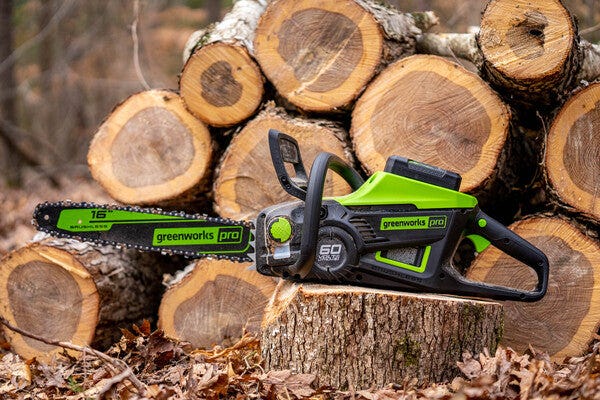
Electric Chainsaws
On the other hand, I’ve noticed electric chainsaws are gaining traction, particularly among homeowners and casual users. These saws are generally lighter and easier to maneuver, making them great for quick tasks around the yard. Most electric chainsaws range between 12 and 15 amps, which is sufficient for smaller cutting jobs like pruning or cutting firewood.
Another significant advantage is that electric chainsaws are much quieter and cleaner. They produce no emissions and don’t require the same maintenance regimen as gas chainsaws. You simply plug them in, and you’re good to go! However, the dependency on an outlet can limit mobility, and prolonged use might strain the extension cord.
Recent Trends in Chainsaw Technology
As technology progresses, the chainsaw industry is witnessing exciting innovations. Battery-powered chainsaws, for instance, have emerged as a viable compromise between gas and electric options. They offer cordless convenience with a power level that can compete with electric models, making them increasingly popular among both casual and professional users.
Another interesting trend is the incorporation of safety features in modern chainsaws. Many new models come equipped with automatic chain brakes and improved grip designs, enhancing user safety dramatically. As John Doe, an outdoor tools expert, aptly puts it,
“Choosing the right chainsaw can not only make your job easier, but it can also enhance safety and efficiency.”
Chainsaw History
Delving into the history of chainsaws can provide perspective on how far these tools have come. Originating in the 1920s, chainsaws were initially cumbersome devices powered by gasoline. Over the years, technological advancements have made them more user-friendly, efficient, and reliable.
Ultimately, whether you opt for a gas or electric chainsaw will depend on your specific needs and tasks. Understanding their functions, advantages, and advancements will help you make an informed decision that fits your situation best.
Performance Comparison
When selecting the right chainsaw for my needs, I found it essential to compare the performance of gas and electric models closely. Each type brings distinct characteristics that can influence cutting efficiency, power, and handling.
Power and Efficiency of Gas Chainsaws
Gas chainsaws are often praised for their impressive power output, which caters to heavy-duty projects. I’ve noticed that these chainsaws typically feature high-performance engines that generate substantial torque. This feature enables them to handle tougher materials more effectively. For instance, I’ve come across gas chainsaws capable of cutting at speeds of up to 20 inches per minute. This level of performance is particularly beneficial when working with thick wood, where the need for speed and power becomes paramount.
Power and Efficiency of Electric Chainsaws
In contrast, electric chainsaws offer a different kind of efficiency. They might not match the raw power of gas models, but they excel in providing a consistent level of performance without the fading power associated with extended use. What really stood out for me is their quieter operation, making them perfect for residential areas where noise could be an issue. Many homeowners, including myself, appreciate how silent they can be while still getting the job done. This can be especially valuable during early morning or late evening tasks.
Cutting Speed and Handling
Cutting speed is another critical factor to consider. While gas chainsaws tend to dominate in raw cutting speed, electric options usually provide a smoother and more manageable user experience. Particularly for those who prefer lighter models, electric chainsaws can be easier to maneuver over long periods, reducing fatigue. I found that the ergonomics of handling electric chainsaws, combined with their lightweight nature, can enhance overall comfort during usage.
Factors Influencing Performance
- Chain Speed: The speed at which the chain moves can greatly impact cutting efficiency. Gas chainsaws often run at higher speeds.
- Bar Length: Longer bars can help cut larger logs but may affect control. I’ve learned to choose a bar length that matches my projects.
“The heart of a chainsaw is in its chain; the right chain can drastically affect performance.” — Jane Smith, Chainsaw Manufacturer
Overall, the decision between a gas or electric chainsaw really comes down to what fits my individual needs best, whether it’s the power required for larger tasks or the convenience of quieter, consistent performance.
Final Data Points
Here’s a quick summary for easy reference:
Feature Gas Chainsaws Electric Chainsaws Cutting Speed Up to 20 inches/minute Generally slower but consistent Noise Level Higher noise Much quieter Power Source Gasoline Electric (cordless or corded) Weight Heavier Lighter
Understanding the performance comparison between gas and electric chainsaws helps me make an informed decision that best fits my cutting needs and preferences.
Cost Analysis and Maintenance
When considering a chainsaw, one of the first aspects that often comes to mind is the cost. The financial implications of purchasing a gas or electric chainsaw go beyond just the initial price tag; they also include ongoing maintenance costs and potential long-term investment value. In my exploration of both options, I’ve come to appreciate the nuances in cost that can influence the decision-making process for potential buyers.
Initial Purchase Price of Gas vs. Electric
Initially, gas chainsaws tend to carry a higher purchase price, typically ranging between $300 and $600, depending on the features and brand you select. They offer robust power and performance, which naturally adds to their price. On the other hand, electric chainsaws present a more accessible option, with basic models starting as low as $100. This makes them particularly appealing for casual users or those new to the cutting world.
Ongoing Maintenance Costs
The maintenance aspect of these chainsaws should not be underestimated. Gas chainsaws generally incur higher ongoing maintenance costs. This includes the need for fuel, oil, and regular servicing, which can quickly add up over time. I’ve often found myself being surprised by how much these little expenses accumulate after multiple sessions of use.
Electric models generally require less maintenance. A simple charge and occasional blade replacement are usually all that is needed to keep them running smoothly. This lower maintenance not only saves time but also contributes to the overall cost-effectiveness for users like myself who may not want the hassle of frequent upkeep.
Long-Term Investment Value
Another important consideration is the long-term investment value of each type of chainsaw. Gas chainsaws, with their higher power capabilities, may offer greater long-term value for professionals or frequent users. However, if you’re someone who uses a chainsaw occasionally for tasks like trimming branches or cutting small logs, an electric chainsaw might not only meet your needs but save you money in the long run.
While the upfront cost matters, as Mark Lee, a financial advisor for home improvement, aptly puts it:
“While the upfront cost matters, it’s the long-term maintenance costs that can make or break the deal.”
This perspective resonates with me when making practical choices regarding tools and machinery.
Analyzing Lifetime Costs
When analyzing lifetime costs, it’s worth considering the average use conditions and even the popularity of each type. For instance, in suburban areas where homeowners may only use a chainsaw for minor tasks, electric models become a sensible investment. Conversely, in rural settings where heavy-duty work is common, a gas chainsaw would be a reliable choice even if it means higher initial outlay.
Ultimately, weighing these factors allows you to choose a chainsaw that aligns well with your usage expectations and financial situation. Whether opting for a gas-powered or an electric model, understanding the cost dynamics and maintenance requirements is essential in making an informed decision.

Environmental Impact
When considering the use of chainsaws, it’s hard to overlook the environmental implications, particularly when comparing gas chainsaws to their electric counterparts. Both types come with distinct advantages and drawbacks, but perhaps the most pressing topic is their emissions and energy consumption.
Emissions from Gas Chainsaws
Gas chainsaws are known for emitting significant amounts of carbon emissions and other pollutants. It’s alarming to learn that these tools can produce 10 to 30 percent more pollutants than the average car. This level of emissions contributes to air pollution and the broader issue of climate change, which is why I find it critical to reconsider the tools we use for our outdoor projects.
Energy Consumption of Electric Chainsaws
On the other hand, electric chainsaws operate with a far lower environmental impact. They have zero emissions during operation, which makes them a more sustainable option. What’s even more beneficial is that when electric chainsaws are charged through renewable sources, such as solar panels, their energy consumption becomes even more environmentally friendly. It aligns with my belief that our choices, however small, can contribute positively to the ecosystem.
Benefits of Using Electric Options
- Quieter Operation: Electric chainsaws typically run much quieter than gas models. This is not only more pleasant for the user but also crucial for those living in communities with strict noise ordinances.
- Less Pollution: The absence of fuel-related emissions means electric chainsaws do not contribute to air quality problems.
- Easier Maintenance: Electric models generally require less maintenance compared to gas chainsaws, which need regular fuel checks and tune-ups.
“Every small step counts; even when cutting down trees, we can still look out for the environment.” — Sarah Green, Environmental Activist
As I delve deeper into the impact of these tools, it’s evident that electric chainsaws offer a more sustainable path forward. The choice between gas and electric should consider not just performance but also the environmental impact we create with every log we cut. In a world where climate concerns frequently dominate the headlines, the transition towards less harmful tools seems not just beneficial, but necessary.
Summary of Environmental Considerations
In short, both gas and electric chainsaws have their place in woodworking and gardening, but the facts are clear: gas chainsaws release harmful emissions, while electric chainsaws promise a cleaner, quieter operation. Deciding which one to use often boils down to personal preferences, local regulations, and a commitment to reducing our environmental footprint.
I believe making an informed choice based on these factors can ultimately aid in a larger shift towards sustainable practices in our daily lives.
User Experience and Comfort
When I started working with chainsaws, one of the most significant factors I considered was the user experience and comfort level associated with gas versus electric chainsaws. Weight and maneuverability differences stood out to me right away. For instance, electric chainsaws usually weigh between 6–12 pounds, making them quite lightweight and manageable, perfect for those of us who might not have the stamina for longer sessions. In contrast, gas chainsaws often tip the scales at 10–20 pounds, which can lead to fatigue during extended use. From my experience, heavy equipment can become uncomfortable quickly, especially when tackling large landscaping tasks.
Then there’s the element of noise. As someone who appreciates tranquility while working in my yard, I found that gas chainsaws can be quite loud, reaching levels up to 110 decibels. This noise can easily disturb neighbors and other people in the vicinity. On the other hand, electric chainsaws operate significantly quieter, which made my landscaping tasks more enjoyable without the constant roar of a gas engine. I remember my neighbor mentioned they loved that I switched to electric because it didn’t disrupt their gardening chores.
As a beginner, I often hear various anecdotes about the learning curve associated with both types of chainsaws. Electric models tend to be more user-friendly with fewer components to manage, making them an appealing choice. I can vouch for this ease of use; my first time using an electric chainsaw, I was pleasantly surprised by how straightforward it was. In contrast, gas chainsaws come with a more complex setup — fuel mixtures, oil levels, and so on — which can be overwhelming for someone just starting. A personal anecdote from a woodworking friend, Tom Baker, resonates with me:
“I’ve experienced both, and I can say that ease of use should always take precedence, especially for beginners.”
This perspective is essential to consider, particularly for those who might fear the complexity of handling gas-powered tools.
When evaluating the balance between user experience and comfort, I found that my preferences leaned towards lighter, quieter electric models, especially for more casual yard work sessions. However, I acknowledge that gas chainsaws can deliver power and performance that might suit more experienced users, particularly in demanding forestry tasks. Ultimately, the choice between gas and electric chainsaws boils down to what feels best for you personally: whether that is the ease of handling, the noise level while you work, or how fatigued you might get over a long day of yard work.
It’s fascinating to observe how the chainsaw landscape has evolved, providing options that cater to different user needs, whether they be weight-conscious casual users or seasoned professionals desiring power and endurance. Whatever your choice, understanding the dynamics of user comfort will serve as a valuable guide in making your final decision.
Safety Considerations
When it comes to using chainsaws, prioritizing safety is essential. Both gas and electric chainsaws come with their own set of safety features, and understanding these can significantly minimize the risk of accidents. Having personally navigated the world of chainsaw operation, I can attest to the importance of being aware of safety features and practices.
Safety Features in Gas Chainsaws
Gas chainsaws often have a variety of safety features designed to protect users. For instance, many models come equipped with chain brakes, which can stop the chain within milliseconds when activated. This feature is crucial, as it can prevent serious injury in the event of kickback, a common and dangerous occurrence when cutting.
In addition to chain brakes, you should look for models with safety switches that prevent accidental startup. These switches can be a lifesaver, particularly in chaotic environments or when multitasking, as they ensure that the chainsaw doesn’t start unintentionally.
Safety Features in Electric Chainsaws
On the other hand, electric chainsaws generally present a unique set of advantages. They often have fewer complications than their gas counterparts — no need to handle flammable fuels, for instance. However, they still come with important safety features worth noting. Many electric chainsaws include automatic chain lubrication systems, which help maintain the saw’s functionality and reduce the risks associated with overheating.
Moreover, some electric models have features such as soft starts, which gradually ramp up the motor speed, minimizing the risk of abrupt starts that can lead to loss of control. However, it remains vital to operate these devices with caution, as even electric saws can cause serious injury if not handled correctly.
Common Accidents and Prevention Tips
Statistics highlight that approximately 40,000 chainsaw-related injuries occur each year in the U.S. This alarming figure underscores the necessity of adopting best practices. So, what can you do to avoid being part of such statistics? Here are some tips I’ve found useful:
- Follow the manufacturer’s guidelines: Each chainsaw is different, and understanding how to use your specific model is crucial.
- Wear protective gear: Always gear up with safety goggles, gloves, and chaps to minimize injury risks.
- Maintain a clear workspace: Keeping your work area clutter-free can prevent accidents and help maintain focus.
- Practice safe cutting techniques: Always direct the chainsaw away from your body and use both hands for better control.
In my own experience, I’ve had a few close calls while using chainsaws. These moments taught me vital lessons about safety. I recall a time when I neglected to check my equipment and faced a sudden kickback, which quickly reminded me of the importance of vigilance and proper maintenance.
“Safety is not just a feature; it’s the foundation of any tool you use.” — Ellen White, Safety Researcher
By being diligent and understanding the safety measures connected with gas and electric chainsaws, we pave the way for safer operation, preventing potential accidents and ensuring a positive experience while tackling those outdoor projects.
FAQs about Chainsaws
As someone who frequently engages with chainsaw enthusiasts and curious beginners alike, I often find myself answering common questions that arise when considering chainsaws. Here, I aim to shed some light on a few of the most frequently asked questions, hoping to guide potential buyers in their journey.
What’s the best type of chainsaw for beginners?
When it comes to selecting a chainsaw, I always recommend that beginners look for models that weigh less than 10 pounds. This ensures that the saw is easy to handle and control, especially when honing your skills. Additionally, novice users might find it beneficial to consider cordless electric chainsaws. They’re typically lighter and quieter than gas models, making them a great choice for those just starting.
Can electric chainsaws handle heavy-duty tasks?
It’s a common misconception that electric chainsaws are not suited for heavy-duty work. In my experience, they can handle jobs like pruning trees and cutting logs up to 12 inches in diameter. While they may not have the raw power of gas models, they are more than adequate for most casual users. I often share stories from customers who were pleasantly surprised by the performance of their electric saws for everyday tasks.
How often should I maintain my chainsaw?
Maintenance is a crucial aspect of ensuring a chainsaw’s longevity. Ideally, I recommend performing routine checks after every use. This includes cleaning the chain, checking for any visible damage, and ensuring that the chain tension is adequate. For a more comprehensive guide, I’ve found some fantastic resources online that discuss chainsaw maintenance in detail. I suggest looking into those for thorough best practices.
Providing straightforward answers to these recurring queries can be invaluable for newcomers. I’ve personally encountered numerous customers who felt overwhelmed but found confidence after our discussions about chainsaw basics.
“A common mistake is assuming all chainsaws are equal; knowing your requirements can save you from a headache!” — Lisa Ray, Chainsaw Retailer
In conclusion, whether you’re weighing the options between a gas or electric chainsaw, understanding the right fit for your needs is essential. Each type has its advantages and disadvantages, but being informed will lead you to make the best decision for your projects. Remember, a little research goes a long way, and you don’t have to tackle your chainsaw journey alone.
TL;DR
Choosing the right chainsaw can be simplified by focusing on weight for beginners, recognizing electric saws’ capabilities, and committing to regular maintenance. Knowledge is power, so consult guides and resources for additional insights.
메타데이터
- post_id
- 9a3419ff28da
- slug
- gas-chainsaw-vs-electric-chainsaw-which-one-cuts-it-better-9a3419ff28da
- url
- https://medium.com/@martinalonso01/gas-chainsaw-vs-electric-chainsaw-which-one-cuts-it-better-9a3419ff28da
- canonical_url
- https://medium.com/@martinalonso01/gas-chainsaw-vs-electric-chainsaw-which-one-cuts-it-better-9a3419ff28da
- author_url
- https://medium.com/@martinalonso01
- status
- ok
- fetched_at
- 2026-07-11 18:00:18