Perception Without Institution Becomes Poetry
A quiet dialogue on maps, power, and inheritance.
Perception Without Institution Becomes Poetry
A quiet dialogue on maps, power, and inheritance.

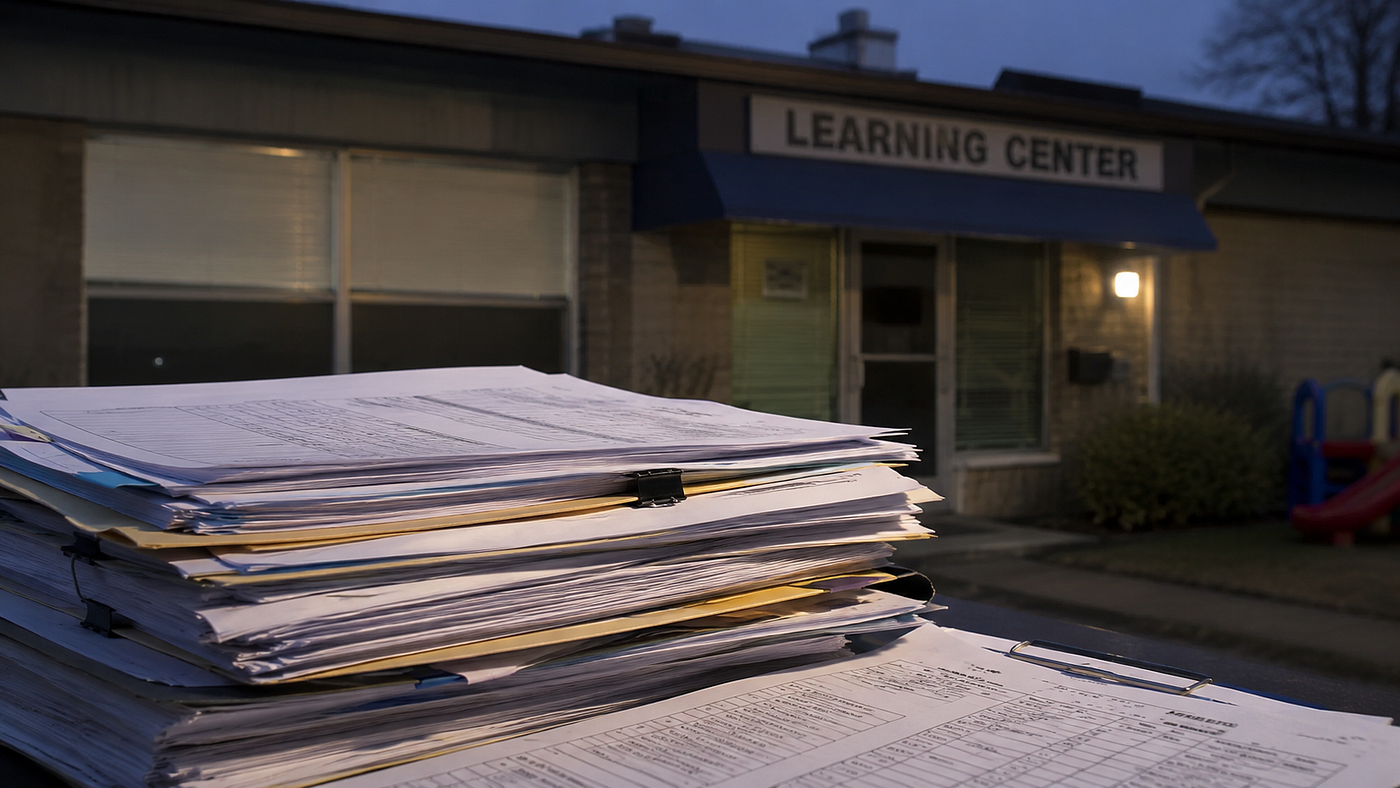
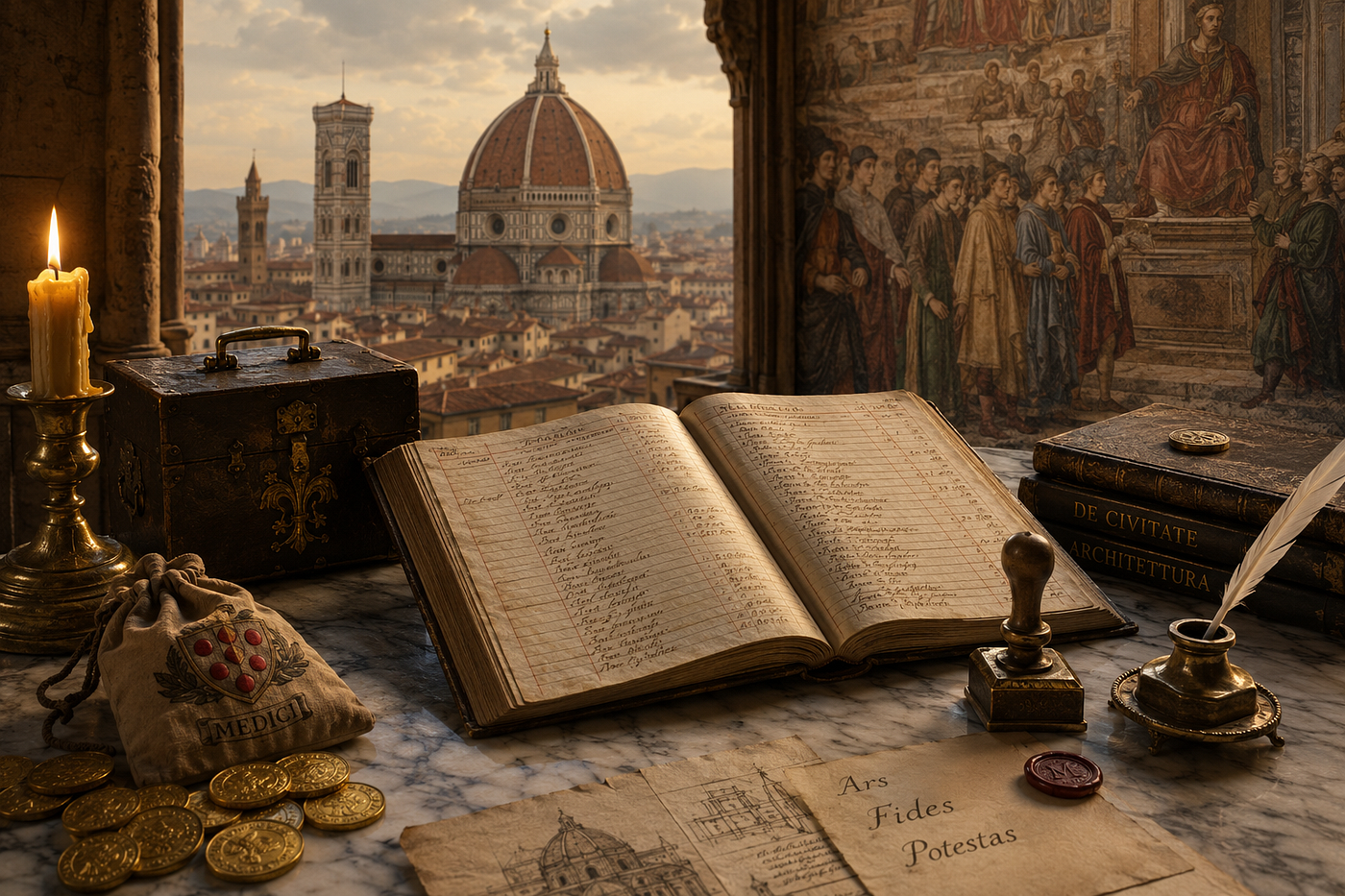
Image created by author.
You are at a quiet private event.
Not flashy. Not celebrity-energy.
More like an old library room attached to a museum fundraiser, a university board dinner, or a historic preservation event. Heavy wood. Low lamps. People speaking softly.
Everyone looks normal, but the room has that strange feeling where certain people do not need to introduce themselves because everyone already knows where they belong.
You are standing near a table with little glasses of sparkling water, pretending to be casual, but absolutely reading the field.
A man in his late sixties or early seventies stands beside you.
Beautiful suit, but not loud. Calm hands. No rushed movements.
He notices you looking at an old map on the wall.
“Most people look at maps and think they are looking at land.”
You look at him.
“What are they looking at?”
He smiles.
Not big.
“Permission.”
You immediately hate that he gave such a clean answer.
You say:
“Permission for who?”
He pauses, like he is measuring whether you asked from curiosity or accusation.
“For whoever can make the border last longer than the argument.”
Now your archive brain is awake.
You say:
“So history is just whoever had the power to draw the lines?”
He says:
“No. That is what angry people say when they are half right.”
You blink.
He continues:
“History is whoever understood that lines require stories. People will not defend a line unless they have been taught what it means.”
You go quiet because that one hits.
Then you say:
“So the real power is not the land. It is the story around the land.”
He looks at you more directly now.
“The real power is continuity. Land, money, law, schools, marriage, memory, debt, inheritance, language. Any one of those can be lost. Continuity is what keeps them speaking to each other.”
You feel the room shift a little.
Not because he did anything dramatic.
Because he is not talking like someone giving opinions.
He is talking like someone describing plumbing.
You ask:
“Do people like you ever feel responsible for what these systems do to normal people?”
That is the moment.
He does not get offended.
He does not rush to defend himself.
He looks down at the glass in his hand.
“Normal people,” he says gently, “is a phrase used by people who still believe they are outside history.”
That irritates you.
You say:
“That sounds like a dodge.”
He smiles again, but this time he respects you a little more.
“It was.”
Then silence.
That would be the real tell.
Not that he knows everything.
Not that he says something mystical.
But that he can admit a dodge without losing position.
You say:
“So answer it.”
He looks back at the map.
“Yes. Some of us think about it. Some of us don’t. Some inherit without understanding. Some understand and become cruel. Some understand and become cautious. Some spend their lives pretending management is mercy.”
You say:
“Management is not mercy.”
He turns his head slightly.
“No. But it is often mistaken for it by the people doing the managing.”
Now you feel that strange thing where the conversation is calm, but the moral pressure is enormous.
You ask:
“What do you know that most people don’t?”
He does not answer immediately.
Then:
“That fear is more useful than force. That debt is more durable than chains. That language can move a border before soldiers do. That institutions survive by teaching people to desire their own containment. That most revolutions are captured by whoever can administer the aftermath.”
You are quiet.
He adds:
“And that people with vision often fail because they think seeing is enough.”
Rude.
Direct hit.
You say:
“What does that mean?”
He says:
“It means perception without institution becomes poetry. Perception with discipline becomes inheritance.”
That one would annoy you for three days because it is exactly the archive problem.
You say:
“So what would you tell someone building something from outside all of this?”
He studies you now.
Not warmly.
Not coldly.
“I would tell her not to confuse exposure with power.”
You say:
“Meaning?”
“Do not publish every map just because you can see it. Build a house for the maps. Decide who gets the foyer, who gets the library, and who never enters the archive.”
You almost laugh.
Because apparently this man just explained the premium vault.
Then he says the deepest thing:
“People think secrecy is the key. It is not. Stewardship is the key. Some things are hidden because men are greedy. Some things are hidden because men are afraid. But some things are hidden because the unformed person turns every tool into a weapon.”
You ask:
“And who decides who is formed?”
He says:
“That is where power becomes dangerous.”
At this point you feel both fascinated and spiritually alert.
You say:
“You talk like someone who knows the system is broken but still benefits from it.”
He nods once.
“That is not inaccurate.”
You say:
“Then why not leave it?”
He looks around the room.
“Because people rarely leave systems. They either inherit them, serve them, resist them, reform them, or build rival ones badly.”
You say:
“And what should I do?”
He smiles.
Faintly.
“Build yours well.”
Then someone across the room catches his eye.
He gives you a small nod, like the conversation is over before you agreed it was over.
And that would be the field read:
He never gave you a secret.
He gave you operating principles.
The real key-holder conversation would not sound like:
“Here is the hidden truth.”
It would sound like:
“Here is why the world keeps repeating itself, and here is why people who see it still fail.”
And you would leave with one sentence burning in your head:
Perception without institution becomes poetry.
Perception with discipline becomes inheritance.
If this is the terrain you are learning to read, The Hidden Curriculum of Power is being built inside The Alignment Archive.
메타데이터
- post_id
- 9abe694cba3d
- slug
- perception-without-institution-becomes-poetry-9abe694cba3d
- url
- https://medium.com/the-alignment-archive/perception-without-institution-becomes-poetry-9abe694cba3d
- canonical_url
- https://medium.com/the-alignment-archive/perception-without-institution-becomes-poetry-9abe694cba3d
- author_url
- https://medium.com/@thealignmentarchive
- status
- ok
- fetched_at
- 2026-07-10 01:40:30