Effluent Treatment Plant: Why the Performance of Your Effluent Treatment Plant Isn’t Meeting…
An Effluent Treatment Plant (ETP) is a major investment that helps industries treat wastewater, meet regulatory requirements, and reduce…
Effluent Treatment Plant: Why the Performance of Your Effluent Treatment Plant Isn’t Meeting Expectations
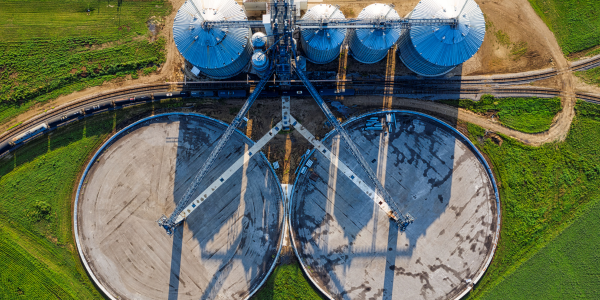
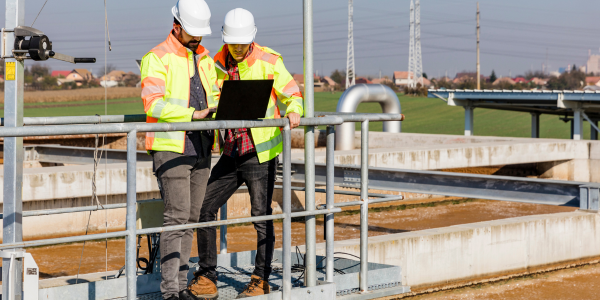
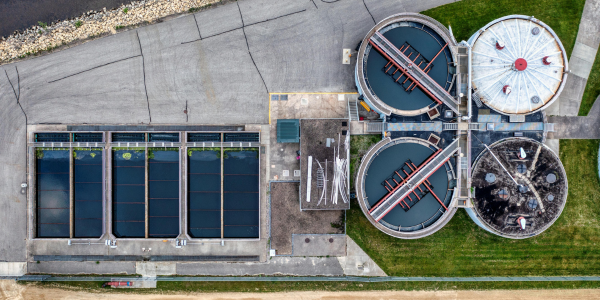
An Effluent Treatment Plant (ETP) is a major investment that helps industries treat wastewater, meet regulatory requirements, and reduce environmental impact. However, because an ETP relies on several mechanical, electrical, and biological processes working together, even a small fault can affect the plant’s overall performance.
Common ETP Problems
1. Blockages
Solid waste, sludge, grease, and unsuitable materials can block pipes and chambers. These obstructions reduce flow, strain pumps, and may eventually cause backups or system failure.
Prevention: Conduct regular inspections, remove sludge periodically, and prevent inappropriate waste from entering the system.
2. Pump Failures
Pumps move wastewater through each treatment stage. Mechanical wear, foreign objects, electrical faults, or incorrect pump sizing can interrupt the entire process.
Prevention: Service pumps regularly, inspect impellers, check electrical connections, and use correctly sized equipment.
3. Electrical Faults
Power failures, damaged wiring, faulty sensors, and control-panel problems can affect pumps, blowers, alarms, and monitoring systems.
Prevention: Schedule electrical maintenance, protect components from moisture, and provide reliable backup power.
4. Hydraulic Overloading
An ETP may underperform when wastewater flow exceeds its designed capacity. Rainwater ingress, groundwater infiltration, or increased production can contribute to overloading.
Prevention: Monitor flow rates, repair leaking pipes, separate stormwater, and upgrade capacity when required.
5. Biological Imbalance
Beneficial microorganisms break down organic pollutants. Harsh chemicals, low oxygen levels, temperature changes, and irregular plant usage can disrupt this biological activity.
Prevention: Control chemical discharge, maintain aeration systems, and regularly monitor biological parameters.
Early Warning Signs
Watch for:
- Unpleasant odours
- Slow wastewater flow
- Unusual sounds from pumps or pipes
- Standing water or visible overflow
- Frequent alarm activation
- Poor-quality treated effluent
- Higher electricity consumption
Early action can reduce repair costs, prevent environmental damage, and avoid prolonged downtime.
What to Do When Problems Occur
Start by checking the power supply, alarm panel, pumps, leaks, and recent operational changes. Reduce wastewater flow temporarily if the system is overloaded.
Professional assistance should be sought for sewage backups, visible overflows, electrical faults, repeated alarms, or persistent performance issues.
Why Choose Wipro Water?
Wipro Water provides expert support for effluent treatment plant operation, maintenance, troubleshooting, upgrades, and performance improvement. Our specialists identify hidden faults, recommend long-term solutions, and help plants operate efficiently while meeting regulatory and environmental requirements.
Read more: https://resources.wiprowater.in/blogs/why-your-effluent-treatment-plant-isnt-performing-as-expected/
메타데이터
- post_id
- 9ae548b75fc3
- slug
- effluent-treatment-plant-why-the-performance-of-your-effluent-treatment-plant-isnt-meeting-9ae548b75fc3
- url
- https://medium.com/@wiprowaterindia/effluent-treatment-plant-why-the-performance-of-your-effluent-treatment-plant-isnt-meeting-9ae548b75fc3
- canonical_url
- https://medium.com/@wiprowaterindia/effluent-treatment-plant-why-the-performance-of-your-effluent-treatment-plant-isnt-meeting-9ae548b75fc3
- author_url
- https://medium.com/@wiprowaterindia
- status
- ok
- fetched_at
- 2026-08-08 04:44:00