When Surfing Stops Feeling Like Surfing
What happened in Saquarema raises an uncomfortable question: can surfing continue to grow without losing the culture that made it unique?
When Surfing Stops Feeling Like Surfing
What happened in Saquarema raises an uncomfortable question: can surfing continue to grow without losing the culture that made it unique?
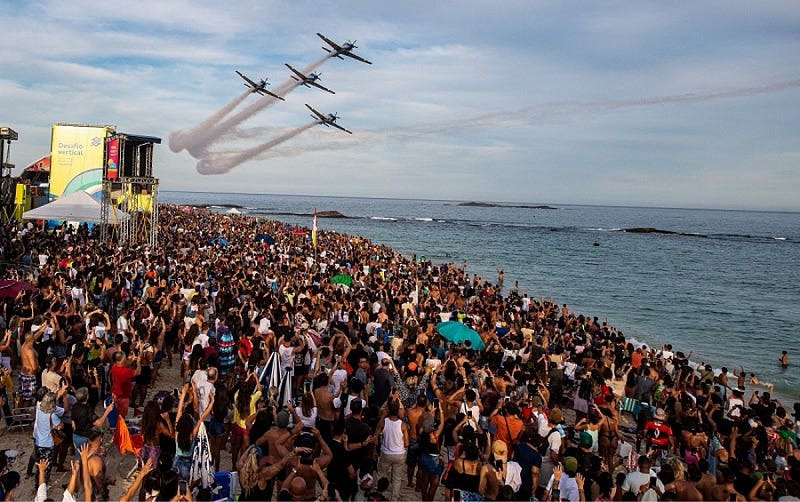
Itaúna, Saquarema during WSL | Photo: World Surf League
Surfing has always been about something bigger than performance.
It represented a way of life.
A lifestyle built on freedom, respect, community, and a deep connection with the ocean. Long before world titles, livestreams, and multimillion-dollar sponsorships, surfing was defined by the people who lived that culture every day.
Today, that identity seems to be under pressure.
The World Surf League (WSL) has taken surfing to a level few could have imagined. Bigger audiences. More sponsors. More investment. More cities eager to host Championship Tour events.
From a commercial standpoint, surfing has never been stronger.
But what happens when the business grows faster than the culture?
Saquarema Wasn’t Always Like This

Itaúna, Saquarema | Photo: Saquarema City Hall
For international readers, Saquarema is a small coastal town in the Brazilian state of Rio de Janeiro. Over the years, it has earned a reputation as the country’s surfing capital and one of the most iconic stops on the Championship Tour.
For decades, however, Saquarema represented much more than a competition venue.
The city embodied Brazilian surf culture.
Life revolved around the ocean, the beaches, local surfers, and the peaceful atmosphere that kept visitors coming back year after year.
People walked along the shoreline.
Surfers paddled out before sunrise.
Neighbors knew each other by name.
Surfing wasn’t simply an event held there.
It was part of the town’s identity.
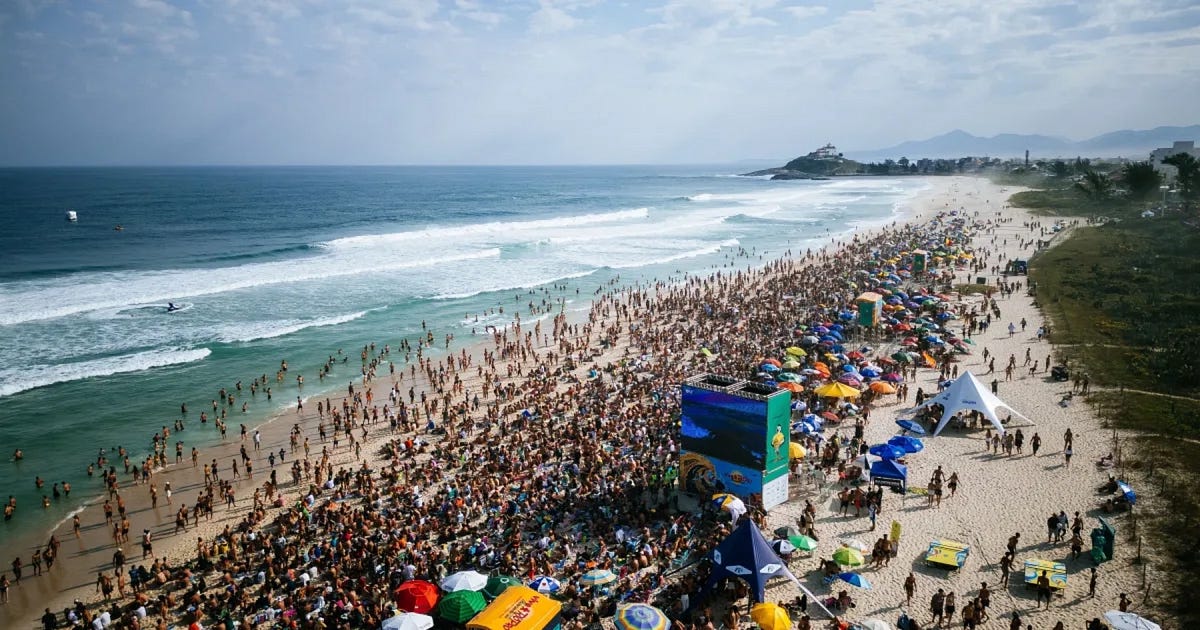
Saquarema during the Wsl CT | Photo: World Surf League
That atmosphere, however, has gradually begun to change.
As the Championship Tour expanded, so did the event itself.
More spectators.
More media coverage.
More tourism.
More commercial interest.
Along with that growth came new challenges.
In recent editions, reports of robberies, thefts, motorcycle chases, overcrowded beaches, heavy traffic, and disrespectful behavior became increasingly common among residents and visitors. Instead of talking only about the quality of the waves, many people found themselves discussing public safety and the feeling that, even if only temporarily, the city was no longer being recognized for what had always made it special.
The economic impact is undeniable.
Hotels reach full capacity.
Restaurants welcome more customers.
Local businesses thrive.
The city gains worldwide exposure.
But those benefits have come alongside a cost that is becoming increasingly difficult to ignore.
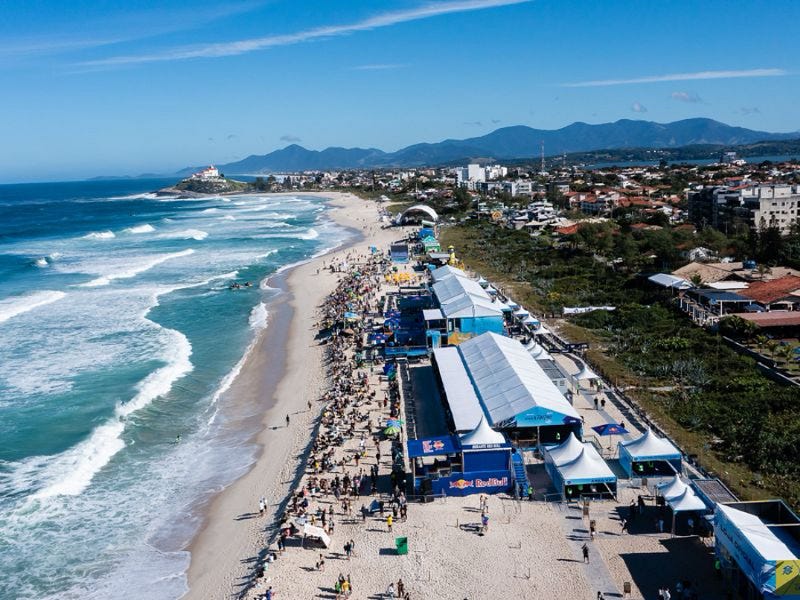
Saquarema during the Wsl CT | Photo: World Surf League
This Isn’t About the WSL
This isn’t an article against the World Surf League.
Nor is it criticism of the athletes.
And it certainly isn’t an argument against the growth of surfing.
The question is different.
How Much Can Surfing Grow Before Its Culture Is Left Behind?
When a city becomes more remembered for the problems surrounding an event than for the waves that made it famous, perhaps it’s time to stop and reflect.
Not about the future of the WSL.
But about the future of surf culture.

Surfer at sunset | AI-generated artwork
Surfing has always been built on values.
Respect for the ocean.
Respect for nature.
Respect for local communities.
Respect among those who share the same wave.
These principles existed long before world rankings, television rights, or million-dollar sponsorships.
Perhaps that’s why this conversation matters.
No one is against surfing becoming more popular.
What concerns many people is the possibility that growth could erase the very culture that made the sport so special.

Itaúna during the sunset | Personal Photo
The ocean hasn’t changed.
The waves are still breaking.
The world’s best surfers continue to put on an incredible show.
Perhaps what has changed is the way we experience surfing outside the water.
And preserving its essence may be the biggest challenge the sport faces in the years ahead.
메타데이터
- post_id
- 9b0ece484be1
- slug
- when-surfing-stops-feeling-like-surfing-9b0ece484be1
- url
- https://medium.com/@jpmgandara/when-surfing-stops-feeling-like-surfing-9b0ece484be1
- canonical_url
- https://medium.com/@jpmgandara/when-surfing-stops-feeling-like-surfing-9b0ece484be1
- author_url
- https://medium.com/@jpmgandara
- status
- ok
- fetched_at
- 2026-07-11 15:10:52




