The Psychology of Silence
In a world that won’t shut up — Silence is rebellion.
The Psychology of Silence
In a world that won’t shut up — Silence is rebellion. It’s not emptiness. It’s presence, intensified.
We’ve built societies that reward noise: the louder you speak, the more you’re heard. But psychology tells a different story. Sometimes, the most powerful message is the one you don’t say.
Silence Is Not the Absence of Noise — It’s the Presence of Meaning
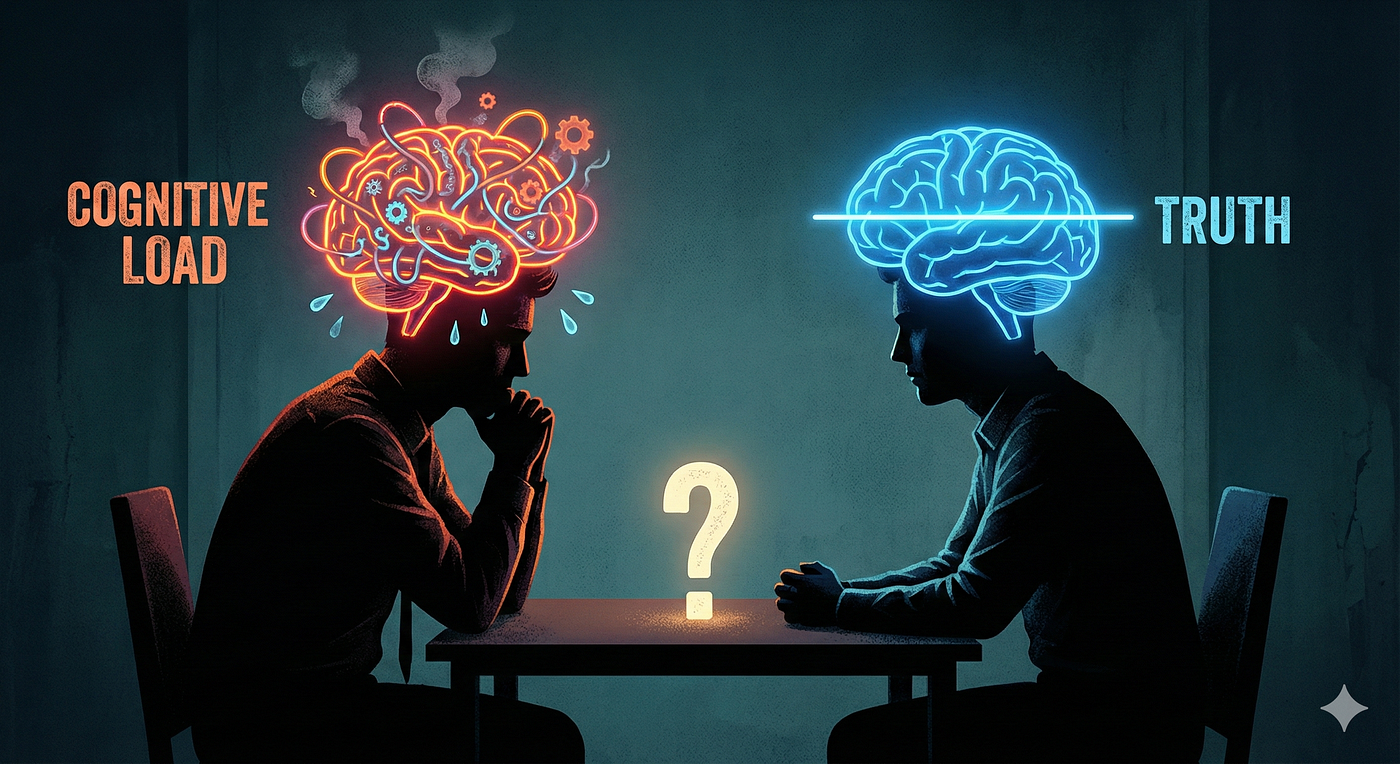
When someone goes quiet in a conversation, we get nervous. We rush to fill the gap. But that gap? That’s where truth lives. Silence isn’t a void — it’s a mirror. And not everyone’s ready to face their own reflection.
Psychologists call this “productive silence” — moments of intentional quiet that invite introspection, clarity, or deep emotional processing. In therapy, in grief, in meditation — silence is a tool, not a pause.
Your Brain on Silence
Neuroscience doesn’t lie: Two minutes of silence can be more relaxing than classical music. It boosts the growth of new brain cells in the hippocampus — the part of your brain tied to memory and emotion.
Silence literally rewires you. Not with stimulation, but with stillness.
Why We Fear Silence (And What That Says About Us)
Uncomfortable silence isn’t about sound. It’s about vulnerability.
We’re conditioned to believe:
- Talking = confidence
- Silence = awkwardness
But often, silence just means the truth is loading. And some people will do anything to avoid it — because silence forces the masks to drop. No performative smiles. No clever distractions. Just… reality.
The Psychology of the Silent Treatment
Let’s talk about weaponized silence. Psychologists call it stonewalling — when someone deliberately withdraws to punish, control, or shut down communication.
It’s not peace. It’s power play. It activates the same brain regions as physical pain in the person being ignored.
So no — “I’m just staying silent” isn’t always noble. Sometimes, silence speaks volumes. And sometimes? It screams.
Silence in Different Cultures: A Whole Language on Mute
In Japan, silence is a sign of respect. In Finland, silence means trust. In Western cultures? Silence makes people itch.
What counts as polite, passive, or powerful depends on context. Which means silence isn’t universal. It’s cultural code. Learn to read it, and you unlock whole new dimensions of human behavior.
The Healing Power of Silence
Silence isn’t just psychological. It’s spiritual. It’s what lies beneath anxiety, ego, and thought loops. Monks, mystics, and mindfulness coaches all agree: The answers aren’t out there. They’re in here.
But you won’t hear them unless you turn the volume down.
So… What Does Your Silence Say About You?
Are you silent because you’re scared? Or because you’ve outgrown the need to explain?
Are you silent because you’re avoiding truth? Or because you’re finally hearing your own?
There’s a reason silent people often intimidate others. They’ve learned to listen deeper than noise can reach. And in a world obsessed with being heard, Sometimes the real power lies in being… unreadable.
메타데이터
- post_id
- 9b3a7cbf2f4a
- slug
- the-psychology-of-silence-9b3a7cbf2f4a
- url
- https://medium.com/@midnighttqveen/the-psychology-of-silence-9b3a7cbf2f4a
- canonical_url
- https://medium.com/@midnighttqveen/the-psychology-of-silence-9b3a7cbf2f4a
- author_url
- https://medium.com/@midnighttqveen
- status
- ok
- fetched_at
- 2026-07-17 23:41:04