Why AI Feels Smarter Today
The realization I had after spending months with ChatGPT, Claude, Gemini, agents, MCP, and coding assistants
Why AI Feels Smarter Today
The realization I had after spending months with ChatGPT, Claude, Gemini, agents, MCP, and coding assistants
Not a medium member? Read this article for free **here**
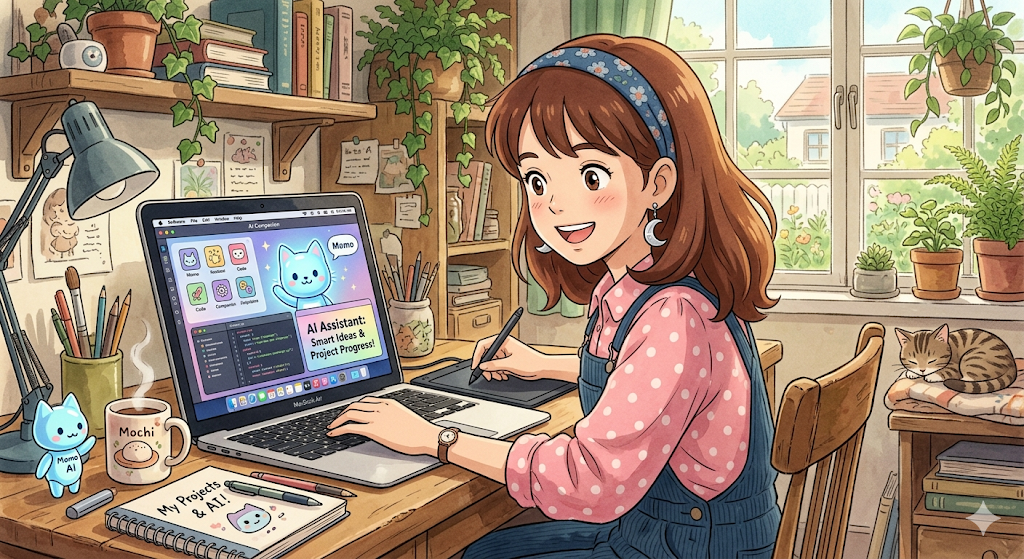
Image by author
A few years ago, asking AI to do anything useful felt like gambling. Sometimes it gave brilliant answers sometimes it confidently invented nonsense, cooked up things🥲
Back then, I thought the models were the problem. Whenever AI failed, I assumed it simply wasn’t intelligent enough yet. Then every new release arrived and suddenly everything seemed better! (Thanked AI lords a lot🙏)
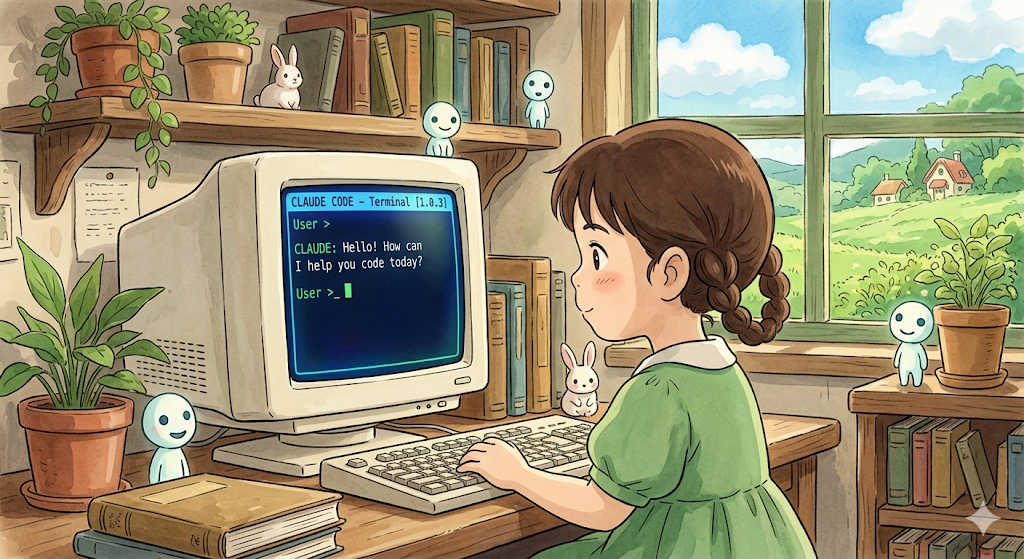
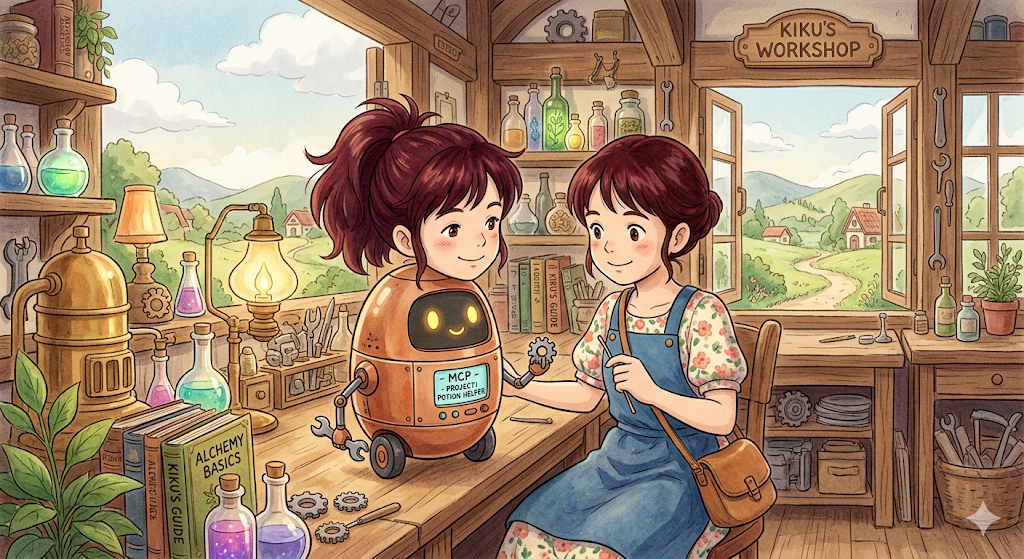
Claude could understand repositories. ChatGPT could reason through workflows. Agents could use tools and MCP could connect systems with Memory that started carrying conversations forward. It genuinely felt like intelligence was accelerating overnight.
But after spending months experimenting with these systems, I realized that the models certainly improved. But a large part of the magic wasn’t coming from intelligence alone.
It was coming from context.
AI Is A Master Of Pattern Recognition
One of my favorite examples is the classic question:
“What’s heavier, a kilogram of steel or a kilogram of feathers?”
Most AI models answer instantly. They weigh the same. That feels impressive until you ask something slightly less common.
“Imagine a 10 foot rope. You cut it in half and throw one half away. Then you cut the remaining piece in half again. How much rope are you holding?”
Humans usually visualize the rope. AI often struggles because it isn’t actually visualizing anything. It is predicting what sequence of words is most likely to come next based on patterns it has seen before.
The first question appears everywhere on the internet. The second one forces actual reasoning. That distinction matters more than most people realize. This is where Prompt engineering comes into the picture.
Read about it more here:
[embed]The Ultimate Cheat Sheet of Prompt Engineering Techniques From Basics to Advancedmedium.com
The Day I Realized AI Mirrors Us
Photo by Михаил Секацкий on Unsplash
This also became obvious the more I used these tools.
Ask AI:
“Tell me about climate.”
You’ll probably get a generic answer that sounds like a textbook summary.
Now ask:
“Explain the relationship between Arctic ice melt and global temperature rise like I’m a high school student.”
Boom… abruptly, the answer feels thoughtful, detailed, and intelligent. The model didn’t become smarter between those two questions 🤯
Again, as you guessed, you simply provided better context!
One thing I’ve learned is that AI often reflects the quality of thinking we bring into the conversation. Better questions create better answers. Better structure creates better reasoning.
Better context creates better outcomes.
Sometimes we’re not witnessing artificial intelligence. We’re witnessing our own intelligence being reflected back at us in a very polished form.
We Only Remember The Wins
Photo by Zach M on Unsplash
A month ago, I asked AI to help build a travel itinerary. (i had plans, unexecuted plans 😵💫)
But the result was fantastic. It organized places to visit, transportation routes, restaurant recommendations, and a rough schedule. It looked so complete that I almost stopped questioning it.
But imagine arriving at one of those recommended restaurants only to discover it closed years ago.
The funny thing is that most people wouldn’t remember the mistake.
They would remember the 90% that worked. Humans naturally celebrate the wins and overlook the misses. AI benefits from this bias constantly.
When it gets something right, it feels magical. When it gets something wrong, we often blame bad luck instead of questioning the system itself.
Fluency Tricks Our Brains

image by author
I think one of AI’s greatest strengths is also one of its greatest illusions.
Ask a human about a topic they barely understand and they’ll usually hesitate. They’ll pause, backtrack, and admit uncertainty.
AI doesn’t do that. It’s a never-say-no soldier, apparently.
It explains things with confidence, structure, and perfect grammar. Even when it’s wrong, it sounds soo convincing.
Our brains automatically associate fluency with expertise. The smoother the explanation, the smarter the speaker appears.
But fluency and intelligence aren’t the same thing. AI writes like an expert because it learned from millions of experts. That doesn’t necessarily mean it understands what it’s saying the way humans understand it.
The Heartbreak Example
Photo by Domingo Alvarez E on Unsplash
One of the strangest examples is emotion.
Ask AI what heartbreak feels like and it can produce something genuinely beautiful. It might describe an empty room, a lingering ache, or the feeling of losing a future you imagined with someone.
And really, sometimes the writing is moving 🤌. But then I remind myself that AI has never actually experienced any of it (it’s not a human!)
It has never stared at a phone waiting for a message that never arrived. It has never missed someone. It has never fallen in love to experience it in the first place.
The words come from millions of human stories, poems, books, journals, and conversations.
The language is real, but the experience belongs to millions of humans. (it’s like AI stealing humans' emotions literally to sound like one)
Where AI Looks Brilliant And Where It Looks Strange
AI can summarize entire books, compare historical revolutions, generate software architecture, and explain complex scientific concepts in seconds.
Then you ask it how many times the letter “r” appears in the word “strawberry” and suddenly things become awkward.
A child can solve that instantly. but sometimes AI cannot. The reason is surprisingly simple. Humans see letters but AI primarily sees patterns and chunks of language.
That doesn’t make it stupid. It just means it processes information differently than we do. And sometimes those differences become very visible.
Maybe The Real Breakthrough Isn’t Intelligence 👀
The more I work with AI systems, the less I think this story is purely about smarter models. Of course, in the beginning, it was a lot focused on models, but that’s been changing now.
When Claude Code understands an entire repository, it feels smarter. When memory remembers previous decisions, it feels smarter.
When MCP connects documentation, notes, calendars, and tools together, it feels smarter. When agents coordinate work across multiple systems, it feels smarter.
But maybe the model itself isn’t where most of the progress is happening. Maybe we’re finally building environments and systems that allow intelligence to operate effectively.
Maybe we stopped forcing AI to work with amnesia!
The Future Looks Different Now (omg!🧚🏻)
Photo by Bret Kavanaugh on Unsplash
I think most people believe the future of AI is about building bigger and smarter models. And maybe part of it is.
But increasingly from my own experience, it feels like the bigger story is happening around the models.
Context. Memory. Retrieval. Tools. Agents. Environments.
These things are becoming just as important as intelligence itself. Humans work exactly the same way. We think better when we have memory, references, tools, context, and continuity.
Certainly, AI didn’t suddenly become smarter overnight. Maybe we finally started giving it enough information and the right environment to think. And truthfully this realization changed how I look at AI completely.
What’s that moment when AI looked stupid to you?
메타데이터
- post_id
- 9b3bfbd9b361
- slug
- why-ai-feels-smarter-today-9b3bfbd9b361
- url
- https://medium.com/the-tech-trek-by-tech-chick/why-ai-feels-smarter-today-9b3bfbd9b361
- canonical_url
- https://medium.com/the-tech-trek-by-tech-chick/why-ai-feels-smarter-today-9b3bfbd9b361
- author_url
- https://medium.com/@theipocmwanderer
- status
- ok
- fetched_at
- 2026-06-15 20:49:13