Those teams: the World Cup keeps translating racism into tactics
And its an justice to let it go unchecked
Those teams: the World Cup keeps translating racism into tactics
And its an justice to let it go unchecked
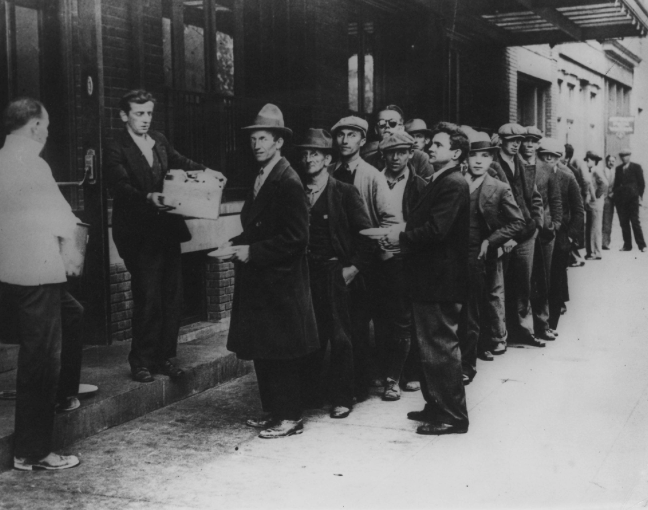
Photo by Emilio Garcia on Unsplash
Belgium beat Senegal 3–2 in Seattle on July 1, coming back from two goals down inside the last five minutes. Rudi Garcia, Belgium’s head coach, walked to a television camera and said this: “We know those teams, they lose their tactical structure toward the end of the match.”
Those teams.
Two days later, Garcia posted a clarification. He meant teams unaccustomed to managing a lead in World Cup matches. He meant, he insisted, any region. He did not mean Africa.
Ivory Coast head coach Emerse Fae heard it differently. He called the framing racist. So did Philippe Diallo, president of the French Football Federation, when Paraguay’s José Luis Chilavert previewed the France match by describing Les Bleus as “a squad from Africa.” Chilavert’s countrywoman, Senator Celeste Amarilla, made his subtext text. After Kylian Mbappé’s penalty knocked Paraguay out on July 4, Amarilla posted a screed on X calling Mbappé “a brute” who was “pretending to be French,” mocking his Cameroonian roots. The French federation announced a criminal complaint.
Four days. Two continents. Same script.
The script is old. In June, former Serbian footballer Rade Bogdanovic questioned the “focus and stamina” of Belgium’s Black players on Serbian public television after their 0–0 draw with Iran. He apologized. Bastian Schweinsteiger, on a European broadcast, described African teams’ tactical collapses in language Fae also called racist. Schweinsteiger denied intent. Garcia clarified. Amarilla dug in.
Every one of them reached for the same vocabulary. Physical. Undisciplined. Loses shape. Lacks maturity. “Those teams.”
Researchers at the universities of Leicester and Coventry ran the numbers on the 2018 World Cup commentary. Seventy percent of praise directed at Black players centered on athleticism, speed, and power. Eighteen percent of praise for white players did the same. The other eighty-two percent for white players went to tactical intelligence, technique, and decision-making.
That is not commentary. That is a filing system.
The system says a Black team that concedes late has revealed something essential about African football. The same collapse by Belgium, or Germany, or Argentina is a bad night, a rotation error, a coaching adjustment gone wrong. When Belgium blew a two-goal lead against Iran in 2018, nobody wrote a column about European teams and their character defects. When Germany crashed out of that tournament in the group stage, the analysis stayed inside the tactics room.
When Senegal blew a two-goal lead on July 1, “those teams” appeared in Garcia’s mouth before the pitch was empty.
Ask Vinicius Junior what the filing system costs. In May 2023, he stopped playing at Valencia’s Mestalla Stadium and confronted the fans throwing racial abuse from the stands. Spanish courts eventually sent three of them to prison. This past February, in a Champions League match against Benfica, he reported a mid-game racial slur from Gianluca Prestianni and stopped the game for ten minutes. Ask Dani Alves, who picked up a banana thrown at him in a 2014 La Liga match and ate it before the next corner. Ask Romelu Lukaku, who scored a penalty against Juventus in 2023, to put a finger to his lips to quiet the monkey chants coming from the stadium, and he got suspended for celebrating. The referee said he provoked the crowd. Ask Thomas Partey, denied a visa by Canada on the eve of Ghana’s opener against Panama last month. Ask any Ivorian or Senegalese fan who was told by the U.S. State Department that they were not welcome in stadiums their teams had qualified to play in.
This tournament was supposed to be the celebration. Forty-eight teams across three host countries, the biggest World Cup FIFA has ever run. Instead, the Trump administration’s travel ban and $15,000 visa bond kept most African fans home while their players walked out to half-empty sections. Then the coded broadcasts began.
Garcia will not lose his job. Amarilla will not lose her seat. FIFA will issue a statement. The tournament will roll into the quarterfinals, and the commentary boxes will keep sorting Black players into the physical column while white players get the tactical one.
What Garcia meant by “those teams” is what everyone who watched the match understood him to mean. The gap between the clarification and the original comment is the space where coded language does its work. That gap is not shrinking. In 2026, on the biggest stage the sport builds, three coaches and a senator walked straight through it in ninety-six hours.
Senegal lost a soccer match. What happened after the whistle is what this tournament will be remembered for by the players, coaches, and fans who keep hearing themselves described as a category. The scoreboard belongs to Belgium. The vocabulary still belongs to everyone else.
It’s a very popular sport and a multi-billion-dollar/euro industry, but fans watch, and players participate despite the inhuman treatment, not because of it. Just like everyday life, we are tolerated instead of accepted, and we live accordingly.
The next time someone tells you racism has left the game, ask them what “those teams” means.
Originally published at https://wayneaince.substack.com.
메타데이터
- post_id
- 9bbe18c122d5
- slug
- those-teams-the-world-cup-keeps-translating-racism-into-tactics-9bbe18c122d5
- url
- https://aninjusticemag.com/those-teams-the-world-cup-keeps-translating-racism-into-tactics-9bbe18c122d5
- canonical_url
- https://aninjusticemag.com/those-teams-the-world-cup-keeps-translating-racism-into-tactics-9bbe18c122d5
- author_url
- https://medium.com/@wayneaince
- status
- ok
- fetched_at
- 2026-07-15 17:25:02