The Science of Urushi: A Deep Dive into Japan’s Traditional Material
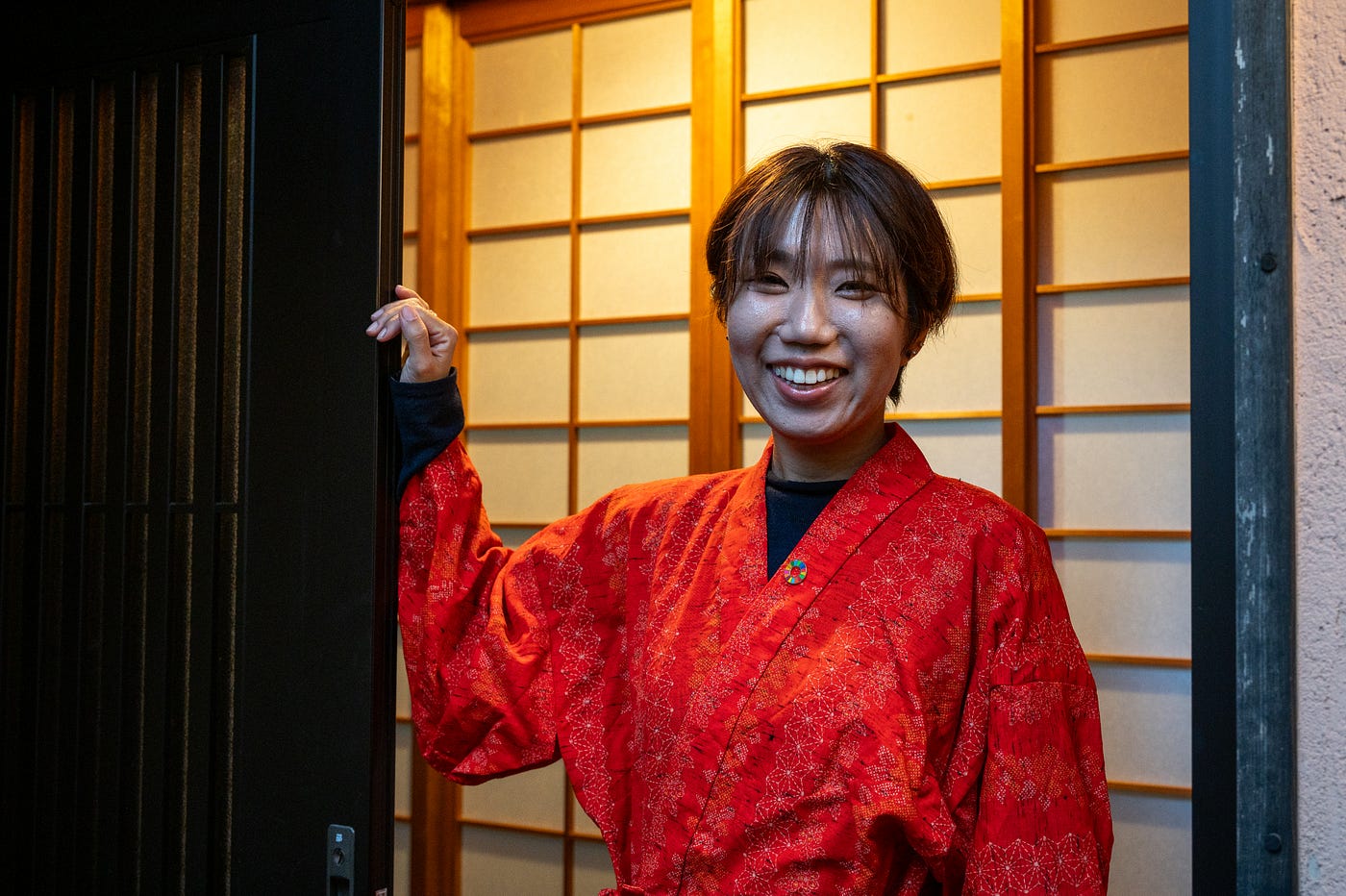
Hello, my name is Sakamoto, and I run kintsugi workshops in Kyoto, Japan. I have been working in the Japanese art restoration field for…
The Science of Urushi: A Deep Dive into Japan’s Traditional Material
Hello, my name is Sakamoto, and I run kintsugi workshops in Kyoto, Japan. I have been working in the Japanese art restoration field for about 15 years and currently serve as a board member of Wakaba-kai, an association of traditional craftworkers under the age of 45.

Sience Insight
In this post, I’d like to share some scientific insights into urushi (Japanese lacquer), the foundation of kintsugi.
What is Kintsugi and Why Urushi Matters
Kintsugi, the art of repairing ceramics with lacquer and gold, became widespread about 450 years ago. Its techniques are deeply rooted in urushi craftsmanship, which is why I myself completed Kyoto’s traditional crafts training program.
To truly understand kintsugi, one must also understand the chemistry and structure of urushi.
What is Urushi?
Urushi is the sap of trees belonging to the genus Toxicodendron, native to East and Southeast Asia. Its key properties are:
- Allergenic reactions (contact dermatitis when touched)
- Unique curing process that relies on Japan’s humidity
Just like a scab forms when our skin is injured, the tree produces sap to protect itself. This sap is collected and refined for use as adhesive or coating.
Geographic Distribution and Types of Urushi

Urushi Map
Urushi trees grow naturally in:
- Japan, inland China, and Korea (urushi trees)
- Taiwan and Vietnam (Annan urushi)
- Myanmar (Burmese urushi)
- Bhutan (a local variant with limited documentation in Japan)
Interestingly, these varieties differ in molecular structure.
Molecular Structures of Urushi
- Japan, China, Korea → contain urushiol molecules
- Taiwan, Vietnam → contain laccol molecules
- Myanmar → contain thitsiol molecules
All share a benzene ring as their core structure. I believe this benzene structure is key to understanding both hardening and degradation of urushi. It even resembles structures found in alkyd resins, a synthetic material used in coatings.
This overlap has inspired some craftspeople to experiment with combining knowledge from both natural and synthetic resins in test pieces.
How Urushi Hardens
The urushi we use in kintsugi contains urushiol molecules. Their hardening relies on water (H₂O) and specific conditions:
- Around 25°C
- Around 75% humidity
Here, the enzyme laccase triggers an oxidation reaction that links urushiol molecules together:
- First forming linear polymers
- Then cross-linking into network polymers
As these bonds form, the once-liquid lacquer becomes solid.

Urushiol molecule
Scientifically, this laccase reaction stabilizes within 24 hours. However, complete molecular hardening takes 1–2 months, a process Kyoto craftspeople call “shimaru” (tightening). It’s oxygen in the air that fully finishes this process.
This is why even if the surface looks dry, contact with the skin or mouth can still cause irritation.
Heat-Curing: An Alternative Method
Another lesser-known curing method is heat-curing, where urushi is baked at 160°C for 60 minutes. This process is called yaki-tsuke urushi (baked lacquer) and has been applied historically to metal coatings. However, in traditional lacquerwork, this method is rarely used.
Final Thoughts
Urushi is both ancient and scientific, connecting traditional craftsmanship with fascinating chemistry. For us kintsugi artisans in Japan, it is more than just a material — it is the very foundation of our restoration practice.
I’ll be sharing more insights on urushi and traditional crafts in future posts. Until next time — thank you for reading!
메타데이터
- post_id
- 9bc3af19e9e6
- slug
- the-science-of-urushi-a-deep-dive-into-japans-traditional-material-9bc3af19e9e6
- url
- https://medium.com/@bishoin.artrestoration/the-science-of-urushi-a-deep-dive-into-japans-traditional-material-9bc3af19e9e6
- canonical_url
- https://medium.com/@bishoin.artrestoration/the-science-of-urushi-a-deep-dive-into-japans-traditional-material-9bc3af19e9e6
- author_url
- https://medium.com/@bishoin.artrestoration
- status
- ok
- fetched_at
- 2026-07-17 19:48:49