Smart Hotels: Maximizing Efficiency and Guest Comfort Through Intelligent Energy Management
The modern hospitality industry faces a constant balancing act: delivering an unparalleled guest experience while simultaneously grappling…
Smart Hotels: Maximizing Efficiency and Guest Comfort Through Intelligent Energy Management
The modern hospitality industry faces a constant balancing act: delivering an unparalleled guest experience while simultaneously grappling with escalating operational costs, particularly energy expenses. For hotels, energy consumption from heating, ventilation, air conditioning (HVAC), lighting, and various electrical systems represents a substantial portion of their overhead. The challenge lies in finding effective ways to significantly reduce this consumption without ever compromising the comfort, convenience, and quality of service that guests expect and pay for. This crucial intersection is where smart control systems are beginning to redefine how hotels operate, offering a pathway to efficiency that enhances rather than detracts from the guest experience.
The Problem with Traditional Infrastructure
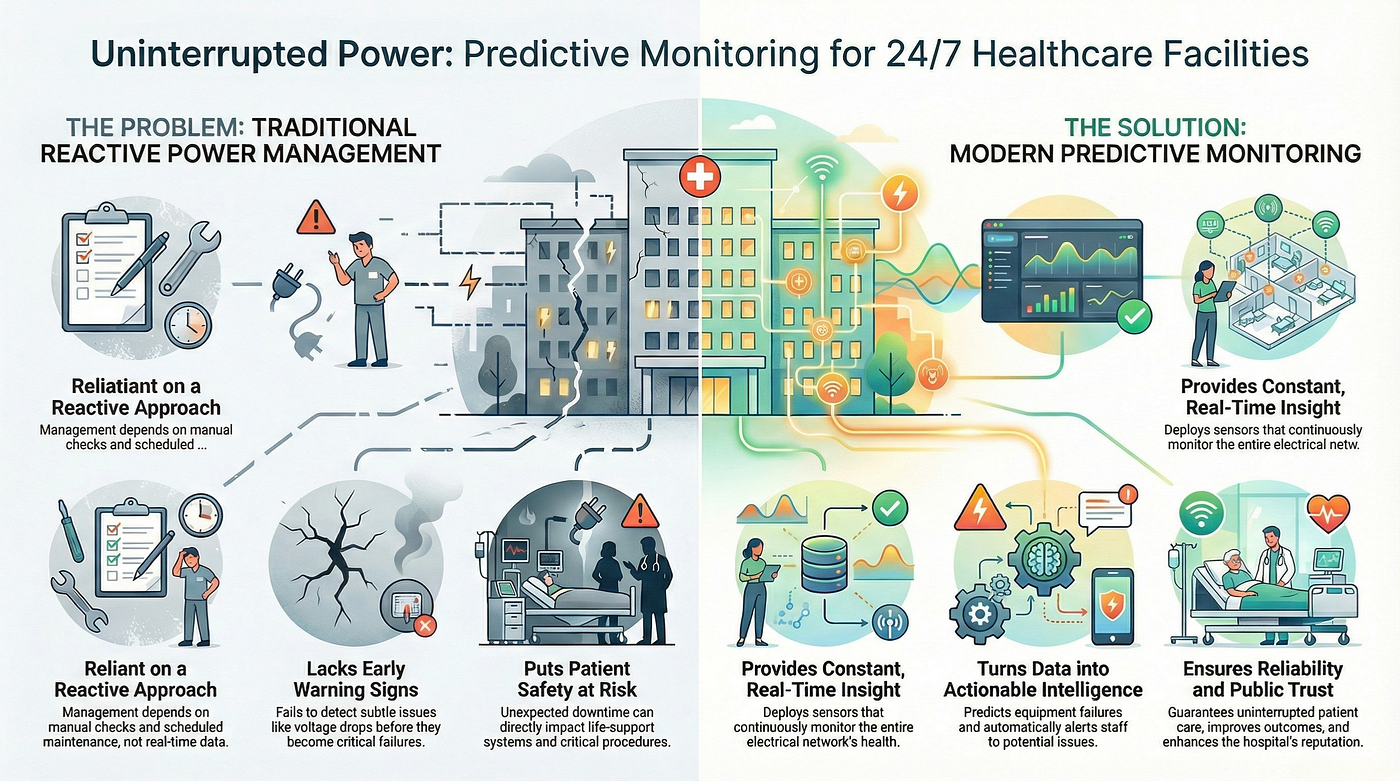
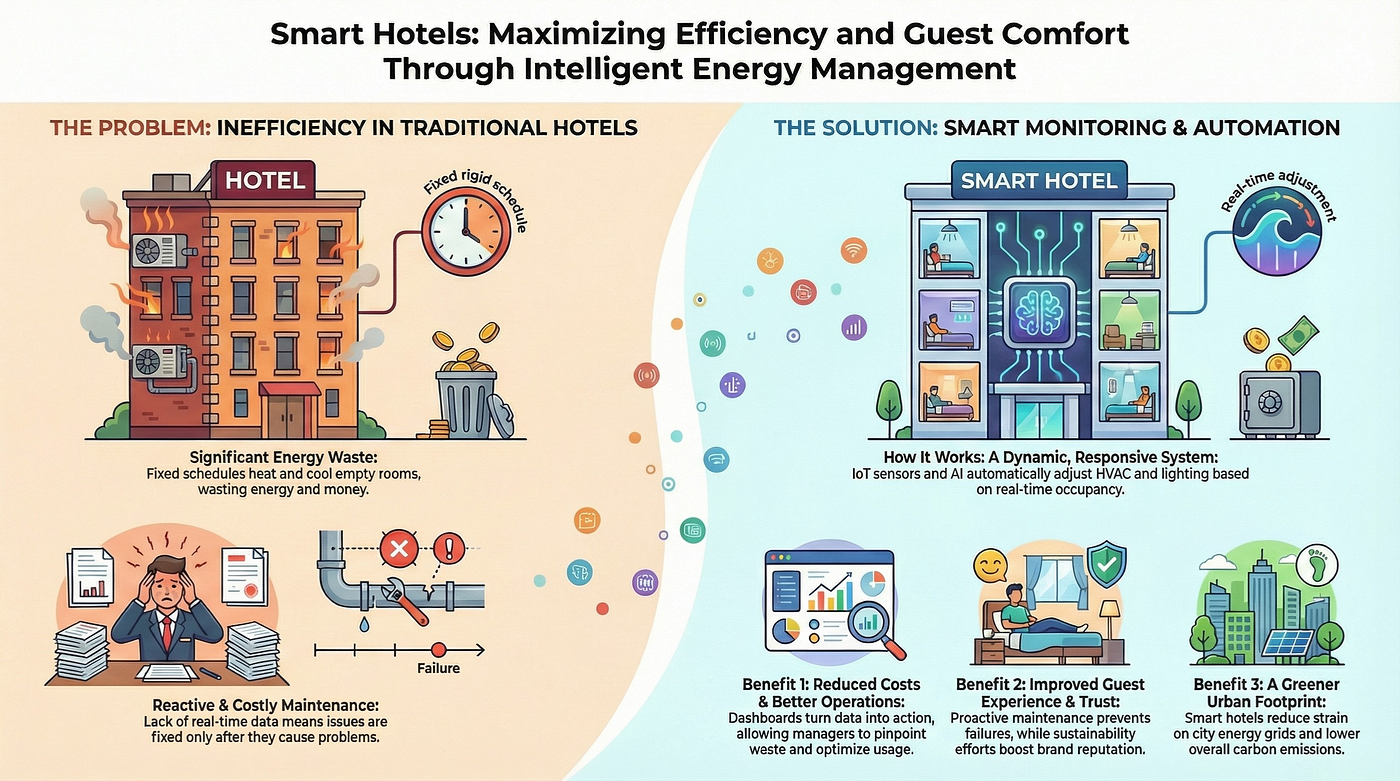
Historically, hotel energy management has often been reactive and generalized. Traditional HVAC systems and lighting controls typically operate on fixed schedules or are manually adjusted, leading to significant waste. Empty rooms might be fully heated or cooled for hours, corridors lit brightly during off-peak times, and equipment run inefficiently due to a lack of real-time oversight. The reliance on guest interaction for thermostat settings often means rooms remain climate-controlled even after guests depart or are left unoccupied for extended periods. This ‘one-size-fits-all’ approach, coupled with the sheer scale of a hotel property, creates an inherent inefficiency that directly impacts the bottom line and contributes to a larger carbon footprint.
Furthermore, legacy systems often lack the granularity and interconnectivity needed for sophisticated optimization. Detecting issues like a malfunctioning HVAC unit in a specific room or an unexpected surge in power consumption across a floor can be slow and labor-intensive. This reactive maintenance model not only incurs higher repair costs but can also lead to guest discomfort, negative reviews, and a loss of revenue. The underlying problem is a fundamental lack of real-time data and the inability to automatically adapt to dynamic conditions — whether it’s changing occupancy patterns, external weather, or internal operational demands.
How Smart Monitoring Changes the Equation
Enter smart monitoring and automation, which fundamentally transform a hotel’s energy infrastructure from a static cost center into a dynamic, responsive system. Through a network of IoT sensors, smart thermostats, and intelligent lighting controls, hotels gain unprecedented visibility into their energy consumption patterns. Occupancy sensors detect when a guest checks in, checks out, or leaves their room, allowing HVAC and lighting systems to adjust automatically to energy-saving modes. Similarly, key card integration can signal a room’s status, initiating pre-cooling or heating before arrival and reducing energy use upon departure.
These systems move beyond simple on/off switches. They collect real-time data on temperature, humidity, light levels, and even guest preferences, creating a comprehensive picture of energy demand across the entire property. Artificial intelligence and machine learning algorithms then process this data, learning patterns and predicting optimal operational settings. This predictive capability allows hotels to preemptively adjust systems, ensuring that rooms are perfectly climate-controlled exactly when needed, without expending unnecessary energy during periods of vacancy or low demand. The result is a finely tuned environment where energy output is precisely matched to actual requirements.
Turning Data into Actionable Decisions
The true power of smart monitoring lies in its ability to transform raw data into actionable insights. Centralized energy management dashboards provide hotel operators with a holistic view of their consumption across different zones, equipment, and time periods. This enables facility managers to identify anomalies, pinpoint energy hogs, and understand the root causes of inefficiencies. Detailed analytics can reveal, for example, that a specific floor’s HVAC system is drawing more power than usual, triggering an alert for proactive maintenance before a costly breakdown occurs.
Beyond identifying problems, this data empowers hotels to make informed, strategic decisions. They can optimize equipment scheduling, fine-tune setpoints for different areas (e.g., lobby, conference rooms, guest rooms), and even implement demand-response strategies to reduce consumption during peak utility pricing hours. Furthermore, smart systems can be integrated with property management systems (PMS) to automate room preparation, ensuring that temperature and lighting are ideal for a new guest upon check-in, enhancing their immediate experience. By leveraging these insights, hotels not only reduce energy waste but also achieve a more consistent and personalized comfort level for every guest.
Improving Reliability and Public Trust
The shift to smart energy management directly contributes to improved operational reliability and, by extension, strengthens public trust. When energy systems are proactively monitored and maintained based on real-time data, the likelihood of unexpected failures — such as a heating system breakdown in winter or an AC failure in summer — is significantly reduced. Consistent climate control and reliable services ensure that guests enjoy a seamless and comfortable stay, leading to higher satisfaction scores and positive reviews.
Reliability also extends to the hotel’s commitment to sustainability. Guests are increasingly conscious of their environmental impact and are often willing to choose hotels that demonstrate a clear commitment to green practices. By actively reducing their energy consumption through smart technologies, hotels not only lower their operating costs but also enhance their brand reputation as responsible and forward-thinking establishments. This transparency and dedication to efficiency build trust with environmentally-aware travelers, fostering loyalty and attracting a broader customer base looking for sustainable hospitality options.
Building Sustainable and Resilient Cities
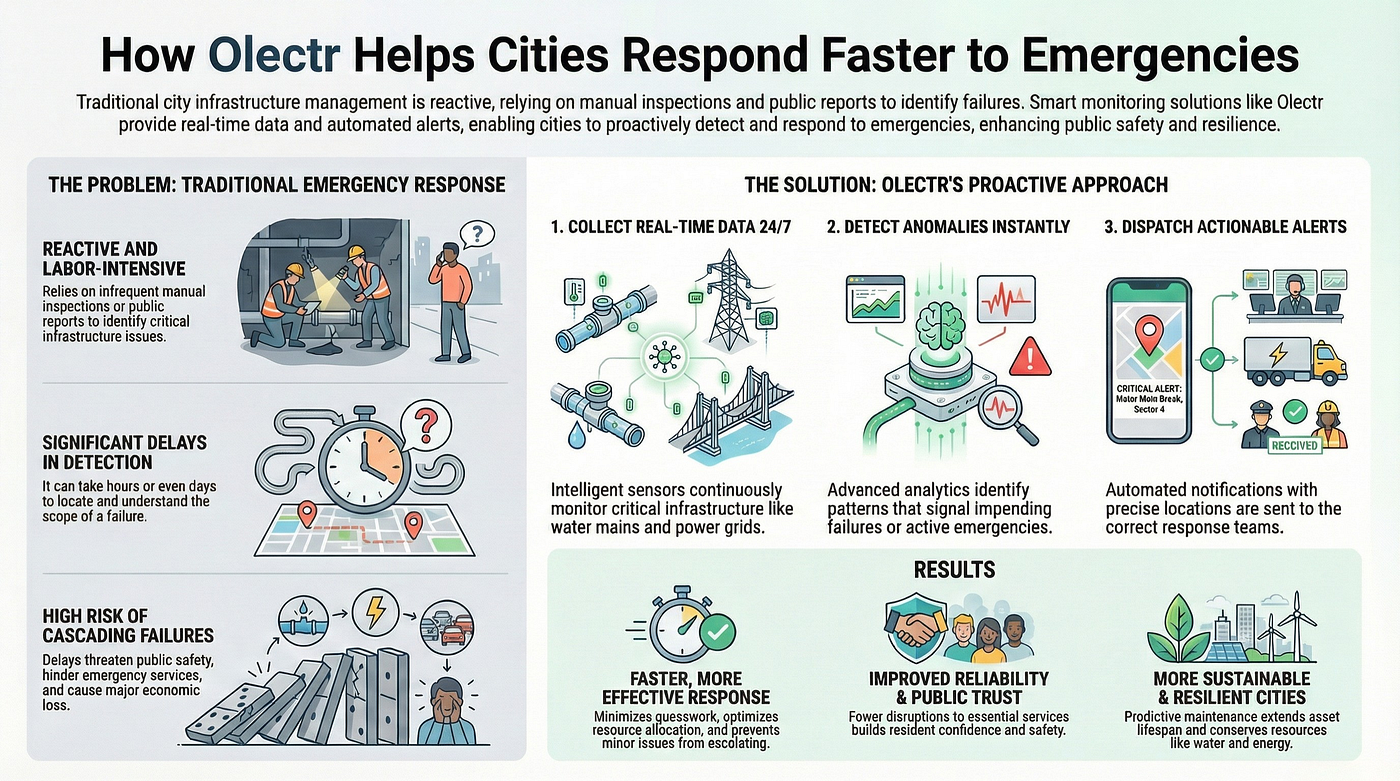
The widespread adoption of smart energy management in the hospitality sector extends its benefits far beyond individual hotel properties, contributing significantly to the broader goals of building sustainable and resilient urban environments. Hotels, being large energy consumers and often prominent features of cityscapes, play a critical role in local energy grids. By reducing their energy demand and optimizing consumption patterns, smart hotels alleviate pressure on municipal utilities, particularly during peak demand periods, contributing to grid stability and potentially reducing the need for costly infrastructure upgrades.
Moreover, the collective energy savings across multiple hotel properties within a city translate into a substantial reduction in overall carbon emissions. This aligns directly with urban sustainability initiatives and climate action plans, helping cities meet their environmental targets. Smart hotel infrastructure is inherently more resilient, capable of adapting to changing climate conditions, energy costs, and guest expectations, making them vital components of a future-proof urban fabric. Their ability to integrate with wider smart city platforms, sharing anonymized data on occupancy trends or energy demand, further enhances urban planning and resource allocation strategies.
The Future of Urban Infrastructure Management
The journey towards comprehensive smart urban infrastructure management is intrinsically linked with the evolution of intelligent building systems like those found in smart hotels. As cities become more interconnected, the data generated by hotel energy management systems will likely feed into broader urban data platforms, contributing to a more holistic understanding of energy flow, peak demand forecasting, and resource optimization across the entire urban landscape. This integration will enable city planners and utility providers to make more informed decisions about infrastructure development, renewable energy integration, and demand-side management programs.
The future envisions a scenario where a hotel’s smart energy system might communicate directly with the city’s smart grid, adjusting its consumption in real-time based on grid load or the availability of renewable energy sources. This dynamic interplay will foster an ecosystem of highly efficient, responsive buildings that not only serve their occupants optimally but also contribute to the stability and sustainability of the entire urban infrastructure. This level of sophisticated, integrated management represents a significant leap towards truly resilient and sustainable cities.
Final Thought The imperative for hotels to balance guest comfort with economic and environmental responsibility has never been clearer. Smart energy management systems offer a definitive solution, demonstrating that operational efficiency and superior guest experiences are not mutually exclusive but deeply intertwined. By embracing these intelligent technologies, the hospitality industry is not just cutting costs; it is actively shaping a more sustainable, resilient, and guest-centric future for urban infrastructure, setting a new standard for excellence and accountability.
메타데이터
- post_id
- 9bd3b195e193
- slug
- smart-hotels-maximizing-efficiency-and-guest-comfort-through-intelligent-energy-management-9bd3b195e193
- url
- https://medium.com/olectr/smart-hotels-maximizing-efficiency-and-guest-comfort-through-intelligent-energy-management-9bd3b195e193
- canonical_url
- https://medium.com/olectr/smart-hotels-maximizing-efficiency-and-guest-comfort-through-intelligent-energy-management-9bd3b195e193
- author_url
- https://medium.com/@olectrcloud
- status
- ok
- fetched_at
- 2026-07-13 16:27:10