An Imaginary Visit to Gobeklitepe and Northern Mesopotamia
My favorite movie is still the same: “Back to the Future, 1985” is an international cultural phenomenon that encourages people to dig into…
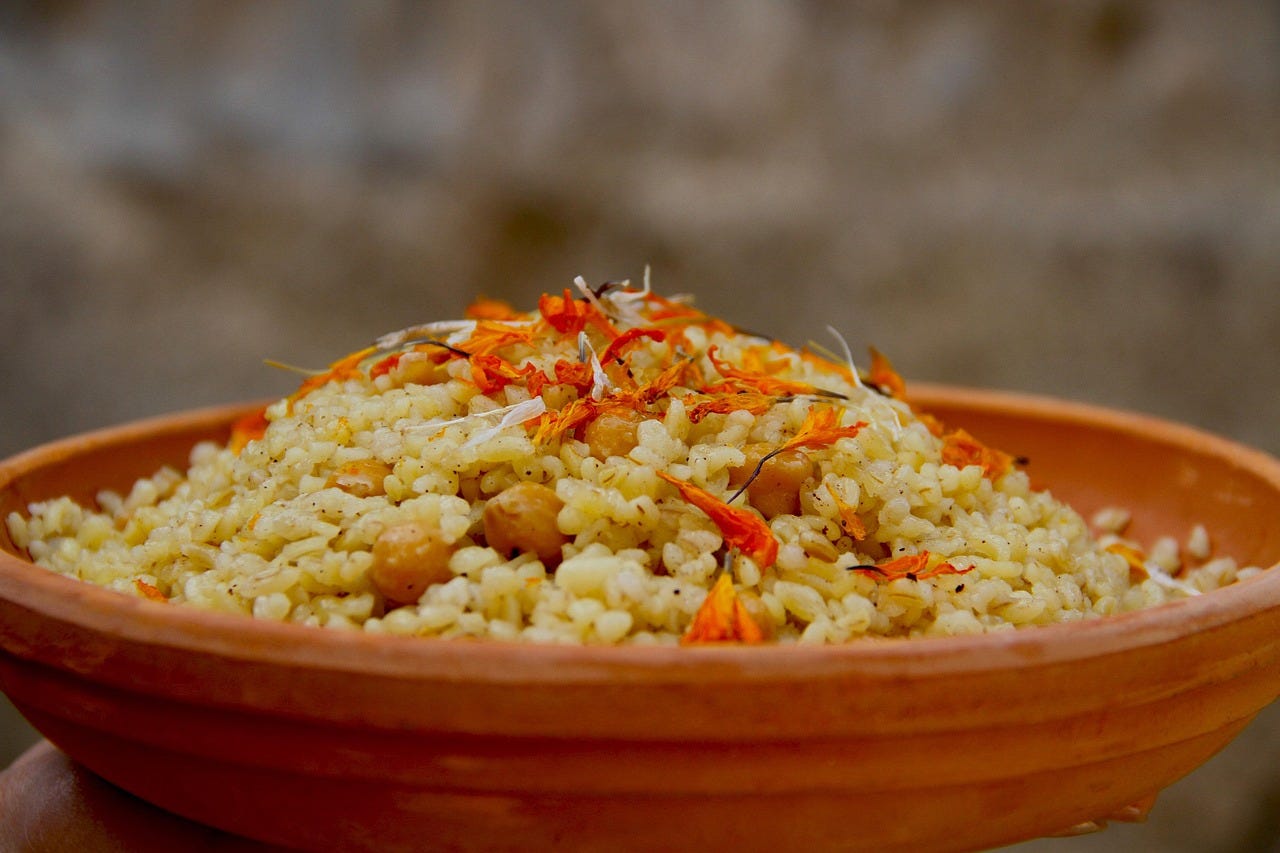
Photo by Frank Samol on Unsplash
An Imaginary Visit to Gobeklitepe and Northern Mesopotamia
My favorite movie is still the same: “Back to the Future, 1985” is an international cultural phenomenon that encourages people to dig into history. DeLorean DMC (1983) is such a classic for this movie. Without a vehicle, it is not possible to travel to the back. This time capsule was envied and is still functional. Sometimes I would like to close my eyes and imagine myself inside the car, going back to ancient civilizations and mythological times. This is my relaxation moment to get out of the routine.
Are you ready to be a partner in crime? Let me invite you to explore Gobeklitepe (the first astronomical observatory center of the world, 12000 BC) and the Fertile Crescent A.K.A Mesopotamia.
Hop in and close your eyes!
It is almost dawn in spring. The pinky-orange clouds flow over the northern part of the fertile crescent peacefully. It reminds us of the Tigris and Euphrates rivers. Sirius is mighty bright over the horizon. The only hill with a belly button shape is Gobekli Tepe, which is the only connection of humans to the stars, just like the umbilical cord. The ritual at GobeklitepeTemple ends soon after seeing the seven planets.
Oh, such a smooth landing on Gobeklitepe! The astronomer priests welcome us with pride since they ask for a miracle after each ritual. The dreams come true. Here we are!
Since it is an astronomical observation tower, there is no food allowed. Each priest hugs us and spreads some stardust. Some traditional clothing was provided. The clothes are simple. Each dress has a big pocket for picking our ancient heirloom grains. The only accessory that takes our attention is the einkorn bulgur with its stem. It represents wealth and good fortune. Humans are grateful for the food that matches their lifestyles. The women carry it as a hairpiece, and the men tug it in their belts.
After disguising ourselves, we feel hungry. We need to go down to the plain and look for food together with the folks. Remember that we are in BC 12000. It means there is no farming yet. The priests show us how to follow the purple flowers to identify the einkorn bulgur’s stems, and how to collect the ears of wheat. Collecting the wheat seems fun for us, but a natural habit for the locals. Filling our pockets is satisfying: The carbohydrate and wheat protein that our body needs are stocked.
So the second question is, how to eat this? We consider ourselves like babies learning by watching. We all wish to communicate better with our mentors. In the meantime, there is not enough time for this. The clock was ticking for the time capsule. (An epilogue: If we were living 17000 years ago, we could gather seeds and eat them without chewing. If we were living in Mesopotamia 15000 years ago, we could chew the raw kernels.) Remember that, in 12000 BC, our mentors were excellent. They reached out for high astronomy knowledge. Teaching us some simple things that are pieces of cake, such as rubbing off the husk of the einkorn, parboiling it in ceramic pots, then drying it under the sun, and finally cracking it in the stone mortar, was easy for them. The last step was simmering it before eating this excellent source of protein with a great taste. During the digestion process, something miraculous happens. Its digestion is much easier than modern wheat. We realize that native people are gluten intolerant. Therefore, they are grateful for the einkorn.
The storage of einkorn was like a gift in that era, in primitive life. Einkorn itself is mold-resistant and does not let insects attack. How come an easy- ancient grain will come with its easy storage solution? We need to discuss it when we come back home. We are dying to get some samples of this gem. Would generosity count in Mesopotamia? Will the priests give us einkorn bulgur?
Please open your eyes! Applauds for another soft landing.
Welcome to the world of healthy eating.
Let me answer the questions of the curious time travelers: There is no doubt that Einkorn Bulgur’s preservation as one of the elite ancient grains is a generous gift to today’s popular eating culture. Einkorn bulgur will take its place as a timeless classic next to my favorite movie and will be enjoyed by future generations.
Enjoy eating the past in the future.
메타데이터
- post_id
- 9bf89eca8a4c
- slug
- an-imaginary-visit-to-gobeklitepe-and-northern-mesopotamia-9bf89eca8a4c
- url
- https://medium.com/@debradenizgilleez/an-imaginary-visit-to-gobeklitepe-and-northern-mesopotamia-9bf89eca8a4c
- canonical_url
- https://medium.com/@debradenizgilleez/an-imaginary-visit-to-gobeklitepe-and-northern-mesopotamia-9bf89eca8a4c
- author_url
- https://medium.com/@debradenizgilleez
- status
- ok
- fetched_at
- 2026-07-11 19:40:18