Understanding Bioavailability in Protein Supplements: What You Need to Know
Protein supplements are everywhere these days. Whenever I walk into my gym or browse through my favorite health blogs, I see shelves and…
Understanding Bioavailability in Protein Supplements: What You Need to Know
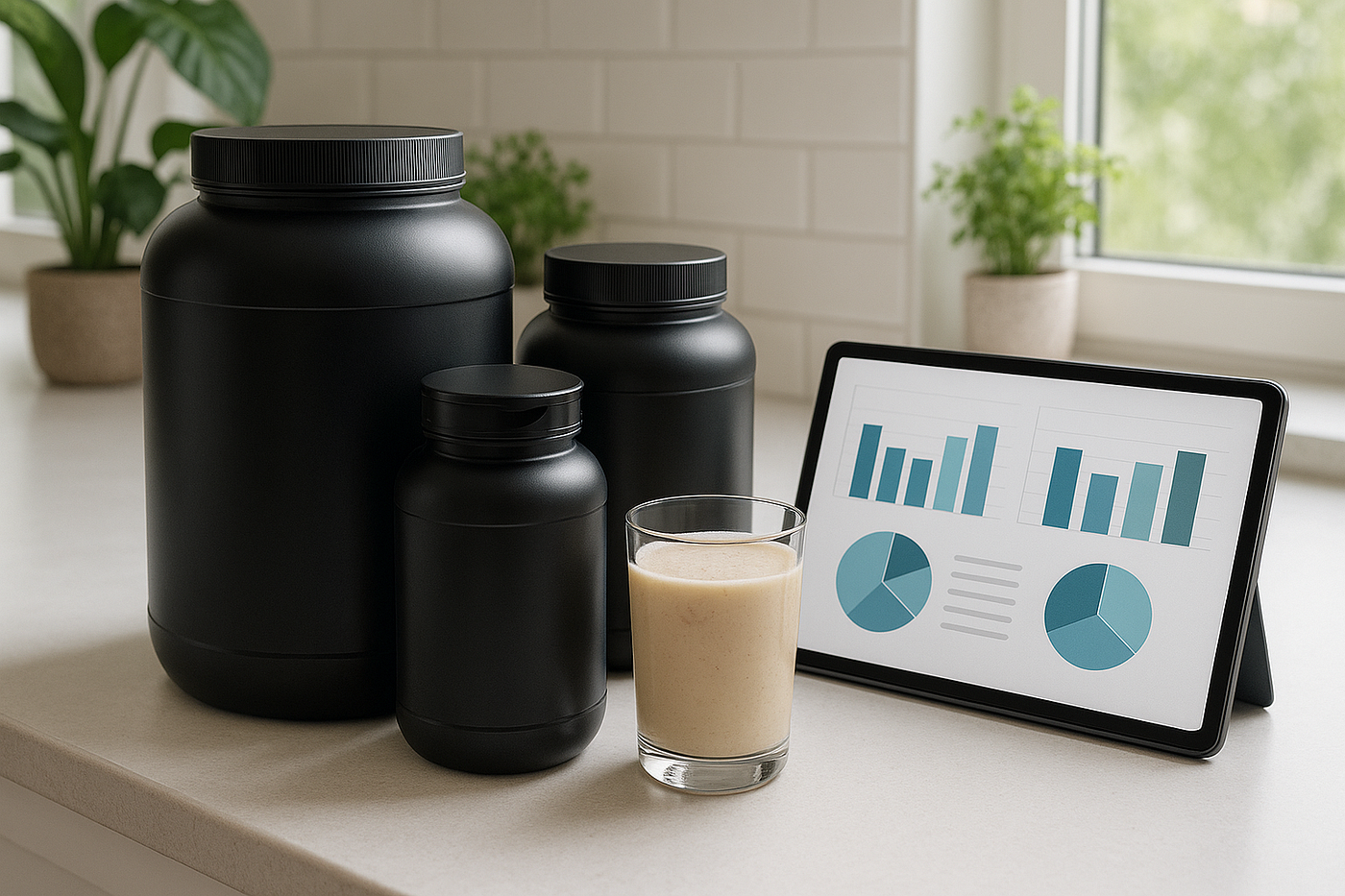
Protein supplements are everywhere these days. Whenever I walk into my gym or browse through my favorite health blogs, I see shelves and posts filled with protein shakes, powders, and bars. I remember when I bought my first protein tub and felt so proud of myself for taking my nutrition seriously. But back then, I only focused on the number of grams per scoop. Later I learned there’s something even more important: bioavailability.
I realized that if I want to improve my diet, build muscle, recover faster, or just get my money’s worth, I have to get what bioavailability means. I wish someone had explained this to me earlier, so here’s what I’ve discovered about it. I’ll share what bioavailability really means, how it shapes different protein supplements, why not all proteins work the same way, and how I use this info to reach my nutrition goals.
What Is Bioavailability?
When I first heard the word “bioavailability,” it sounded so technical. Now I know it’s just a way to measure how much of a nutrient my body can actually use after I eat it. A nutrition label may promise 25 or 30 grams of protein. That does not mean my body will use all those grams. Some of the protein is lost-my body never gets to use it.
Here’s how I think of it: bioavailability is like the score for how much of what I eat really helps my body, not just what I swallow.
How It Works
- When I eat protein (whether steak, eggs, or a shake), my digestive system breaks it down into amino acids.
- My intestine absorbs those amino acids into my bloodstream.
- Only these absorbed amino acids actually build my muscle, repair tissue, or do all the other important jobs that protein does.
- The percentage of protein that gets used this way is called its bioavailability.
Why Does Bioavailability Matter?
- Maximize your effort: If I work out hard, I want my body to actually use the protein I take.
- Save money: If the protein isn’t absorbed, I’m wasting my money. I don’t want to buy expensive powder that just passes through me.
- Support health: When I’m recovering from an injury or trying to get stronger, picking high-bioavailability protein helps my body get what it needs most.
Protein Source and Bioavailability
Animal Proteins: The Gold Standard
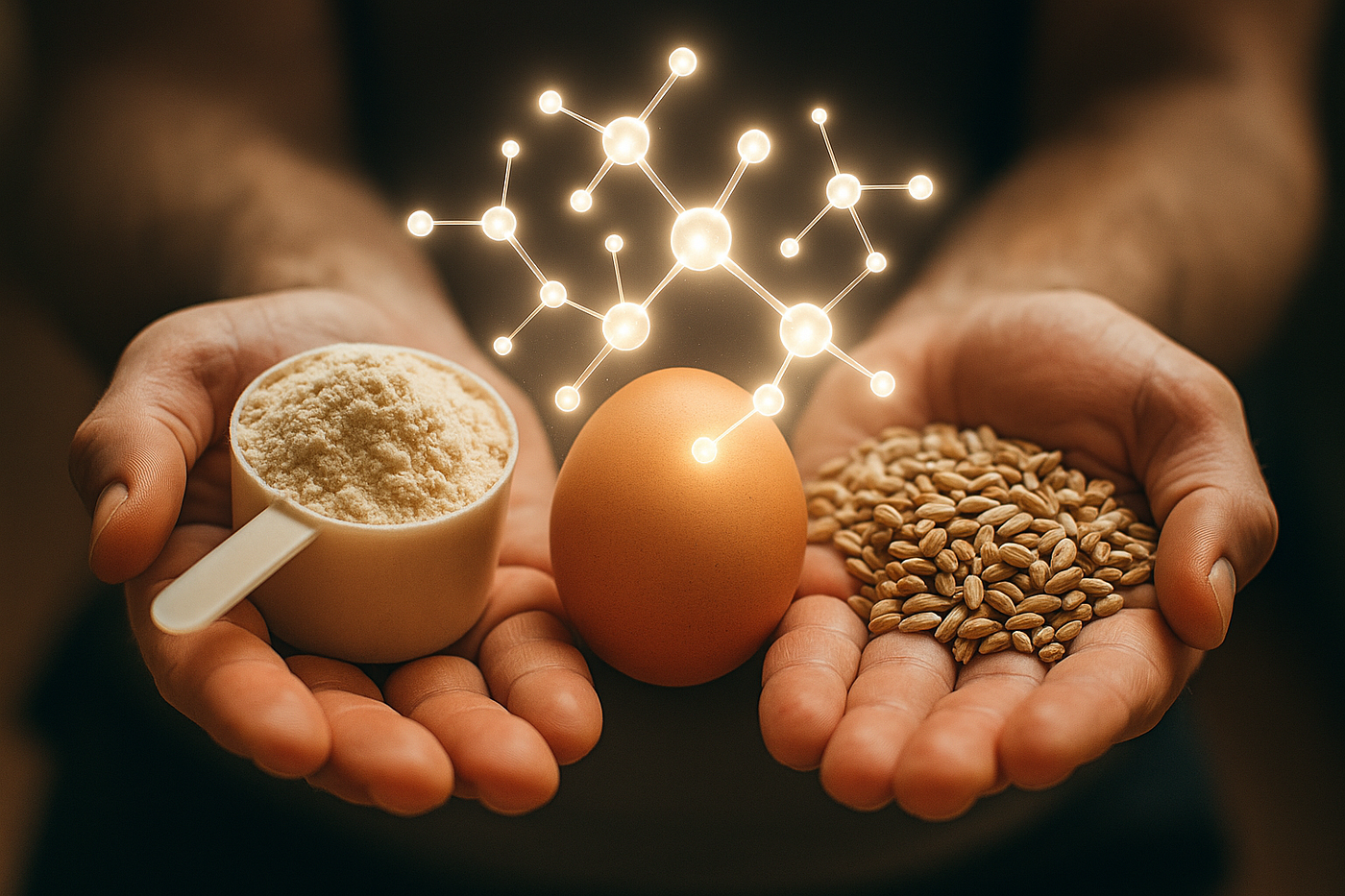
I learned that animal proteins (like whey, casein, eggs, dairy, meat, and fish) are called “complete” proteins. This means they have all nine essential amino acids. Animal proteins usually have high bioavailability-most are above 95 percent. Basically, almost all the protein on the label gets used by my body.
Examples:
- Whey Protein Isolate: This is almost perfect-nearly all of it gets absorbed.
- Egg Whites: Another favorite of mine. Super high bioavailability and a great amino acid profile.
- Meat, Poultry, and Fish: These also give my body all the amino acids it needs, in the right ratios.
Plant Proteins: More Complex
Plant proteins are trickier. They can be low or high in bioavailability depending on what they are. Many plant proteins do not have all the essential amino acids. Their bioavailability can go from as high as soy (about 95 percent for isolates) to under 50 percent for some grains and seeds.
I noticed that some plant proteins are bound up with fiber or other plant stuff, making them harder to digest. For example, I used to think wheat bran was healthy, but only about 40 percent of its protein is useful to my body.
Examples:
- Soy Protein Isolate: This one surprised me. About 90 percent bioavailability, which makes it a strong plant-based choice.
- Pea Protein: It’s high in some amino acids like leucine but low in others like methionine. I found out that you can mix it with rice protein to make up for what it lacks.
- Rice Protein: It’s high in methionine but low in lysine, so I combine it with pea protein for a complete mix.
Blended Proteins
I like plant-based eating sometimes, so I started using blended protein powders (pea and rice together, sometimes with seeds). These blends almost match the amino acid profile and bioavailability of animal proteins. It felt good to know I could get nearly the same results with a smart plant blend.
Measuring Protein Quality and Bioavailability
I wondered: how do scientists actually measure if my protein is good or not? They use a couple of main systems.
- PDCAAS (Protein Digestibility Corrected Amino Acid Score): I saw this on labels. It checks both amino acid content and how easy it is to digest the protein. The scale stops at 1.0.
- DIAAS (Digestible Indispensable Amino Acid Score): This is a newer method. It checks the essential amino acids in more detail. DIAAS gives a better picture of which proteins are highest quality.
What really stands out to me: Not every 20 gram scoop of protein gives the same results. Whey protein isolate might have a DIAAS score of 1.0 (or 100), but wheat protein can score just 0.4 (or 40). That means less than half the protein in some powders is actually doing work in my body.
Factors That Affect Protein Supplement Bioavailability
I’ve learned that not all supplements make the cut. Here are some things I look out for that can change how much protein I actually get:
- Processing: Whey isolate is more processed than concentrate. In this case, that’s a good thing. It improves how easy the protein is for my body to use and often removes lactose, which is great for my sometimes sensitive stomach.
- Formulation: Some powders add enzymes or are “pre-digested” (called hydrolyzed). This can make absorption a bit better, but for me and most people, it’s not necessary.
- My Gut Health: If I have gut issues (like IBS, low stomach acid, or celiac disease), or if I take certain meds, it makes it harder for my body to use all the protein.
- Other Foods: I notice if I eat protein with carbs and fats, digestion slows down a bit. That’s not bad-it can help my muscles use the protein better.
- Supplement Quality: I always check if my protein is third-party tested. This helps make sure the label is correct and the powder is clean and pure.
When looking for a protein supplement that maintains high bioavailability without unnecessary fillers or excessive processing, I have found that products like Chief Nutrition offer a real food-based option. Their approach focuses on minimally processed ingredients and transparent labeling, which addresses many of the bioavailability and digestion concerns that I care about, especially if I have dietary sensitivities or want to avoid additives.
Choosing The Right Protein for You
Picking a protein supplement can be confusing. Here’s how I handle it:
- If I can handle dairy, I buy whey concentrate. It’s affordable and has high bioavailability.
- If lactose bothers me, whey isolate is my go-to.
- At night, I take casein for a steady protein release when I sleep.
- If I want no dairy, I use egg white protein.
- On days I go plant-based, I pick a pea-rice blend or soy isolate. They give me good amino acids and high bioavailability.
- If I focus on building muscle, I look for high leucine content and complete essential amino acids.
- I remind myself that my total daily protein intake matters most. I try not to stress too much about tiny differences in absorption.
- Lastly, I buy proteins with third-party testing for safety and accurate labels.
Practical Advice for Boosting Protein Bioavailability
- I mix up my protein sources: A combo of animal and plant proteins gives me a full range of amino acids.
- I combine plant proteins: If I use plant powders, I blend types, like pea and rice, so I get a complete profile.
- I take my protein with meals: Eating protein with real food helps absorb more. It gets the digestive system working and keeps the flow of amino acids steady for my muscles.
- I take care of my gut: When my digestion is healthy, I confirm I am absorbing all the protein and other nutrients I eat.
- I check the label for fillers: Sometimes protein powders add gums, cheap fibers, or other stuff that can mess with my gut or lower absorption. I avoid those when I can.
FAQ
What does bioavailability mean in protein supplements?
Bioavailability is how much of the protein in a supplement is actually digested, absorbed, and used by my body. If bioavailability is high, I get more value for muscle repair, growth, and overall health.
Is plant protein less bioavailable than animal protein?
Most of the time, yes. Animal proteins usually have higher bioavailability. But I found that blended plant proteins (like pea and rice) and soy isolate can get very close to animal protein. That is good enough for most of my needs.
Does the form of protein (isolate vs. concentrate) affect bioavailability?
Yes, but not a huge amount for most healthy people. Isolates are more refined, so they have more protein and less lactose or fat in each scoop. This makes them easier to digest, especially if dairy gives me trouble. For most folks, though, concentrate works well too.
How can I maximize the bioavailability of my protein supplement?
I pick high-quality, third-party tested supplements. When I use plant protein, I blend different sources. I take my protein with meals and pay attention to my gut health. I also try to avoid powders with cheap fillers that might get in the way of absorption.
Conclusion: I used to only look at total grams on the label. Now I pay attention to bioavailability because it lets me get the most from my protein supplements. When I choose the right type and source, I feel better, see better results in my workouts, and know I am not wasting my money. So I keep this in mind: It’s not just what I eat-it’s what my body can use. Now I choose smarter, and I let the results show for themselves.
메타데이터
- post_id
- 9c2f2aff3700
- slug
- understanding-bioavailability-in-protein-supplements-what-you-need-to-know-9c2f2aff3700
- url
- https://medium.com/@elinnystromfitness/understanding-bioavailability-in-protein-supplements-what-you-need-to-know-9c2f2aff3700
- canonical_url
- https://medium.com/@elinnystromfitness/understanding-bioavailability-in-protein-supplements-what-you-need-to-know-9c2f2aff3700
- author_url
- https://medium.com/@elinnystromfitness
- status
- ok
- fetched_at
- 2026-06-11 15:16:29