Why Modern Games Feel So Manufactured, Part 1 of 3
Why Gaming Needs Flawed Characters, Real Conflict, and the Courage to Be Specific
Why Modern Games Feel So Manufactured, Part 1 of 3
Why Gaming Needs Flawed Characters, Real Conflict, and the Courage to Be Specific
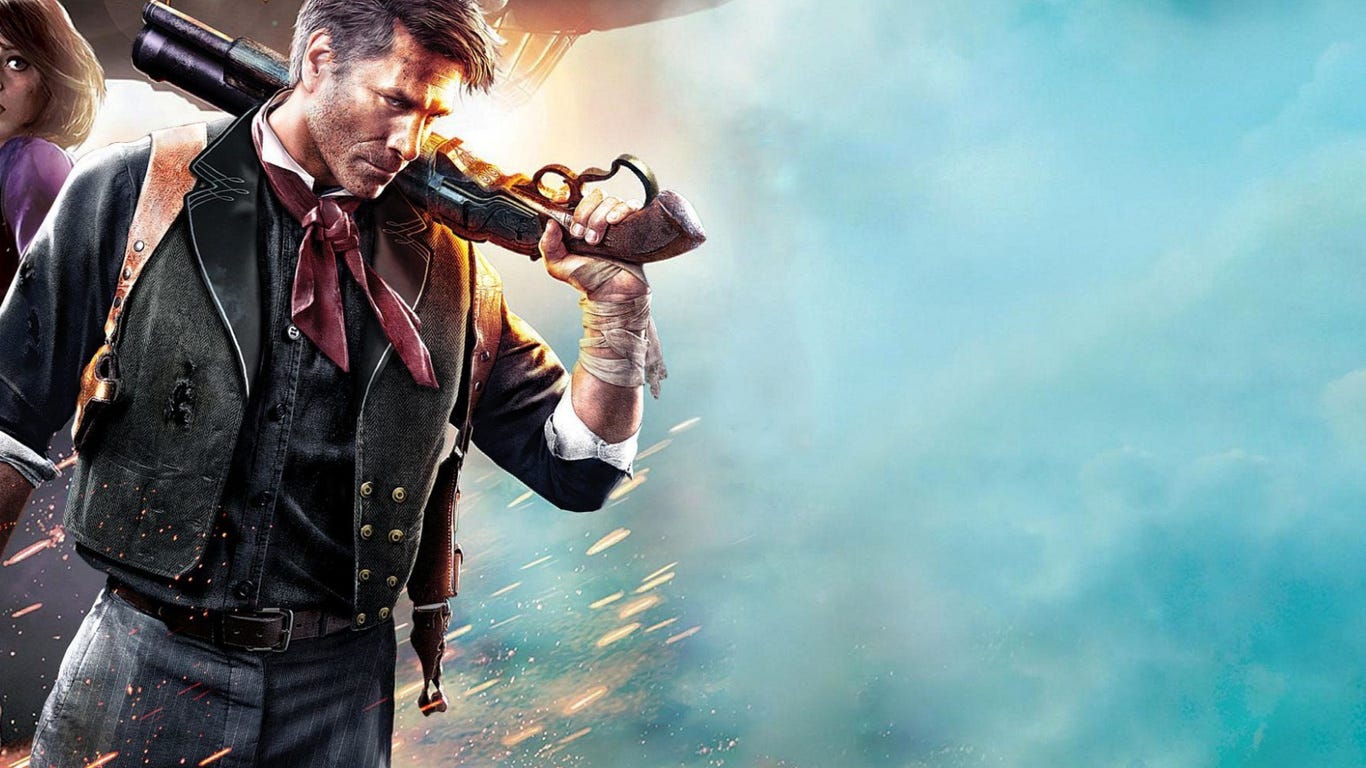
There is a strange thing happening in modern gaming. Characters are becoming cleaner. Safer. More agreeable. They are increasingly written as if every line of dialogue has to pass through a corporate approval board designed to make sure nobody, anywhere, could possibly dislike them.
And that is making a lot of games a lot less interesting.
I am not saying every character needs to be a psychopath. I am not saying every game needs to be dark, violent, vulgar, or built around people screaming slurs at each other for shock value. I am not advocating for games to glorify racism, homophobia, misogyny, cruelty, violence, or any other ugly part of humanity.
What I am saying is that stories need the freedom to portray ugly things if they want to say anything honest about human beings, and human nature.
A character can be wrong. They can be ignorant, selfish, violent, cruel, hypocritical, emotionally unstable, racist, homophobic, or just a complete asshole. That does not mean the game, film, or story agrees with them. It means the work is allowing a human being to exist as something more complicated than a walking HR seminar.
Lets be honest, people are complicated. They say fucked-up things, make excuses for themselves, hurt others, and carry prejudices they may have been raised with. Fear, ego, grief, anger, loyalty, and desperation can all push somebody toward choices they would otherwise never make.
Sometimes they learn. Sometimes they do not. Sometimes they become better, and sometimes they double down until they destroy themselves. That is conflict. That is character. That is storytelling. And gaming used to understand that more clearly.
Games Were Allowed to Be Weird
I grew up during the PlayStation 1, Dreamcast, Nintendo 64, PlayStation 2, Xbox, PlayStation 3, and Xbox 360 eras. I did not live through the earliest years of the medium, but I lived through the period when gaming felt like it was constantly figuring itself out in public.
The PS1 era was experimental and not always elegant. Controls could be strange. Cameras could be terrible. Stories could be messy. Some games were trying to become cinematic before the technology waseven ready for it. But that was part of the magic. Developers were taking risks because they were still discovering what games could be.
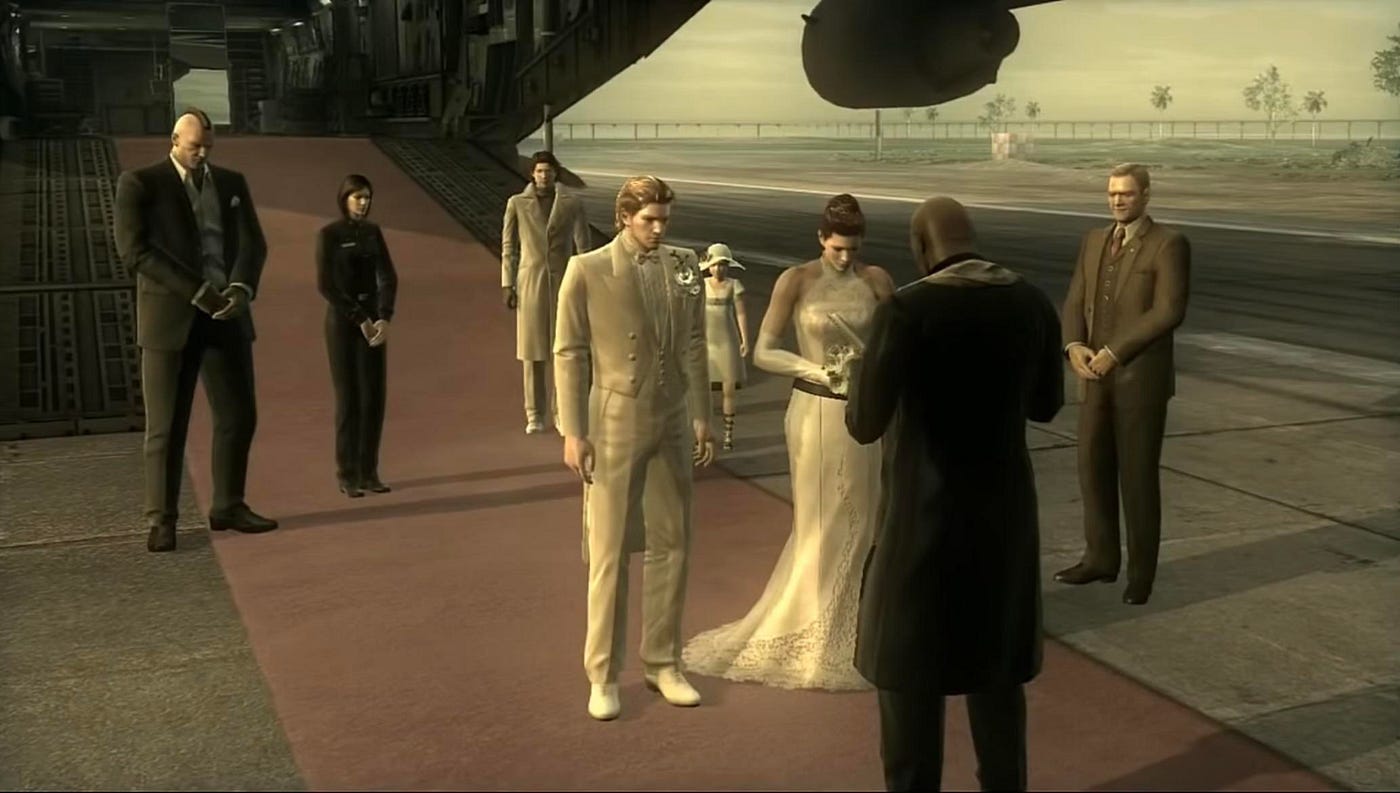
Metal Gear Solid was one of those risks. It wanted to be dramatic, political, cinematic, absurd, stealth-focused, action-heavy, and technically ambitious all at the same time. It wasn’t trying to be a product designed to offend nobody. It had a voice. It was so different and weird, but it had conviction.
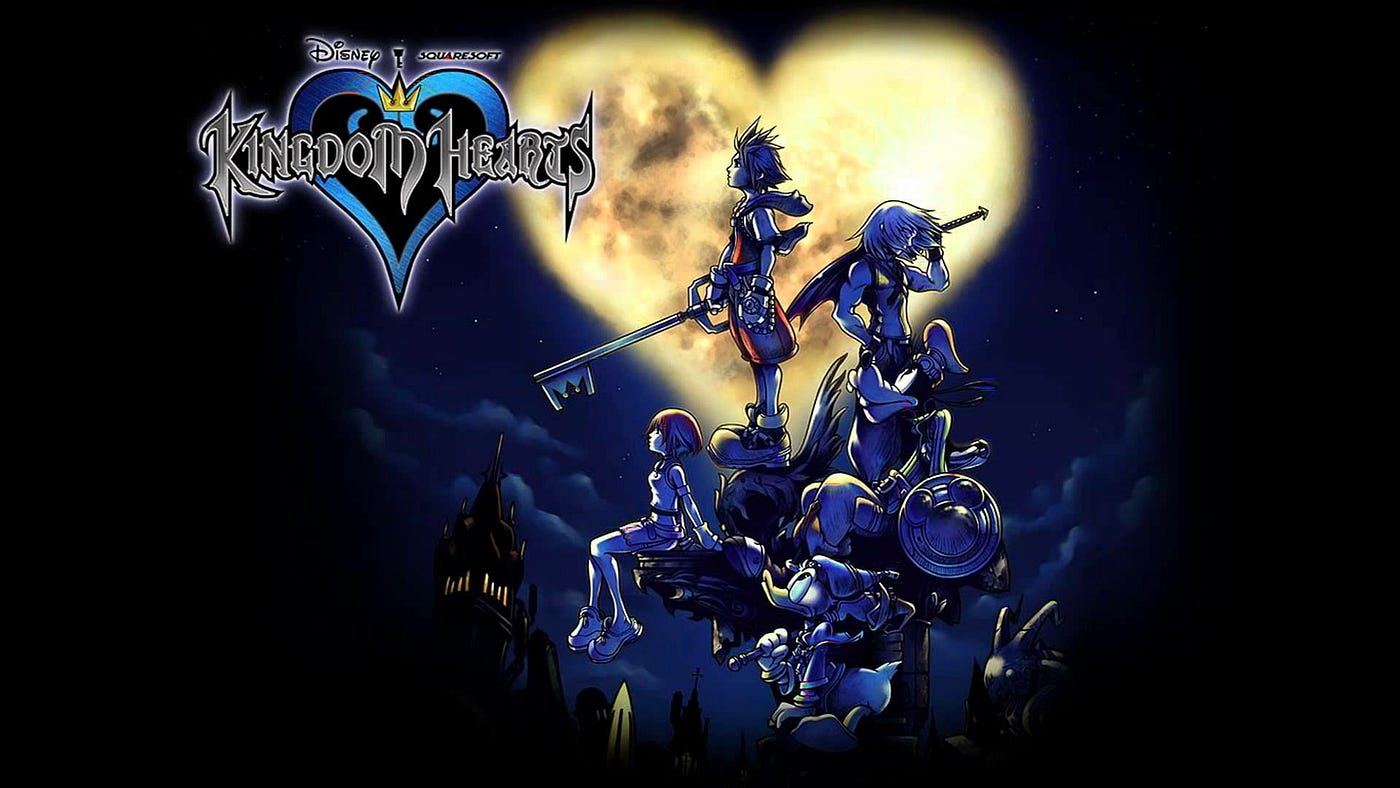
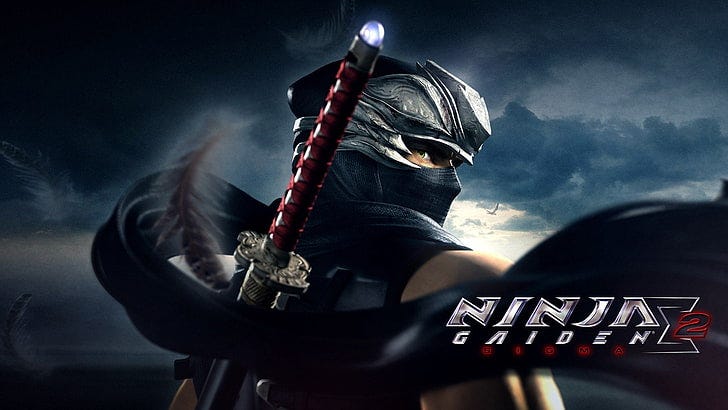
Then came the PS2 and original Xbox era, one of the most creatively alive periods gaming has ever had. Ratchet & Clank, Jak and Daxter, God of War, Ninja Gaiden Black, Devil May Cry, Star Wars: Battlefront, Prince of Persia, Resident Evil 4, Final Fantasy, Kingdom Hearts, Burnout, and Grand Theft Auto were all built around very different ideas of what a game could be.
They did not feel like they came from one universal set of design rules. Each had its own tone, mechanics, ambition, audience, and identity. They were not all designed for worldwide appeal in the way so many modern AAA products now seem to be. They were designed to be themselves.
There were goofy games, dark games, horny games, absurd games, violent games, emotionally sincere games, and games with dialogue that was dumb as hell. There were also games with genuinely excellent writing. The point is that they usually felt like somebody, somewhere, gave a fuck about making a specific game instead of building the safest possible product. That is what I miss.
Not every old game was better. Plenty were clunky, poorly written, ugly, sexist, badly balanced, or held together by luck and nostalgia. I am not interested in pretending the past was perfect simply because I grew up with it.
Older games were often more willing to have an identity. They could be awkward or abrasive. They could let a character be disliked. They could let the player sit in discomfort without immediately correcting that discomfort on the player’s behalf. They were willing to push boundaries.
Flawed Is Not the Same as Endorsed
Somewhere along the way, a lot of people forgot a basic rule of storytelling: depicting a bad belief is not the same as promoting it. A villain can be racist without the story being racist. A character can be homophobic without the game endorsing homophobia. A protagonist can be violent, selfish, reckless, or cruel without the player being asked to admire every decision they make. The entire point of many great stories is watching people collide with their own flaws.
Persona 4 is a useful example because it is exactly the kind of game people now revisit through a modern lens and decide needs to be cleaned up. The game has awkward material. It has material that can make people uncomfortable. It has characters who say ignorant things. But that is not automatically evidence that the game is endorsing everything those characters say.
Kanji Tatsumi’s story was not interesting because he was written as a perfectly polished, universally inoffensive teenager. It was interesting because he was confused, defensive, insecure, angry, and terrified of what other people might think about him. That is the point.
He is not introduced as a finished person who already understands himself. He is a teenager wrestling with masculinity, identity, attraction, social expectations, and the fear of being judged. The game allows him to be messy because it is trying to show someone struggling through something real.
When another character says something ignorant or makes an uncomfortable joke, the answer is not automatically to erase the moment from existence. The answer is to ask what the story is doing with that moment.
Is the game mocking the person being targeted? Is it celebrating the prejudice? Is it using it as cheap shock value? Or is it showing that the speaker is immature, ignorant, insecure, or wrong? Those are not the same thing.
If every flawed line gets removed simply because it might upset somebody without context, then what happens to growth? What happens to the character who begins as ignorant and learns better? What happens to confrontation? What happens to uncomfortable dialogue that lets the audience see a person’s limitations before they overcome them?
You cannot have meaningful growth if every character starts morally complete. You cannot have redemption if nobody is ever allowed to need redemption. You cannot have conflict if everybody is pre-approved to be right.
The Difference Between Being Liked and Being Interesting
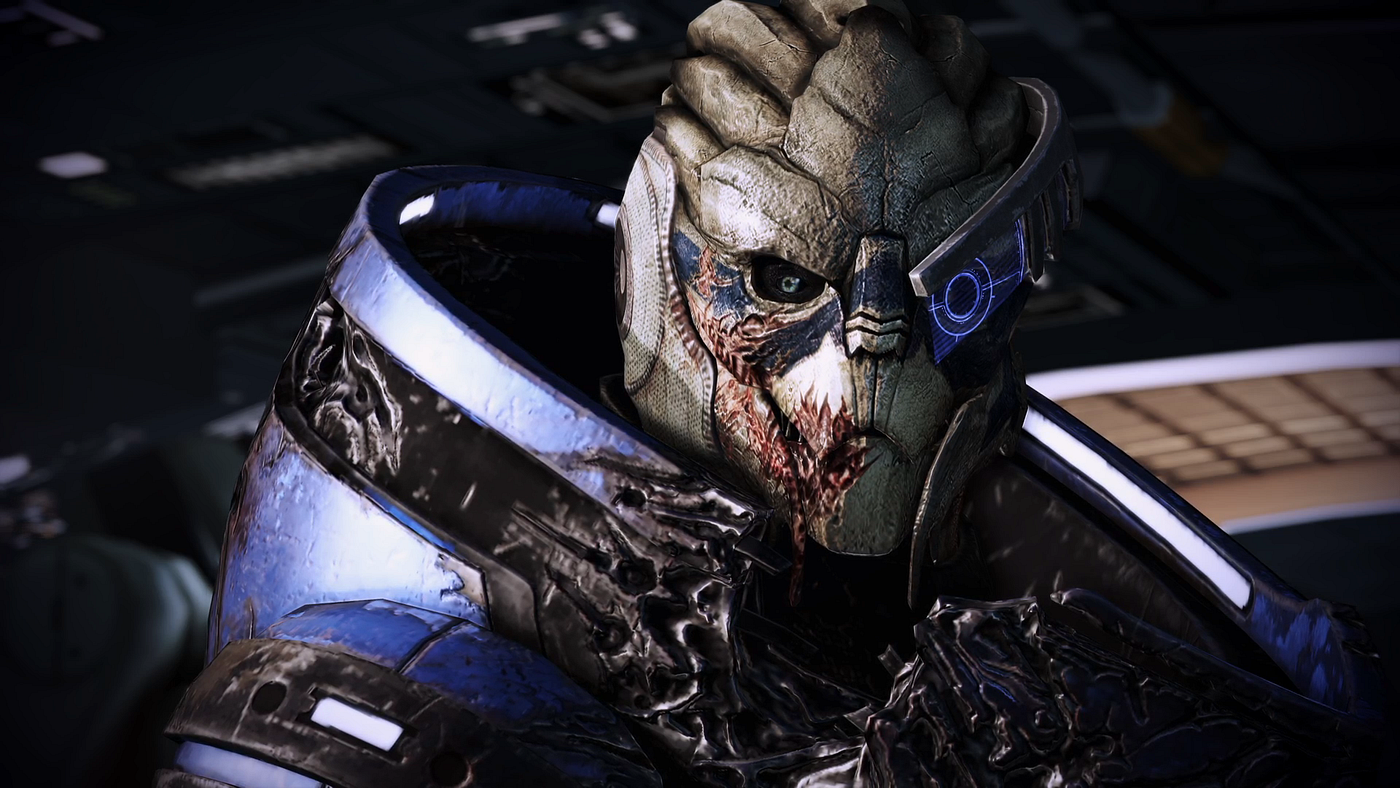
A character does not need to be likable to be compelling. Honestly, some of the best characters in gaming are memorable because they are difficult to like. Kratos was never designed to be your wholesome best friend.
In the Greek God of War games, he was a monster created by betrayal, grief, rage, and vengeance. That does not mean every action he took was morally justified. It means the games gave him a point of view that was clear enough to understand. The gods betrayed him, used him, manipulated him, and pushed him past the point of sanity. His response was monstrous, but it had internal logic.
You could understand how he got there even when you knew he was doing horrible things. That is what makes a character feel real. Not that they are good, or that they make the correct decision every time. Not that they speak in a way that has been checked for maximum public approval. Their actions make sense according to who they are, what they have lived through, and what they believe.
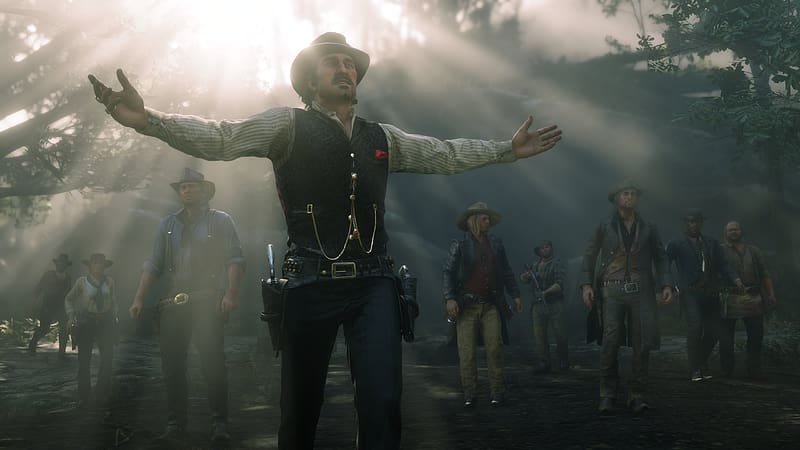
John Marston is another example. He is not a clean hero. He is a former outlaw and a killer trying to drag himself toward redemption while the world around him refuses to let him escape the consequences of who he was. Niko Bellic is a murderer for hire who is traumatized by war, betrayal, poverty, and the violence he keeps pretending he can leave behind. Trevor Phillips is a complete fucking maniac, but he works because Grand Theft Auto V understands what he is and does not pretend otherwise.
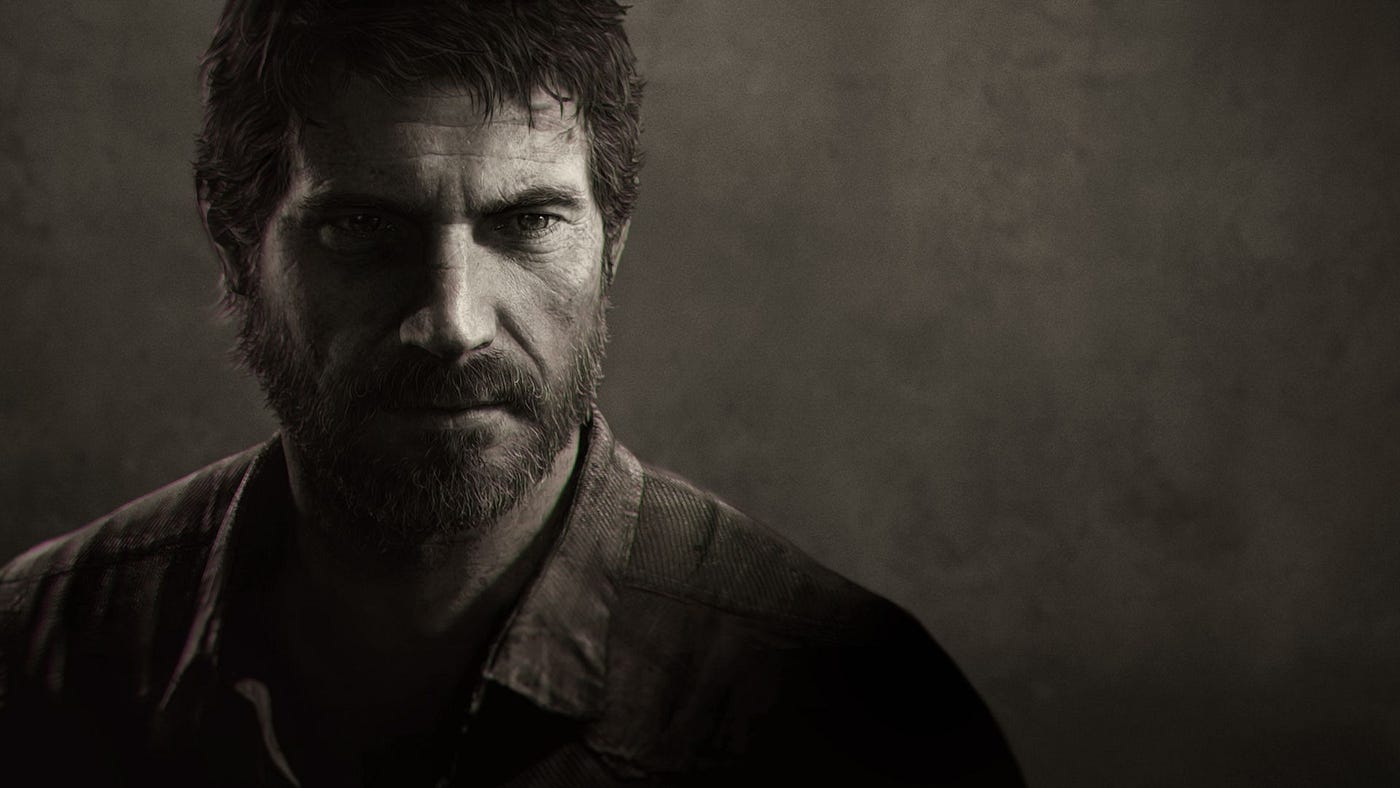
Joel from The Last of Us is not a morally pure man. He has done terrible things. He is deeply damaged. He is capable of love, loyalty, brutality, tenderness, selfishness, and unimaginable violence. His relationship with Ellie works because it is not clean. It is not simple or built to reassure you that every choice he makes is good.
It is built to make you feel the weight of what he chooses. That is what games can do when writers trust the audience enough to let a character be morally complicated.
A Character Needs Teeth
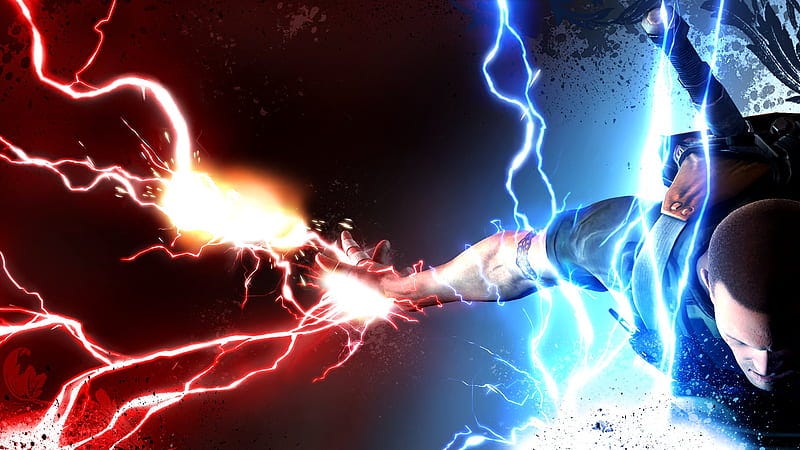
There is a difference between writing a good person and writing a bland person. A good character can be gentle, kind, brave, loving, heroic, optimistic, or noble. None of that is a problem. The issue begins when their goodness becomes a substitute for personality.
A character with no rough edges is hard to remember. A character who never makes a wrong call, never acts selfishly, never says the wrong thing, never loses their temper, never has a blind spot, and never makes anyone uncomfortable can start to feel less like a human being and more like a brand mascot.
That is the feeling I get from too many modern characters. They are constructed to be liked before they are constructed to be interesting.
They are written as if their first job is to reassure the audience that they are morally safe. Their flaws are often surface-level. They may be awkward or insecure. They may need to “believe in themselves.” But the flaws rarely threaten their image. They rarely make the player genuinely question them and fail to create tension that lasts longer than one scene.
The result is noise. Everyone talks in quips. Everyone has a little joke ready. They are emotionally available at exactly the right moment, flawed just enough to be relatable but never enough to be uncomfortable. After a while, none of them feel real.
This is why villains have become weaker too. A lot of modern villains are not allowed to just be evil, selfish, arrogant, sadistic, or power-hungry. They need a carefully packaged moral argument that makes them secretly correct in some way, even if their methods are too extreme.
Sometimes that works. A villain with a coherent worldview can be incredible. But sometimes a villain is just a piece of shit. Sometimes that is the point.
Frieza is not compelling because he is secretly misunderstood. He is compelling because he is arrogant, cruel, genocidal, theatrical, powerful, and completely convinced that everyone beneath him exists to be used or destroyed. He is memorable because he has presence.
Not all great villains need to be morally justified. They need to be written with clarity, personality, conviction, and enough force to push against the hero.
Not Every Game Needs the Same Tone
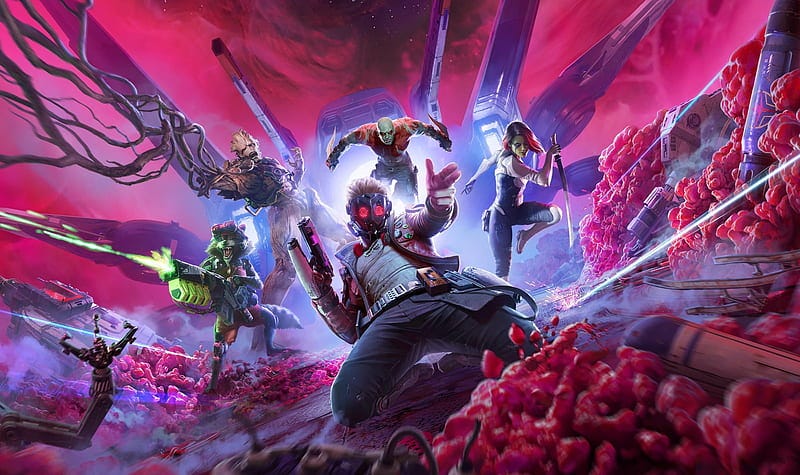
I am not arguing that every game needs to become Grand Theft Auto, God of War, Red Dead Redemption, or a Tarantino movie. That would be just as creatively limiting.
I do not want every game to be cynical. Not all games need to be miserable. I am not saying every character to be an antihero, every story to be drenched in blood, or every writer to confuse cruelty with maturity. I want variety.
There should be games like the souls genre, where gameplay mastery, atmosphere, discovery, challenge, and lore are the focus. There should be games like Telltale’s The Walking Dead, where player choices, tension, dialogue, and moral consequence drive the experience. There should be 10-hour Uncharted-style adventures, long RPGs, action games, horror games, character-action games, arcade games, experimental games, and games that are simply built around fun.
That is the strength of the medium. Gaming can combine art direction, music, acting, writing, animation, design, technical craft, player agency, and pure mechanical satisfaction in a way nothing else can. A game can make you feel the pressure of a fight, the isolation of an empty world, the dread of a decision, the triumph of beating a boss, or the grief of losing a character because you are not only watching it happen. You are participating.
It is so frustrating when major publishers act like every game needs to become one broad, universally palatable content product. Not every game needs to be for everyone. In fact, the games people remember most often are the ones that knew exactly what they were.
“Modern Audiences” Is Not a Creative Vision

The phrase “modern audiences” gets used constantly now. Usually, it is treated as if it means something obvious and unquestionable. But what does it actually mean?
Does it mean people today cannot understand flawed characters? That we cannot distinguish a character’s viewpoint from the story’s viewpoint? That we cannot handle uncomfortable dialogue if the narrative gives it context? That every old game must be rewritten because the world has changed?
Of course, standards change. Of course, older games should be examined critically. Some material has aged badly. Some jokes were lazy even at the time. Some games treated people horribly, and pretending otherwise is pointless. But critical examination is not the same thing as automatic censorship.
A remake does not have to preserve every weak line or outdated joke just because it existed in the original. But it should not flatten a story’s conflict just to avoid the possibility that someone will encounter an imperfect character. There is a difference between improving a story and disinfecting it.
When every sharp edge is sanded down, every ugly truth is reworded, every flawed person is softened, and every character has to speak like they attended the same media-training seminar, the work loses its teeth. That is not progress, it’s risk management.
The Corporate Fear Behind It

This is where the creative problem connects to the business problem. Big publishers want the largest possible audience. That is understandable. Games cost more to make, marketing costs more, technology costs more, and corporations want returns. Nobody is pretending companies in the PS2 or PS3 era were charitable organizations. They wanted money then, and they want money now.
The difference is that today’s biggest productions are often built around the idea that they must appeal to everybody, offend nobody, sell forever, monetize indefinitely, and become a safe investment across as many markets as possible. That pressure changes the work.
It changes which stories get approved and what dialogue gets questioned. It softens characters, narrows which risks seem worth taking, and determines what kinds of games are allowed to be strange, aggressive, sexual, politically messy, satirical, niche, difficult, or unapologetically specific.
And when you try to make something for everyone, you often make something that does not hit hard for anyone.
Red Dead Redemption is not remembered because it was designed to make every player feel morally comfortable. It is remembered because it created a world full of desperate, damaged, violent people trying to survive as the world changes around them.
Grand Theft Auto IV did not give us Niko Bellic because Rockstar was trying to make a clean, universally relatable icon. They gave us an immigrant veteran carrying trauma, guilt, rage, and a willingness to kill for money because that character fit the story they wanted to tell. That is authorship.
The industry does not need every developer to become Rockstar. It needs more companies to understand the principle. People respond to games that feel like they were made with conviction.
Let Characters Be Human
There is a weird modern instinct to treat fiction as if it is a moral instruction manual.
If a character is bad, someone assumes the work must be endorsing them. If a character says something ugly, somebody assumes the writer agrees. If a story allows an uncomfortable moment to exist, somebody asks why it was not removed before release.
But fiction is not a training video. Art does not become more ethical because every person inside it behaves correctly. Art is supposed to make you uncomfortable. Sometimes a character is supposed to make you angry. you are supposed to look at someone and think, “What the fuck is wrong with this person?”
You are supposed to watch them change. And sometimes you are supposed to watch them refuse to change, make everything worse, and become the reason the story ends in tragedy. That is life. That is drama. That is where the interesting shit is.
Games should be allowed to have morally good heroes. They should be allowed to have wholesome stories. They should be allowed to have family-friendly characters and bright, optimistic worlds.
But they should also be allowed to have selfish heroes, cruel villains, sex, violence, ugliness, anger, prejudice, hypocrisy, and characters who are wrong. Not because those things are good. Because pretending they do not exist does not make art more mature. It makes it less honest.
Gaming does not need more shock value for the sake of shock value. It needs more confidence. It needs writers and studios willing to make characters who can be flawed, disliked, complicated, difficult, funny, ugly, tragic, sexy, hateful, loving, hypocritical, and human. The industry needs to stop confusing an imperfect character with an immoral game, and it needs to stop treating “modern audiences” like a creative philosophy.
If the only characters corporations are willing to approve are clean, agreeable, market-tested mascots, then the medium is not becoming more thoughtful. It is becoming flatter. And gaming is too powerful an art form to let it become that fucking boring.
메타데이터
- post_id
- 9c8f19bc22c3
- slug
- why-modern-games-feel-so-manufactured-part-1-of-3-9c8f19bc22c3
- url
- https://medium.com/@dragonemag/why-modern-games-feel-so-manufactured-part-1-of-3-9c8f19bc22c3
- canonical_url
- https://medium.com/@dragonemag/why-modern-games-feel-so-manufactured-part-1-of-3-9c8f19bc22c3
- author_url
- https://medium.com/@dragonemag
- status
- ok
- fetched_at
- 2026-07-26 21:44:25