Organ Transplantation Procedure A Lifesaving Medical Miracle
Organ transplantation is one of the most remarkable achievements in modern medicine. It offers new hope to patients suffering from…
Organ Transplantation Procedure A Lifesaving Medical Miracle
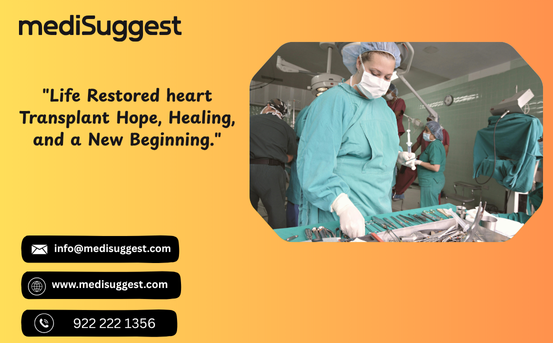
Organ transplantation is one of the most remarkable achievements in modern medicine. It offers new hope to patients suffering from end-stage organ failure giving them a second chance at life. The organ transplantation procedure involves replacing a diseased or failing organ with a healthy one from a donor. This complex and highly specialized process has transformed countless lives across the world, showcasing the perfect blend of medical science, technology, and humanity.
What Is Organ Transplantation?
Organ transplantation is a surgical procedure in which a damaged or non-functioning organ is replaced by a healthy organ from a donor. The donor may be living or deceased, depending on the organ being transplanted. Commonly transplanted organs include the kidney, liver, heart, lungs, pancreas, and intestines. In addition, tissues such as corneas, skin, bone marrow, and heart valves can also be transplanted.
This procedure is often considered the last line of treatment when all other medical or surgical options have failed to restore normal organ function.
When Is an Organ Transplant Needed?
Organ transplantation is recommended when an organ becomes so damaged that it can no longer perform its normal function, leading to life-threatening complications. Some of the common reasons include:
- Chronic kidney disease or kidney failure
- Severe liver cirrhosis or liver failure
- Heart failure due to cardiomyopathy or coronary artery disease
- Lung diseases like COPD or pulmonary fibrosis
- Pancreatic failure in severe diabetes
For these patients, a transplant can dramatically improve quality of life and increase longevity.
Steps Involved in the Organ Transplantation Procedure
The organ transplantation procedure is a detailed and carefully planned medical process that involves multiple stages:
1. Evaluation and Registration
The first step is a thorough medical evaluation to determine whether the patient is a suitable candidate for transplantation. This includes blood tests, imaging, psychological assessment, and a review of overall health. Once approved, the patient is registered on the transplant waiting list.
2. Donor Matching
Matching a donor organ with the recipient is a crucial step. Compatibility is determined based on blood type, tissue type, organ size, and medical urgency. For living donors, this process ensures that the donor can safely give the organ without compromising their own health.
3. The Surgery
Once a matching organ is available, the transplantation surgery is scheduled immediately. The damaged organ is surgically removed and replaced with the healthy donor organ. The duration of surgery varies depending on the organ type kidney transplants may take 3–4 hours, while heart or liver transplants can last up to 12 hours.
4. Post-Transplant Care
After the surgery, patients are kept under intensive medical observation. Immunosuppressive medications are given to prevent organ rejection, as the body’s immune system may identify the new organ as a foreign object. Regular follow-up visits and lab tests are essential to monitor recovery and organ function.
Risks and Complications
Like any major surgical procedure, organ transplantation carries certain risks such as infection, bleeding, or organ rejection. However, with advanced surgical techniques, improved immunosuppressive drugs, and strict post-operative care, success rates have significantly improved over the years.
Life After Organ Transplantation
Life after an organ transplant requires discipline, regular medical checkups, and a healthy lifestyle. Patients must adhere to prescribed medications, avoid infections, eat a balanced diet, and maintain emotional well-being. With proper care, many transplant recipients lead normal, active, and fulfilling lives for decades.
Conclusion
The organ transplantation procedure represents a powerful symbol of medical innovation and human compassion. It is not just a surgery — it’s a bridge between life and hope. While the process involves complexity and challenges, the outcomes are often life-changing. By increasing awareness about organ donation and improving medical infrastructure, more lives can be saved every year.
At **MediSuggest, we help patients connect with leading transplant centers, expert surgeons, and post-operative care teams for a smoother journey toward recovery and renewed life. 📞 Call Now: 9222221356 🌐 Visit: https://medisuggest.com/ 💬 WhatsApp: Chat directly for support and consultation 📱 Download MediSuggest App from App Store / Play Store** to explore trusted hospitals, doctors, and treatment options instantly.
메타데이터
- post_id
- 9cbf58fa4efd
- slug
- organ-transplantation-procedure-a-lifesaving-medical-miracle-9cbf58fa4efd
- url
- https://medium.com/@kscssh12/organ-transplantation-procedure-a-lifesaving-medical-miracle-9cbf58fa4efd
- canonical_url
- https://medium.com/@kscssh12/organ-transplantation-procedure-a-lifesaving-medical-miracle-9cbf58fa4efd
- author_url
- https://medium.com/@kscssh12
- status
- ok
- fetched_at
- 2026-07-16 01:00:24



