Why We Like What We Wear: The Cognitive Biases Behind Uniform Design
Uniforms do more than just create a cohesive look for a team or organization. They influence how we think, feel, and perform. In fact…
Why We Like What We Wear: The Cognitive Biases Behind Uniform Design
Uniforms do more than just create a cohesive look for a team or organization. They influence how we think, feel, and perform. In fact, multiple studies show that specific design choices — such as color, style, or cultural references — can shift perception and behavior.
If you’ve ever wondered why certain uniforms appeal to us more than others, or why a new design boosts sales, you’re already asking the right questions. This post will explore the fascinating research and practical insights that explain Why We Like What We Wear: The Cognitive Biases Behind Uniform Design.
A study in the *Journal of Sport Behavior* revealed that teams in red uniforms often have higher win rates, hinting at a psychological boost from color choice. Meanwhile, black uniforms can appear more aggressive, influencing everything from an athlete’s self-perception to a referee’s calls. At its core, uniform design is a blend of psychology and strategy.
Organizations like Nike, Adidas, and Under Armour understand these hidden influences well, producing uniforms that help teams feel united, confident, and ready for action. Whether you’re a coach picking new designs or a designer looking to impress clients, understanding Why We Like What We Wear: The Cognitive Biases Behind Uniform Design can help you make data-driven decisions that resonate with people’s deeper instincts.

Understanding the Basics of Why We Like What We Wear: The Cognitive Biases Behind Uniform Design
Uniforms shape our group identity, which is a core reason we connect so deeply with certain colors and styles. According to a study in the *European Journal of Social Psychology*, wearing uniforms boosts group cohesion and encourages team members to act in unison.
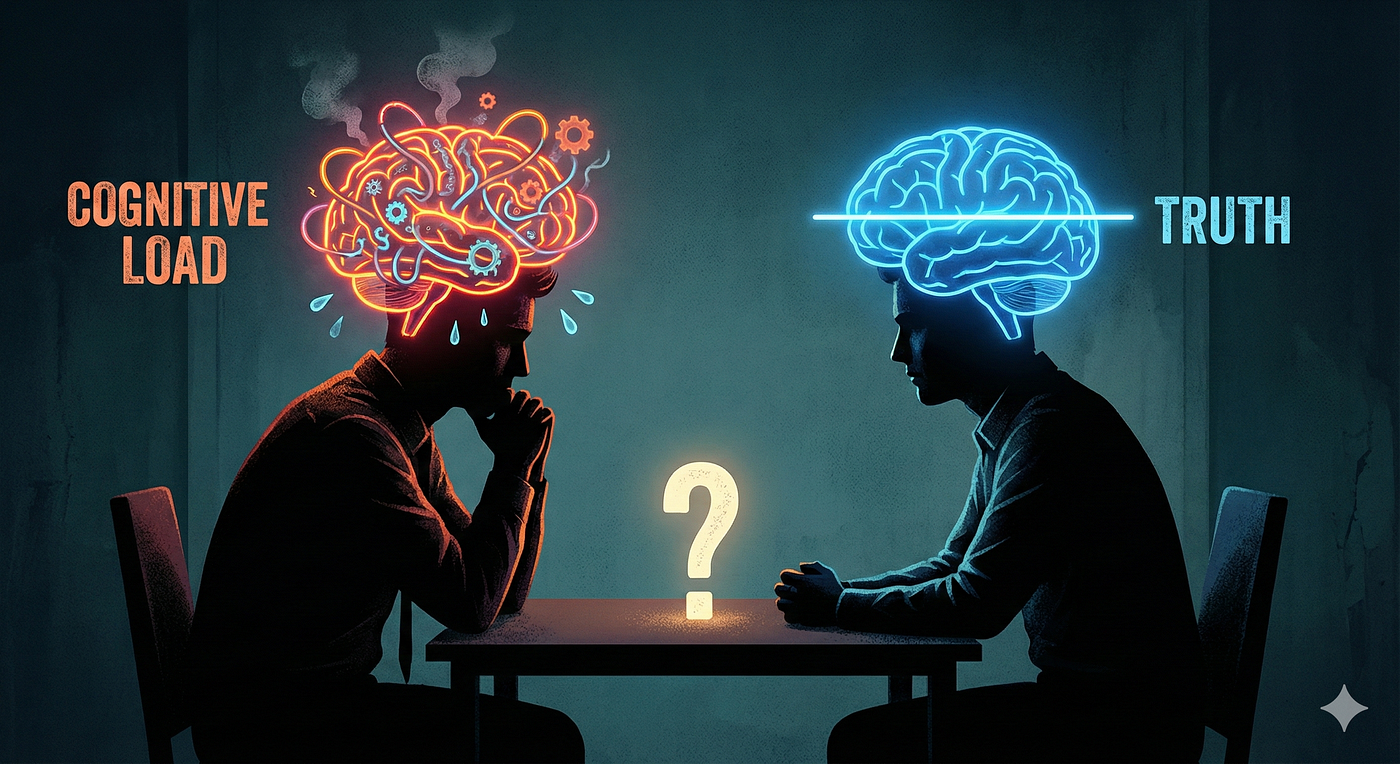
This ties into the concept of cognitive bias, where our brains form shortcuts in decision-making. When we see a uniform, we often make automatic judgments about the group wearing it, creating immediate impressions of loyalty, competence, or even aggression.
Defining Cognitive Bias and Group Identity
- Cognitive Bias: These are systematic patterns where our judgments deviate from rational thinking. In uniform design, colors, logos, and styles can trigger these biases.
- Group Identity: This describes how individuals define themselves as part of a group. Uniforms serve as a strong visual link to that identity, symbolizing shared values and goals.
Because of these mental shortcuts, first impressions are formed quickly — often within 7 seconds, as noted by *Social Psychological and Personality Science*. That initial perception can have lasting effects. For example, a black uniform might signal power but also aggression, affecting how referees penalize a team.
In contexts like corporate settings, a uniform might frame employees as professional and trustworthy. According to the Uniform Retailers Association, 75% of consumers say uniforms make employees seem more professional, directly affecting brand identity.
By understanding these underlying biases, you can make conscious, strategic choices about color and style. The benefits are far-reaching — from boosting team morale to driving merchandise sales.

The Role of Color in Why We Like What We Wear: The Cognitive Biases Behind Uniform Design
Color psychology is one of the most influential factors in uniform appeal. Research in the *Journal of Business Research* shows that up to 90% of snap judgments about products are based on color alone.
The same principle applies to how we react to sports and business uniforms. A bright color might energize fans to buy more team merchandise, while softer tones might soothe customers in a service setting.
Powerful Effects of Specific Colors
- Red: A Journal of Sport Behavior study found teams wearing red often have higher win rates. Red can signal dominance and vigor, giving some athletes a subtle mental edge.
- Black: Research from the Journal of Personality and Social Psychology shows black uniforms are often viewed as more aggressive. This can affect both player instinct and officiating calls.
- Blue: Often associated with calmness and trust. Corporate environments frequently choose navy or royal blue to promote professionalism and reliability.
- Green: Linked to nature and balance, green can be an uplifting choice for teams promoting harmony and growth.
Choosing the right color isn’t just an aesthetic decision. It’s also a strategic one. Cultural background further complicates color preferences, as seen in a study from the *International Journal of Design*. For instance, while white symbolizes purity in some cultures, it can signify mourning in others. Organizations like the International Colour Authority and Pantone help designers navigate these complexities by providing color matching systems and global forecast data.
Cultural Considerations in Why We Like What We Wear: The Cognitive Biases Behind Uniform Design
When teams or companies have diverse backgrounds, understanding how design elements are perceived across different cultures is crucial. Colors, symbols, and even fit can mean different things to different people. This is where research-based insights come into play.
Why Culture Matters
A uniform that looks appealing in one context might send the wrong message in another. For example, certain color choices that evoke excitement in Western cultures might be seen as too flashy in some Eastern cultures.
Globally recognized companies like Adidas and Champion Teamwear often consult regional experts to ensure designs align with local values. By being mindful of cultural nuances, these brands improve group solidarity, make fans or employees feel respected, and ultimately boost engagement.
Modern Inclusivity Trends
Today, there is growing emphasis on size inclusivity and wearability for all body types. This reflects the broader trend of customization and personalization. According to a *Journal of Applied Psychology* study, employees who feel comfortable and acknowledged in uniform choices are 20% more productive.
Designers and organizations that focus on inclusive sizing gain an edge, offering uniforms that not only look good but also fit well. Whether you’re designing for a sports team or a large company, adopting inclusive principles helps you respect individual identities while still promoting unity.
Influencing Performance and Sales through Why We Like What We Wear: The Cognitive Biases Behind Uniform Design
Uniform choices don’t just influence team unity; they also impact financial outcomes. One major factor is merchandise sales. According to Statista, 65% of sports fans are more likely to buy items if the team uniform design appeals to them.
A notable example is the NFL’s Seattle Seahawks, whose uniform redesign in 2012 led to a 50% jump in merchandise sales. This demonstrates how seemingly small details can spark big changes in consumer behavior.
Tying Design to Performance
Team performance is also linked to uniform design. When athletes feel more confident in what they wear, that confidence can translate into better on-field or on-court results. Under Armour, for instance, specializes in performance apparel that manages heat and sweat.
These ergonomic features make players feel more comfortable, freeing them to focus on the game. Champion Teamwear similarly integrates technology, offering uniforms that help maintain an athlete’s optimal body temperature.
Beyond sports, brand identity plays a big role in the corporate world. A cohesive uniform helps employees feel aligned with company values, boosting morale and professionalism.
The Association of Uniform Manufacturers and Distributors notes that a professional uniform can elevate how customers perceive a brand, increasing trust and loyalty.
Tools and Resources for Effective Uniform Design
Developing a design that balances aesthetics, functionality, and cultural sensitivity might seem complicated. Fortunately, several tools and resources can help:

- Adobe Illustrator: Ideal for creating detailed mockups.
- CLO 3D: Allows designers to see how a uniform will look and move in a virtual environment.
- Pantone Color Finder: Ensures you select consistent hues across different mediums.
- Canva: Beginner-friendly tool for basic layouts and branding presentations.
- **WGSN**: Offers trend forecasting to keep your designs fresh and relevant.
When picking design software, consider your specific goals. Adobe Illustrator and Pantone Color Finder might suffice for simpler projects, while CLO 3D offers more advanced visualization. All these tools boost efficiency, cut costs on physical samples, and allow for quick feedback from clients or team members.
Conclusion
Why We Like What We Wear: The Cognitive Biases Behind Uniform Design extends far beyond logos and color choices. It incorporates psychology, culture, brand identity, and human perception.
Studies show color alone can sway our buying decisions, which is why a simple swap in shade can lead to a notable jump in team merchandise sales. Reliability, loyalty, and aggression are all attributes people might unconsciously assign to a uniform based on its color scheme and style.
By acknowledging the power of these mental shortcuts, teams and organizations can make more informed decisions. Whether you’re relying on software like CLO 3D or Pantone Color Finder, studying trends from WGSN, or tapping into insights from industry giants like Nike and Adidas, you have the means to craft uniforms that resonate with your audience at a deeper level.
From the standpoint of sustainability — where eco-friendly fabrics meet performance — to inclusive sizing, companies are now combining technology, marketing, and psychology to create optimal uniform designs.
Ultimately, Why We Like What We Wear: The Cognitive Biases Behind Uniform Design reminds us that style is never just style. Each design element holds meaning, drives cohesion, and shapes how people feel.
With fresh trends emphasizing sustainability and personalization, designers and decision-holders can create uniforms that not only look appealing but also bring people together. Harness these insights wisely, and you’ll have a uniform that serves as both a statement of identity and a strategic advantage.
메타데이터
- post_id
- 9cc4b1589a69
- slug
- why-we-like-what-we-wear-the-cognitive-biases-behind-uniform-design-9cc4b1589a69
- url
- https://medium.com/@style-by-committee/why-we-like-what-we-wear-the-cognitive-biases-behind-uniform-design-9cc4b1589a69
- canonical_url
- https://medium.com/@style-by-committee/why-we-like-what-we-wear-the-cognitive-biases-behind-uniform-design-9cc4b1589a69
- author_url
- https://medium.com/@style-by-committee
- status
- ok
- fetched_at
- 2026-09-03 09:00:32