They Called Me Gullible
An essay on being called gullible, growing up trusting others, and learning to wait and observe without abandoning belief in people.
They Called Me Gullible
What Happens When Belief Is Mistaken for Weakness

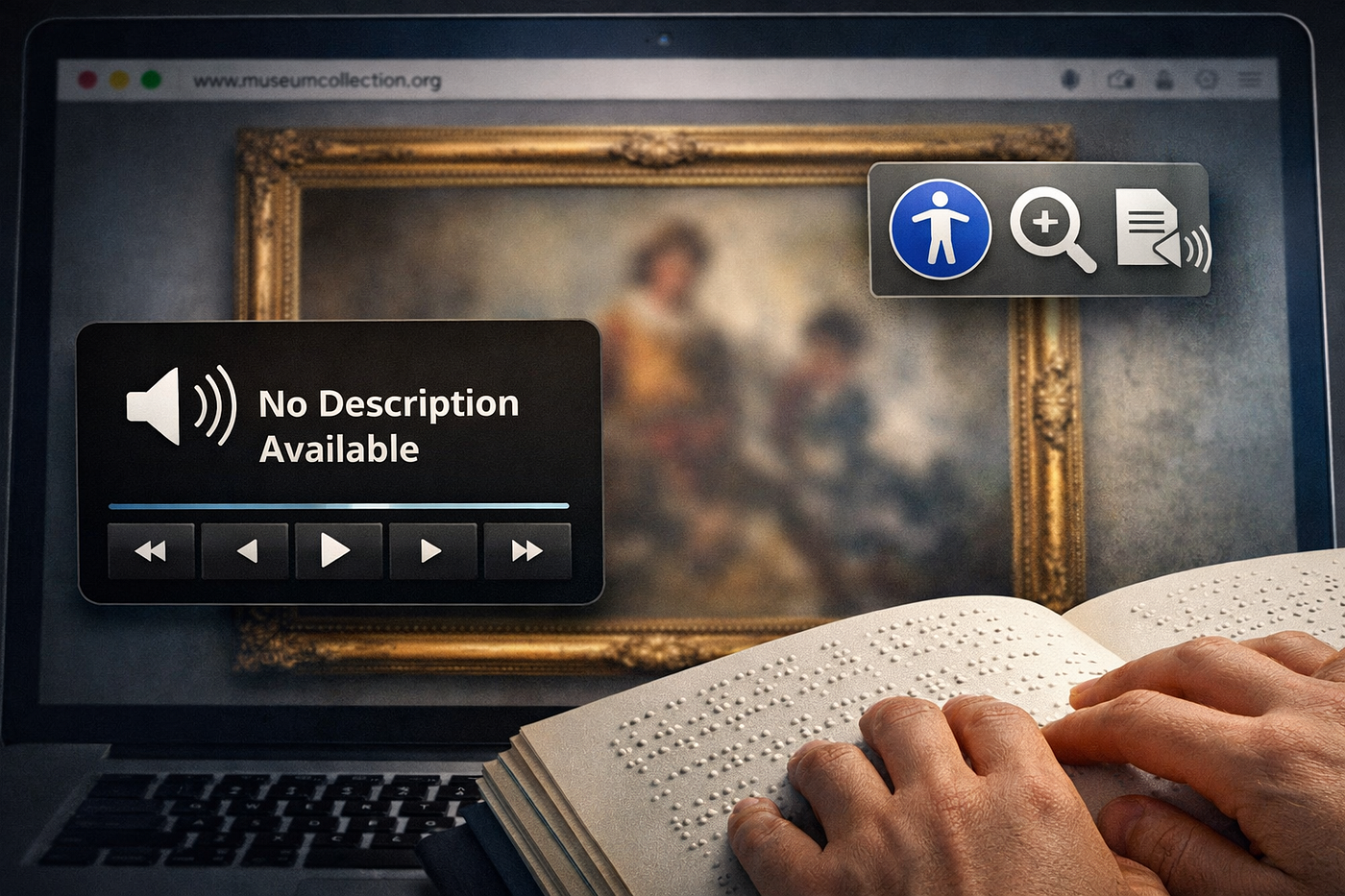
Photo by Elliott Chau on StockSnap.
When I was younger, people liked to tell me I was gullible. They would say something that wasn’t true, sometimes obviously so, and wait for me to accept it at face value. When I did, they laughed. The joke wasn’t the story itself. The joke was me, and the moment of realization was always the payoff.
I remember one time someone told me something so clearly false, something about a teacher leaving in the middle of the school year, and I accepted it without question. They laughed immediately. Not because it was clever, but because I had believed it.
At the time, I didn’t understand why this kept happening. I only knew that something about me invited the test. People seemed curious about how easily I could be misled, as if my response were something to be tried out just to see what would happen.
What they called gullible, I understood as a willingness to believe.
I believed what people said because I assumed they meant it. I didn’t imagine deception could be casual. I didn’t expect people to create falsehoods simply to enjoy the moment of being right or in control. That wasn’t how I thought, so it wasn’t how I expected others to think either. I took words seriously. I believed they mattered.
I treated words as enough, before there was anything else to base them on.
That difference was treated as a flaw. I was told to be more skeptical, more careful, and less open. Don’t believe everything you hear. Question it. Verify it. What was never said directly, but always implied, was that my way of moving through the world made things easier for other people, easier to test, easier to manipulate, easier to turn into something they could control.
Over time, I adjusted. Not all at once, and not without discomfort. I learned to pause before accepting what I heard, to let stories unfold instead of taking them at face value. I learned to notice inconsistencies without reacting immediately, to give things time to reveal whether they were accurate.
That shift didn’t feel like a decision. It felt like something I had to learn in order to avoid being put in the same position again.
Belief changed first. I stopped accepting what I heard at face value and began to wait. Over time, that shifted how trust formed as well. It moved away from words and toward what repeated.
Experience teaches you that not everyone speaks in good faith. Some people bend reality, test boundaries, or enjoy watching others adjust around them. You begin to recognize patterns that were invisible before, not because they weren’t there, but because you didn’t expect them.
Looking back, what stands out is how quickly that original instinct, to believe, to assume honesty, was treated as something to correct. Not because it was wrong, but because it made other people uncomfortable. It removed a layer of distance that others relied on. It made interactions more direct than they were used to managing.
“Don’t be gullible” rarely meant improve your judgment.
It meant protect yourself from other people.
Don’t offer belief too quickly. Don’t make it easy. Don’t let your openness be visible. That kind of adjustment doesn’t just change how you respond. It changes how you orient yourself in every interaction that follows.
Even now, I am still trusting, but differently. I listen more than I speak. I allow time to do some of the work belief used to do immediately. I don’t rush to decide what something means or whether it’s true. I let behavior confirm or contradict what was said.
There are moments where I still feel that earlier instinct, the immediate acceptance of what someone says, the assumption that it’s meant as it was delivered. Now it’s followed by a pause, not driven by doubt, but by awareness that not everything is said in the same way or for the same reason.
Trust didn’t disappear. It just stopped forming from words alone.
I haven’t become suspicious of everyone. I’ve become more deliberate about what I accept and when I accept it. I’ve learned to separate openness from immediacy, to allow one without requiring the other.
What I resist is the idea that trust itself should be erased, that the goal of maturity is to assume the worst and be proven wrong, rather than to begin with openness and adjust when necessary. That version of maturity feels more like protection than understanding.
Believing someone isn’t the same as trusting them. One happens in the moment. The other takes time.
What they called gullible was never about intelligence. It was about openness in a space that often rewards control, quickness, and the ability to stay one step ahead of someone else. It was about meeting people where they stood, rather than preparing for them to shift the ground underneath you.
I’ve learned to protect myself better now, to pause, to watch, to wait. But I’m no longer interested in treating trust as something I needed to outgrow entirely.
It was never a weakness.
It was simply unprotected.
메타데이터
- post_id
- 9ccaa974d9a2
- slug
- they-called-me-gullible-9ccaa974d9a2
- url
- https://medium.com/@kpescador/they-called-me-gullible-9ccaa974d9a2
- canonical_url
- https://medium.com/@kpescador/they-called-me-gullible-9ccaa974d9a2
- author_url
- https://medium.com/@kpescador
- status
- ok
- fetched_at
- 2026-07-27 06:50:25