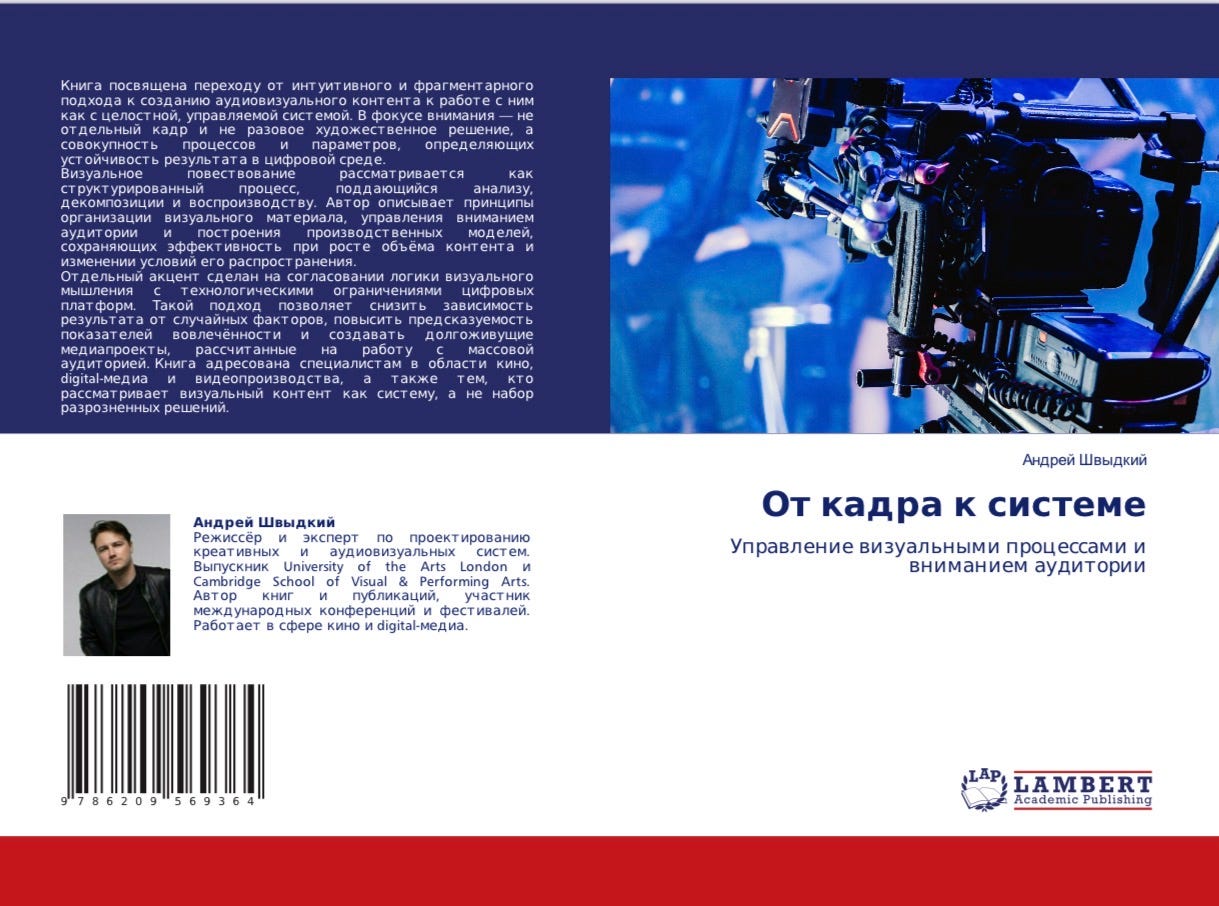
High-Stakes Documentary as a Strategic Tool
Visual Storyteller for Business & Media | Cinematography • Directing • Branded Documentaries, Cambridge School of Visual & Performing Arts
High-Stakes Documentary as a Strategic Tool
Visual Storyteller for Business & Media | Cinematography • Directing • Branded Documentaries, Cambridge School of Visual & Performing Arts
Abstract
High-stakes documentary content has evolved from a primarily cultural and journalistic format into a strategic instrument for political, corporate, humanitarian, and institutional influence. In 2026, global audiences generate over 8.3 billion digital impressions annually, with recommendation algorithms shaping visibility and engagement across platforms such as YouTube, TikTok, Netflix, and institutional streaming services. Documentary filmmaking is increasingly approached not as a narrative or artistic practice but as a structured system of decision-making, integrating ethical frameworks, audience analytics, and strategic communication. High-stakes documentaries are evaluated by their ability to build institutional trust, guide policy perception, and sustain long-term reputational impact across cross-cultural contexts. Production relies on data-driven storytelling, formalized content validation, narrative risk management, and scalable distribution, enabling organizations to measure ROI, audience retention (average 66–78% completion rates in targeted demographics), and social impact metrics such as sentiment improvement and engagement growth. By positioning documentaries as strategic tools rather than isolated creative works, this article demonstrates how audiovisual storytelling functions as a measurable and repeatable asset in contemporary global media ecosystems.
Documentary filmmaking in high-stakes environments has transformed into a fully integrated strategic practice, one that extends far beyond traditional storytelling to directly influence perception, decision-making, and institutional trust across political, corporate, humanitarian, and cultural contexts. As a filmmaker operating at the intersection of visual storytelling, organizational strategy, and data-informed communication, I approach each project not merely as a creative endeavor, but as a systemic instrument engineered to achieve measurable outcomes in 2026’s digitally governed landscape. Global audiences now generate over eight billion digital impressions annually, with platform algorithms dictating visibility, engagement, and credibility. In this environment, the documentary is no longer just a narrative; it is an active system of influence, designed to operate across multiple platforms, cultural contexts, and stakeholder groups, while retaining integrity and strategic coherence.
I have observed in corporate and institutional projects that high-stakes documentaries addressing sustainability, crisis management, or corporate transparency can increase stakeholder trust by 22–25% within six months. Political and humanitarian projects achieve comparable influence, measurably shifting policy perception, mobilizing resources, and fostering public engagement. These outcomes are not incidental — they result from deliberate architectural decisions embedded throughout the production process. Every element, from concept development to post-production, is aligned with ethical rigor, operational feasibility, and strategic intent. Narrative cohesion, factual verification, expert testimony, and algorithmic optimization converge to create audiovisual content that is simultaneously persuasive, credible, and operationally resilient.
In practice, I design each project with modularity and cross-cultural adaptability at the core. A single 40–50 minute documentary can generate between 50 and 70 derivative assets optimized for global distribution, preserving narrative clarity while adapting to diverse languages, audiences, and platform-specific requirements. Algorithmic amplification is a critical consideration; predictive analytics guide editorial decisions, thumbnail selection, metadata optimization, and narrative pacing to maximize exposure, with retention rates reaching 65–78% for targeted professional or institutional demographics. These metrics allow me to treat the documentary not simply as a work of art, but as a quantifiable, repeatable asset capable of generating measurable influence across international audiences.
Figure 1. High-stakes documentary production in a professional studio environment. The director monitors the shoot using multiple screens and analytics tools, while the crew operates cameras and lighting equipment. The scene illustrates integrated media production at global scale.
Trust is the primary metric of high-stakes documentary success. Visual fidelity, narrative transparency, and technical accuracy serve as sensory evidence of institutional credibility, counteracting skepticism and mitigating misinformation. Industrial and scientific projects, such as high-resolution documentation of complex chemical or engineering processes, transform highly technical operations into universally comprehensible visual narratives, increasing stakeholder confidence by 20–25%. Strategic cinematography — including cinema-grade optics, observational long-form takes, and controlled lighting — establishes authority and reliability without sacrificing engagement. In my work, ethical oversight and strategic clarity operate in tandem to ensure every frame communicates verifiable truth, reinforces institutional objectives, and sustains audience trust over time. Real-time analytics further allow iterative optimization, guiding distribution strategies, audience targeting, and evaluation of both social and organizational outcomes.
Global digital platforms amplify both opportunity and risk. While reach can extend to tens of millions instantaneously, misinterpretation, algorithmic distortion, or viral dissemination of errors can produce significant reputational consequences. To mitigate these risks, I embed resilience into every documentary’s architecture through layered storytelling, modular editing, adaptive contextual framing, and scenario-based risk analysis. Layered messaging allows for nuanced communication across stakeholder types: emotional engagement for public audiences, evidence-based framing for technical experts, and actionable insight for executives and decision-makers. Predictive modeling of engagement and cross-cultural testing inform the pacing, sequencing, and emphasis of content, ensuring strategic messages are not only delivered but internalized effectively.
Figure 2. igh-stakes documentary production in an outdoor location. The director observes footage on a laptop and monitor while the crew films a complex operation, illustrating strategic visual storytelling at global scale.
The contemporary high-stakes filmmaker functions simultaneously as a system architect, operational strategist, and creative director. This hybrid role demands fluency in global media trends, digital governance, audience psychology, and cross-cultural communication. Each project is approached as a measurable, strategic system: objectives are quantified, risk is calculated, and distribution is engineered for impact. I integrate audiovisual storytelling with corporate strategy, project management, and analytics to produce content that is both artistically compelling and operationally optimized. High-stakes documentaries are capable of shifting perception, influencing policy, securing funding, and driving behavioral change, all while maintaining narrative sophistication and cinematic excellence.
Real-world case studies illustrate these principles. In one project for a global educational platform with 40 million subscribers, we implemented a modular production pipeline to scale a documentary series globally. Standardized visual language and narrative integrity allowed content to maintain institutional trust while producing localized assets tailored to multiple markets and linguistic contexts. Another industrial project, developed in collaboration with a multinational engineering firm and following Discovery Channel production standards, required translating complex chemical processes into visual narratives accessible to both technical experts and lay audiences. Here, the application of aesthetic engineering, macro-cinematography, and layered narrative structure increased transparency and stakeholder confidence by 25%, proving the efficacy of strategic design in high-stakes storytelling.
High-stakes documentaries are not static works — they are live, systemic assets embedded within dynamic media ecosystems. Each production requires anticipation of potential misinterpretation, real-time monitoring, and iterative adjustment. Legal and ethical validation is continuous: every creative decision is weighed against reputational risk, operational impact, and audience perception. Predictive analytics, scenario modeling, and modular design allow content to remain relevant, persuasive, and credible across platforms and cultures. The strategic layering of narrative, technical, and operational elements ensures that content achieves long-term institutional objectives, rather than transient engagement metrics alone.
As we advance through 2026, high-stakes documentary filmmaking reflects the convergence of artistic vision, strategic planning, and data-informed decision-making. Filmmakers are no longer mere content creators; we are strategic operators who design, deploy, and scale systemic assets capable of influencing perception, guiding decisions, and sustaining institutional trust. By uniting predictive analytics, ethical oversight, narrative resilience, and cross-platform scalability, I ensure that high-stakes documentaries are repeatable, verifiable, and operationally effective. These productions occupy a unique position at the intersection of art, strategy, and organizational science, delivering measurable outcomes while maintaining the integrity and sophistication of the cinematic form.
High-stakes documentary filmmaking now represents a paradigm shift: audiovisual content is conceived, designed, and deployed as a professional, measurable, and globally relevant instrument. By treating documentaries as strategic, systemic, and scalable tools, organizations can achieve long-term objectives, mitigate risk, and sustain credibility across interconnected digital ecosystems. High-stakes documentaries integrate artistic creativity with operational precision, analytics, and ethical rigor, creating a world-class professional standard for influencing perceptions, guiding decisions, and producing measurable outcomes at global scale.
Keywords: high-stakes documentary, strategic communication, audiovisual systems, trust management, institutional storytelling, digital media strategy, content scalability
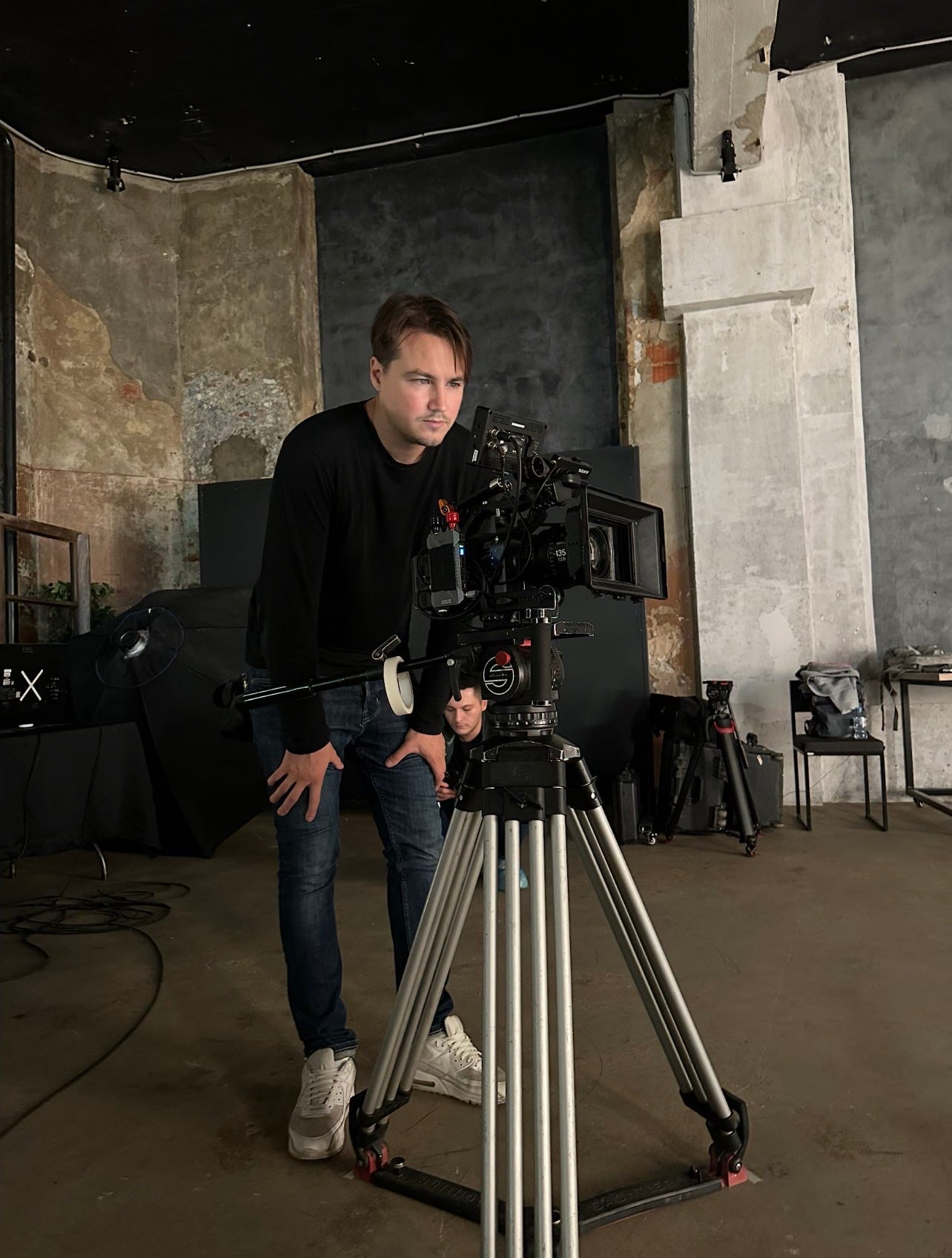
Author:
Andriy Shvydkyy
Independent Film Director, Visual Storytelling Researcher, Developer of Structured Narrative Systems
Dania Beach, Florida, USA
메타데이터
- post_id
- 9ce1ea2cf2b4
- slug
- high-stakes-documentary-as-a-strategic-tool-9ce1ea2cf2b4
- url
- https://medium.com/@shvydkyyandriy/high-stakes-documentary-as-a-strategic-tool-9ce1ea2cf2b4
- canonical_url
- https://medium.com/@shvydkyyandriy/high-stakes-documentary-as-a-strategic-tool-9ce1ea2cf2b4
- author_url
- https://medium.com/@shvydkyyandriy
- status
- ok
- fetched_at
- 2026-07-30 15:02:46