Russia Is Losing the Plot: Five Clues From One Brutal Day in the War
How a fake flag, a dead “doomsday” signal, wrecked logistics, embassy shrapnel and 44 impact sites tell the real story of Moscow’s war
Russia Is Losing the Plot: Five Clues From One Brutal Day in the War
How a fake flag, a dead “doomsday” signal, wrecked logistics, embassy shrapnel and 44 impact sites tell the real story of Moscow’s war
Not a member? Read Free Here
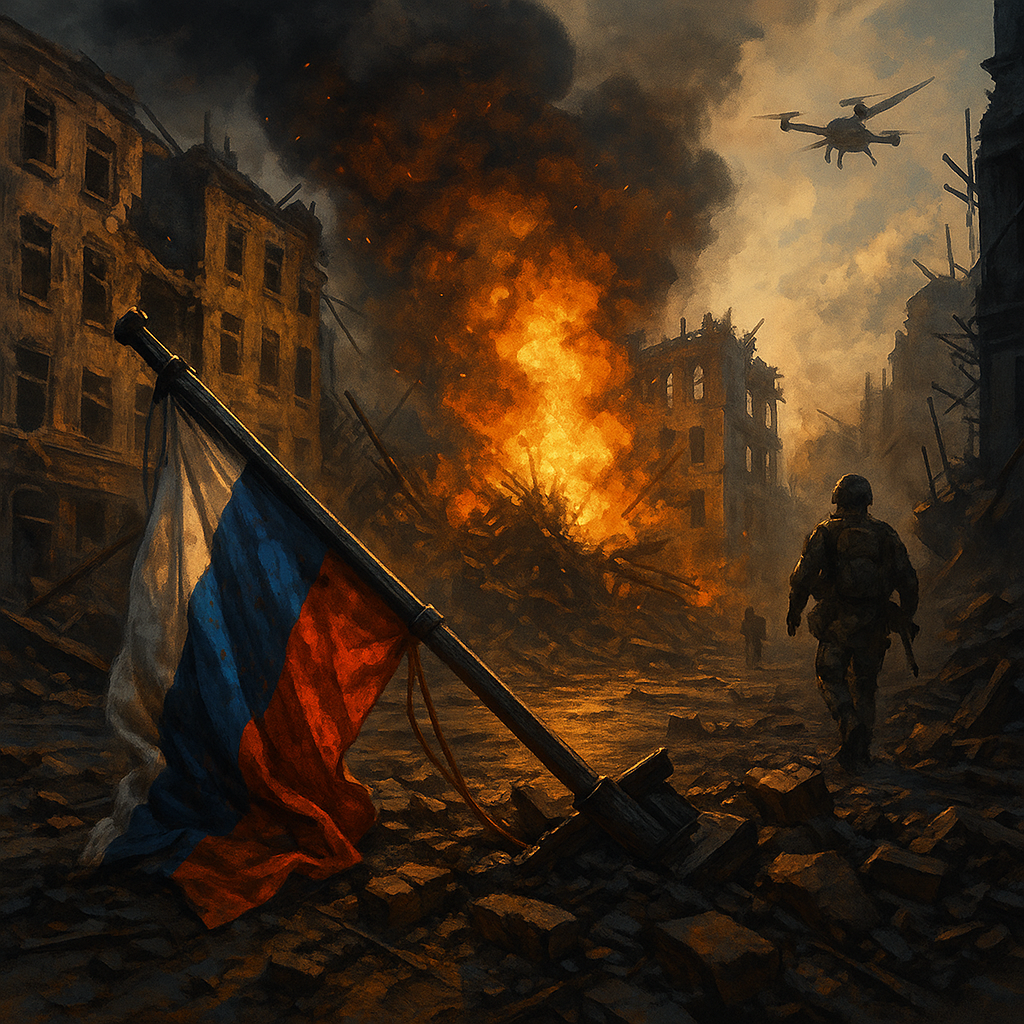
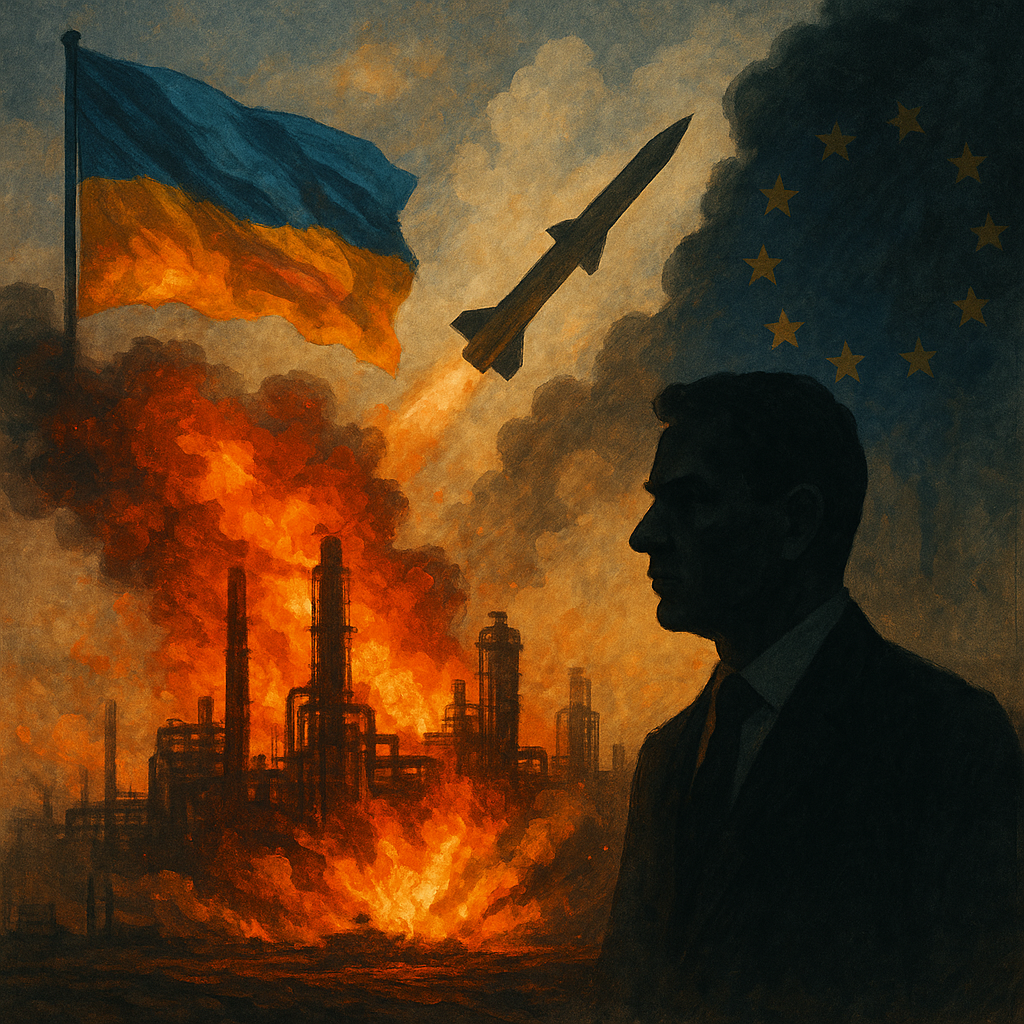
A dark, war-torn urban corridor illuminated by scattered fires and distant explosions. A lone figure stands in the shadows of a shattered subway entrance as drones pass overhead, capturing the chaos and fragmentation of Russia’s faltering war strategy. The scene blends frontline destruction, covert operations, and civilian danger — mirroring the five-front turmoil explored in the article. | Credit: Author
On paper, November 14 looked like a good day for the Kremlin’s war narrative. Russia hurled missiles and drones at Ukraine overnight, tried to fake a frontline victory, kept grinding around Pokrovsk, and still had time to piss off a country it’s not even at war with by damaging its embassy in Kyiv.
Pull the camera back, though, and the picture isn’t “inevitable victory.” It’s a mess: troops stranded in Kupiansk with their supply lines shredded, a fake flag stunt in Myrnohrad blown up on camera, a so-called “doomsday” radio station knocked offline by a drone, and Azerbaijan dragging the Russian ambassador in to explain why an Iskander landed on its diplomatic compound.
This is what a flailing strategy looks like when you zoom in.
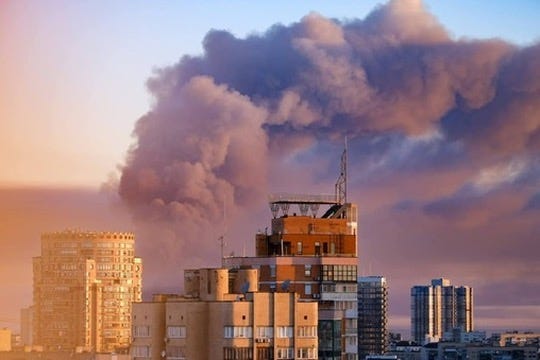
Start with the big, loud part: the overnight strike. According to Ukraine’s Air Force, Russia threw everything at the wall again — 19 missiles and around 430 drones of various types, for a total of 449 aerial weapons in a single wave.
The result? Damage recorded at 44 locations across the country, with the bulk of it in and around Kyiv: 28 separate sites hit or showered with debris. Most of the physical destruction, air defense officers say, came from falling fragments of intercepted missiles and drones, not from clean hits.
That’s what happens when systems like Patriot chew through ballistic volleys over a capital city.
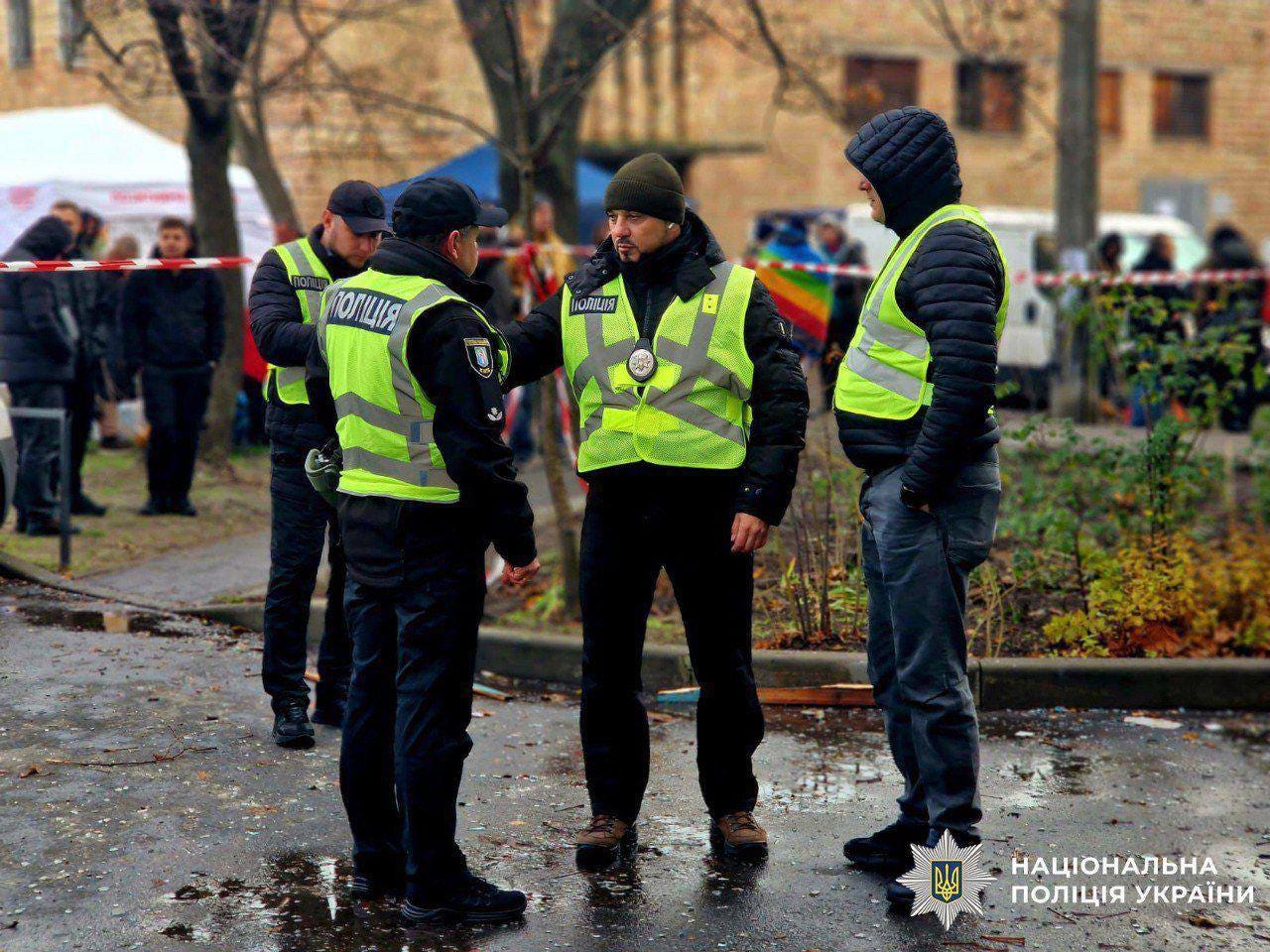
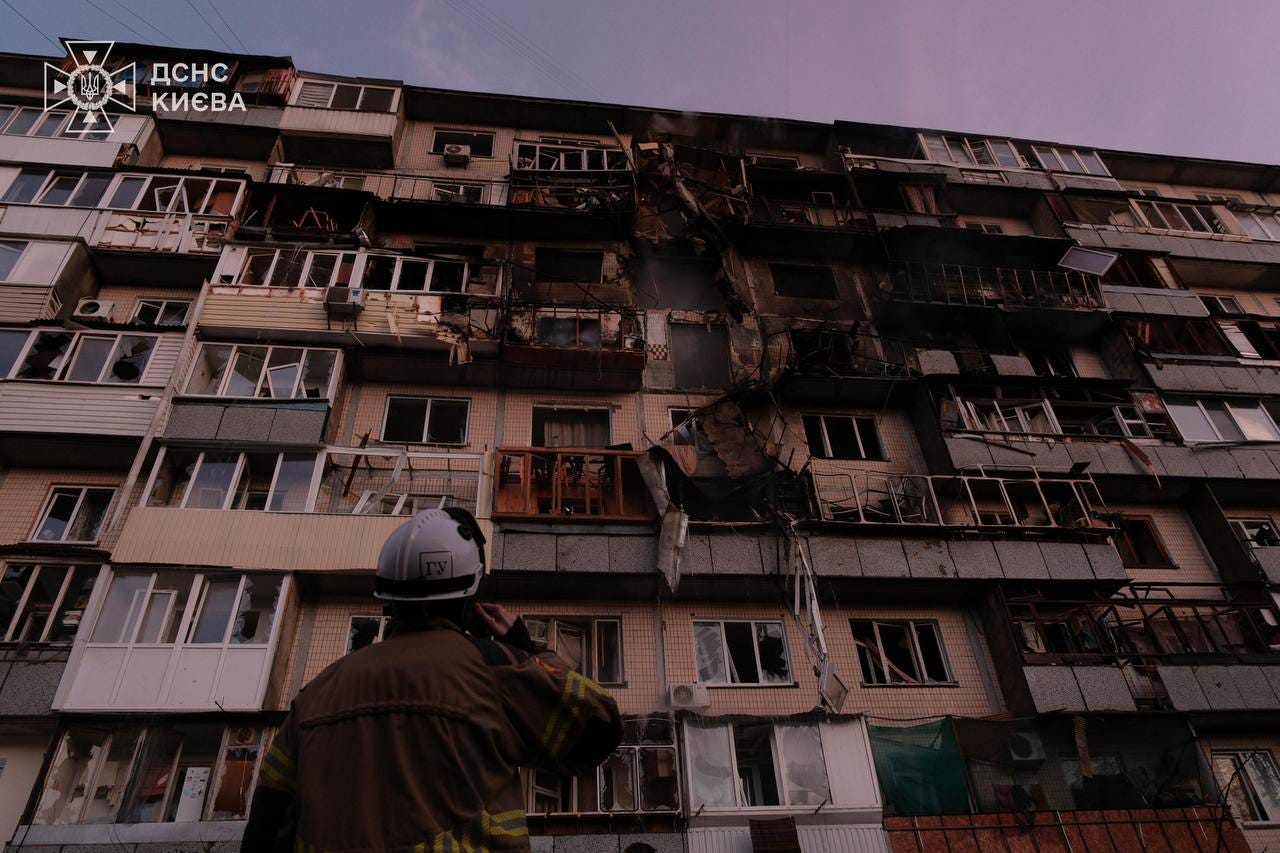
Description with the photos: Almost 300 rescuers and 500 police officers are involved in dealing with the aftermath of the missile and drone strike on Kyiv. We have been working non-stop since the first minutes of the attack. There are 22 locations in different areas of the capital — residential buildings, a hospital, a diplomatic mission, shops, and offices. The vast majority of strikes were on residential areas. Once again, the occupiers deliberately targeted civilians. Unfortunately, we have confirmation of four deaths among residents of a nine-story building in a residential area of the capital. Not all of the bodies have been recovered yet. There is also information about people who may be under the rubble. Rescuers are working very carefully, hoping to find survivors. About 30 people were injured, including two children and a pregnant woman. During the night, rescuers saved almost 70 people, evacuating them from stairwells and damaged apartments. Everyone who can help is working on site: fire and rescue and engineering teams, the Delta special unit of the State Emergency Service, police investigators, bomb disposal experts, psychologists, and dog handlers. There are police tents at each location where people can file a report, get advice, or receive support. Mobile units from the Ministry of Internal Affairs Service Center and the Migration Service are being deployed near the most damaged building in the Lisovy Massif to immediately restore people’s lost documents. Russia did not only strike the capital last night. About a dozen people were injured in the Kyiv region, including a 7-year-old child. Firefighting and emergency rescue operations also continued in the Odesa, Kharkiv, and Cherkasy regions. | Credit: https://t.me/dsns_telegram/52996?single
6 out of 9 Iskander-M/KN-23 ballistic missiles were shot down, along with two Kinzhal aeroballistics missiles that Moscow once sold as “unstoppable.” The human cost is real — dead and injured in Kyiv, fires, blown-out windows, smashed power infrastructure.
But militarily? It’s the same pattern we’ve seen for months: Russia trades expensive hardware to generate terror and headlines while Ukraine spends interceptors and repair crews to keep the grid and the population functioning.
Every time Kyiv’s air defense holds, Russia gets a little less out of these “massive” strikes than the last time. And you can see the frustration bleeding through in where the debris lands.
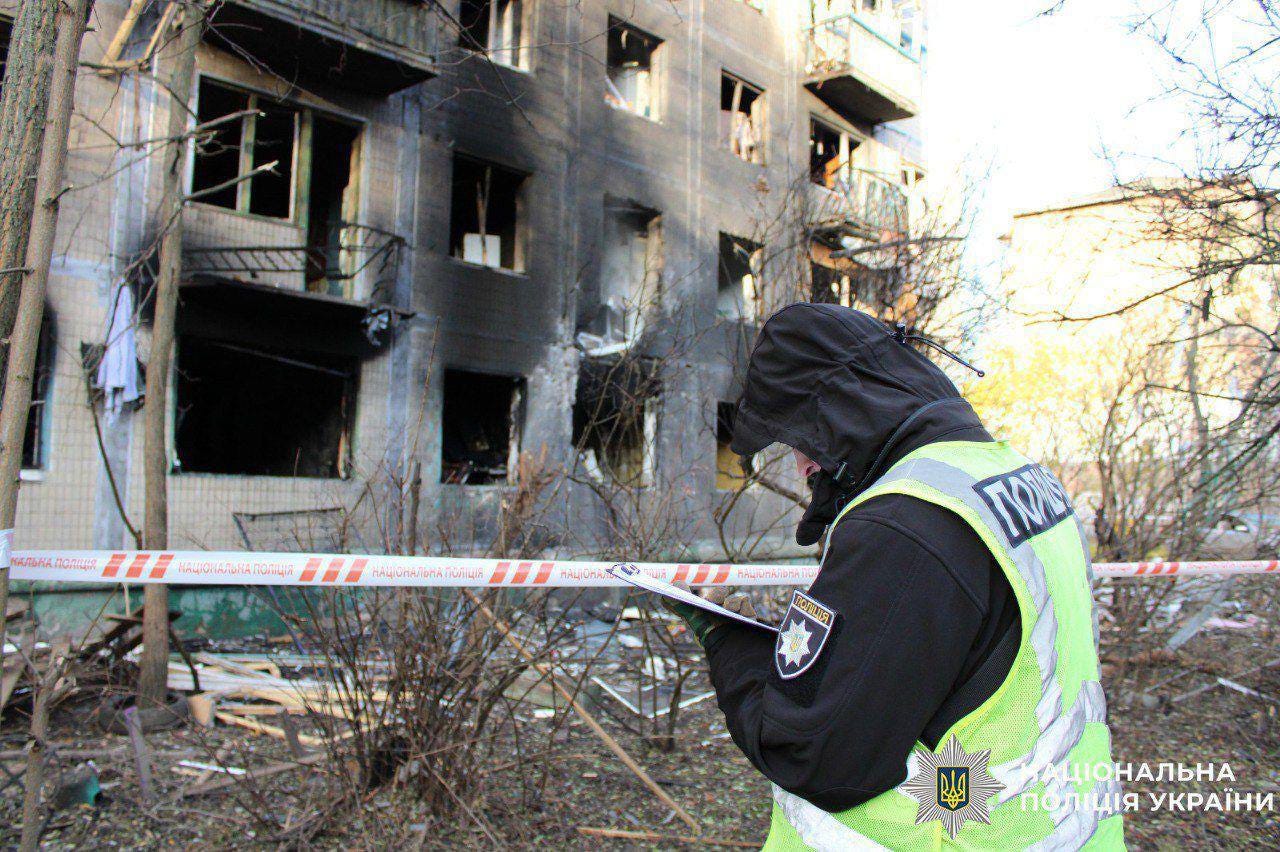
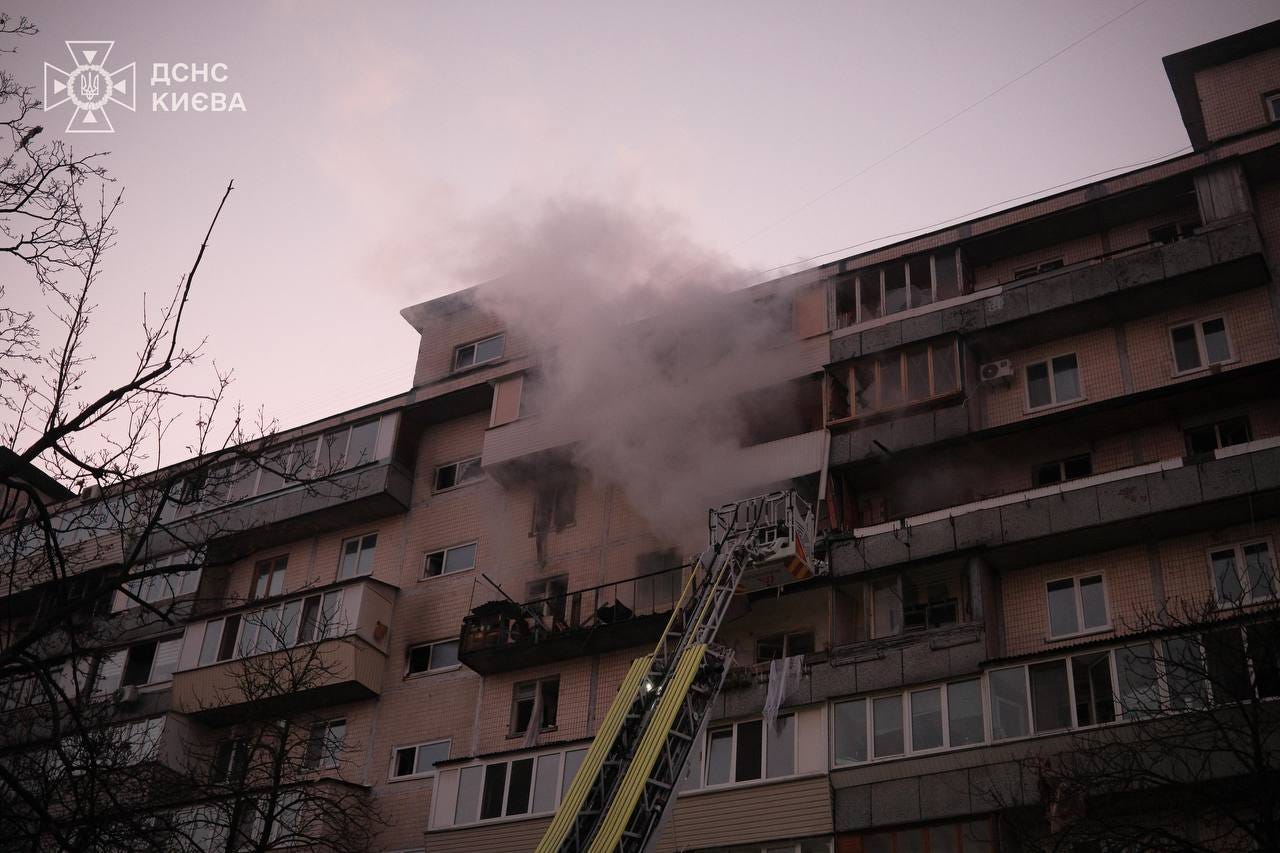
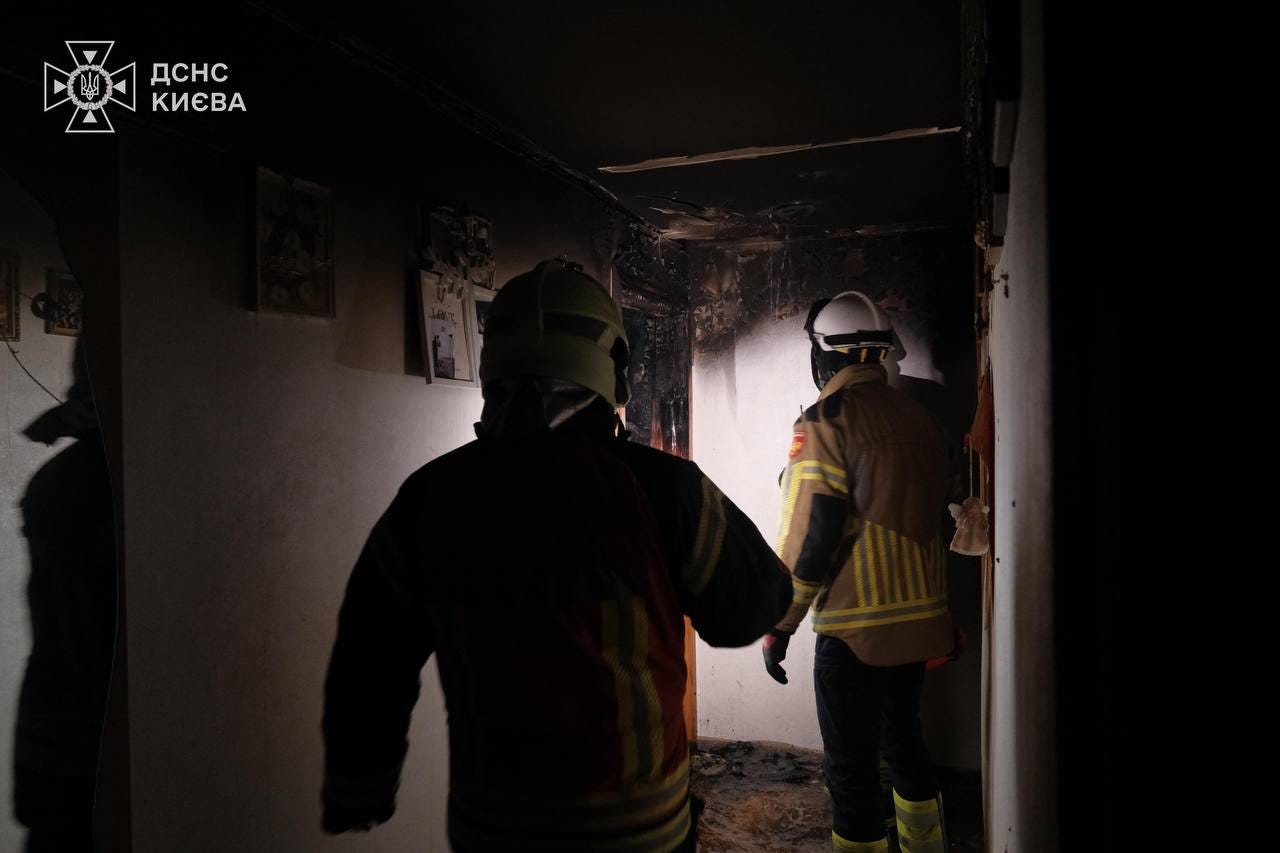
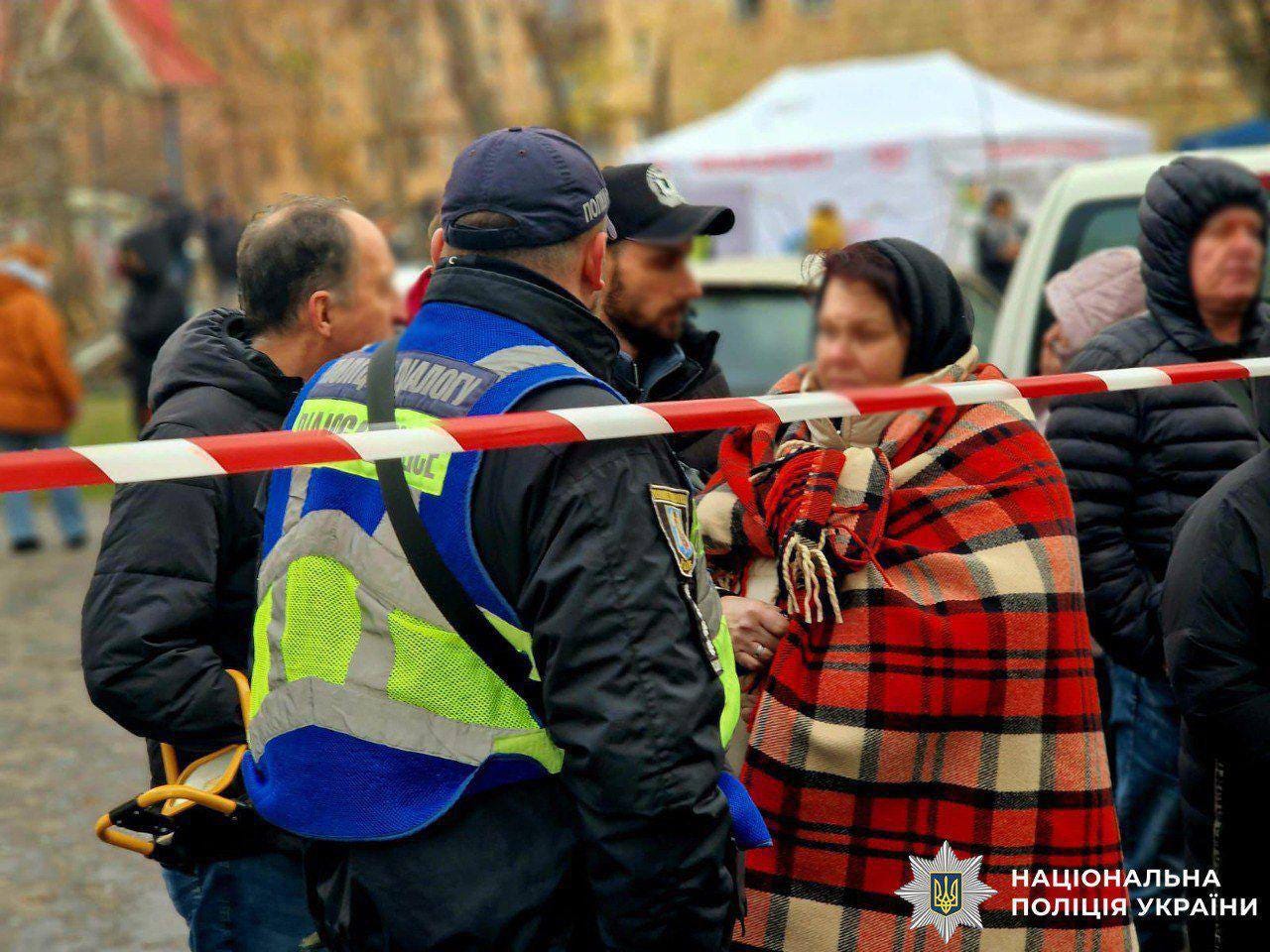
Description with the photos: Almost 300 rescuers and 500 police officers are involved in dealing with the aftermath of the missile and drone strike on Kyiv. We have been working non-stop since the first minutes of the attack. There are 22 locations in different areas of the capital — residential buildings, a hospital, a diplomatic mission, shops, and offices. The vast majority of strikes were on residential areas. Once again, the occupiers deliberately targeted civilians. Unfortunately, we have confirmation of four deaths among residents of a nine-story building in a residential area of the capital. Not all of the bodies have been recovered yet. There is also information about people who may be under the rubble. Rescuers are working very carefully, hoping to find survivors. About 30 people were injured, including two children and a pregnant woman. During the night, rescuers saved almost 70 people, evacuating them from stairwells and damaged apartments. Everyone who can help is working on site: fire and rescue and engineering teams, the Delta special unit of the State Emergency Service, police investigators, bomb disposal experts, psychologists, and dog handlers. There are police tents at each location where people can file a report, get advice, or receive support. Mobile units from the Ministry of Internal Affairs Service Center and the Migration Service are being deployed near the most damaged building in the Lisovy Massif to immediately restore people’s lost documents. Russia did not only strike the capital last night. About a dozen people were injured in the Kyiv region, including a 7-year-old child. Firefighting and emergency rescue operations also continued in the Odesa, Kharkiv, and Cherkasy regions. | Credit: https://t.me/dsns_telegram/52996?single
Which brings us to Azerbaijan.
During that same massive attack, an Iskander missile didn’t just land “somewhere in Kyiv.” It landed on the grounds of the Azerbaijani embassy.
Republic of Azerbaijan Ministry of Foreign Affairs — No:431/25, Press Release on the summoning of the Ambassador of the Russian Federation to the Ministry of Foreign Affairs
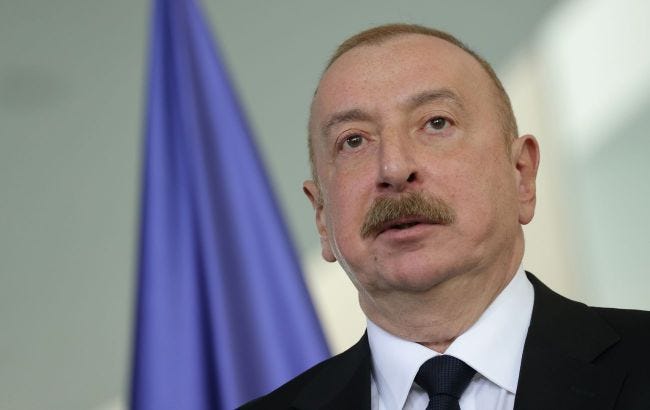
President of Azerbaijan Ilham Aliyev | Photo: Getty Images
According to Baku’s Foreign Ministry, the blast tore up part of the perimeter wall, damaged buildings and service vehicles, and battered the consular section.
No one was killed, but the message was received — and not in the way Moscow hoped. Azerbaijan promptly hauled in the Russian ambassador, handed him a formal protest note, and reminded him this is not the first time Russian strikes have hit or nearly hit its diplomatic property in Ukraine.
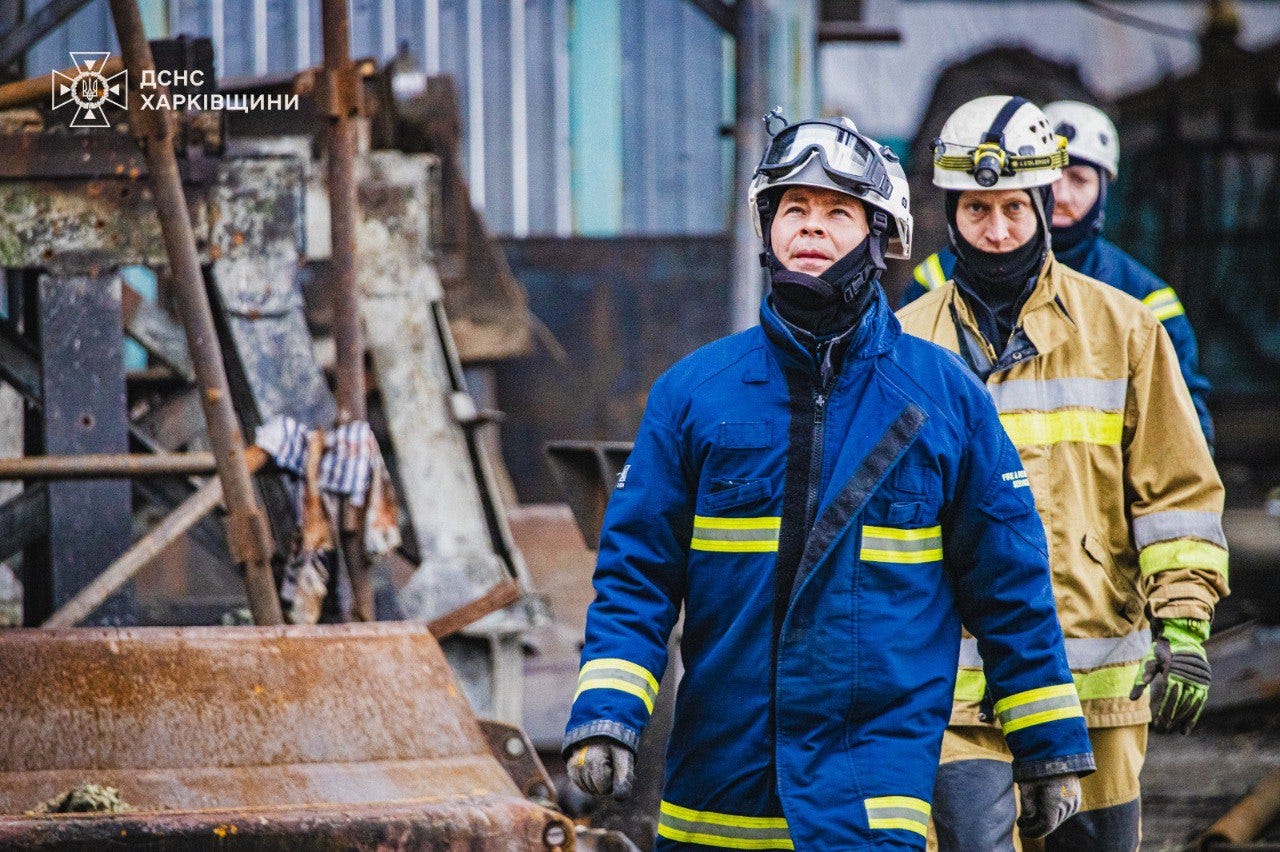
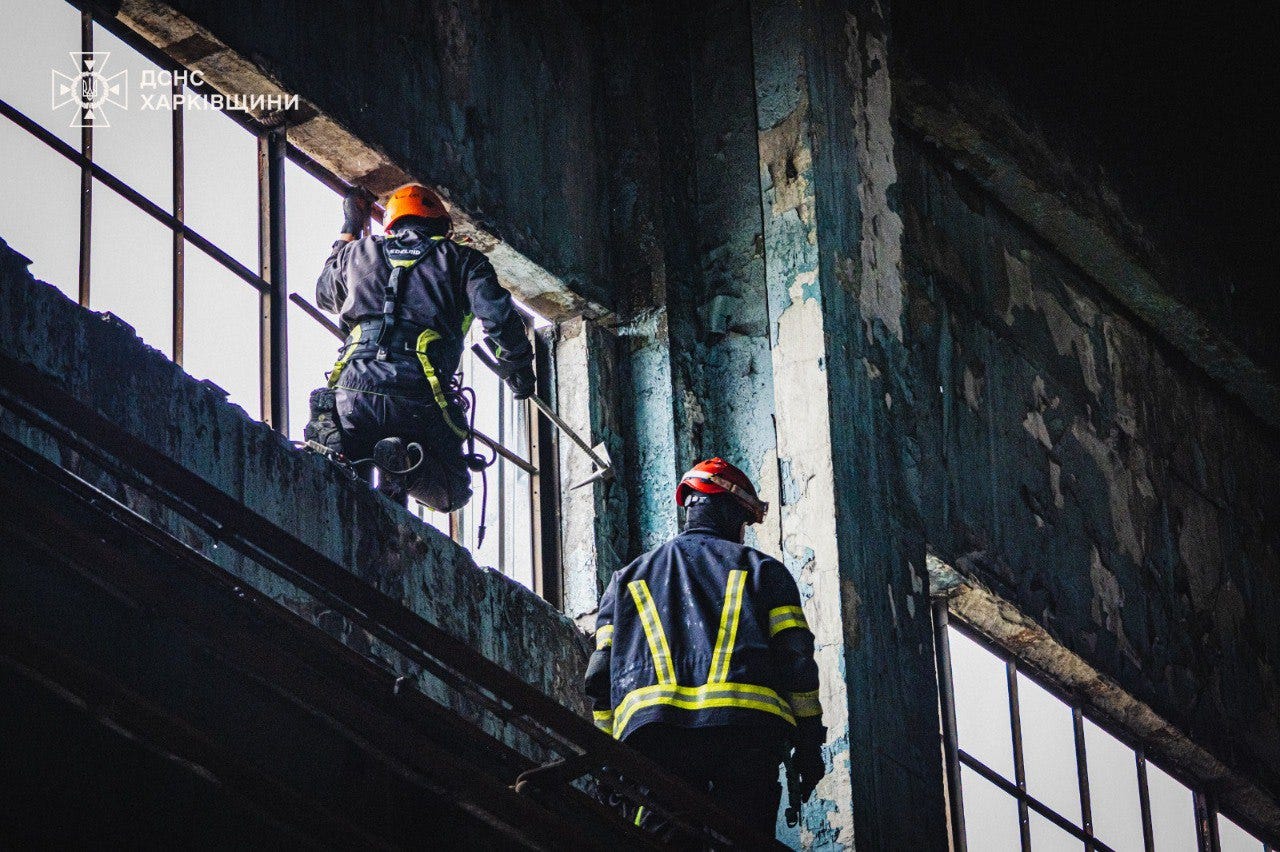
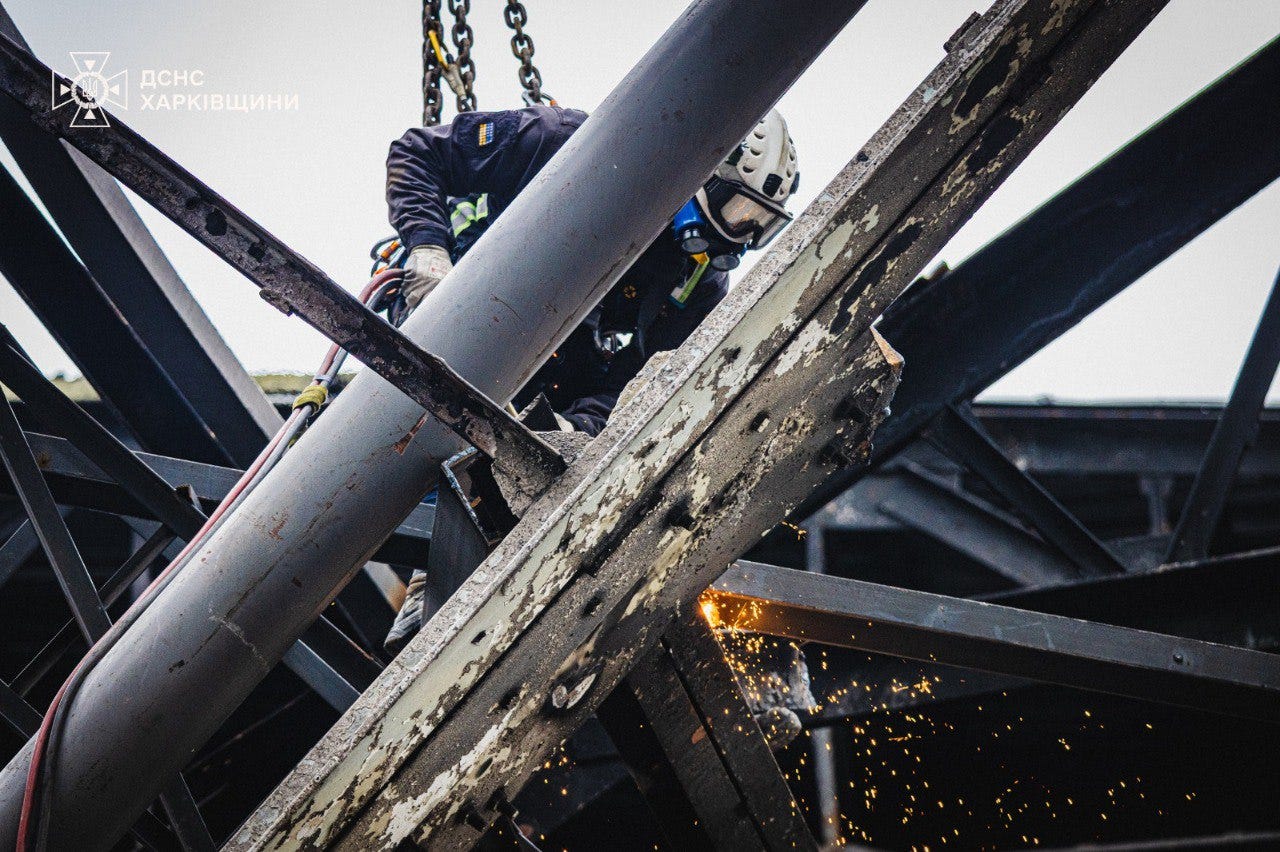
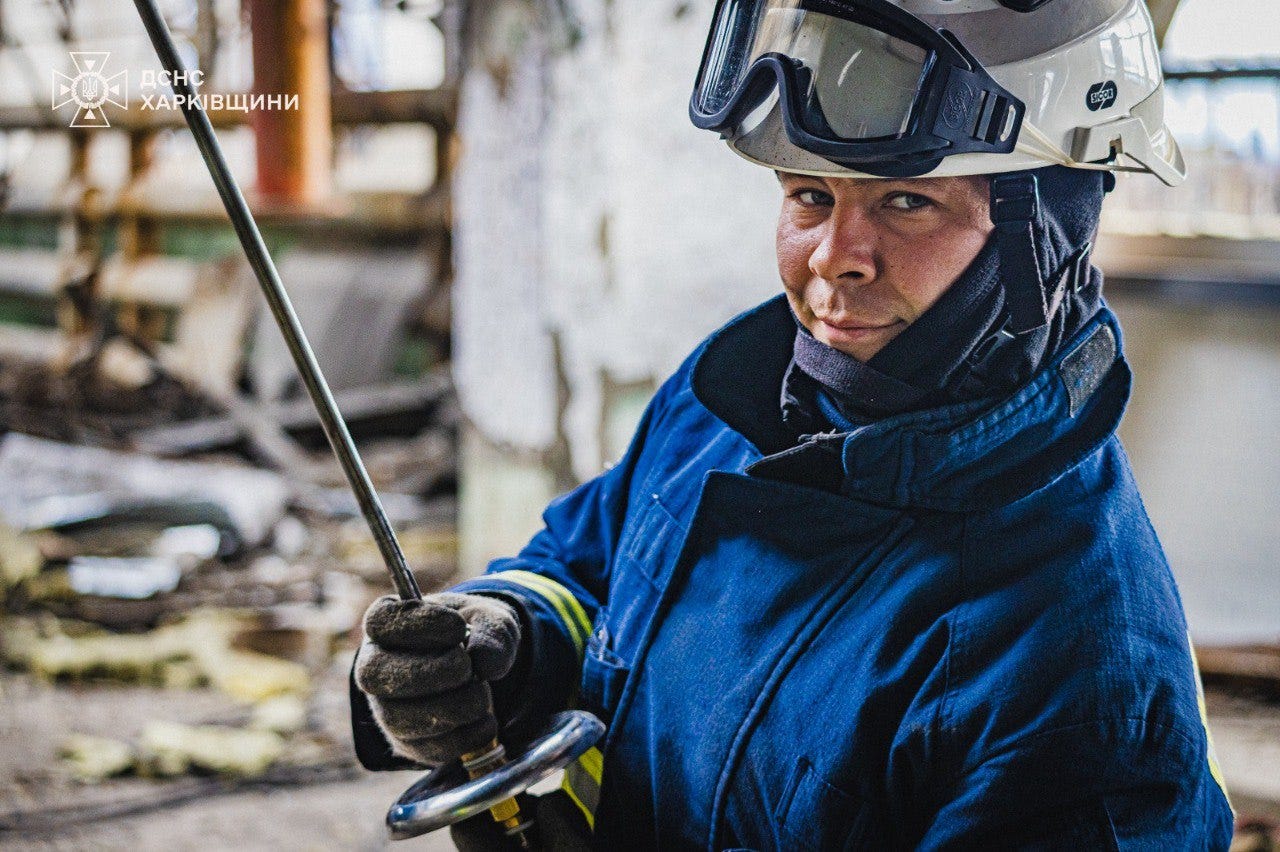
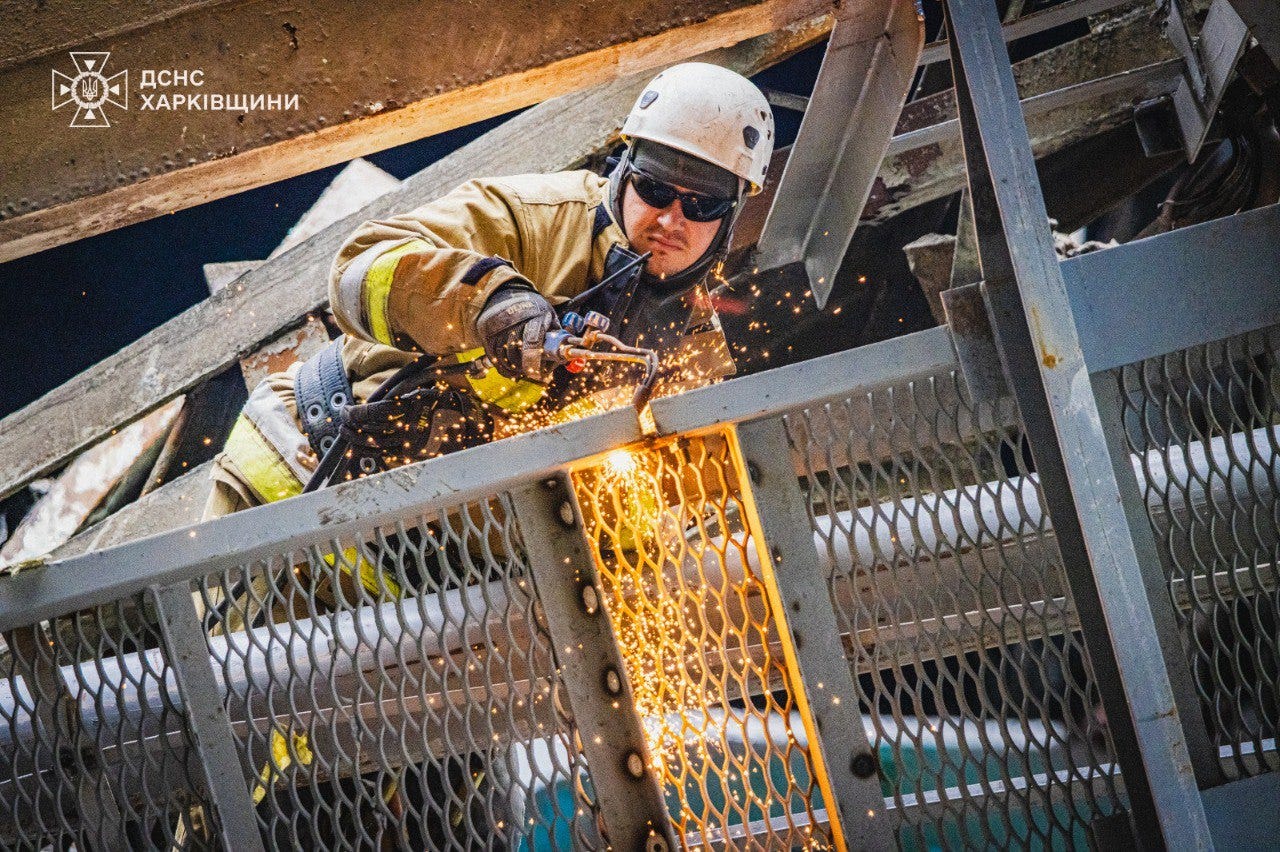
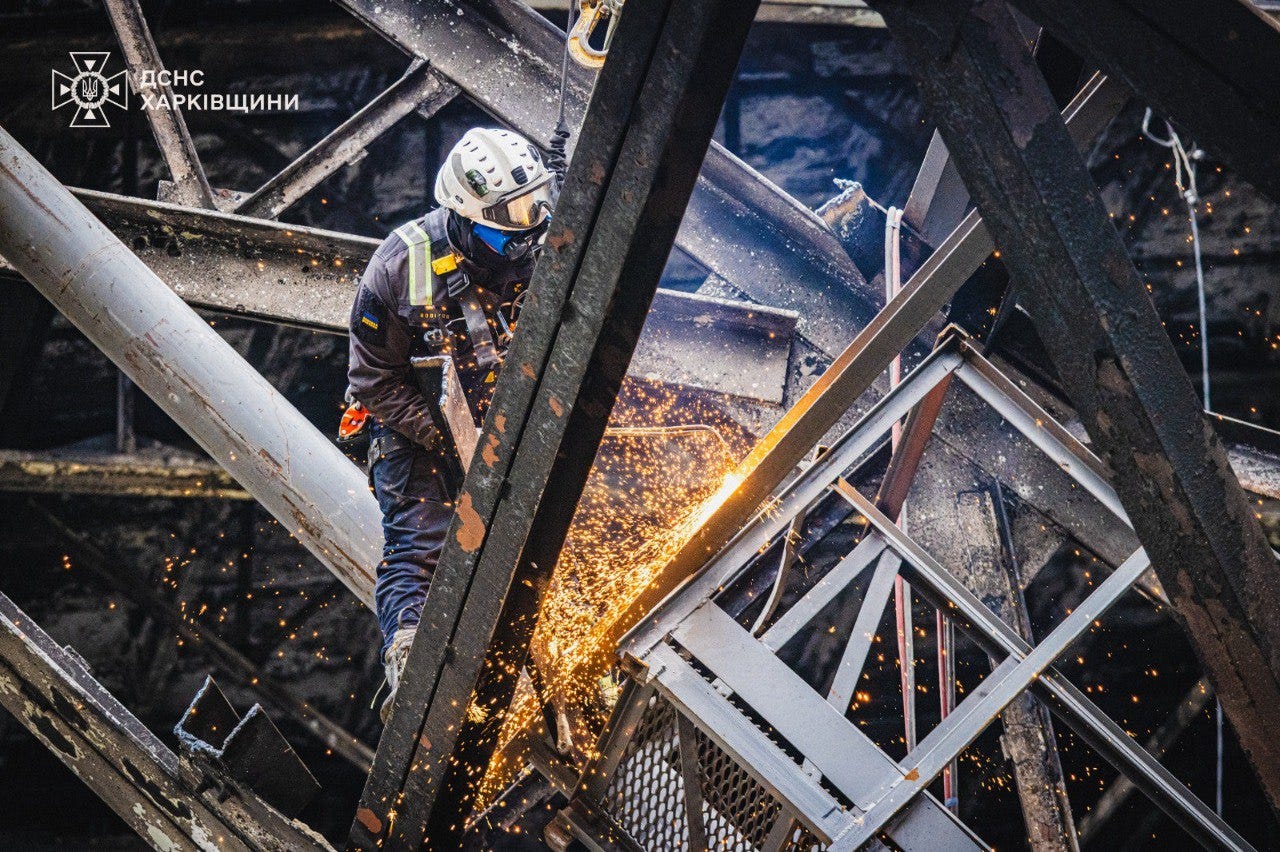
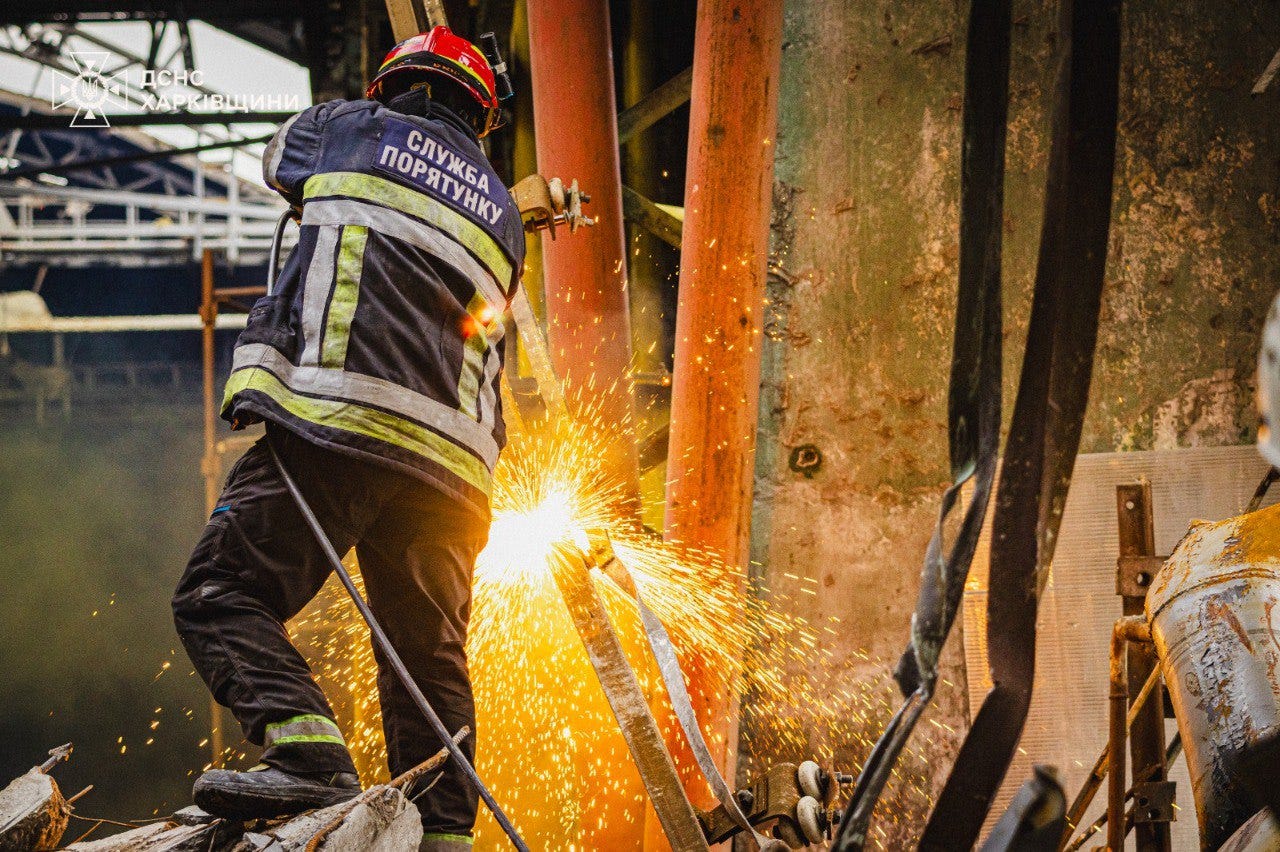
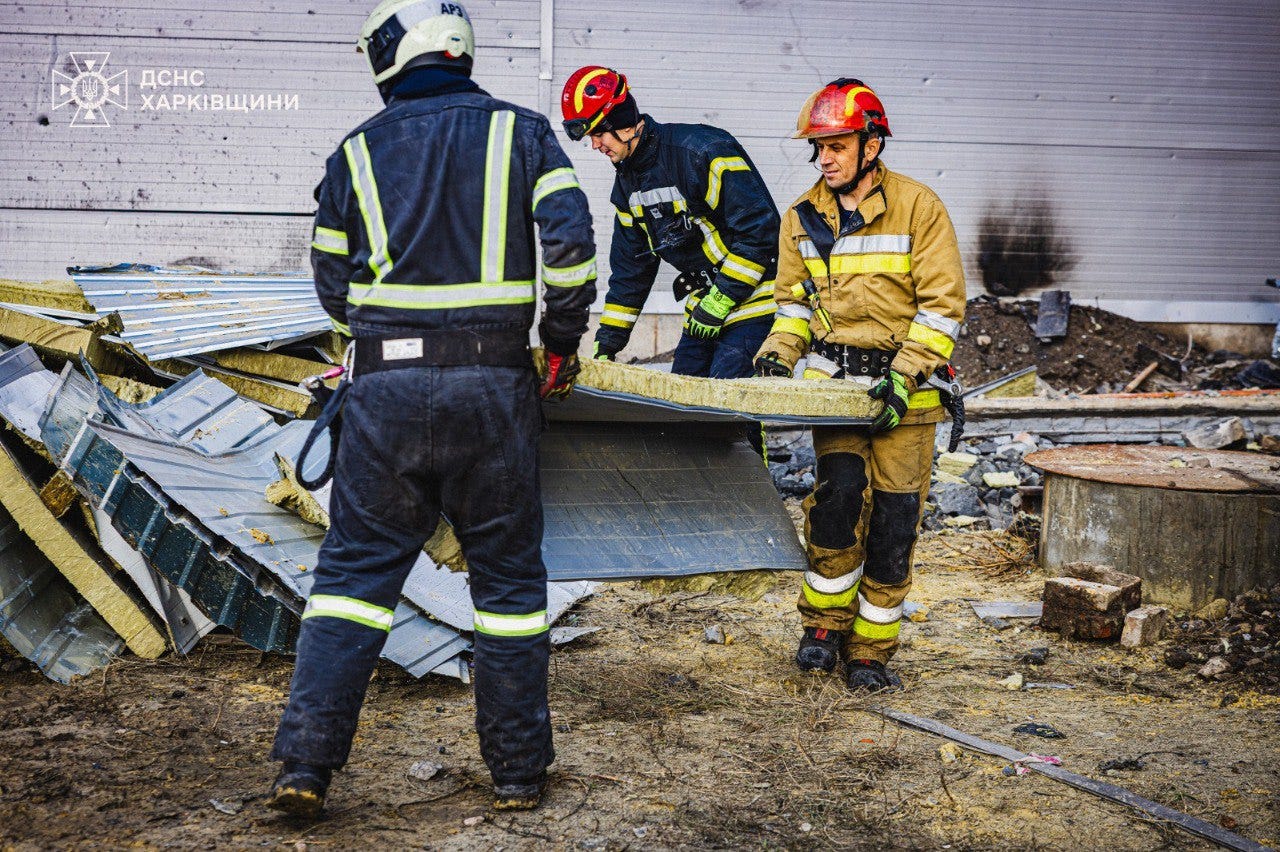
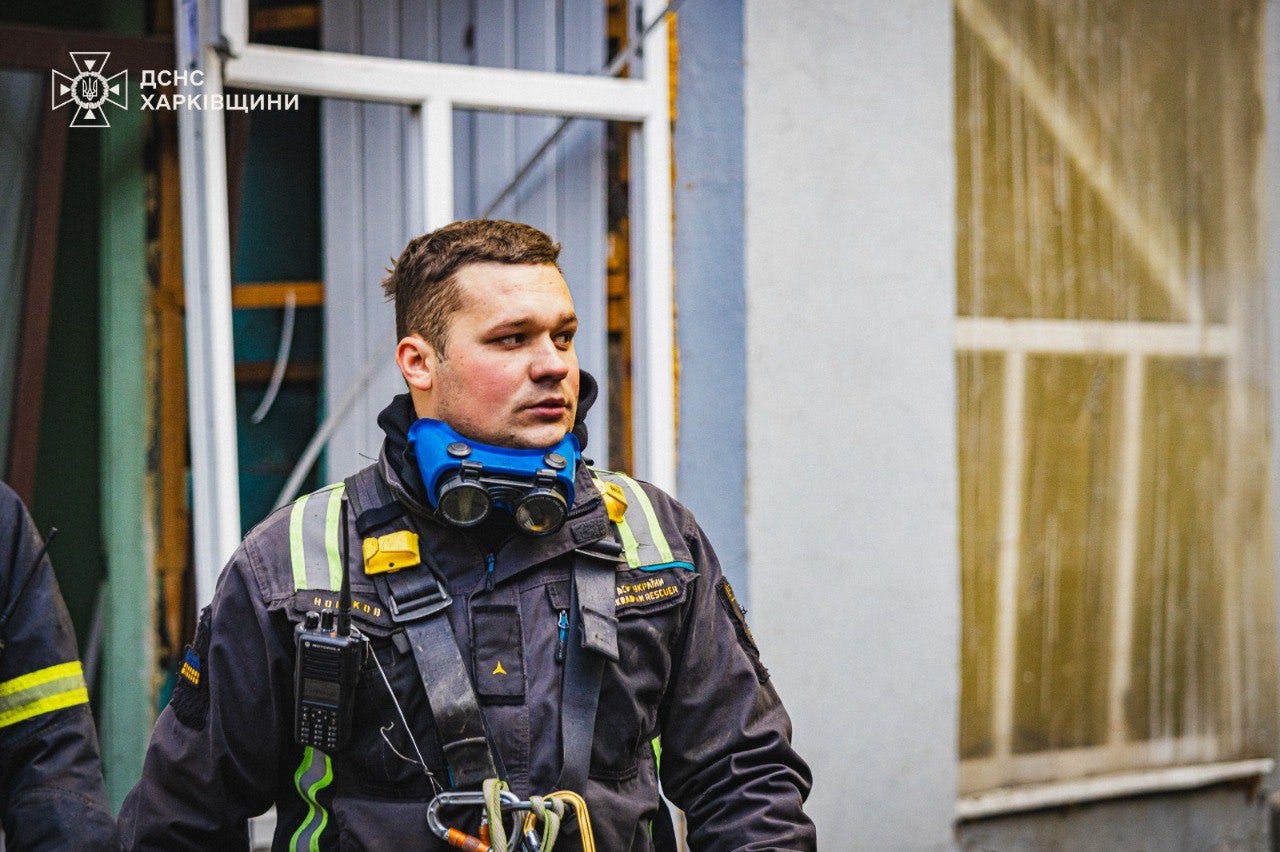
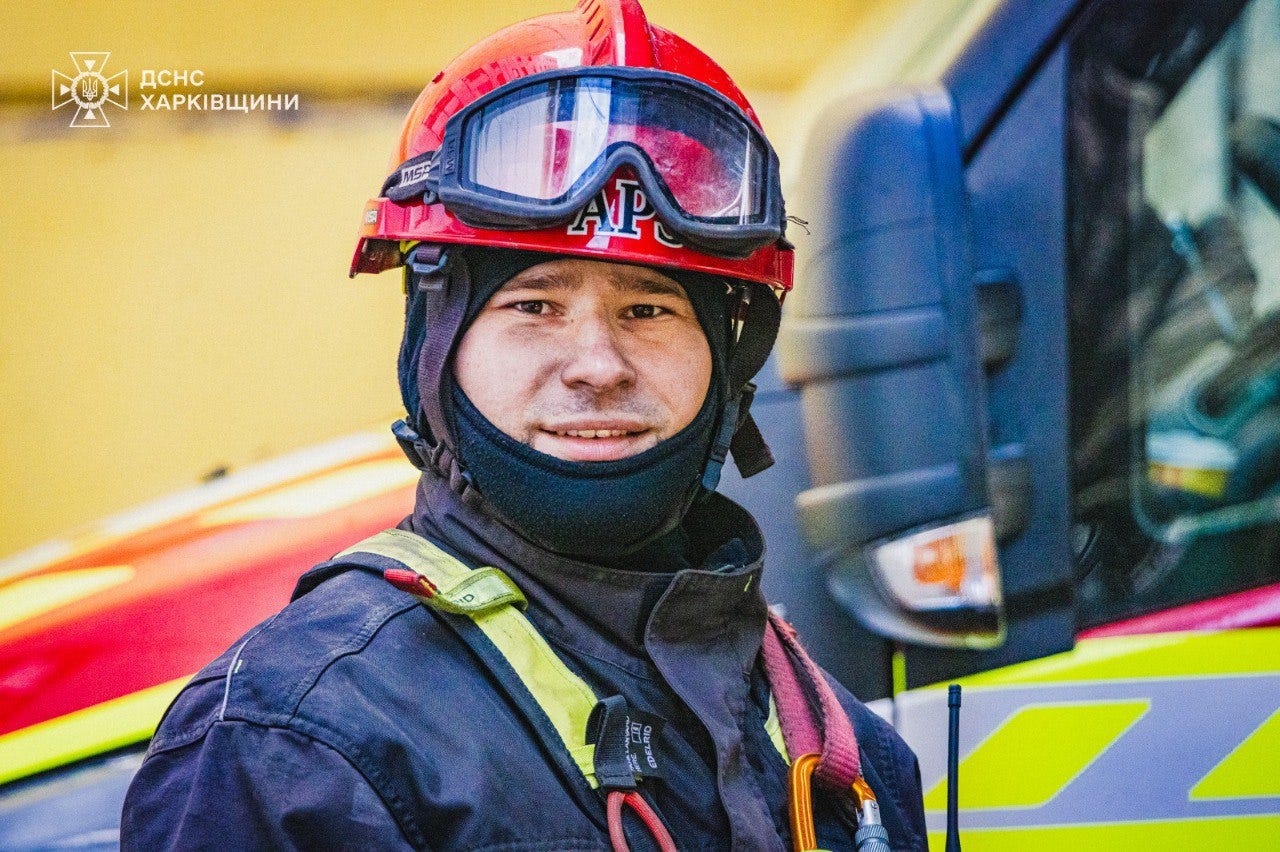
Description along with the photos: Emergency repair work continues in the Kharkiv region after Russian strikes on life support facilities ▫️Despite the danger of repeated enemy shelling, every day specialists from the State Emergency Service go to the sites of the strikes to restore vital infrastructure and help people return to normal life: they clear debris, remove the remains of destroyed buildings, restore electricity and water supply, and repair networks together with energy companies. The work continues day and night, in rain and cold, pausing only briefly at the sound of air raid sirens, because behind every restored wire or network are hundreds of lives saved and the hope that tomorrow will be calmer. | Credit: https://t.me/dsns_telegram/53004
Officials in Baku pointed out that they’ve repeatedly shared their embassy coordinates with Russia and already logged previous “accidents”: an airstrike on their honorary consulate in Kharkiv in 2022, a Kinzhal impact right by their compound in Kyiv in early 2024, another near-miss in August 2025, and even drone attacks on a SOCAR fuel facility in Odesa region.
At some point, “oops, the missile slipped” stops sounding like an excuse and starts sounding like contempt.
For a regime that loves to talk about “multipolarity” and “respect,” Russia sure spends a lot of time explaining to supposed partners why their embassies are catching shrapnel.
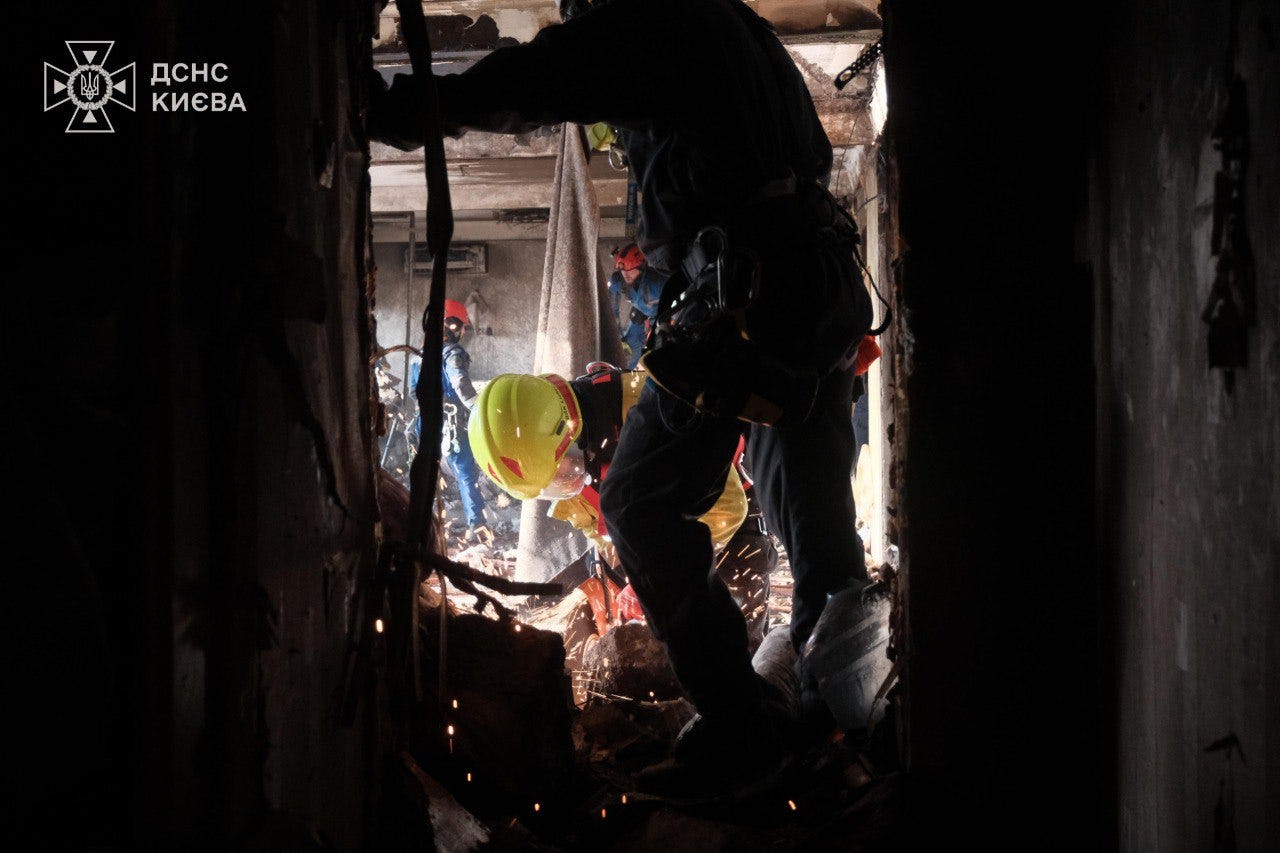
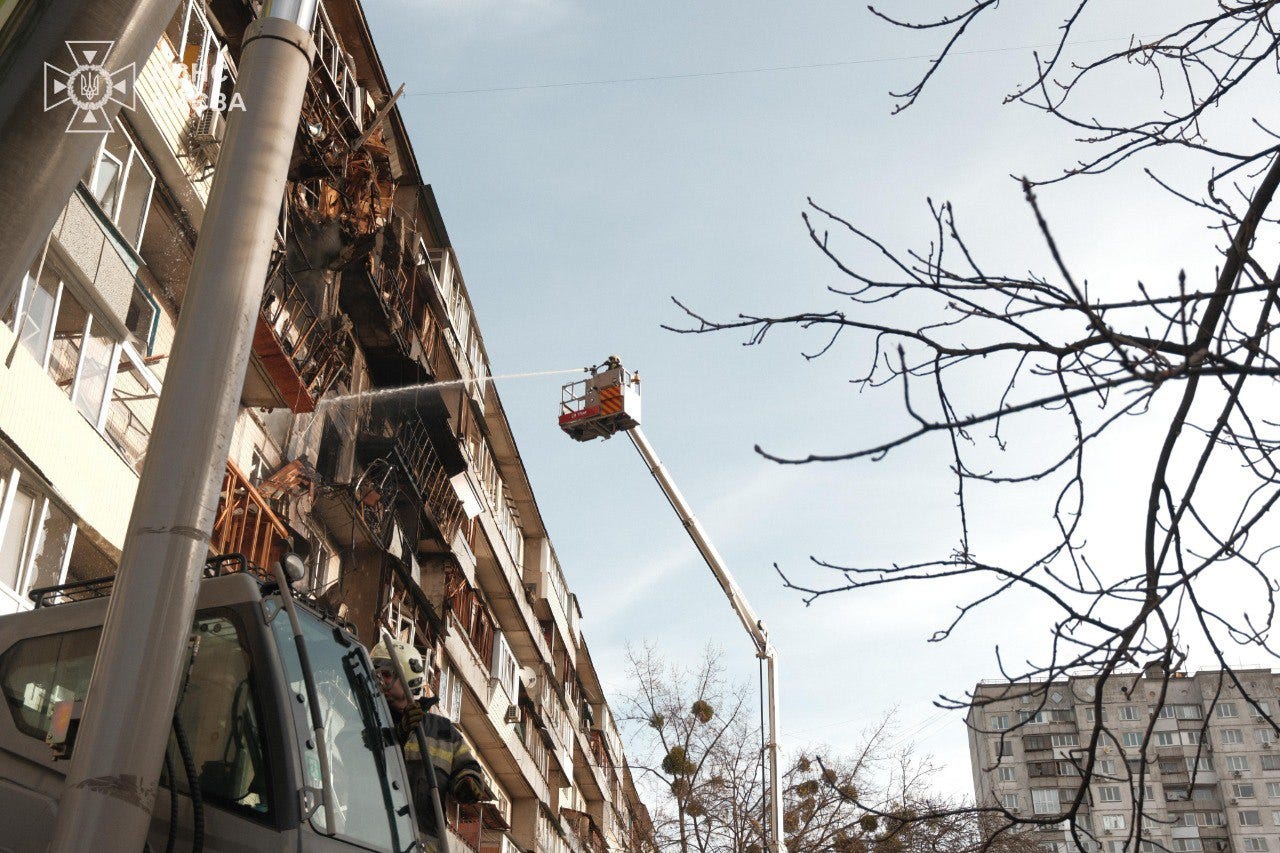
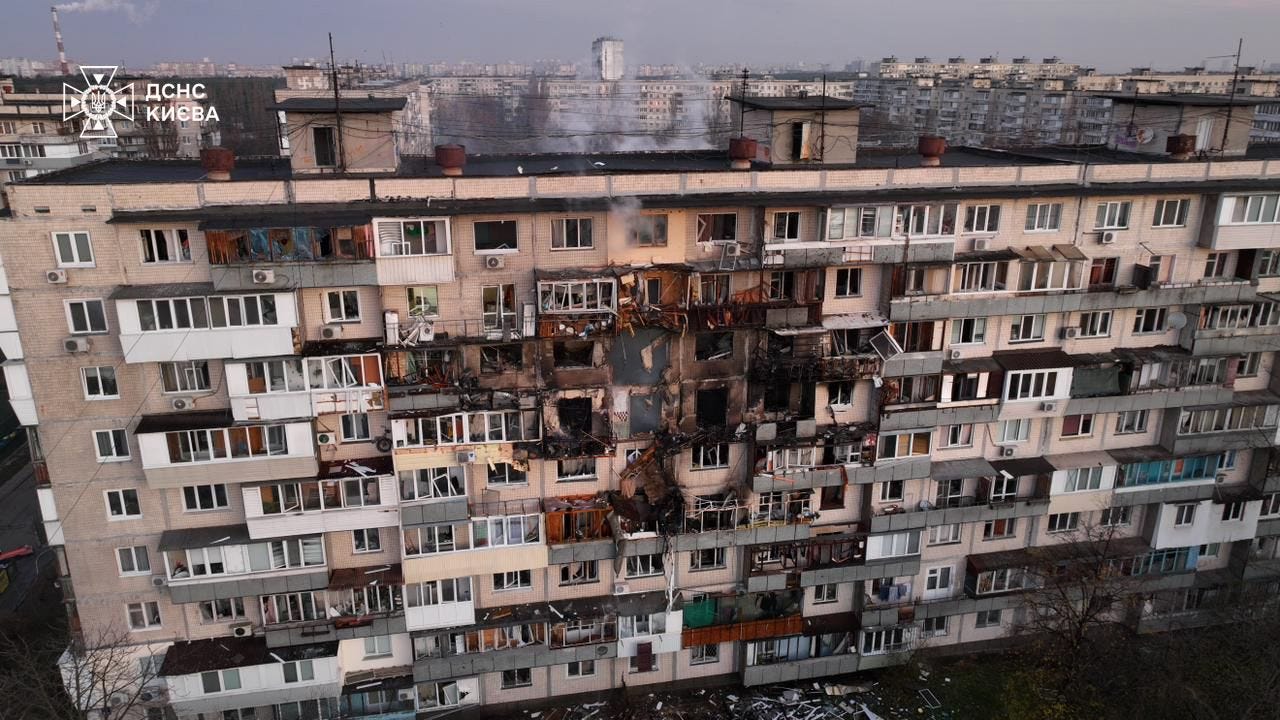
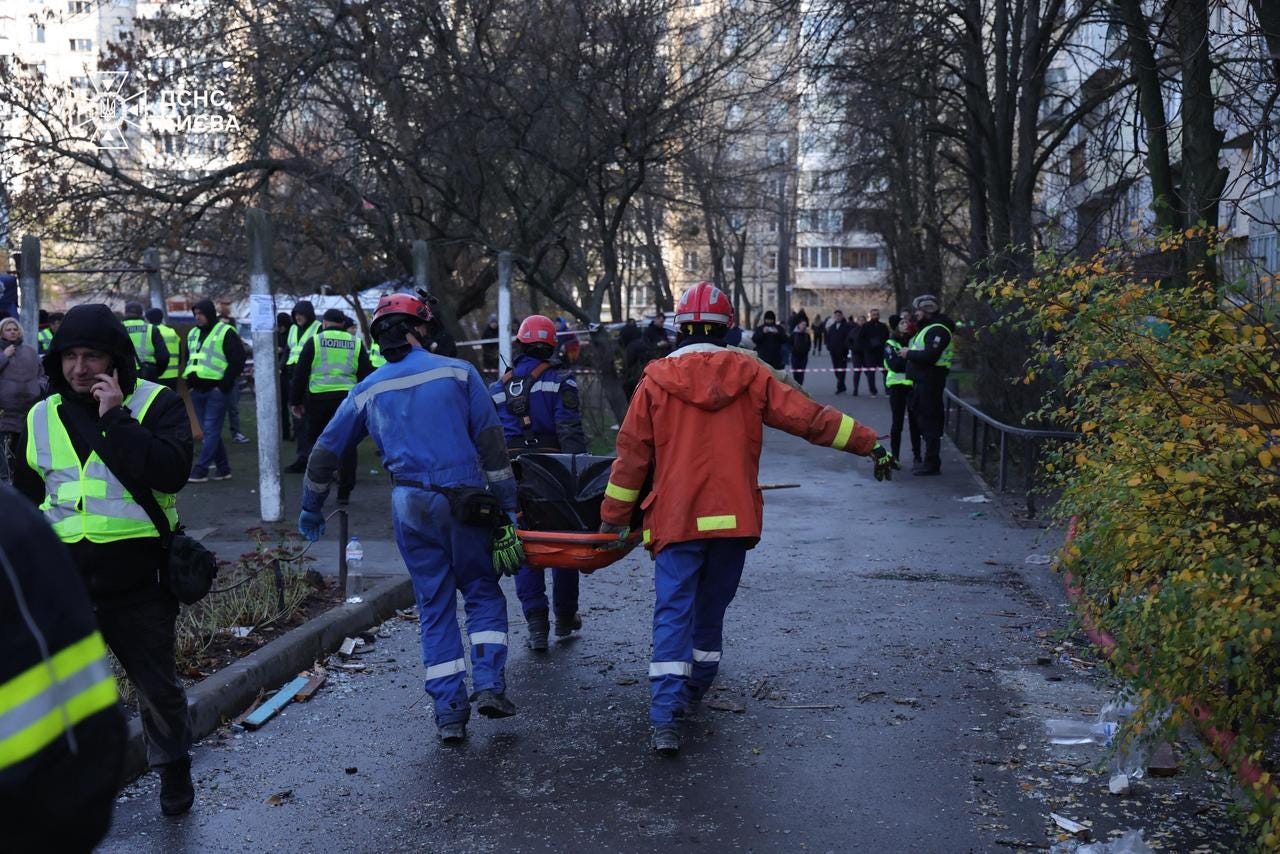
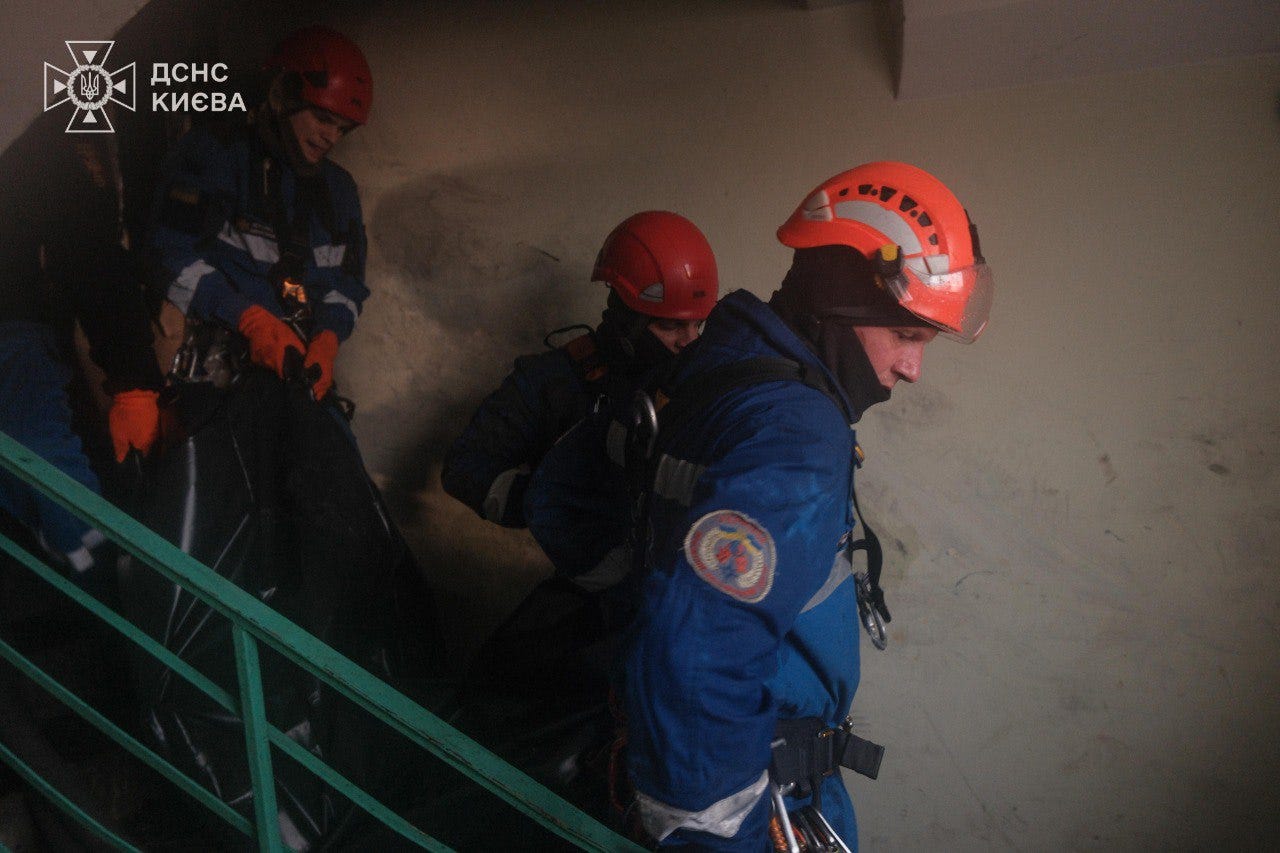
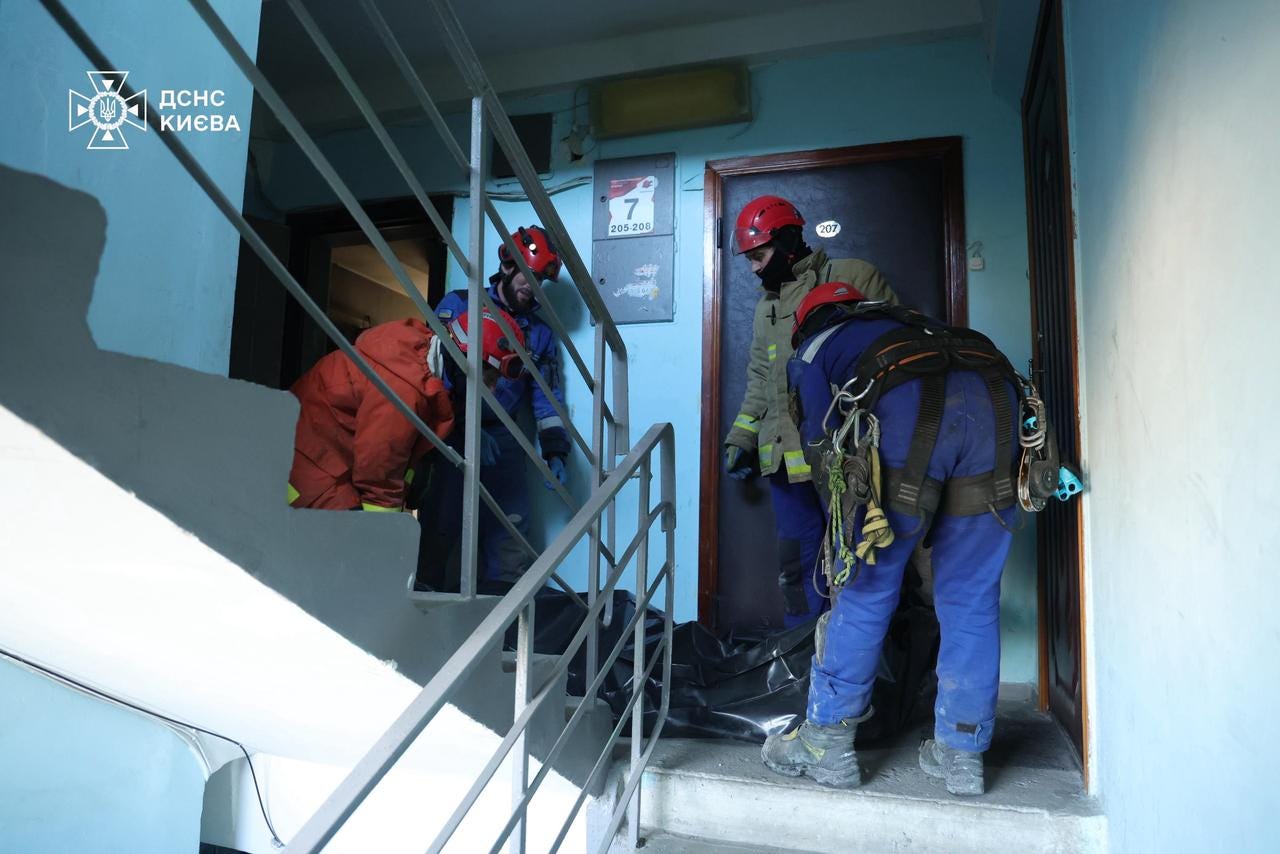
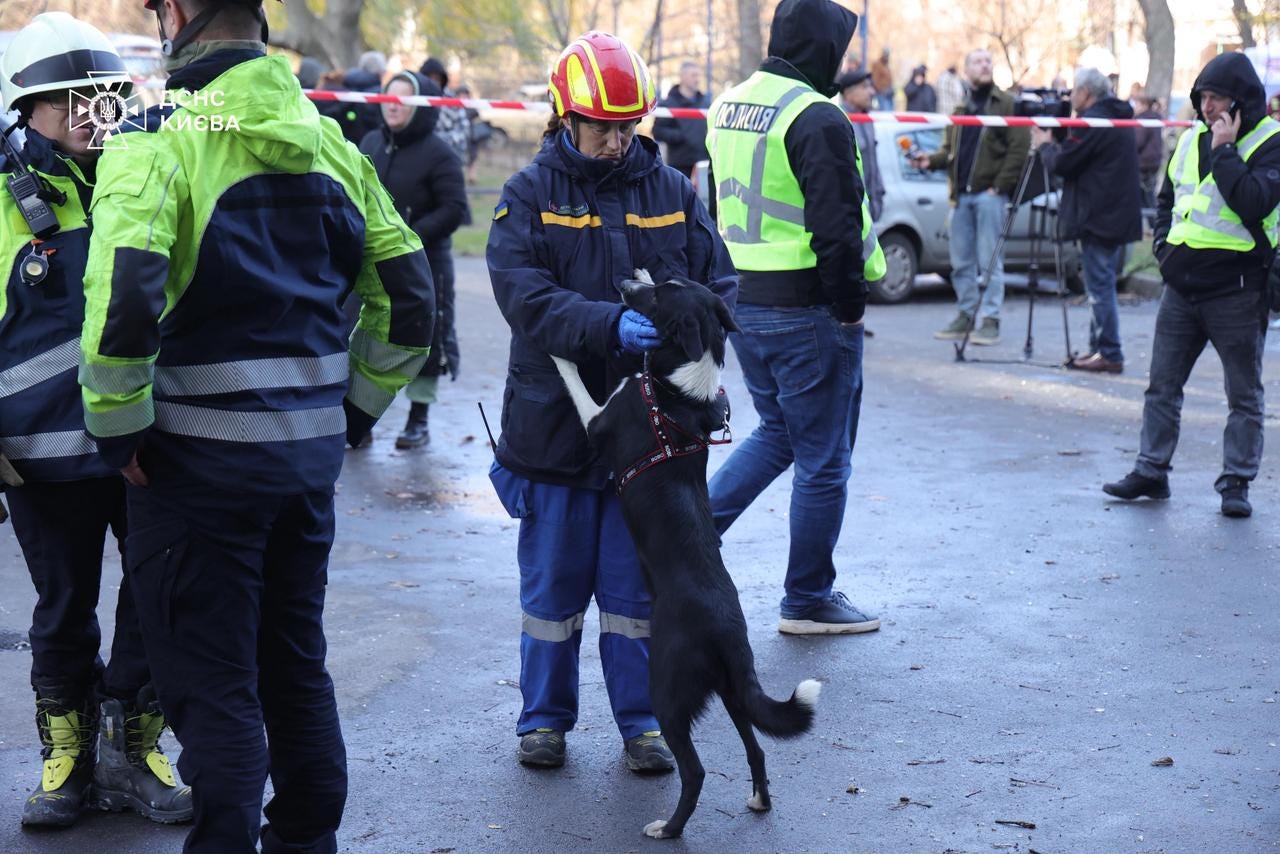
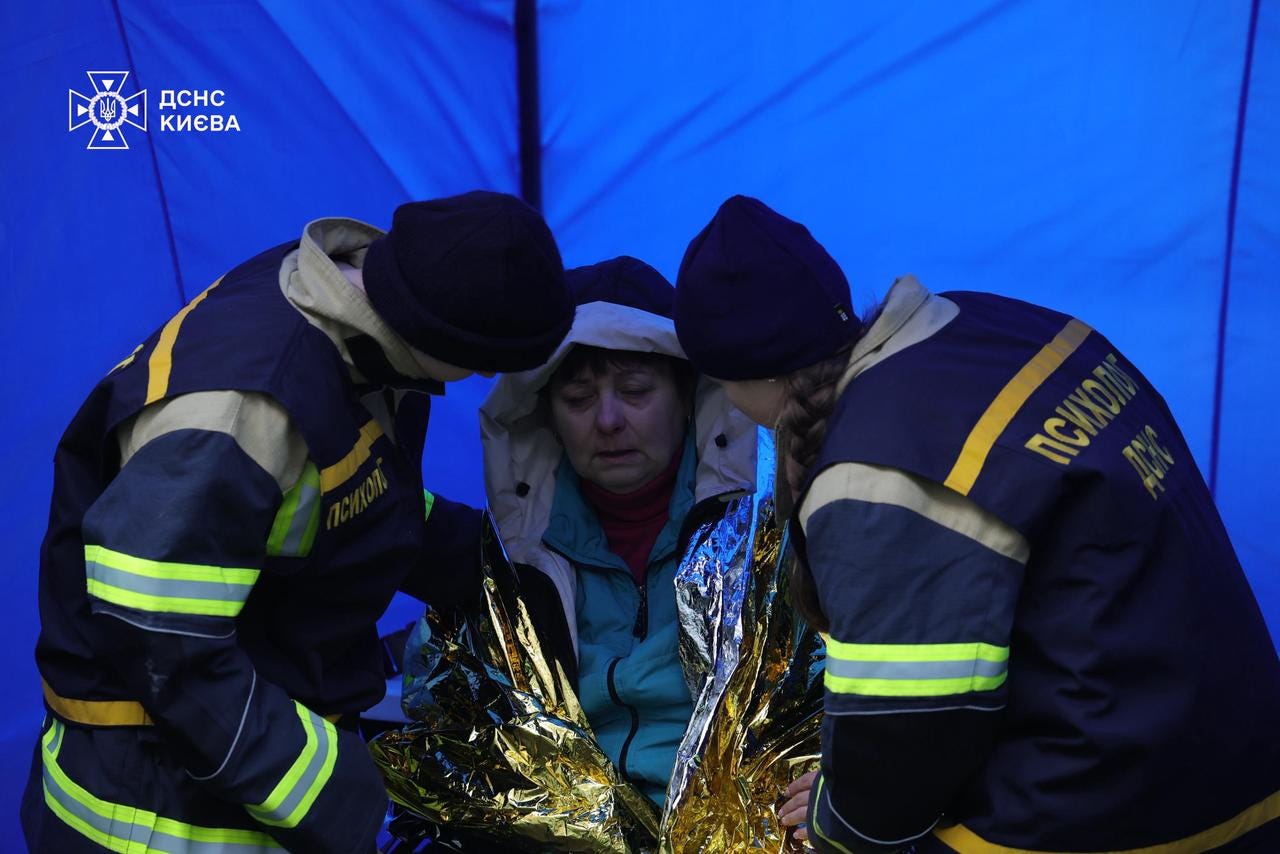
Photo Descriptions: Search and rescue operations are continuing in the Desnianskyi district at the site of a Russian UAV strike on a 9-story building. ▫️Unfortunately, 4 people were killed and 5 were injured. Emergency services rescued 17 people, including 1 child. The search for people who may still be under the rubble continues. A fire covering an area of 400 square meters has been extinguished. Psychologists from the State Emergency Service are working at the site and have already provided assistance to 38 people, along with dog handlers with two dogs, over 100 rescuers, and 33 units of State Emergency Service equipment. ▫️Volunteers from the Ukrainian Red Cross Society, World Central Kitchen, and People United by Ukraine have been involved in organizing food for the victims and rescuers. | Credit: https://t.me/dsns_telegram/53014
Meanwhile, back on the front line, the picture is just as incoherent.
In Kupiansk, Ukrainian officers now say there are fewer than fifty Russian soldiers left inside the city. Not fifty vehicles. 50 people.
Intercepts cited by Ukrainian Joint Forces communications chief Viktor Trehubov suggest those troops are scattered in the northern parts of town, cut off from each other and from the main Russian group by wrecked logistics.
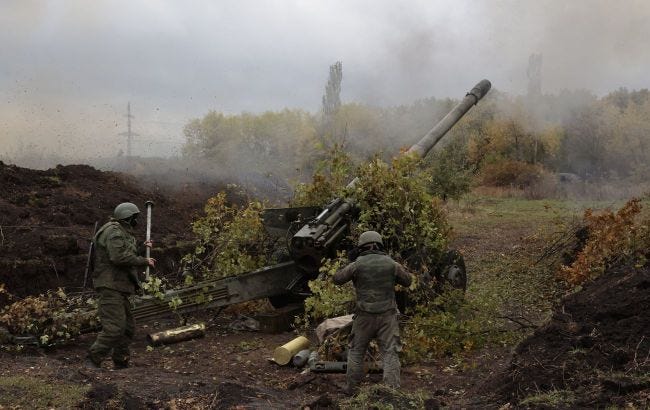
Few Russians remaining in Kupiansk | Credit: Getty Images
Ukrainian drones have made reinforcing them all but suicidal; small Russian groups trying to sneak in are getting shredded before they can turn into a meaningful foothold.
This is the part the glossy maps rarely show: on the ground, a “presence in the city” doesn’t mean control.
It can mean a handful of exhausted guys hiding in basements without a stable supply route, while their command shifts focus east and south to try to knock out Ukrainian positions on the left bank of the Oskil River instead.
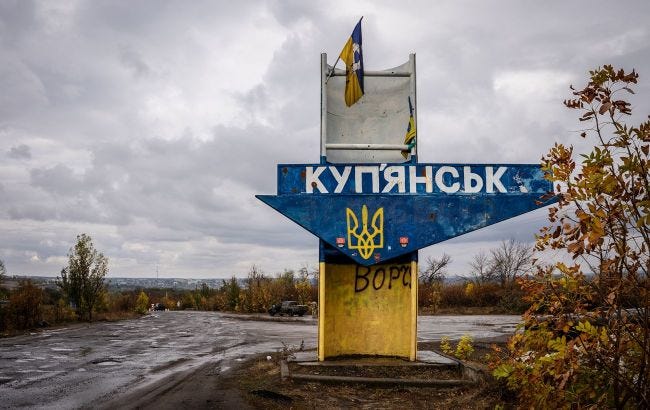
Kupiansk Region | Credit: Getty Images
If Moscow could force Ukraine off that bridgehead, it would create serious problems for Kupiansk’s own logistics.
So far, those attempts have failed too. The offensive math is backwards: lots of attacks, not much to show for them but body counts and burned fuel.
Further south, in Myrnohrad near Pokrovsk, Russia tried something more theatrical, and got slapped for it in real time.
On November 13, Russian troops climbed up at the Myrnohradvuhillia mine on the southeastern edge of the city and hoisted a tricolor.
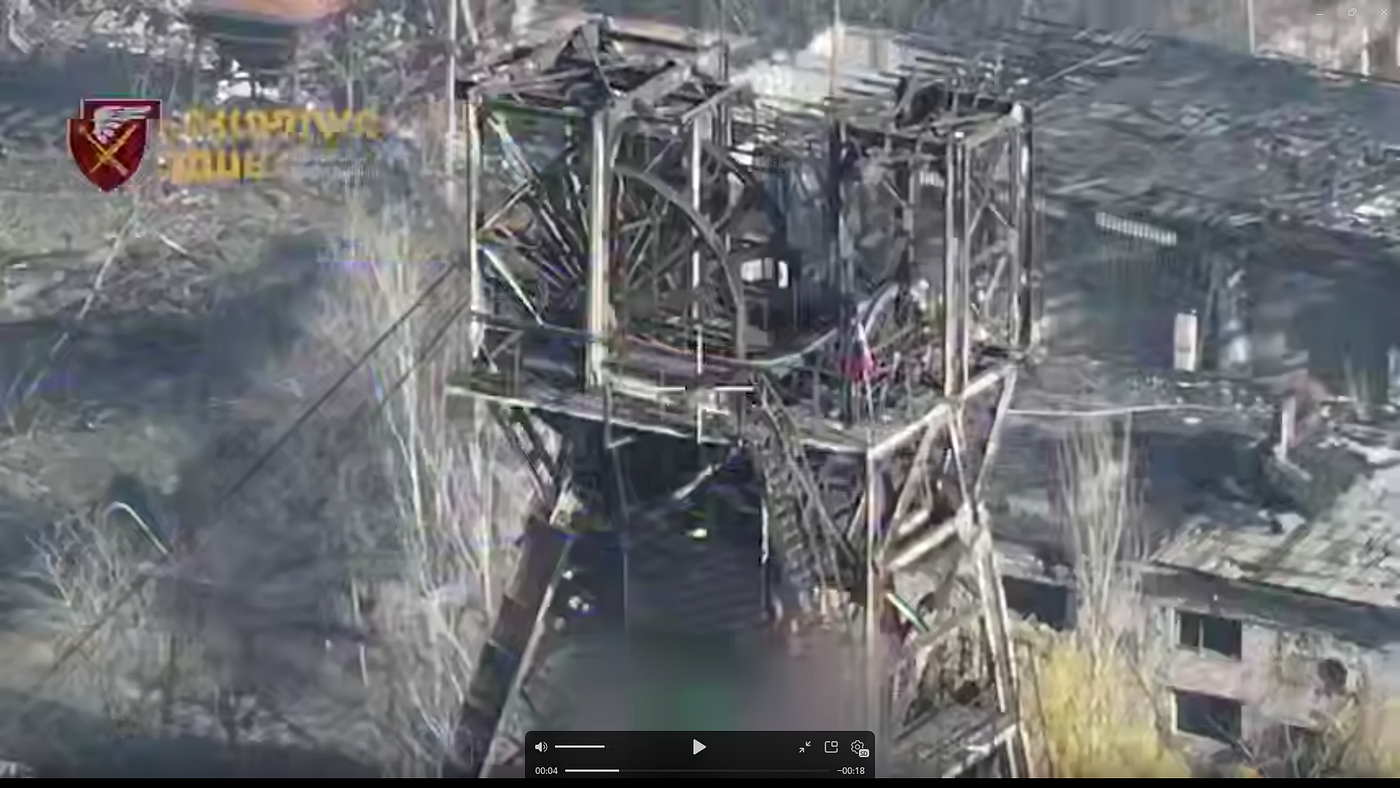
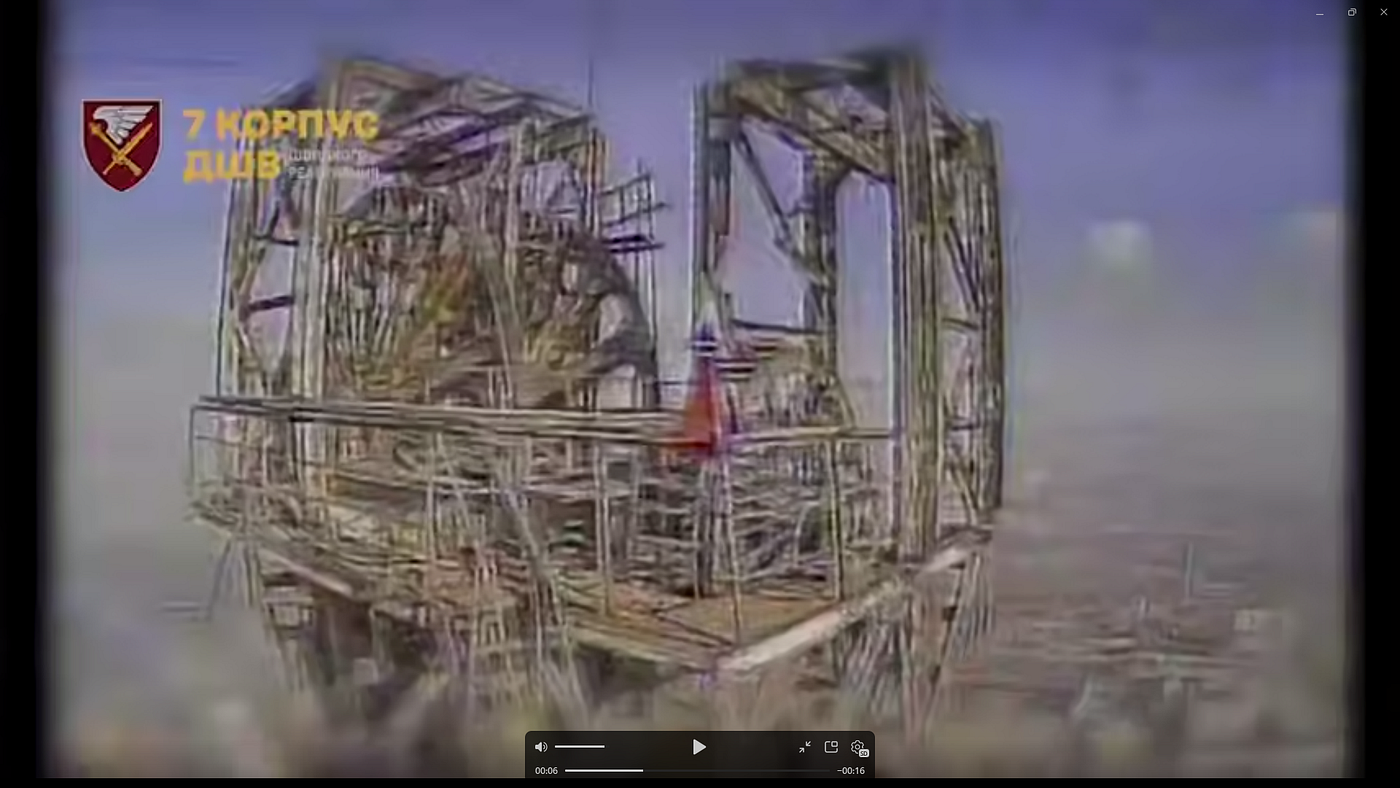
#1 & #2 — Russian flag placed on top the tower. | Video Credit/Source: https://t.me/corps7DSHV/786
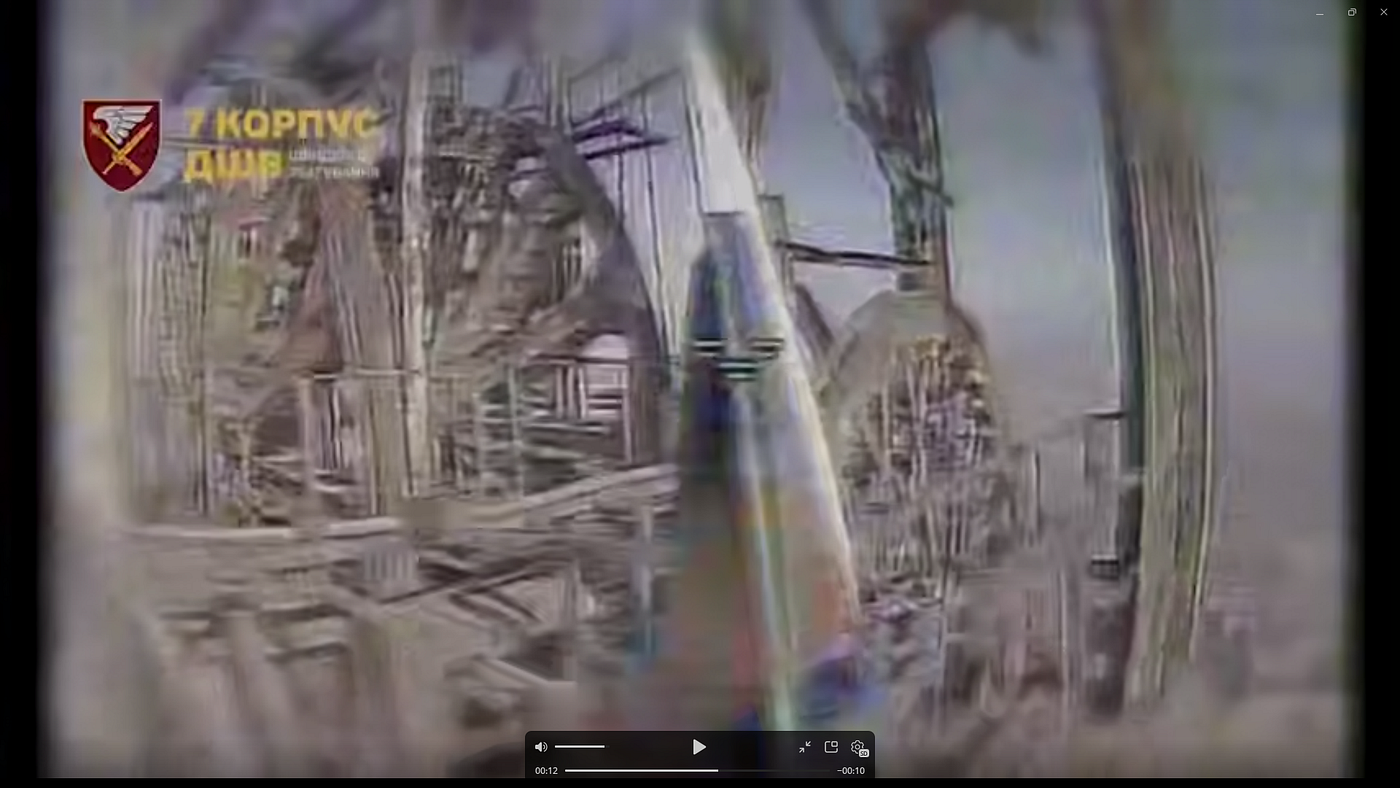
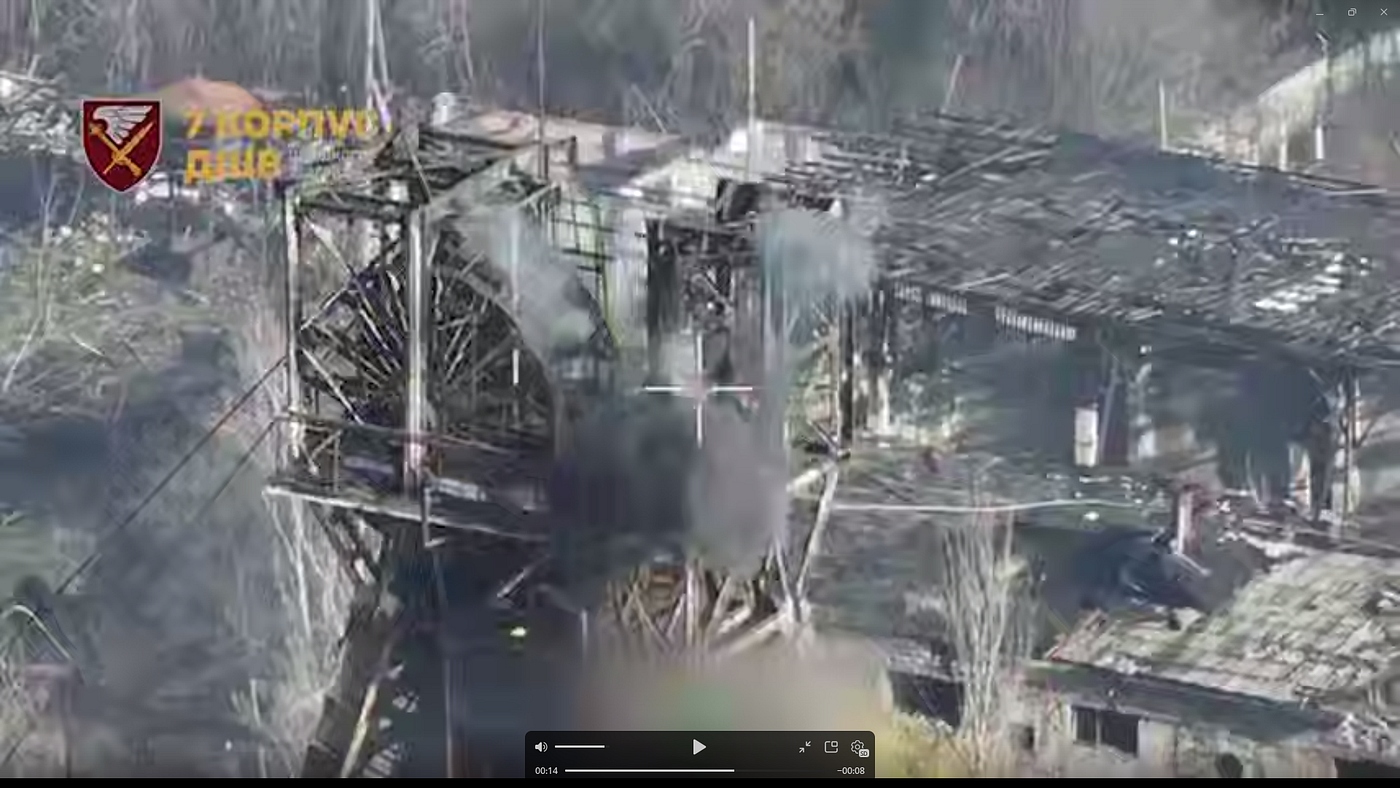
#3 & #4 — Ukrainian FPV drone destroys Russian flag | Video Credit/Source: https://t.me/corps7DSHV/786
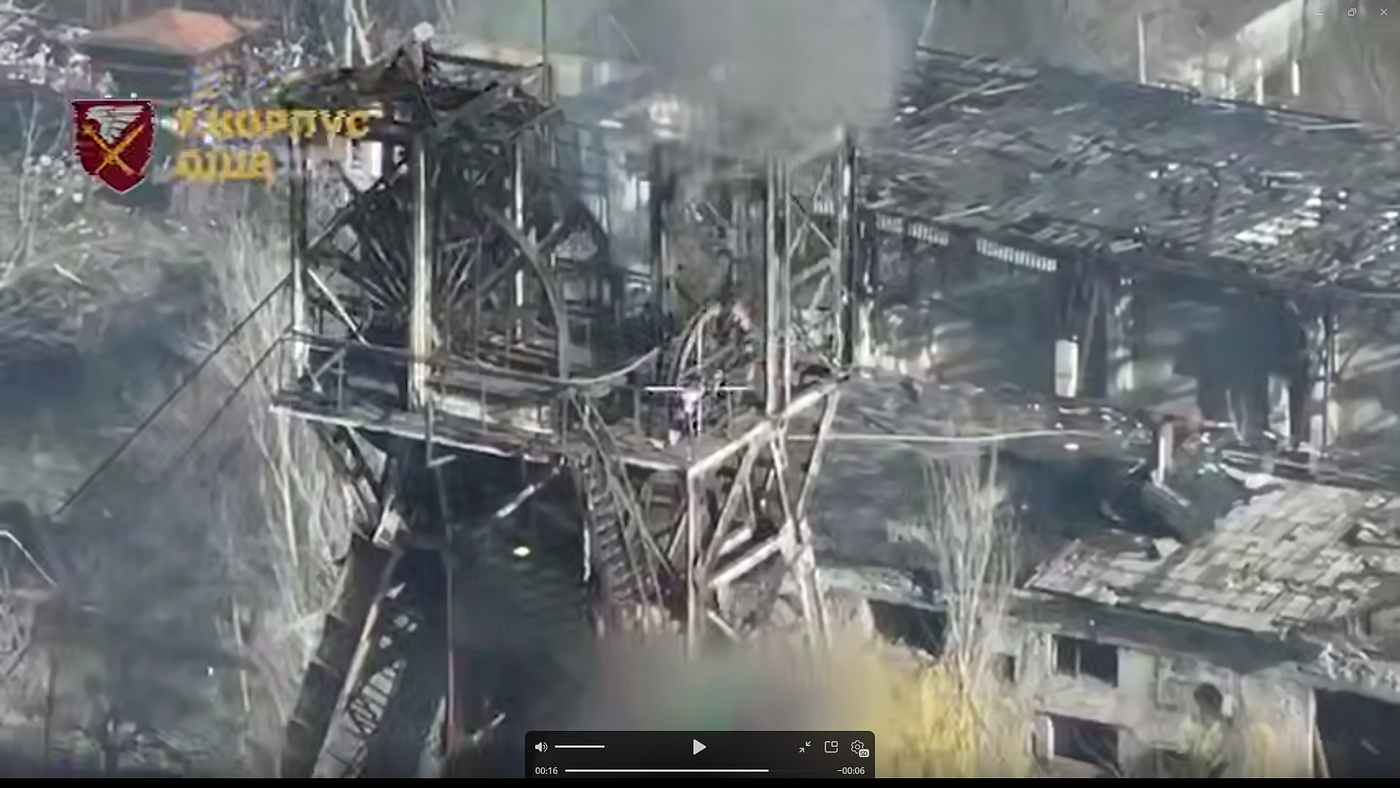
#5 — Aftermath of Russian flag being destroyed | Video Credit/Source: https://t.me/corps7DSHV/786
No combined-arms breakthrough, no secured city blocks, just a flag on industrial infrastructure.
Ukrainian Air Assault Forces later described it for what it was: a “flagpole tactic,” a cheap stunt meant to impress Telegram, spook local defenders, and feed the propaganda line that Myrnohrad was falling or already gone. In reality, Russian units can only push small infiltration teams into parts of the settlement — one or two soldiers here and there — and struggle to stay.
The response came from above. Troops of Ukraine’s 38th Separate Marine Brigade used an FPV drone to blow the flag — and the two Russians who raised it — off the tower.
Video from that kind of strike speaks louder than any briefing. It says: you can fake a capture all you want, but if you can’t hold the street below, your flag is just a target marker.
Ukrainian General Staff spokespeople and information-warfare officials have been clear: fighting around Pokrovsk and Myrnohrad is vicious.
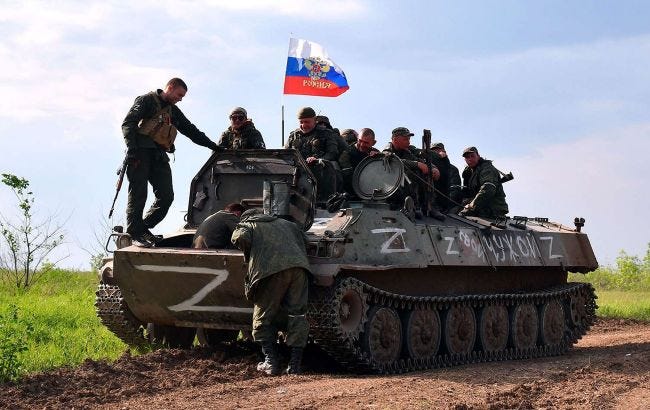
Illustrative Photo | Credit: Getty Images
Russia keeps trying to choke Ukrainian logistics and advance; Ukraine keeps killing their infantry on the approaches and inside the urban area. There is no encirclement, no clean pocket.
There is a grinding battle and an enemy that resorts to camera tricks when battlefield reality doesn’t match its press releases.
So on the same day Russia is trying to show the world: look, another town is ours, its troops are getting flagged and fragged by a quadcopter.
Then there’s the war you don’t see on the map at all — the one waged in spectrum and myth.
That “Doomsday” radio station? The one shortwave geeks have obsessed over for decades? It just went quiet after a drone strike.

Illustrative photo | Credit: Getty Images
RBC-Ukraine and Russian social media channels report that the mysterious UVB-76 transmitter — nicknamed “The Buzzer” for its constant, grating tone — stopped broadcasting following a Ukrainian UAV hit that took out a power substation.
Russian sources themselves admitted the blackout, grumbling about “temporary” issues caused by a drone strike.
For context: this isn’t some random hobby channel.
Since the 1970s, UVB-76 has been pulsing out a short, repetitive signal on 4625 kHz, occasionally broken by cryptic voice messages: strings of numbers, names, and code words.
No official mission statement, of course — it’s Russia — but most analysts believe it’s a backup military communications system, potentially tied to higher-end “in case of catastrophe” links.
The “Doomsday” nickname comes from that reputation: if everything else goes dark, this thing is still supposed to be buzzing away in the ruins.
Now it’s not.
Even if the actual function is more mundane, symbolism matters.
On the same night a drone raid lit up the Novorossiysk oil terminal, forcing a halt in exports and triggering a local state of emergency, a long-standing military transmitter that’s supposed to scream “we endure anything” went down because someone flew an explosive lawnmower into the infrastructure feeding it.
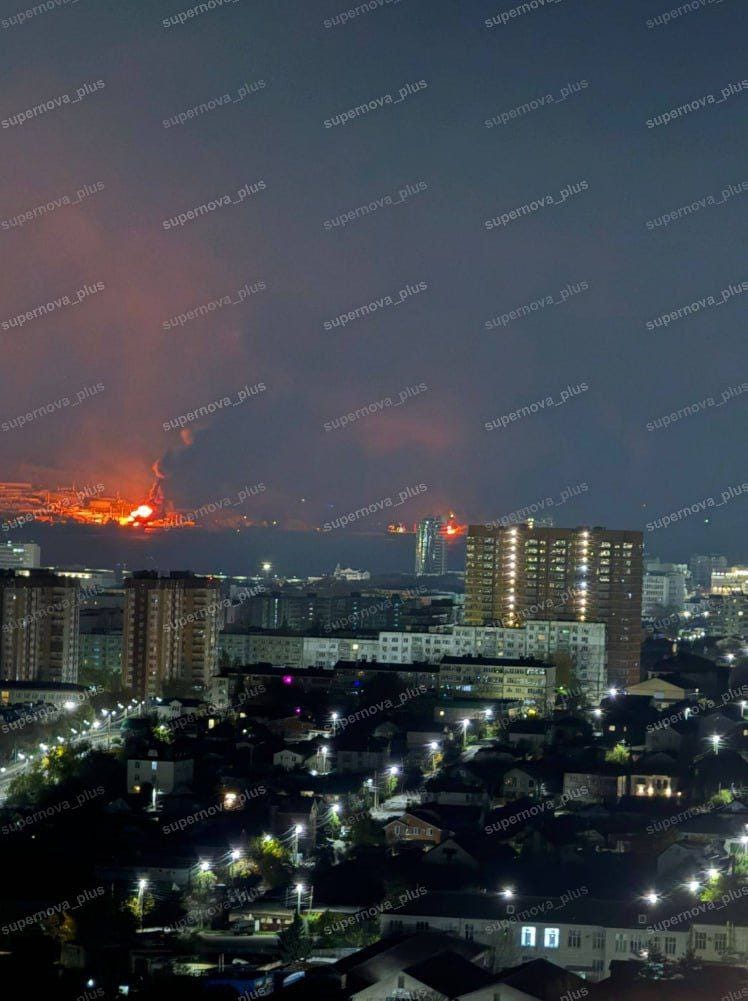
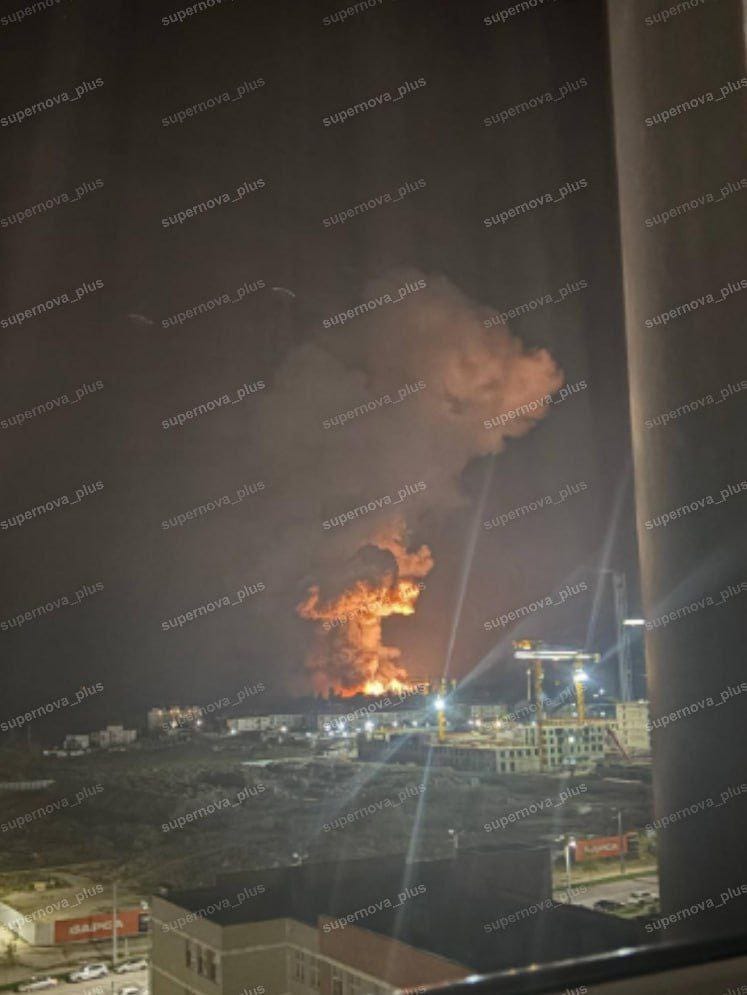
Novorossiysk oil terminal on fire | Source: https://t.me/RBC_ua_news/170386
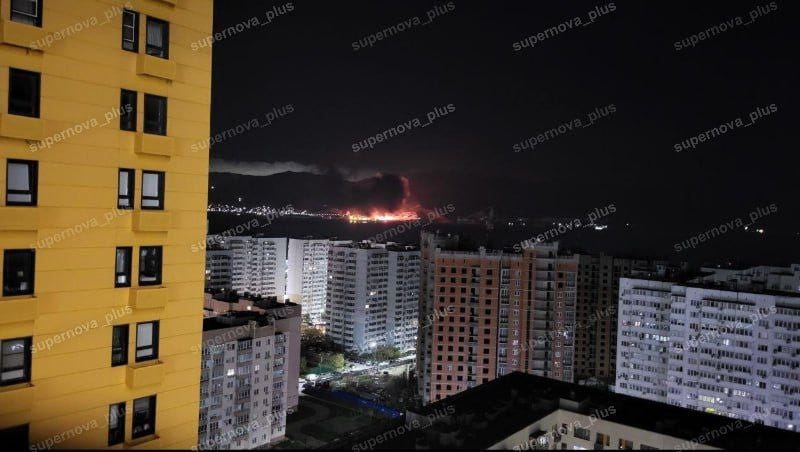
Novorossiysk oil terminal on fire | Source: https://t.me/RBC_ua_news/170386
That’s the war in miniature: Russia clings to relics of superpower aura; Ukraine sends a flying power-cut.
Put these five snapshots together and you get a clearer picture than any single headline delivers.
You have a Russia that can still fire off massive strike packages and kill civilians — but can’t stop embassies from being hit or keep friendly countries from publicly roasting it.
You have frontline troops stranded in Kupiansk because Ukrainian drones and sappers have turned logistics into a maze of blown bridges and deadly crossings.
You have commanders around Pokrovsk so desperate for good news they’re staging flag-raising photo ops on the edge of towns they don’t actually control.
You have a “Doomsday” transmitter knocked out by a drone war Russia keeps pretending it’s winning.
This isn’t a coherent grand strategy. It’s a juggling act where every ball is on fire and the juggler is sweating through his shirt.
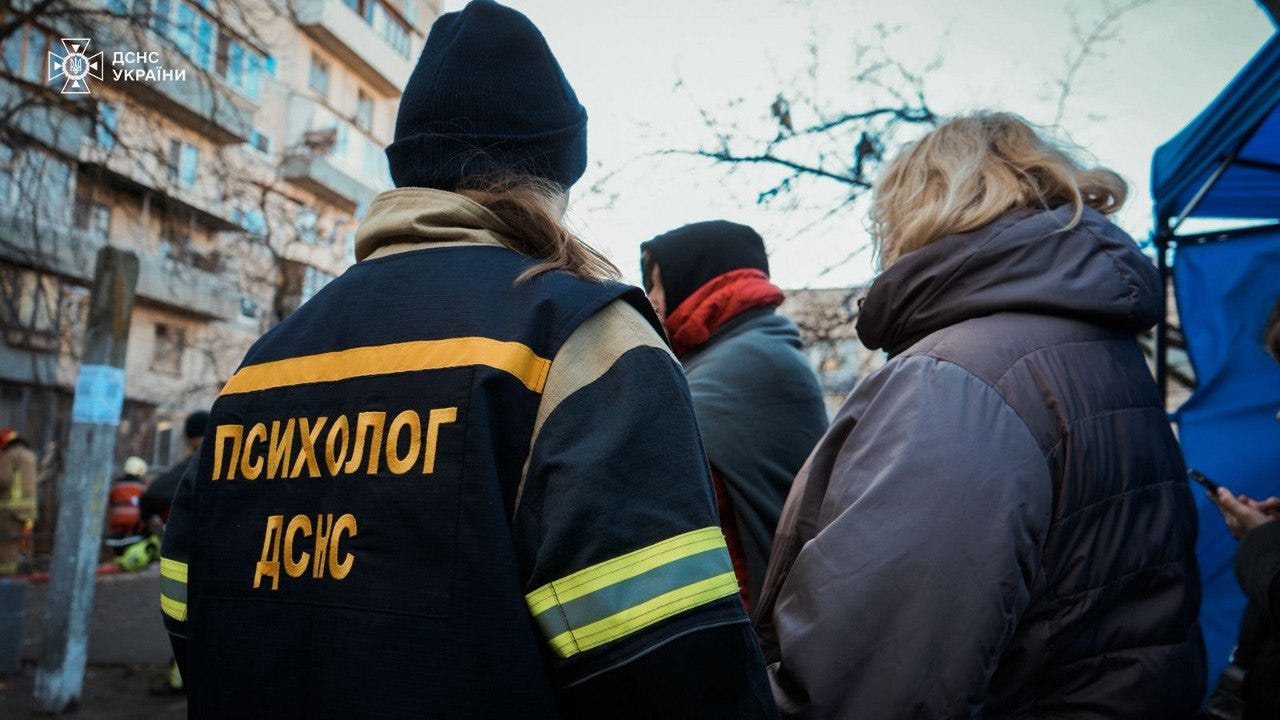
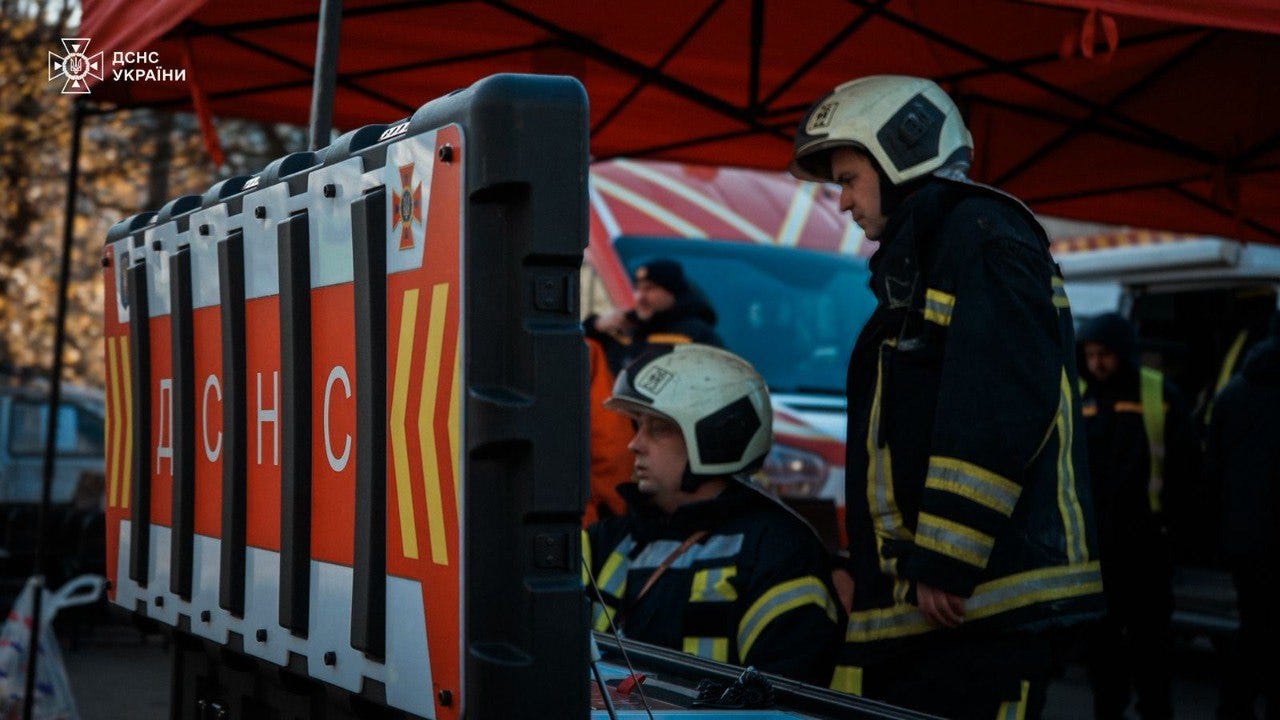
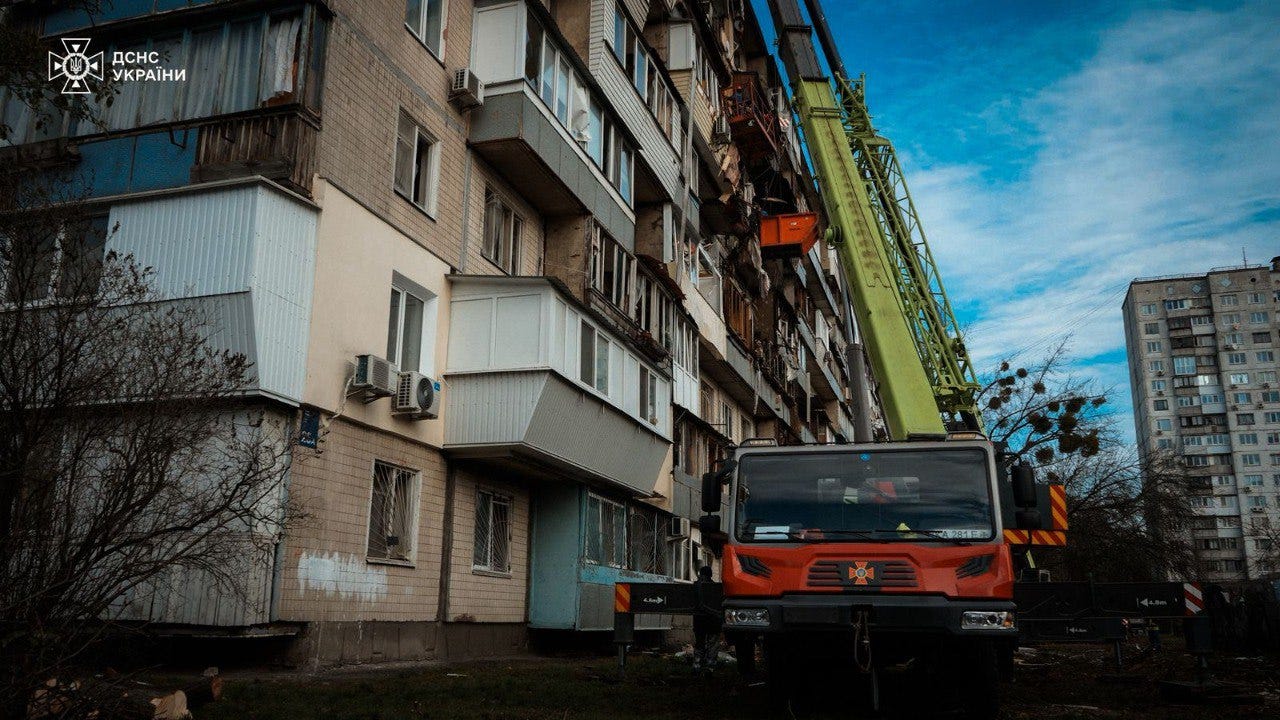
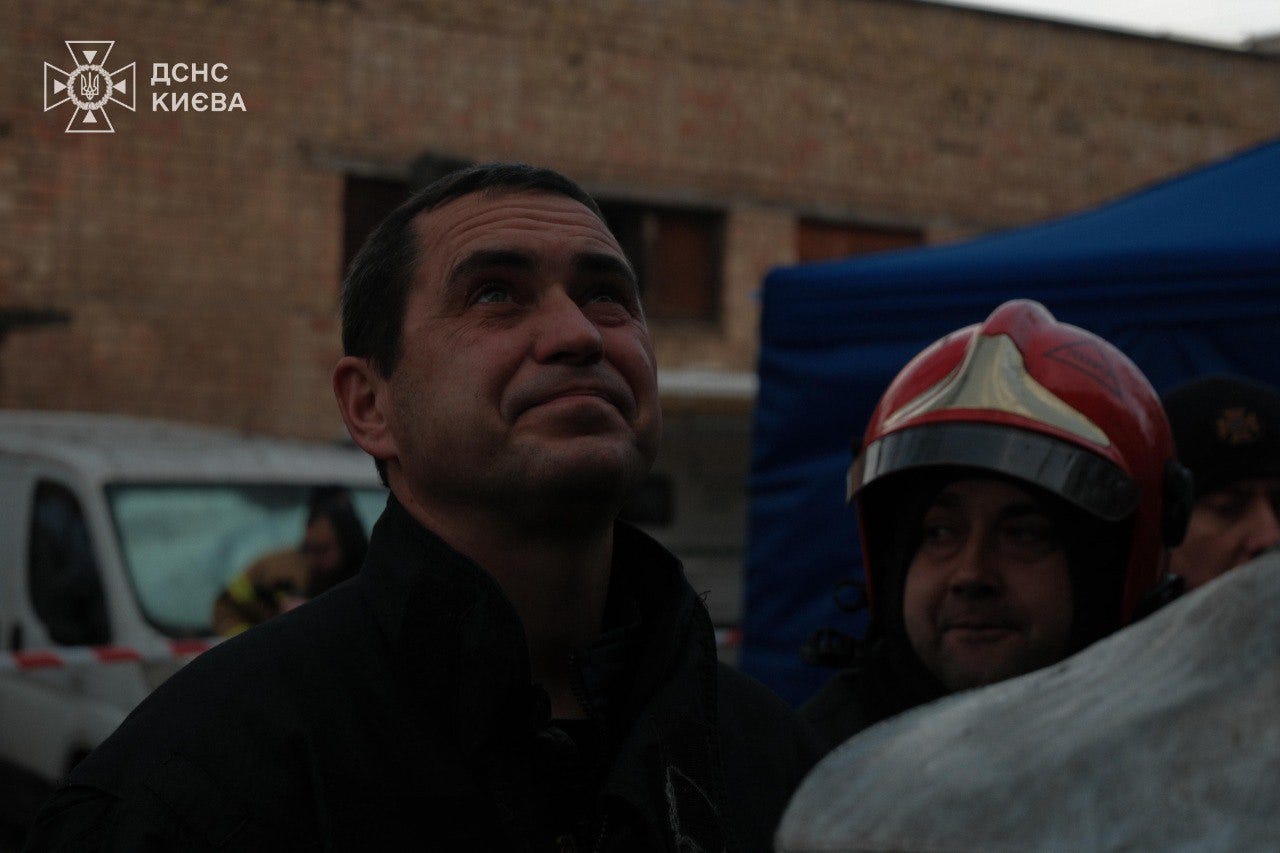
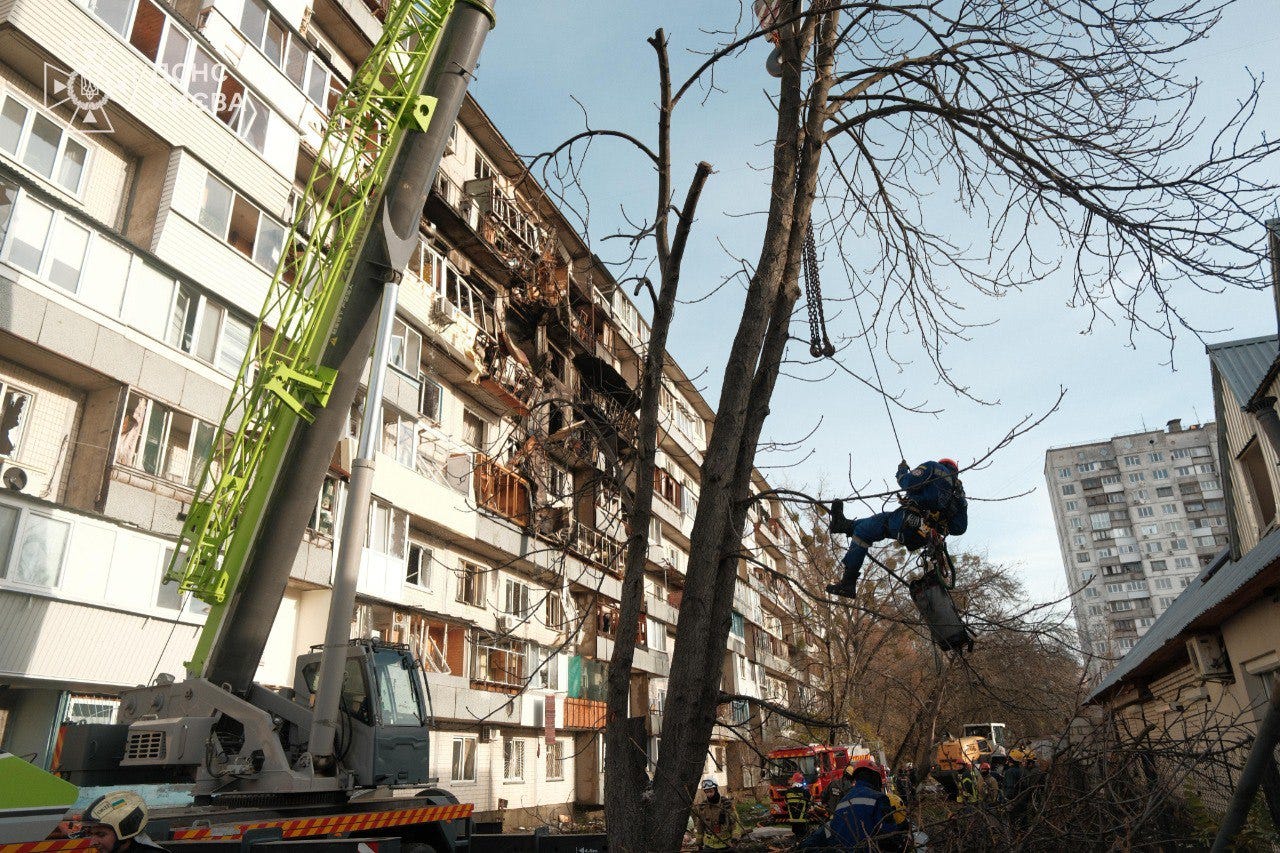
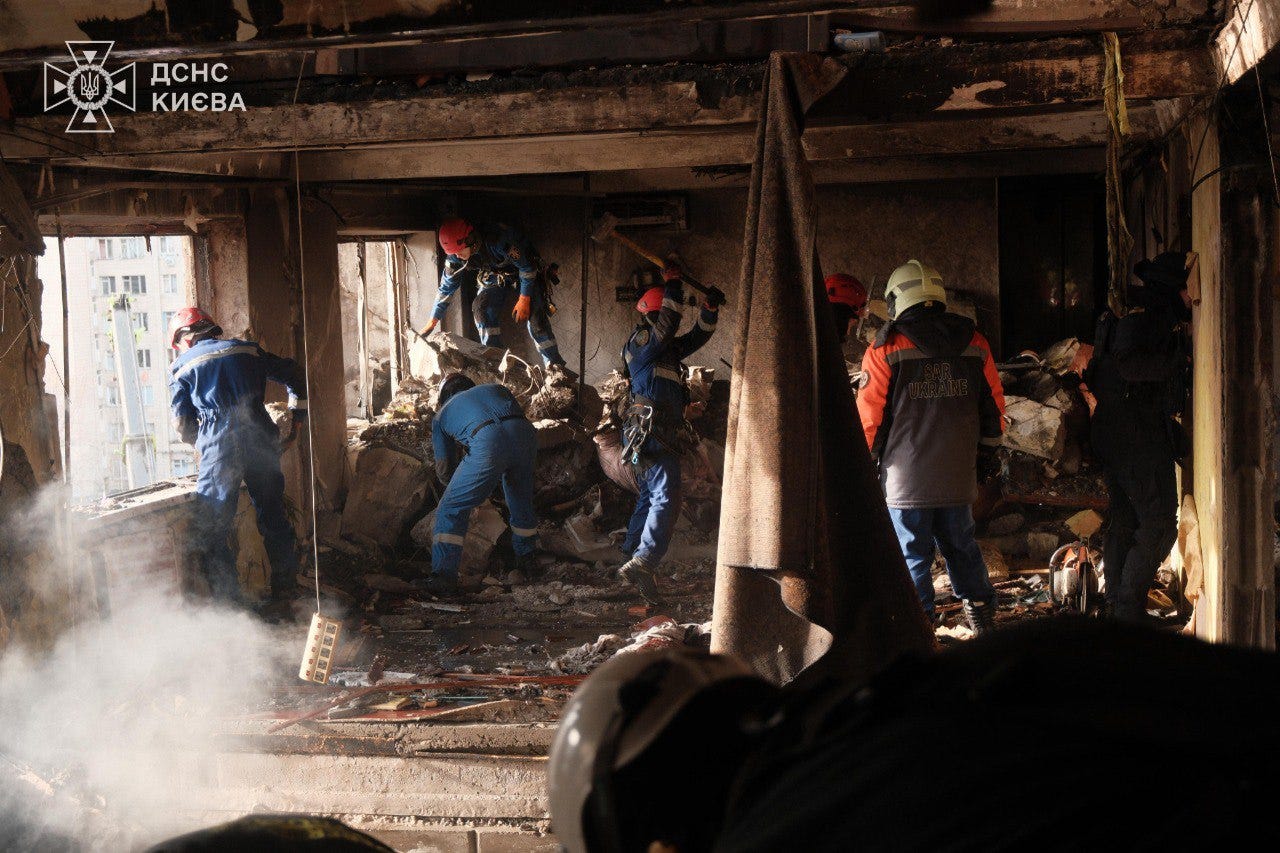
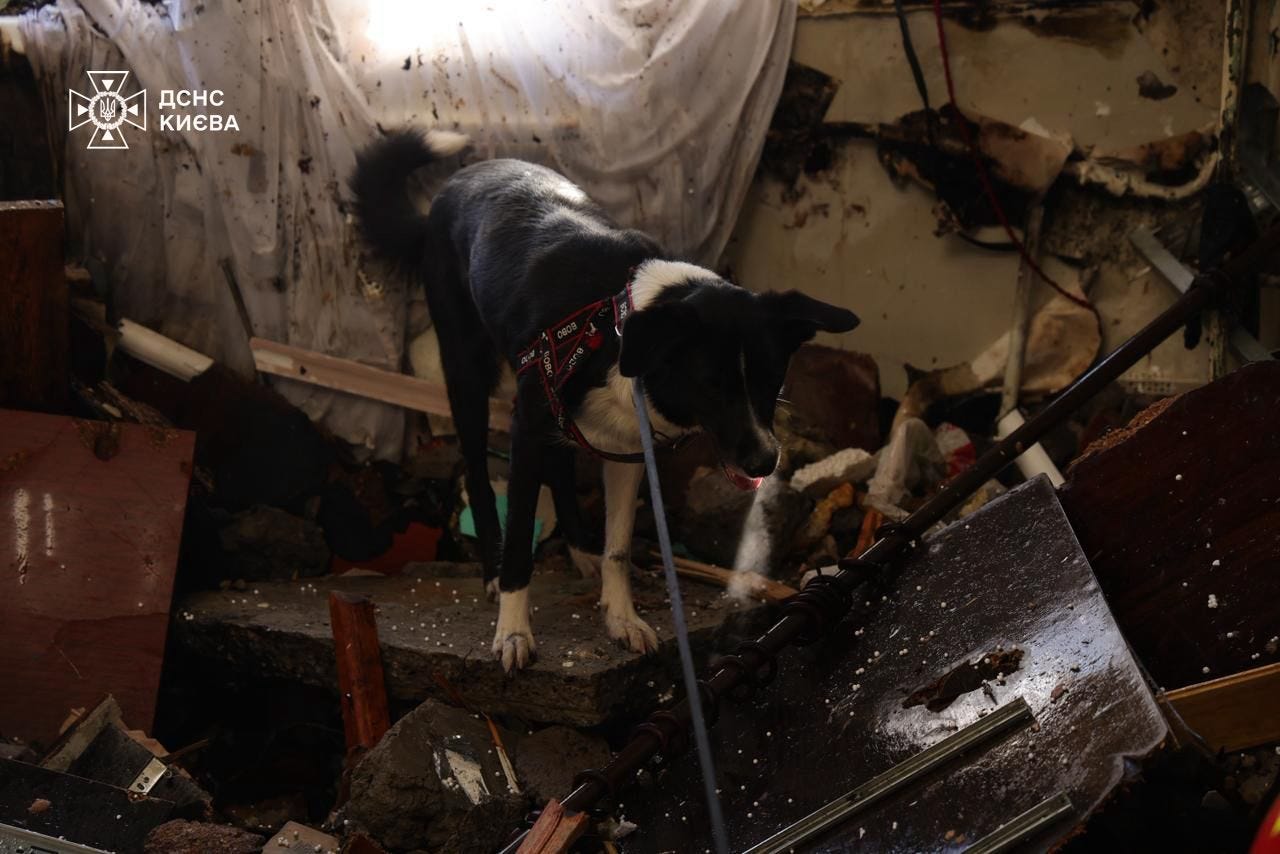
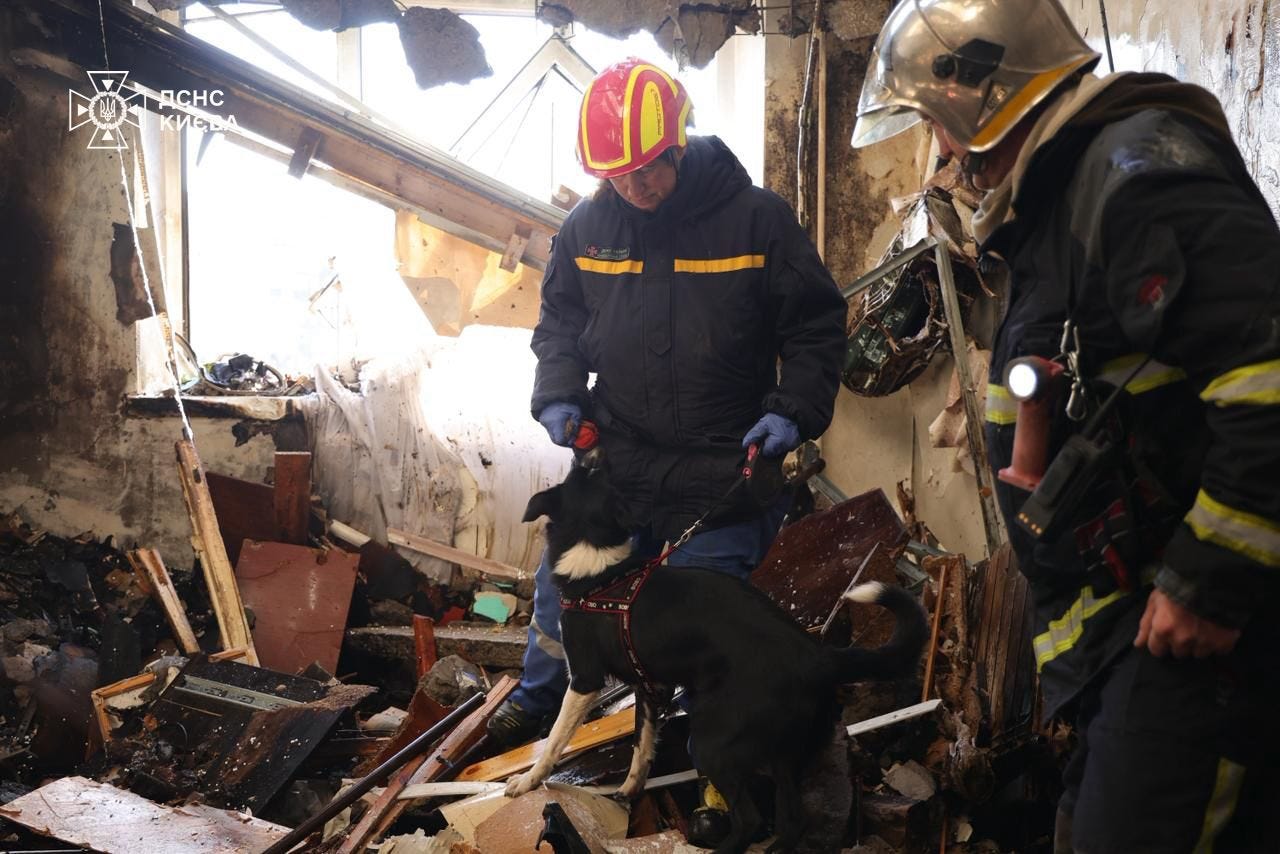
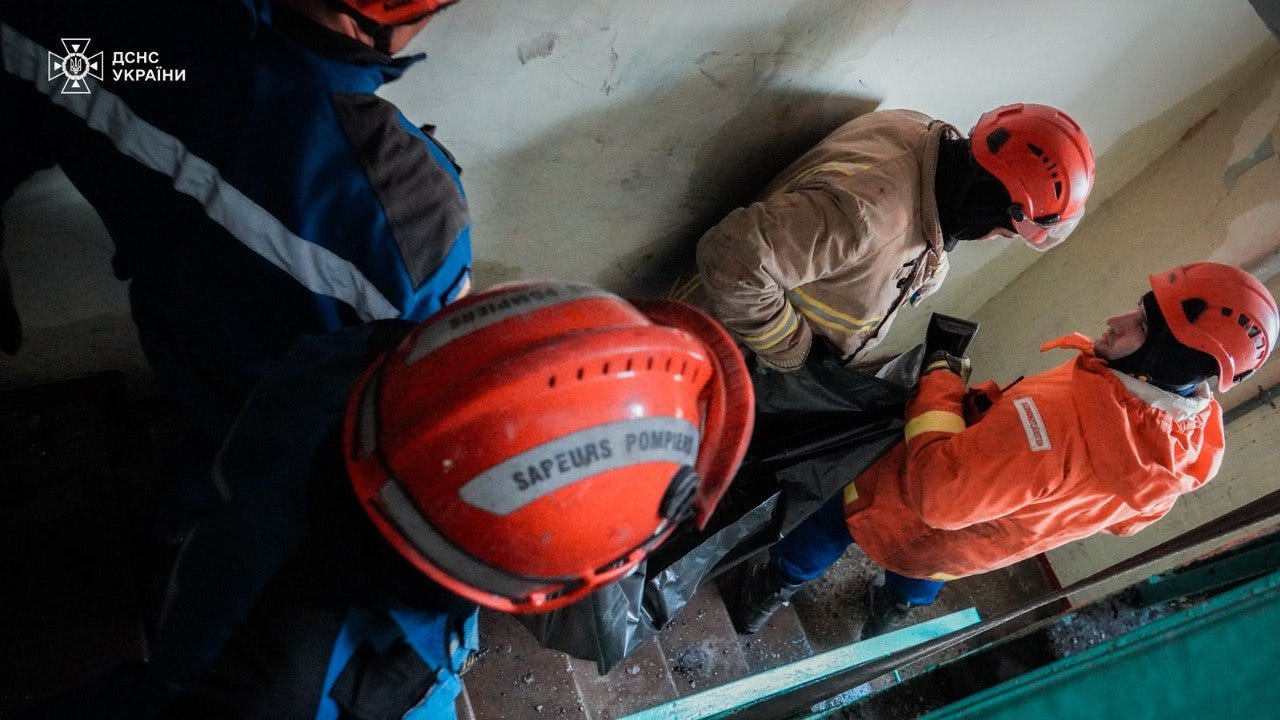
The death toll from the Russian drone strike on a 9-story building in the Desnianskyi district of the capital has risen to 5. ▫️Five people were injured, and 17 people, including a child, were rescued by emergency services. Psychologists from the State Emergency Service, dog handlers, more than 100 rescuers, and 33 units of State Emergency Service equipment are working at the scene. Emergency rescue operations are ongoing. | Credit: https://t.me/dsns_telegram/53023
The uncomfortable truth for the Kremlin is this: when your war effort looks like this from the outside — shriveling garrisons, fake captures, rogue missiles smacking embassies, and sacred legacy systems going offline — it stops scaring people the way you want.
Allies start hedging. Neutrals start asking awkward questions. Even your own population starts noticing that “special operation” somehow includes pissing off Azerbaijan and getting dunked on by quadcopters.
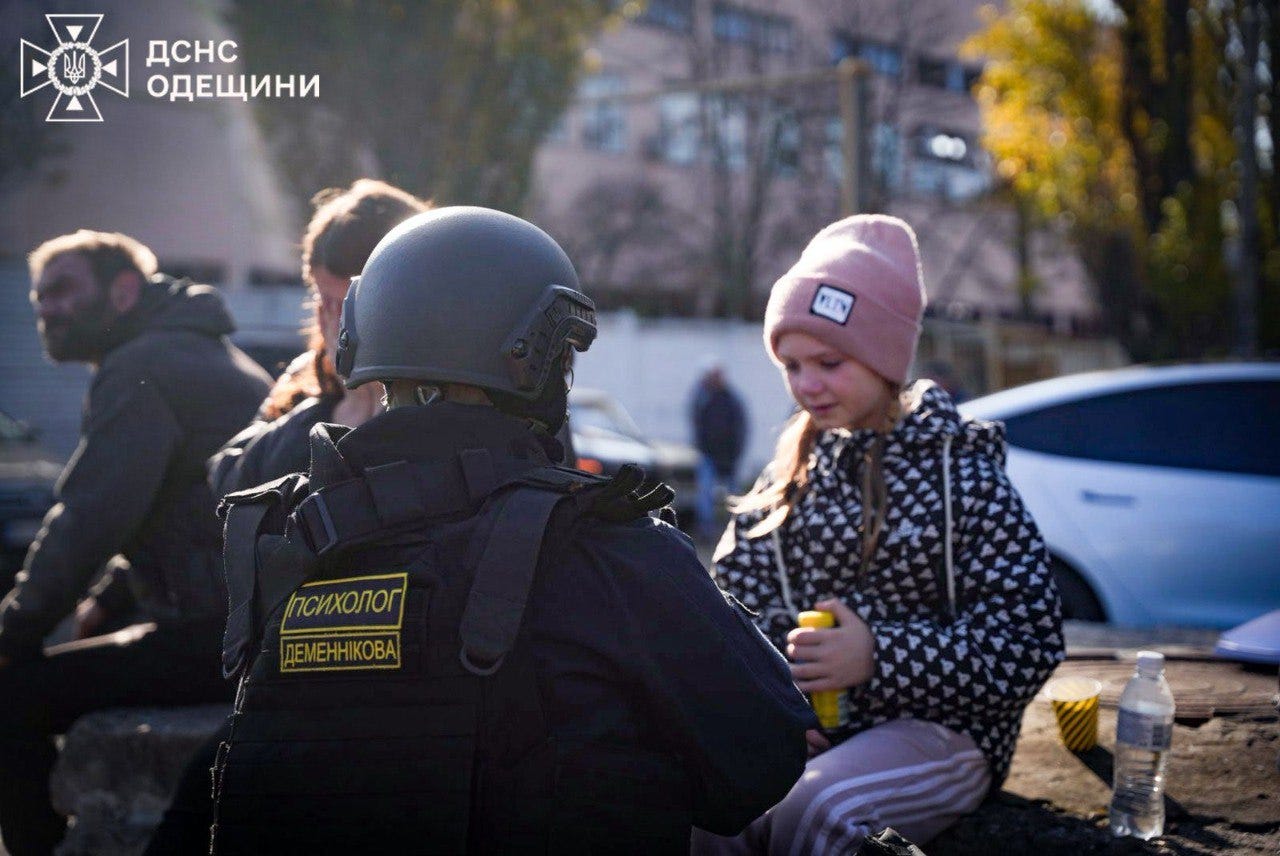
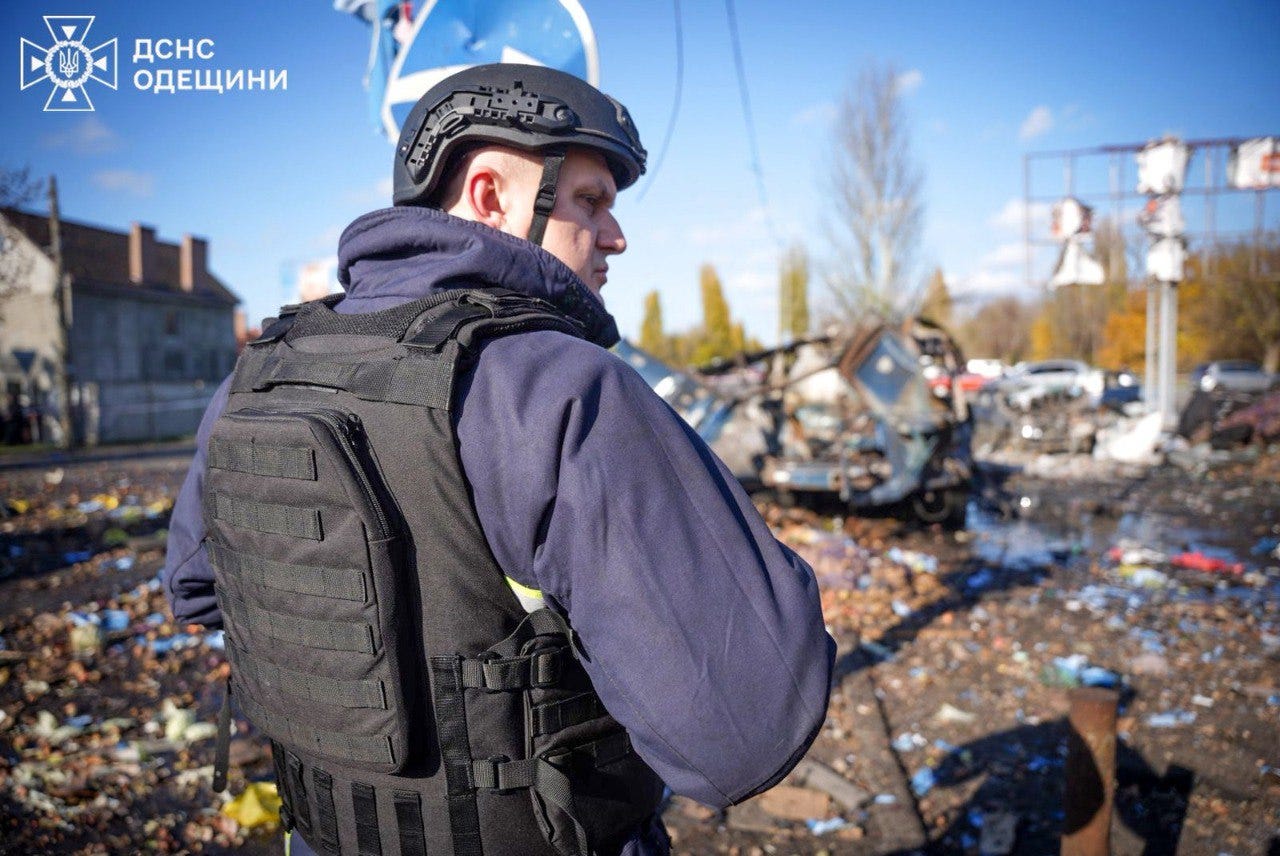
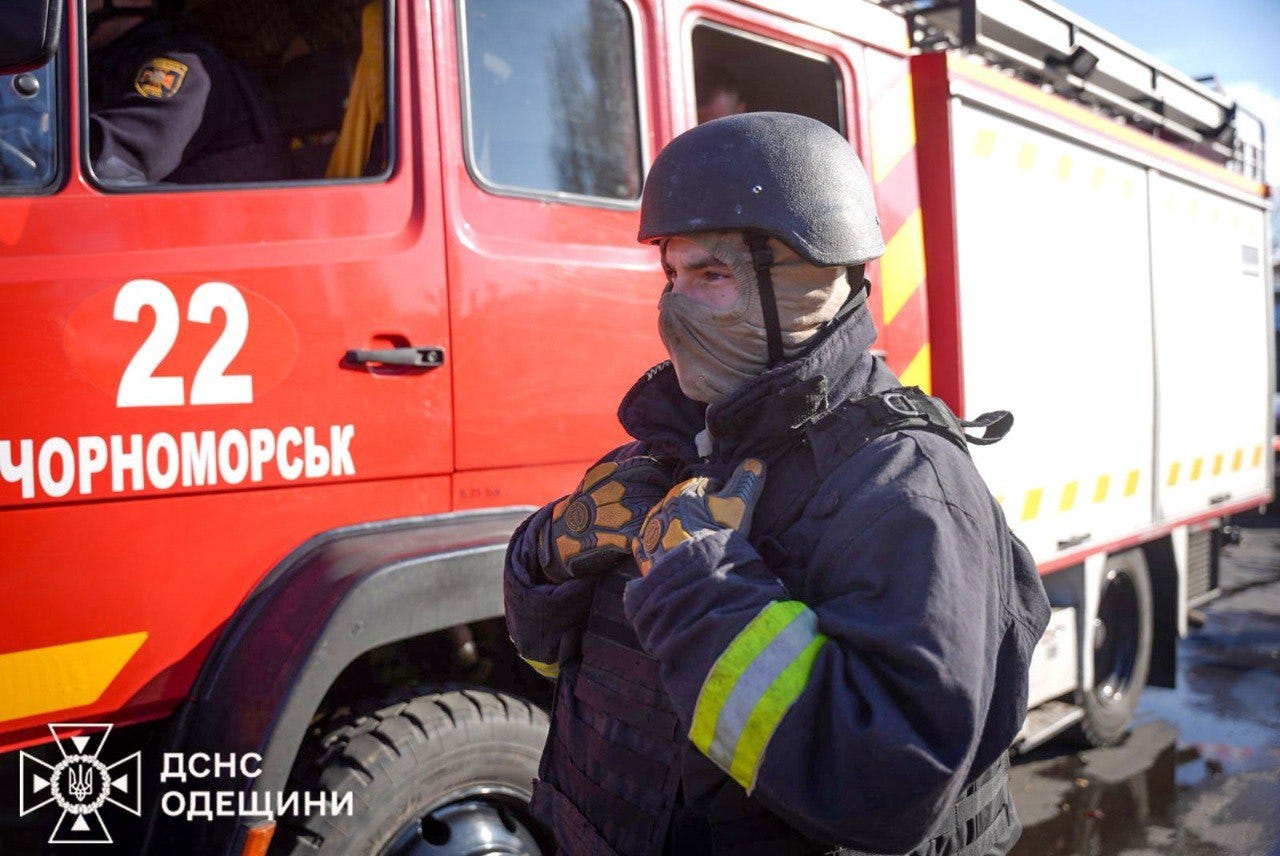
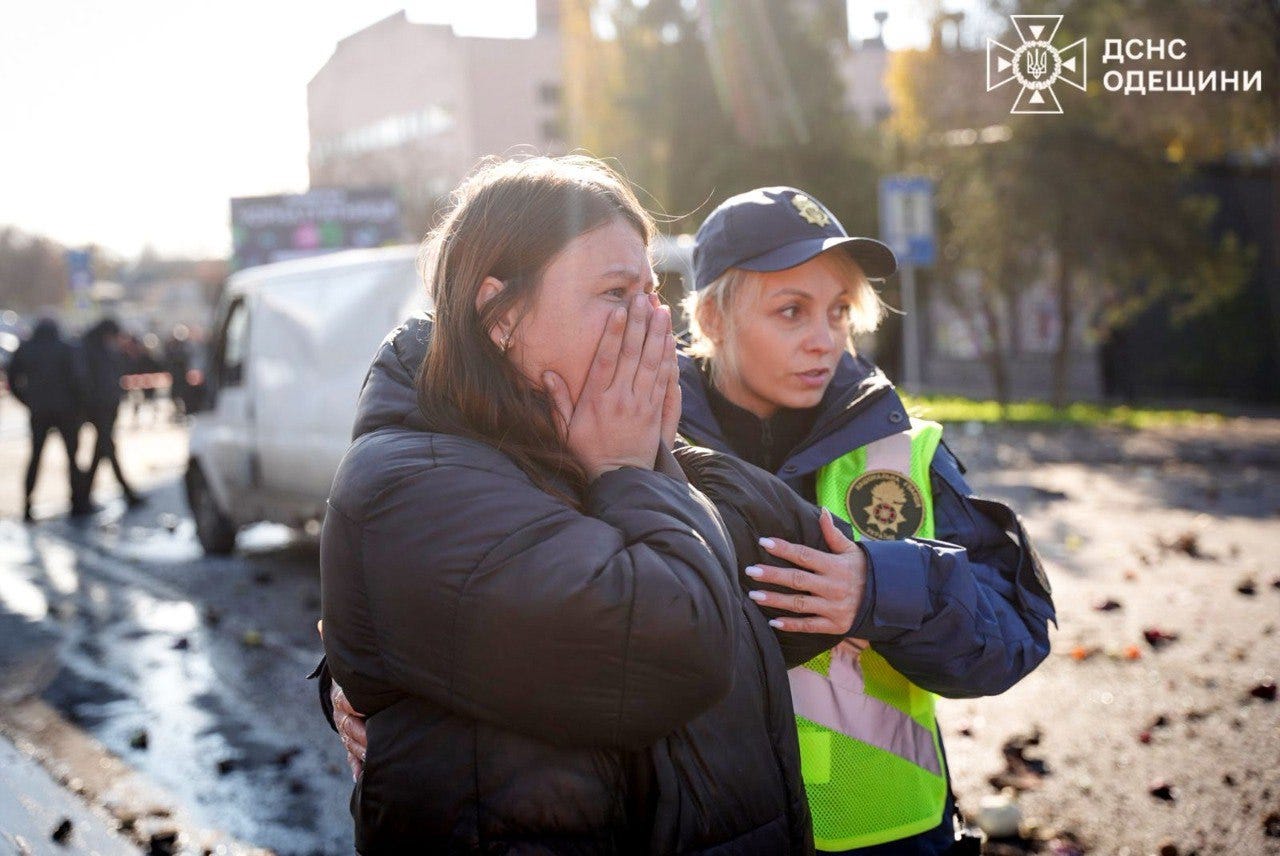
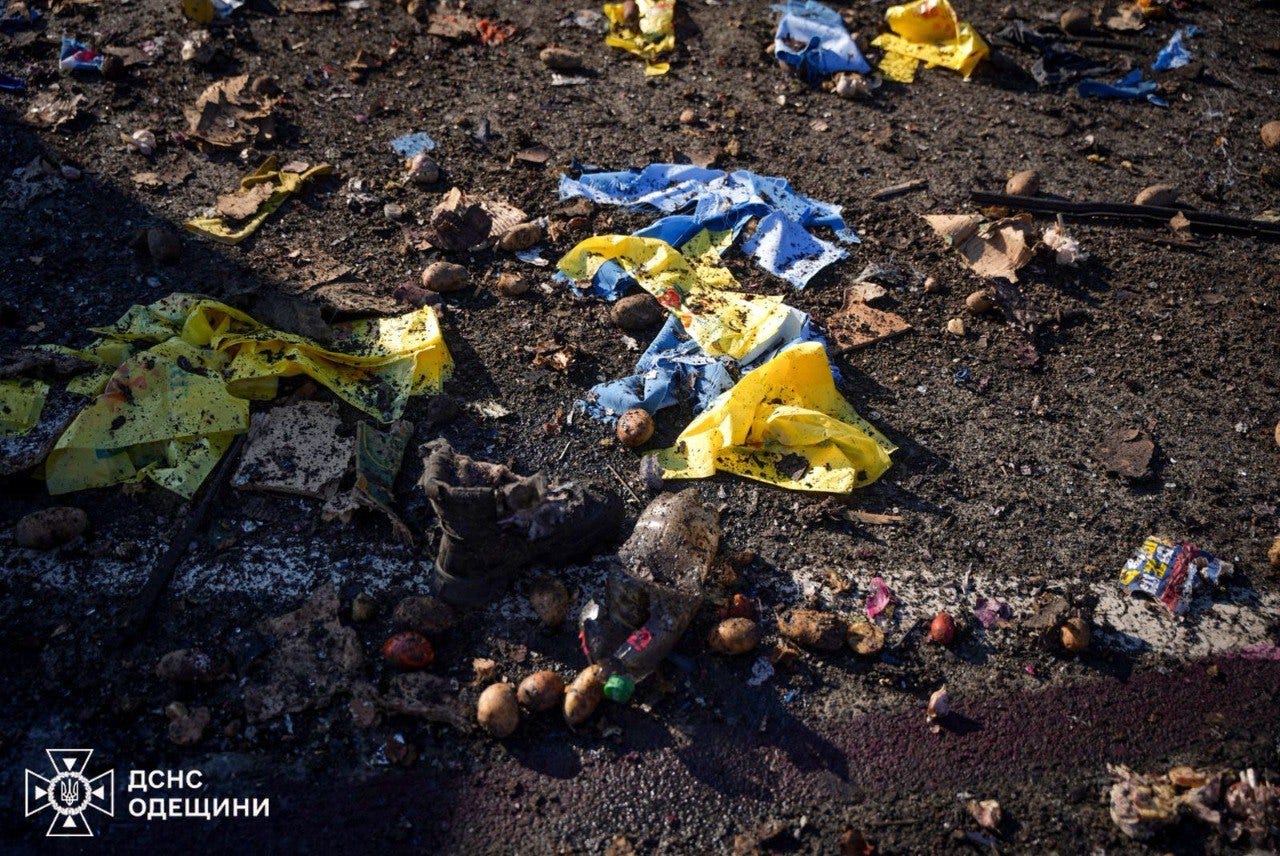
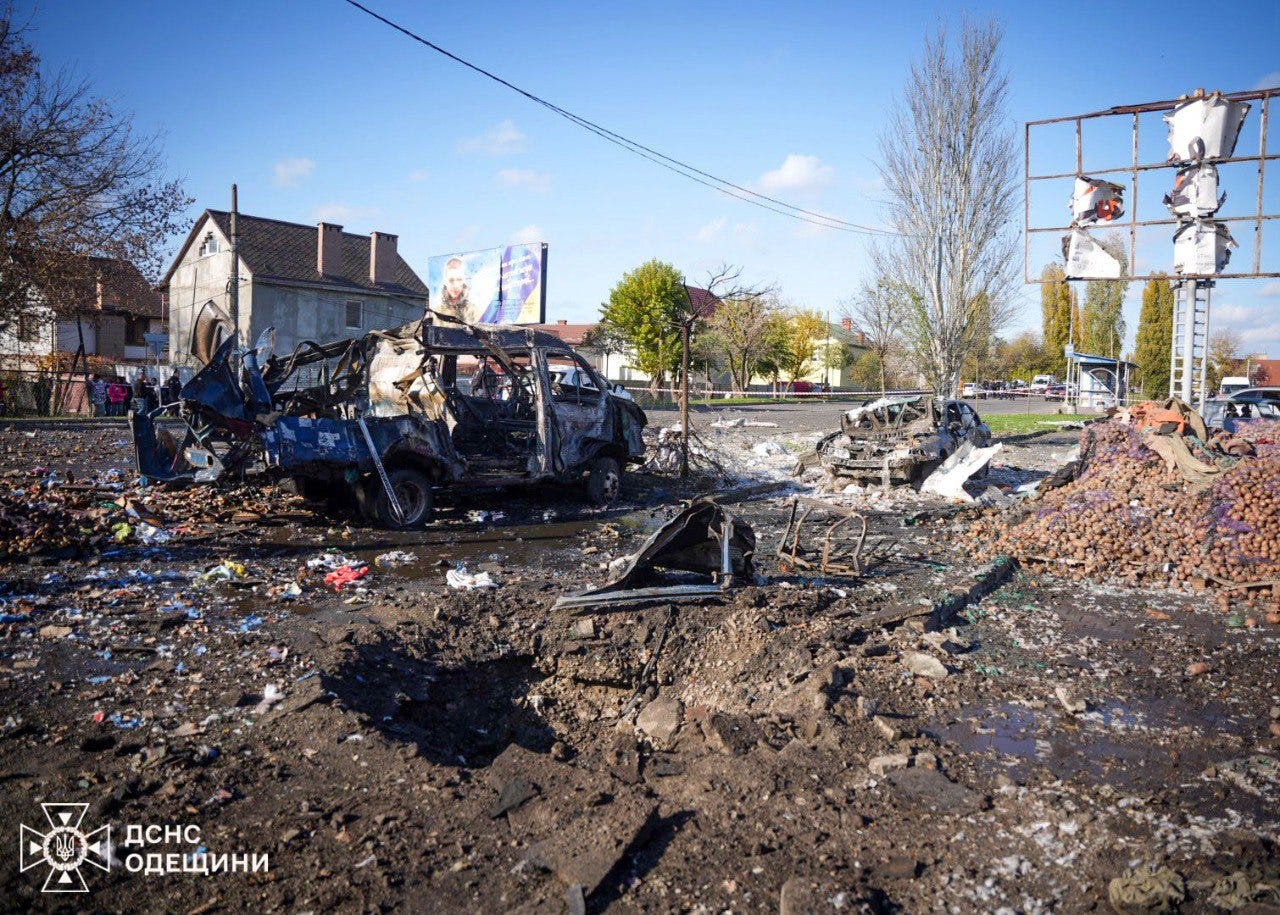
As a result of the Russian strike near the market in the city of Chornomorsk, two people were killed and ten more were injured, including a child. A fire broke out at the site. Two cars were destroyed and 13 more were damaged. Fires broke out. Nearby buildings were also damaged. Rescue workers extinguished the fire. Psychologists from the State Emergency Service worked at the scene to provide assistance to local residents | Credit: https://t.me/dsns_telegram/53041
For Ukraine, none of this makes the situation easy. Air defenses still strain under salvoes. Towns like Pokrovsk and Myrnohrad are still being fought over house by house.
Every drone launch, every Patriot intercept, every raid on an oil terminal costs money, time, and people who don’t come back. But if you’re looking for indicators of where the long game is bending, watch days like November 14.
Watch how many expensive Russian weapons turn into debris instead of effects. Watch how many “victory” videos are just flags on buildings the enemy doesn’t actually hold.
Watch how many minor and mid-tier countries start calling Moscow in to explain themselves.
Watch how many supposedly eternal Soviet-era systems suddenly flicker and die under a wave of cheap aerial robots.
A superpower doesn’t have to keep telling you it’s still a superpower. It just is.
The louder Russia has to scream about inevitability, the easier it is to hear the strain in its voice.
If you made it this far, you’re my kind of reader — so here’s the good news: this isn’t the only thing I write. Over on **The Written Wilds**, I post everything I’m building: war desk reports, fiction worlds, creative guides, wild ideas, and whatever I’m obsessed with next.
No algorithms, no paywalls telling you what to read — just the full archive of my work, exactly how I want it published. If that sounds like your kind of place, come take a look:
👉 **The Written Wilds** — stories, analysis, and worlds I don’t trust the internet to bury.
The ink never dries in the Wilds.
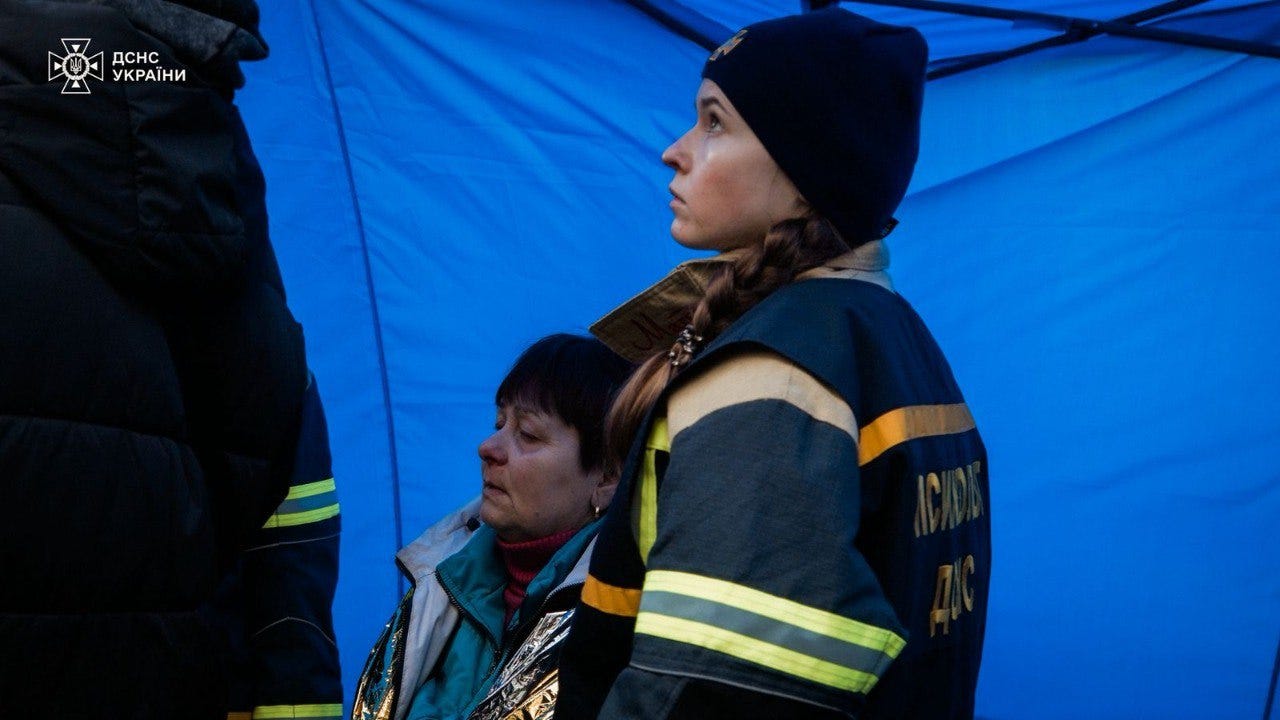
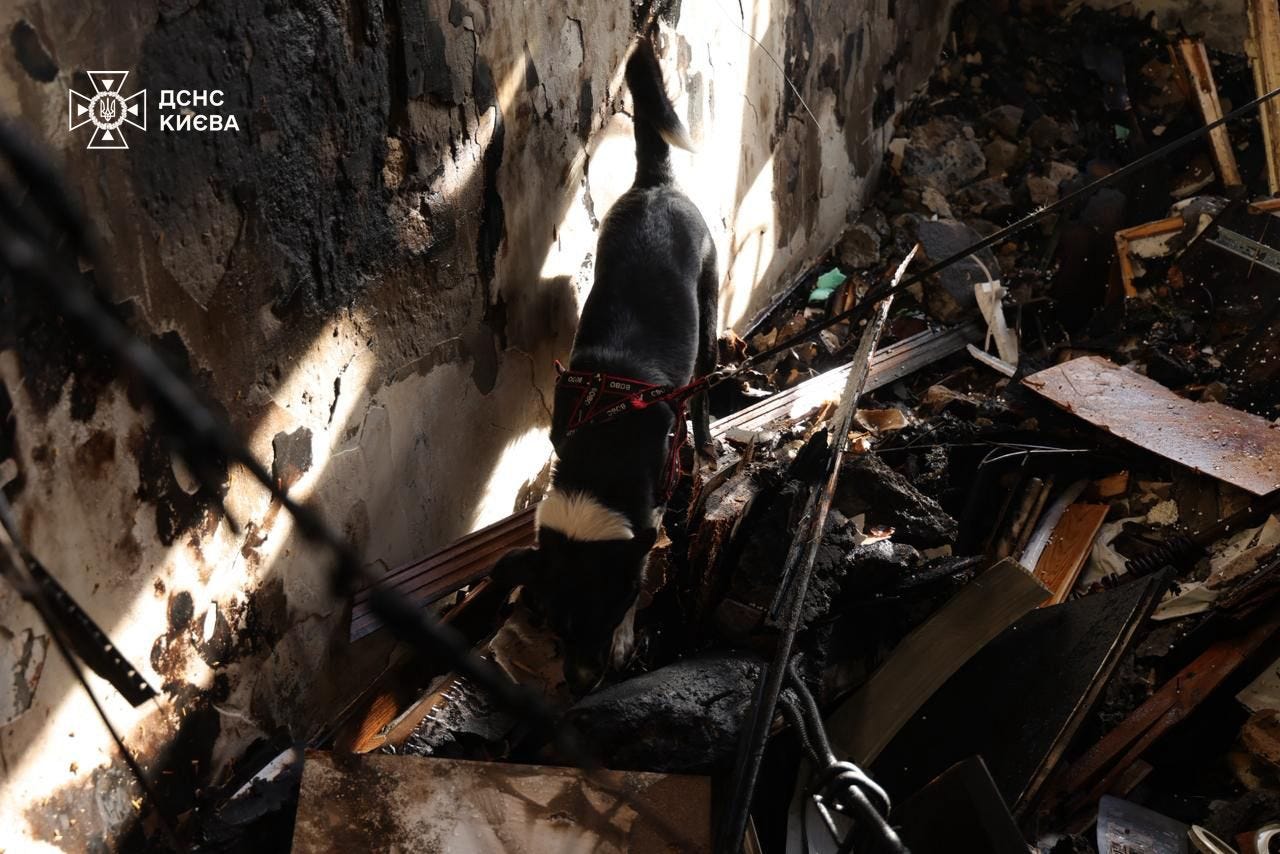
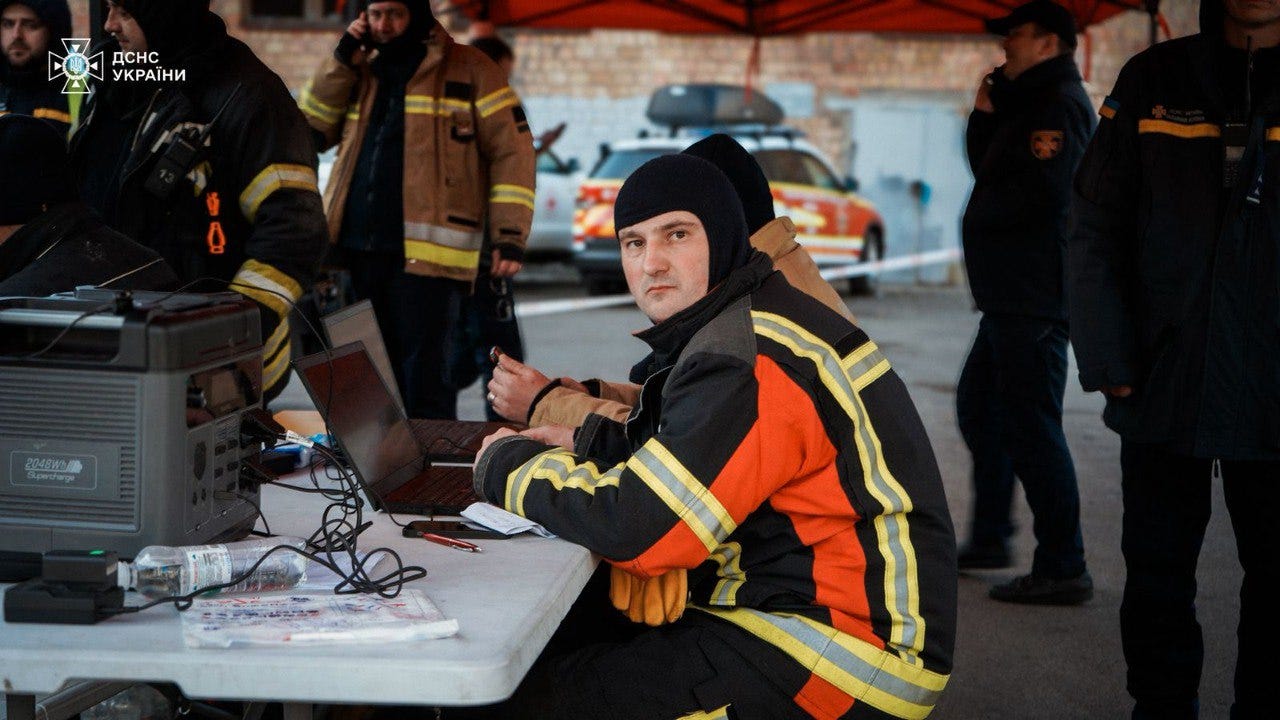
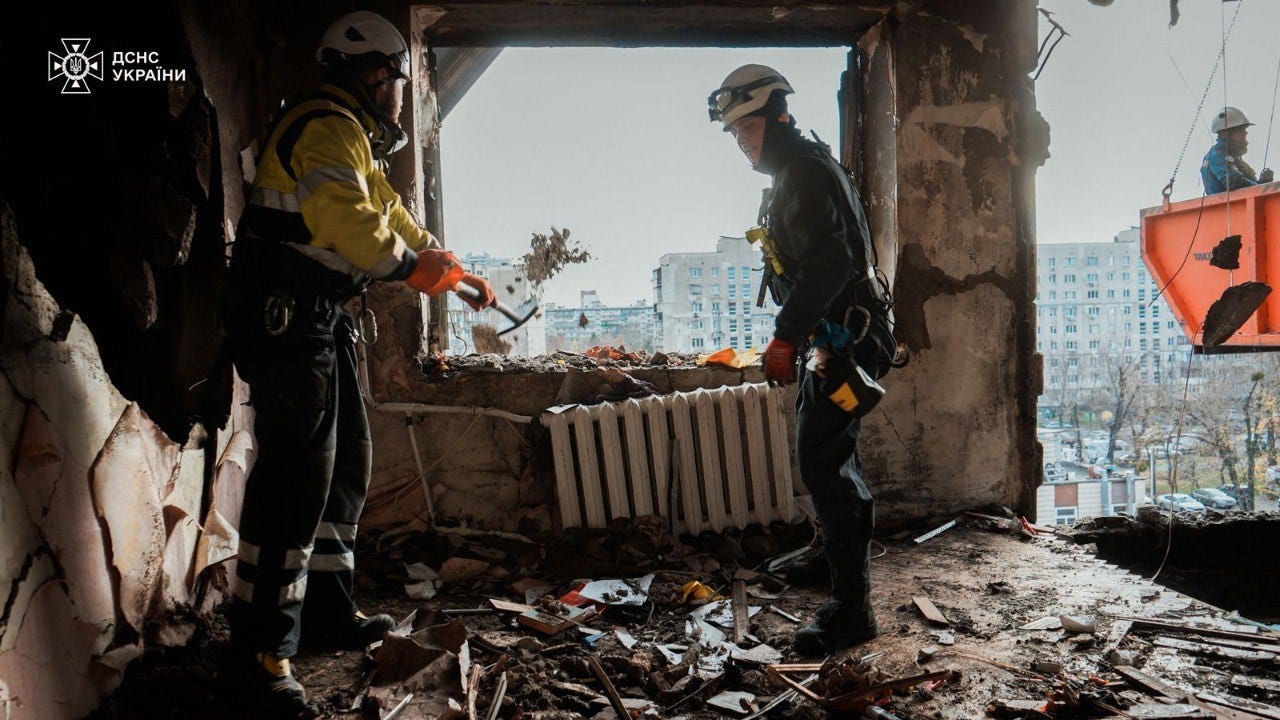
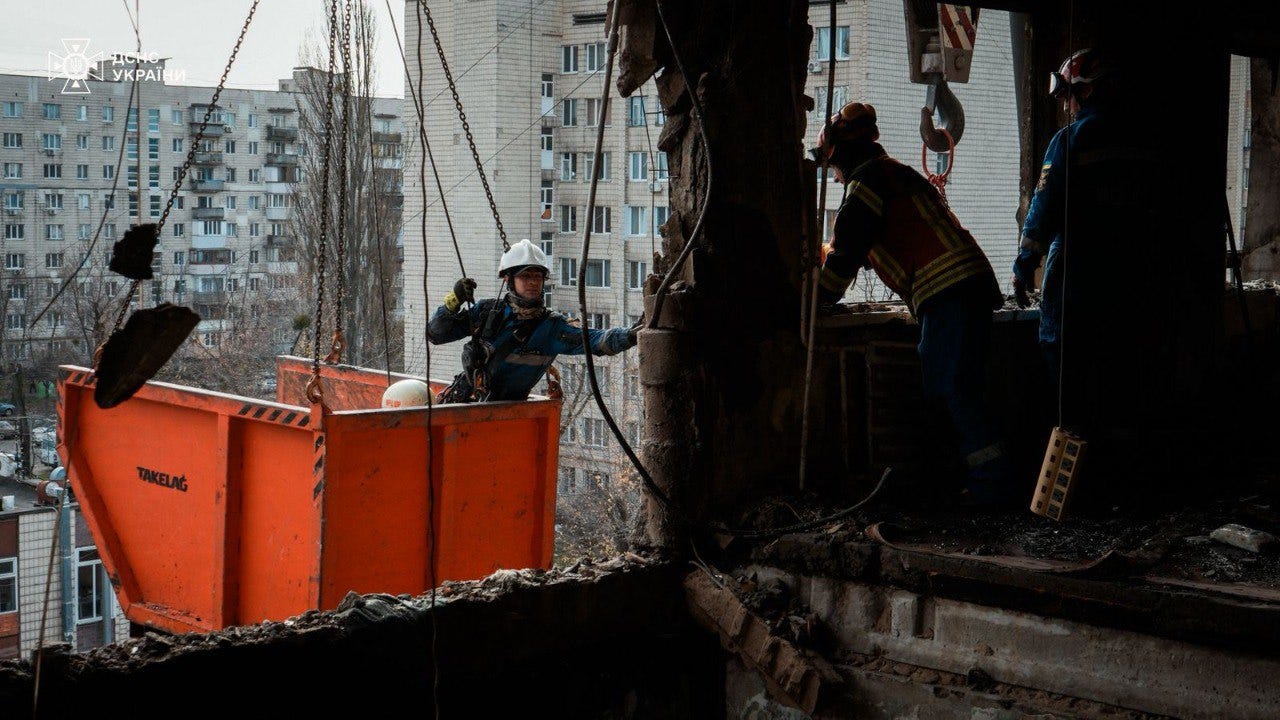
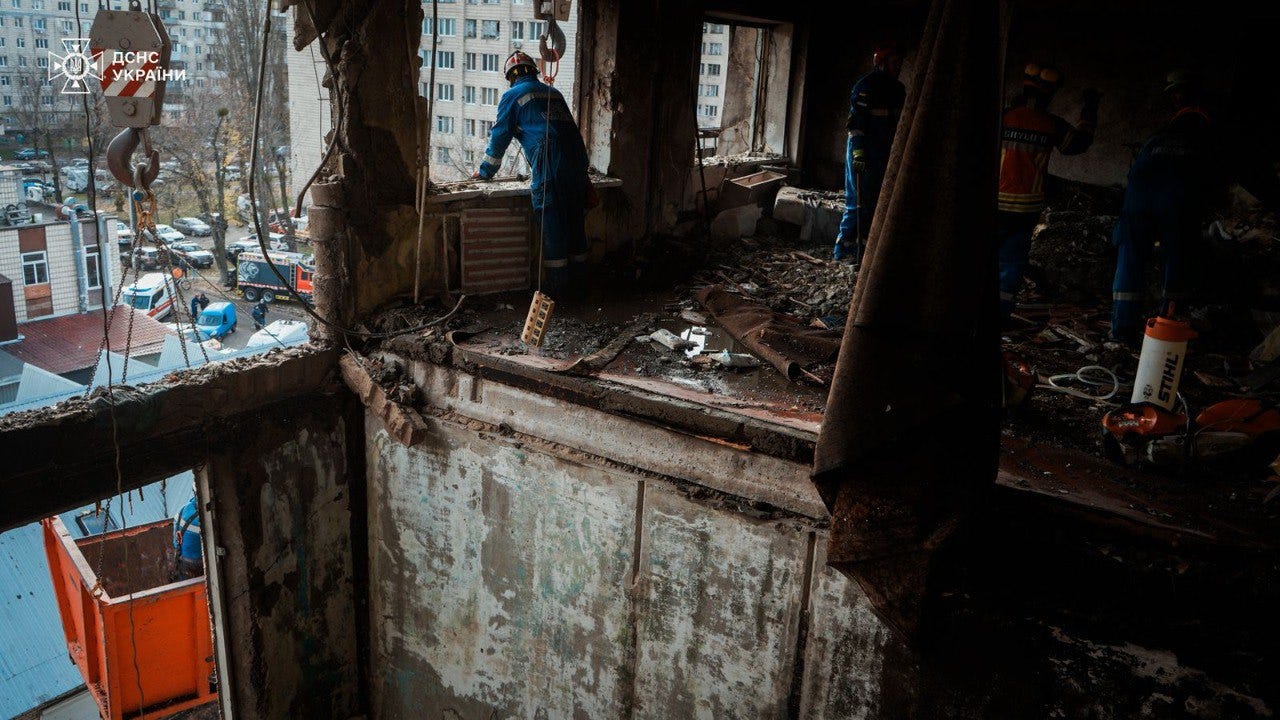
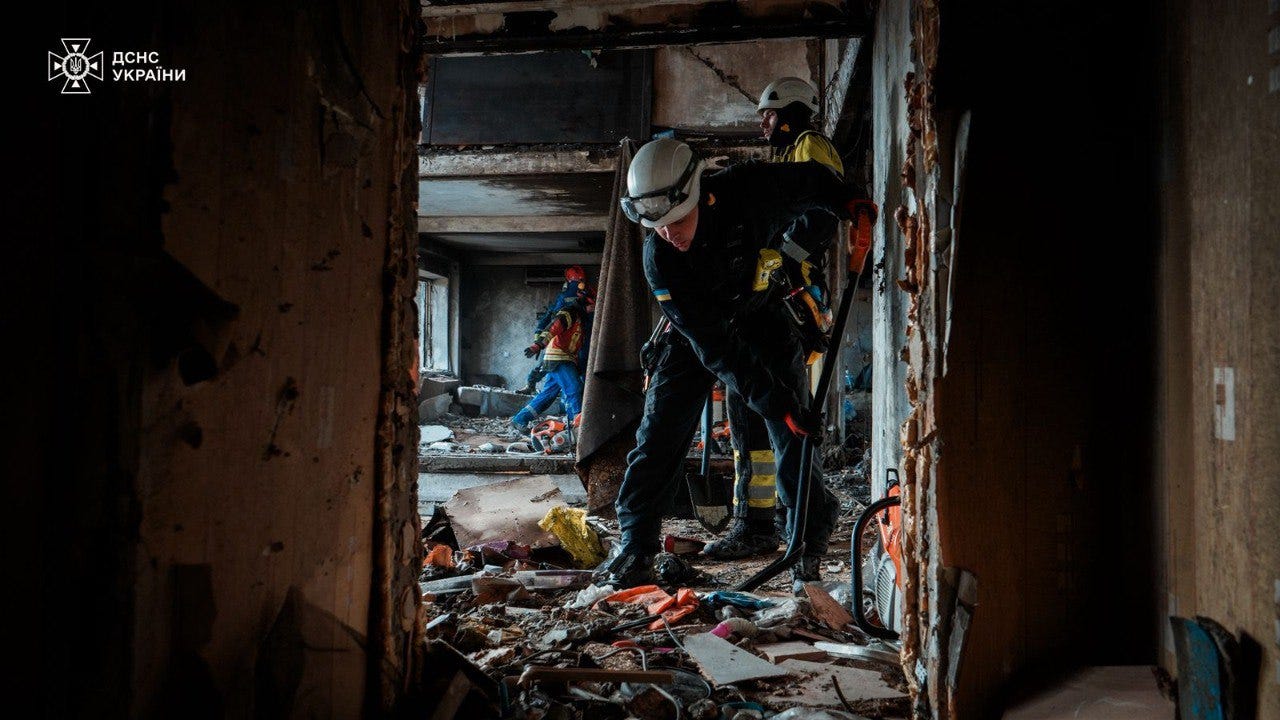
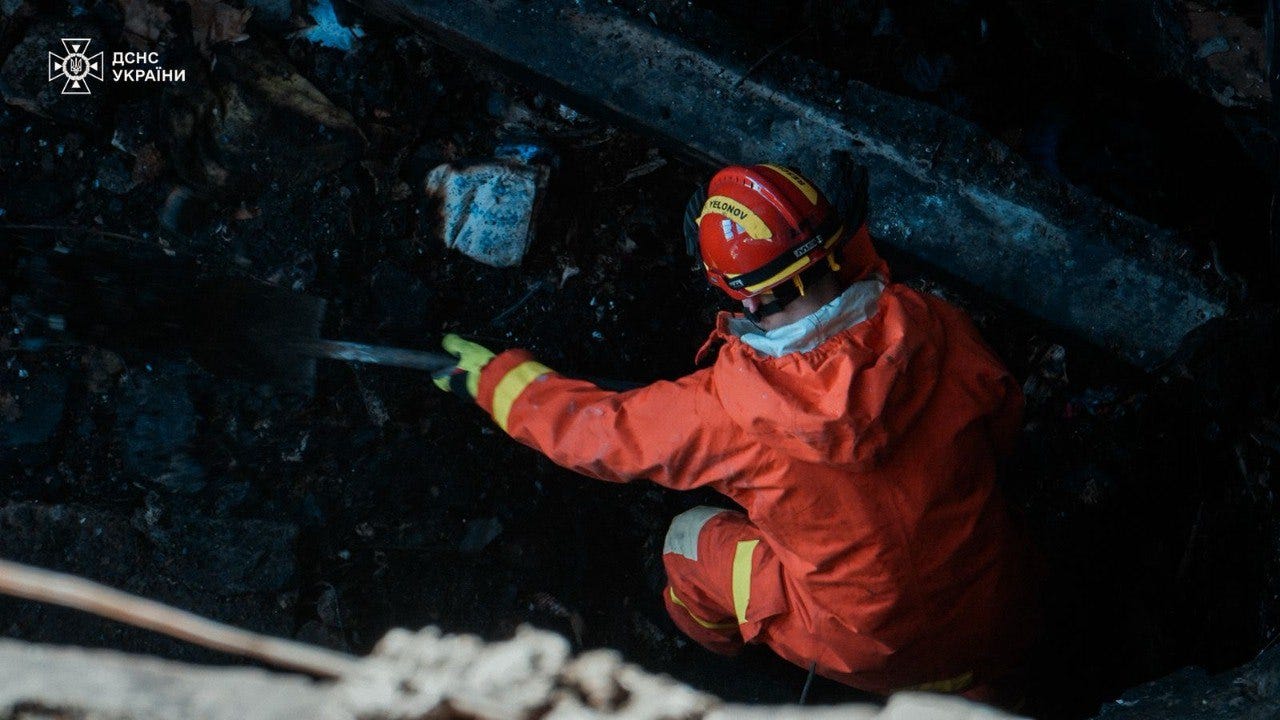
Photo Descriptions: Rescuers recovered another body from under the rubble of a nine-story building in the Desnianskyi district.This brings the death toll from Russian shelling of the capital to six. Five people were injured, and 17 people, including a child, were rescued by emergency services. Emergency rescue operations are ongoing. Psychologists from the State Emergency Service, dog handlers, and climbers from the Delta special forces are working at the site. | Credit: https://t.me/dsns_telegram/53050
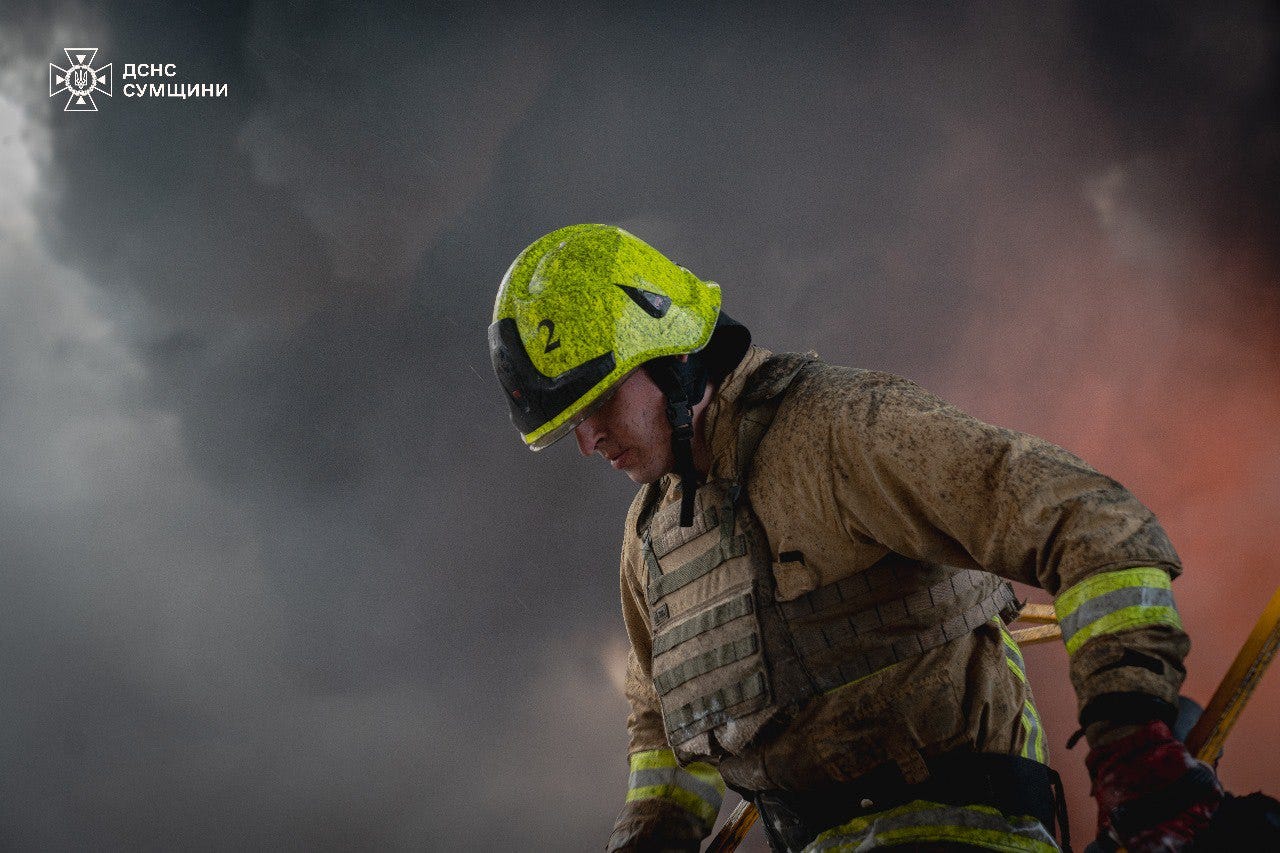
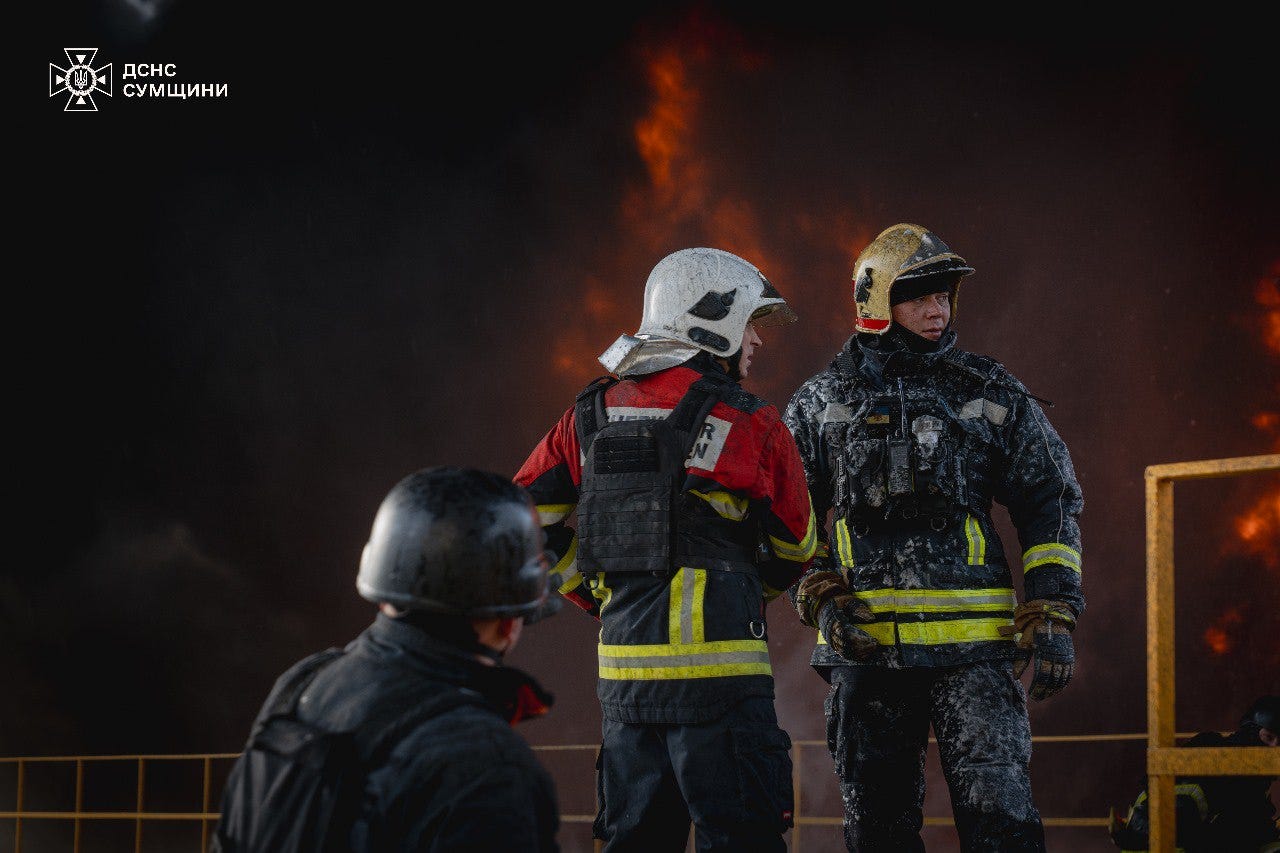
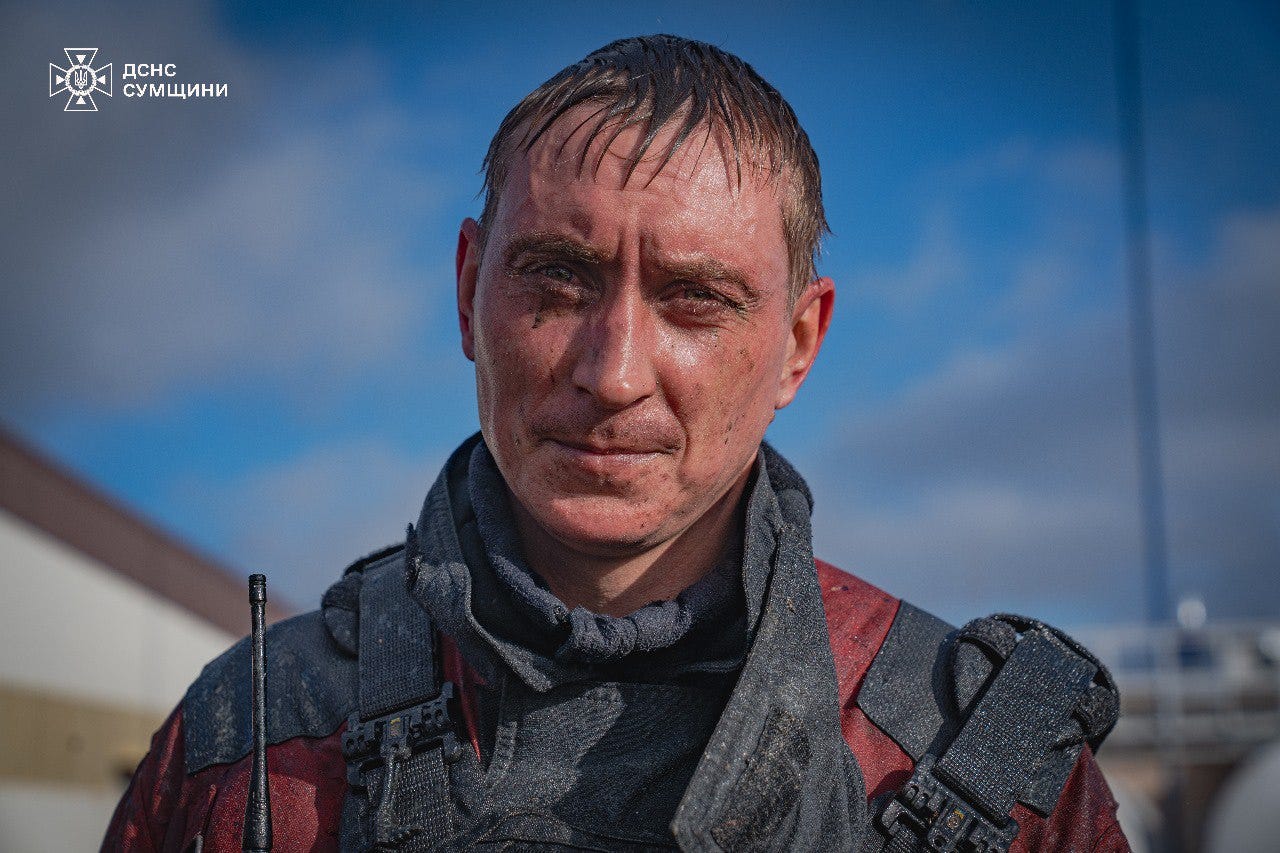
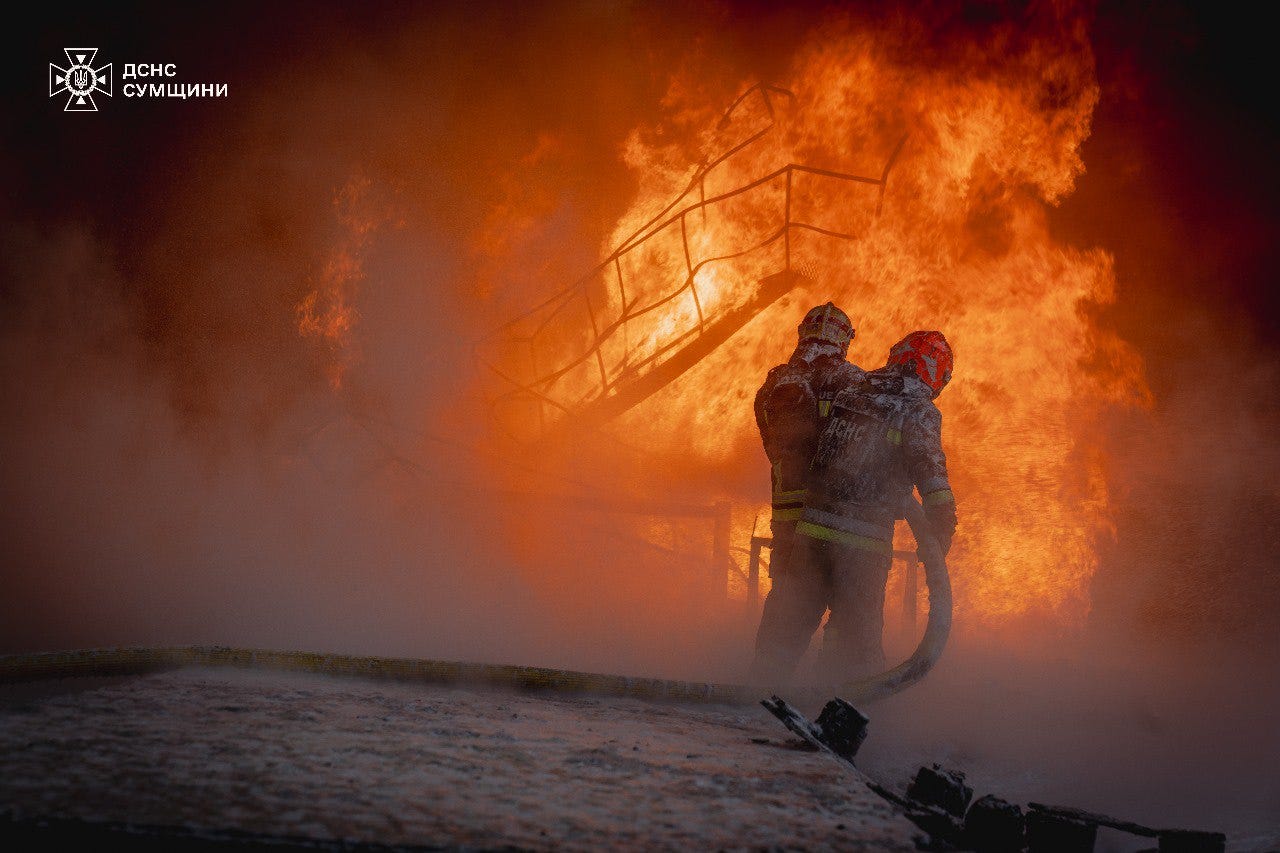
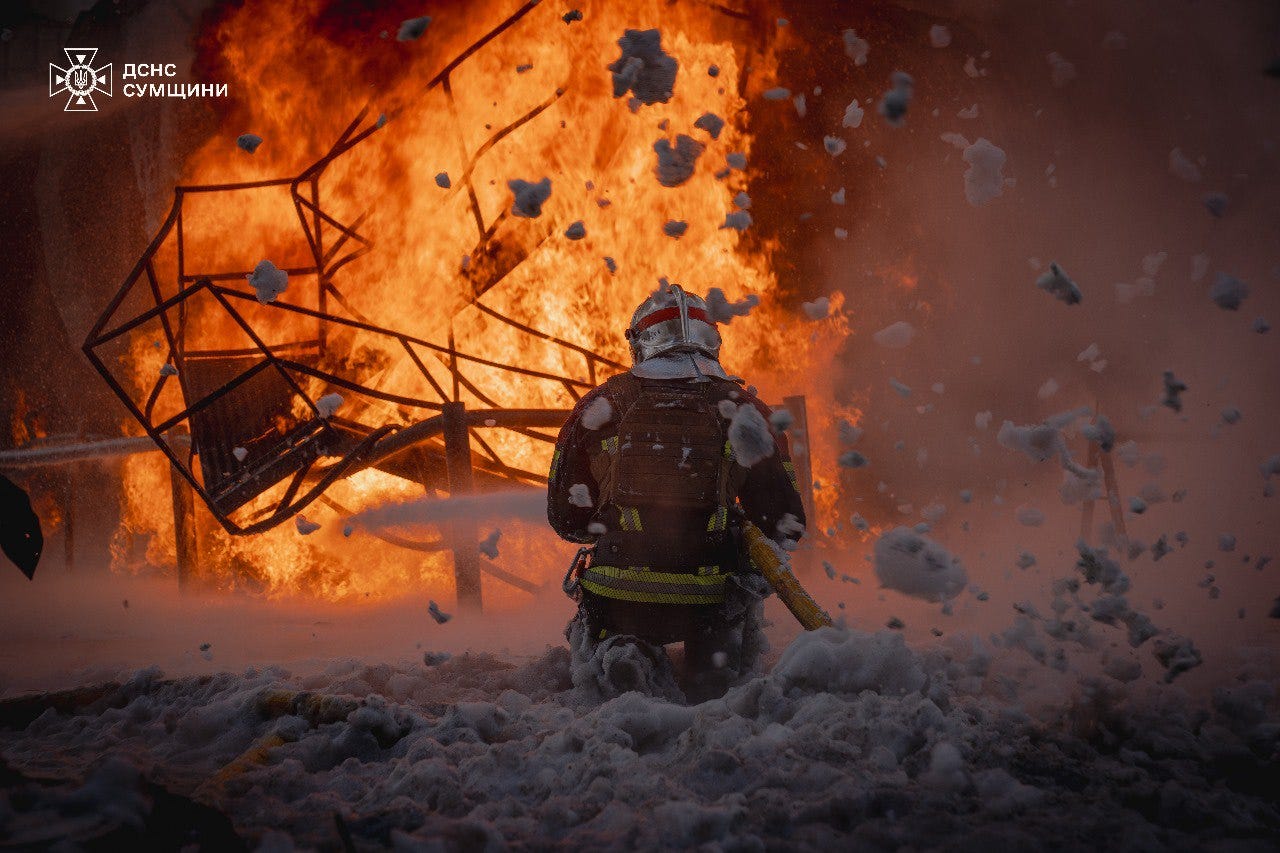
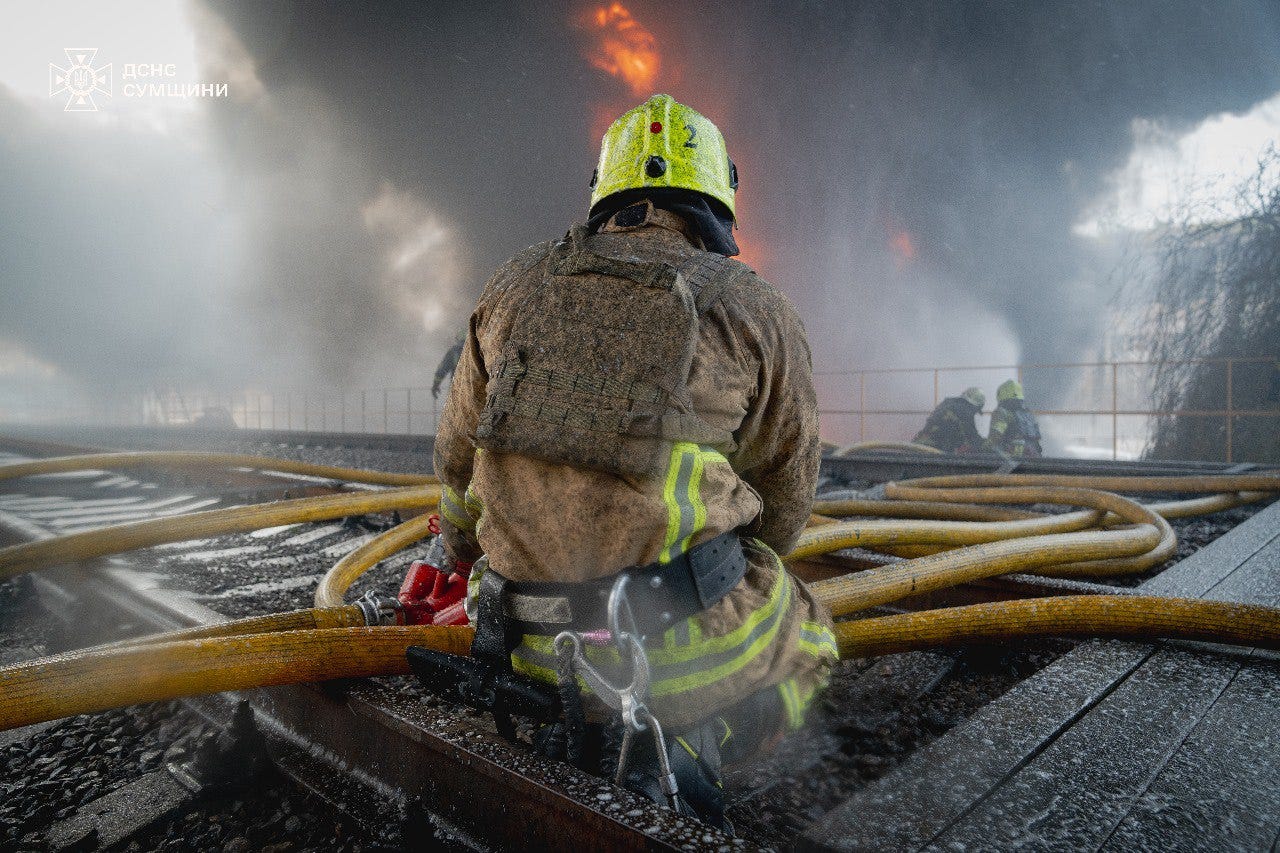
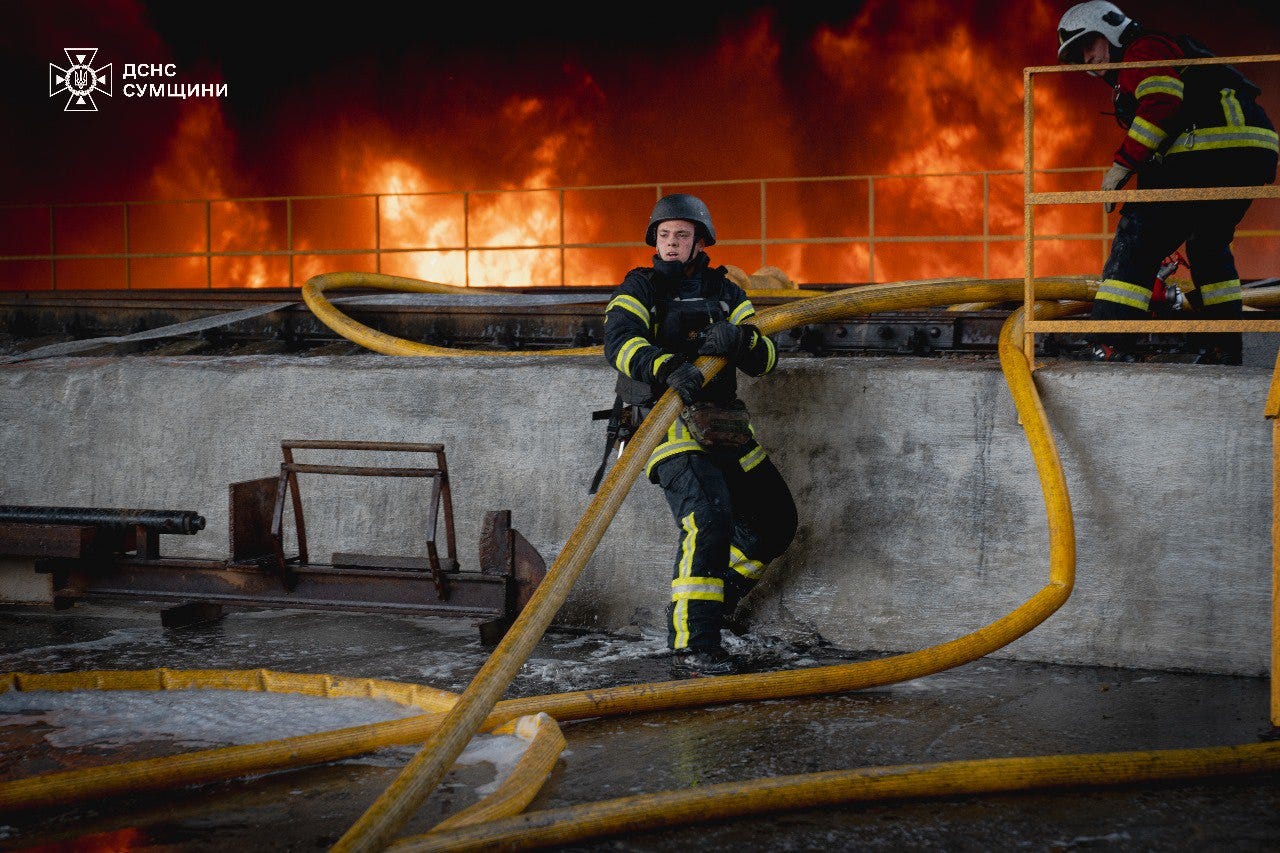
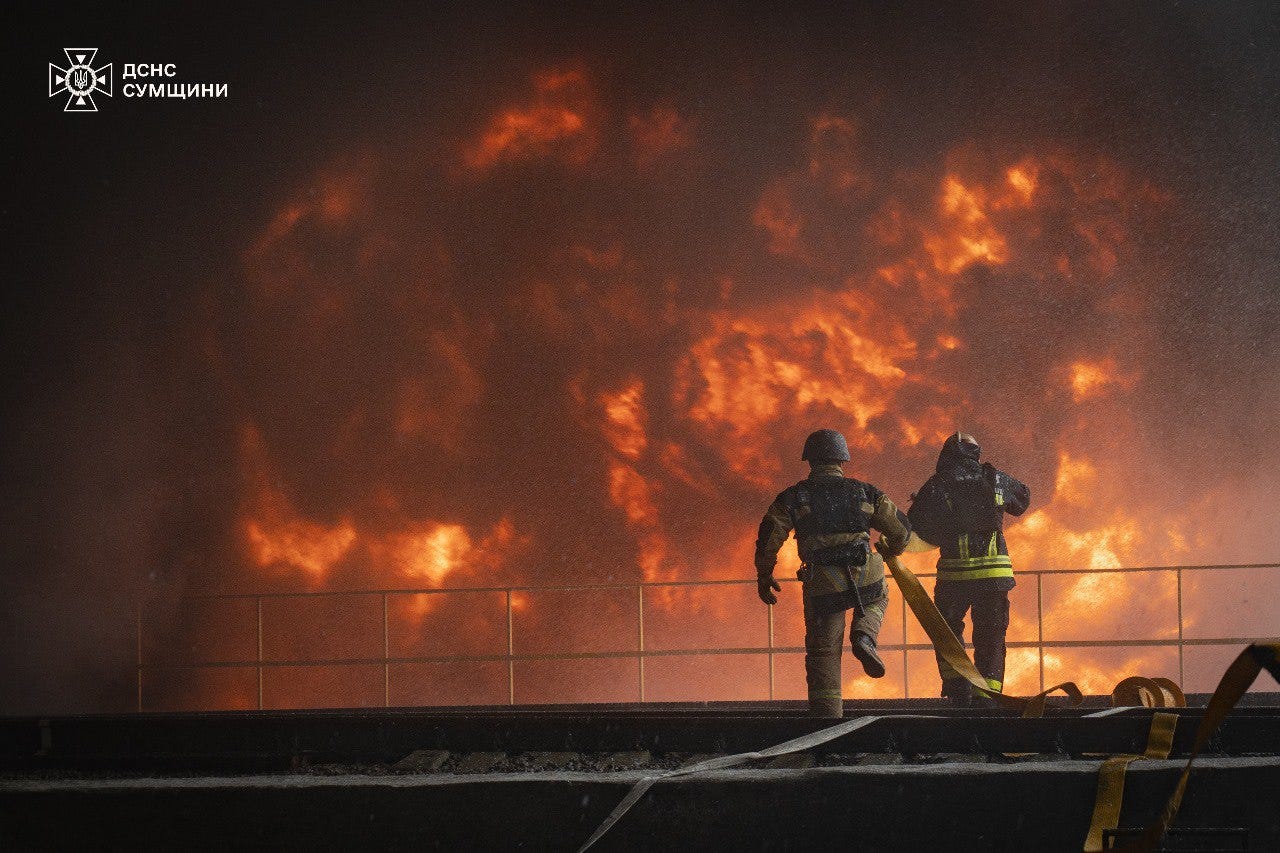
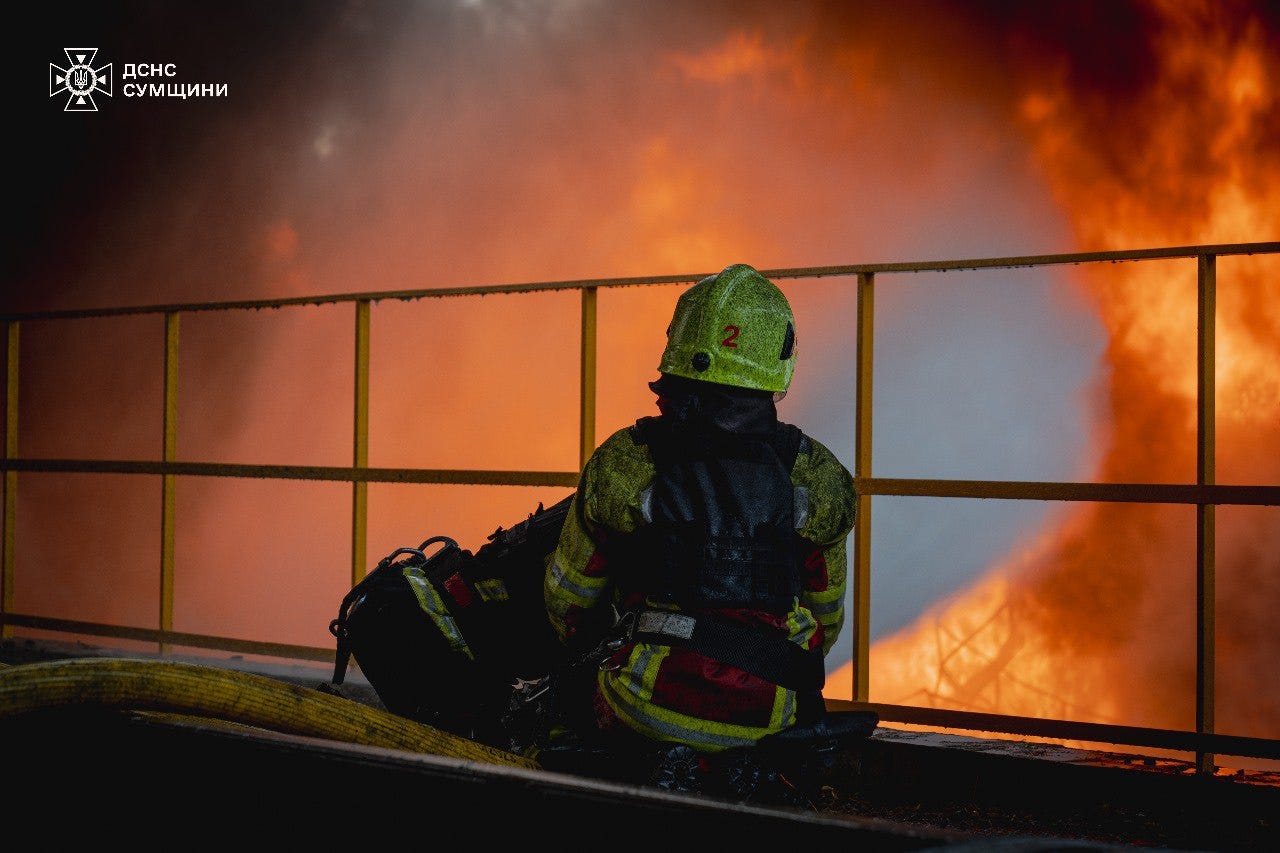
Russian troops attacked an industrial area in Sumy again: rescuers put out a massive fire. Despite the high fire load, they managed to stop the fire from spreading. All sources of ignition have been eliminated. No information about casualties has been received. | Credit: https://t.me/dsns_telegram/53059
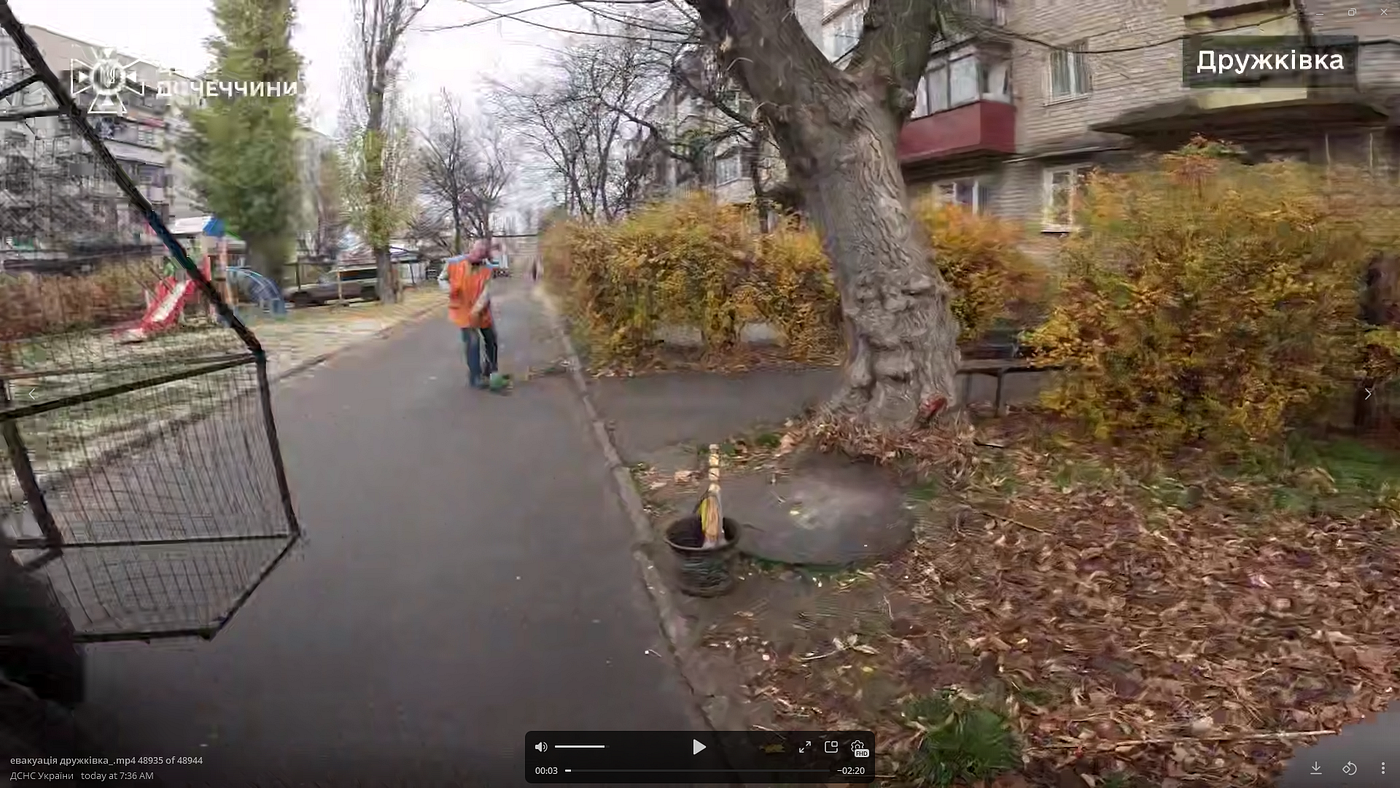
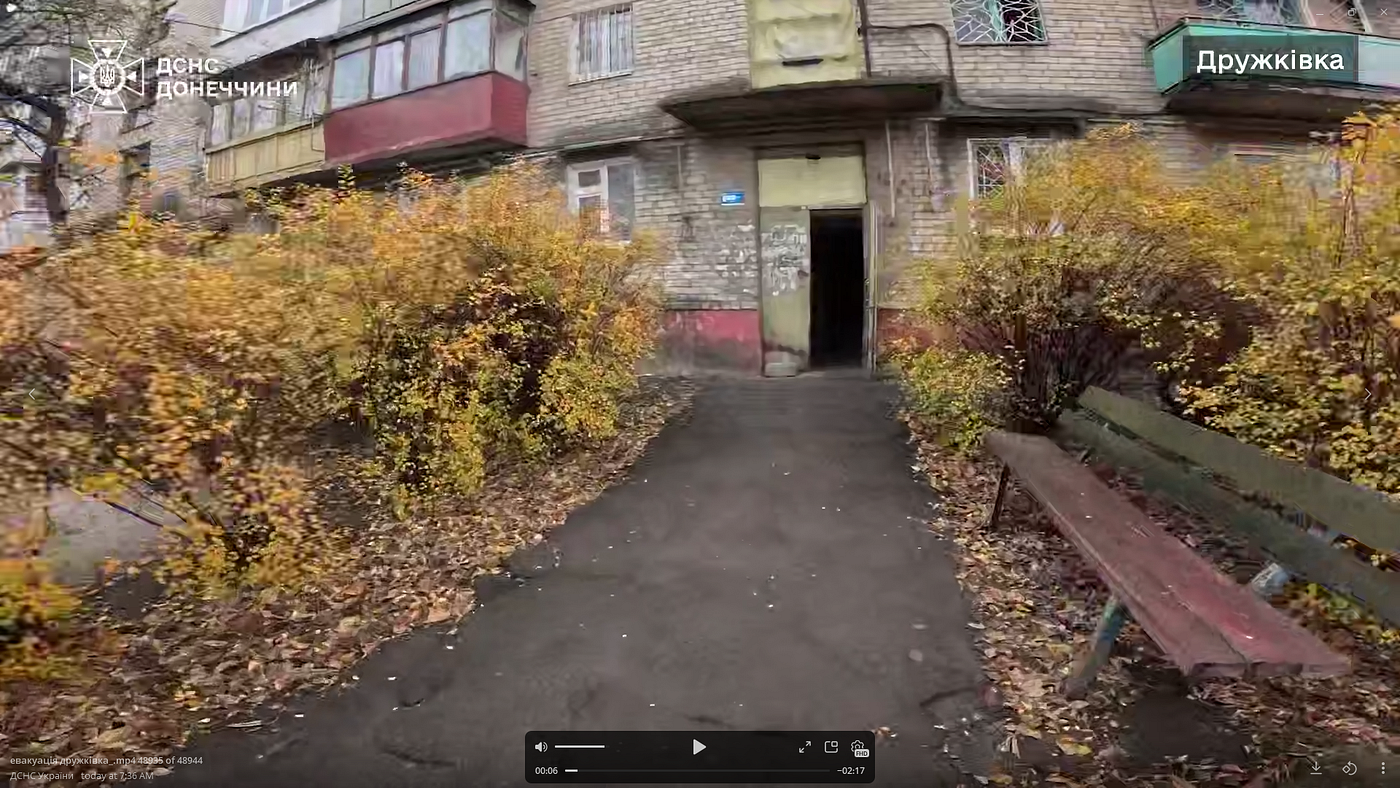
Video description: Rescuers from the Phoenix evacuation group evacuated seven people, including two children and one person with limited mobility. The frontline city is increasingly coming under Russian shelling. Explosions, destruction, and constant anxiety have become everyday occurrences for local residents. The front line is getting closer every day, and people understand that it is time to leave while they still can. Rescuers embark on dangerous missions every day to give people a chance at salvation. Do not delay — leave while you still can! | Video Credit/Source: https://t.me/dsns_telegram/53068
This collection of photos shows Phoenix Evacuation Group Rescuers helping move civilians to safe area. The photos go Left to Right as you follow them.
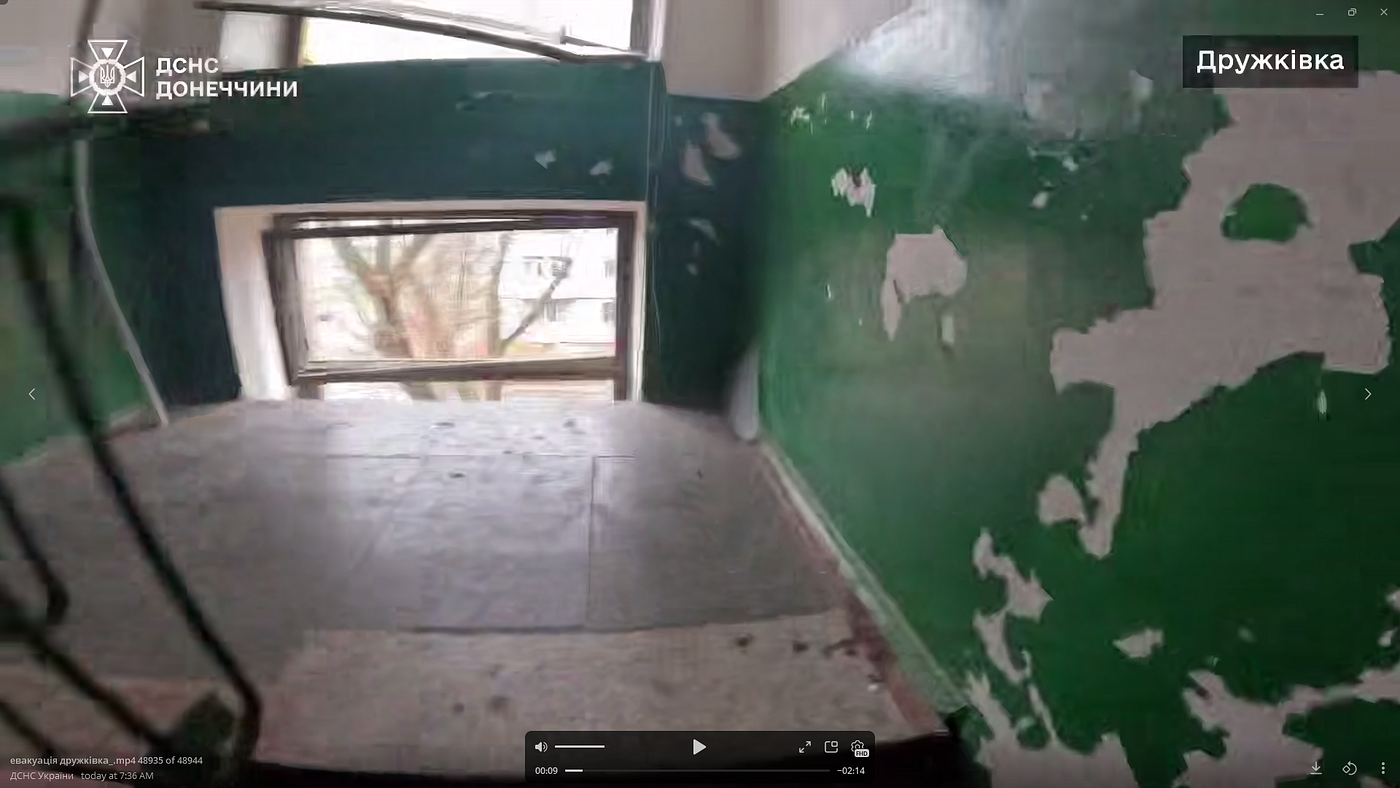
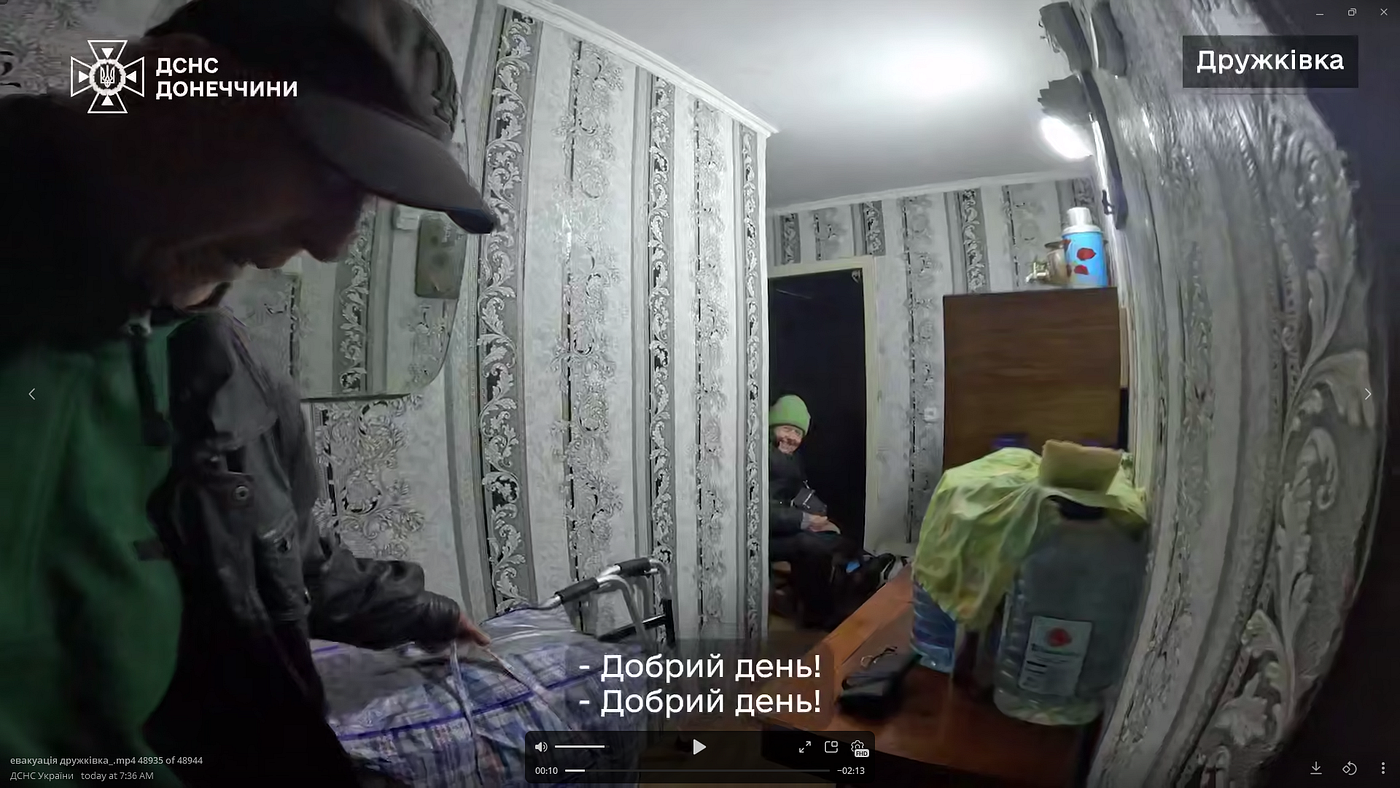
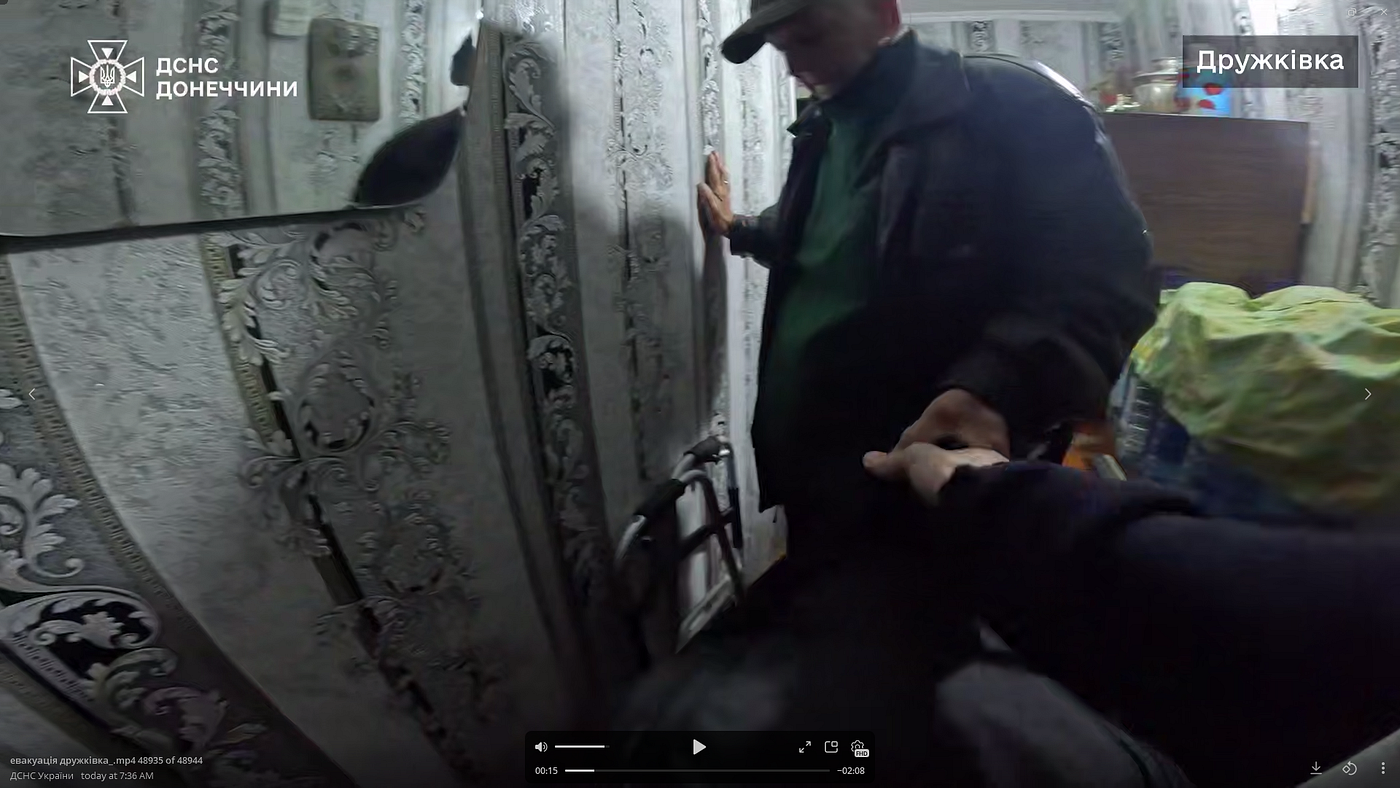
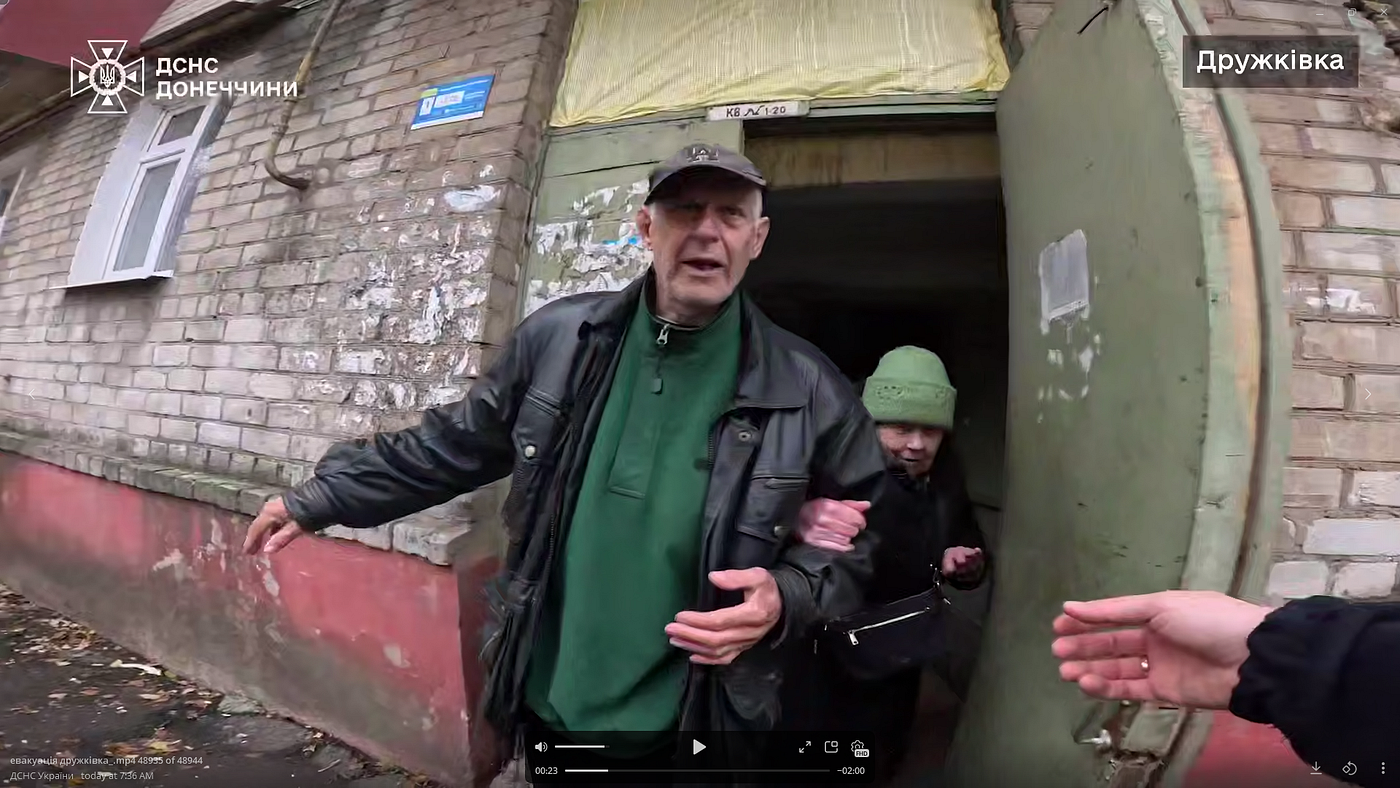
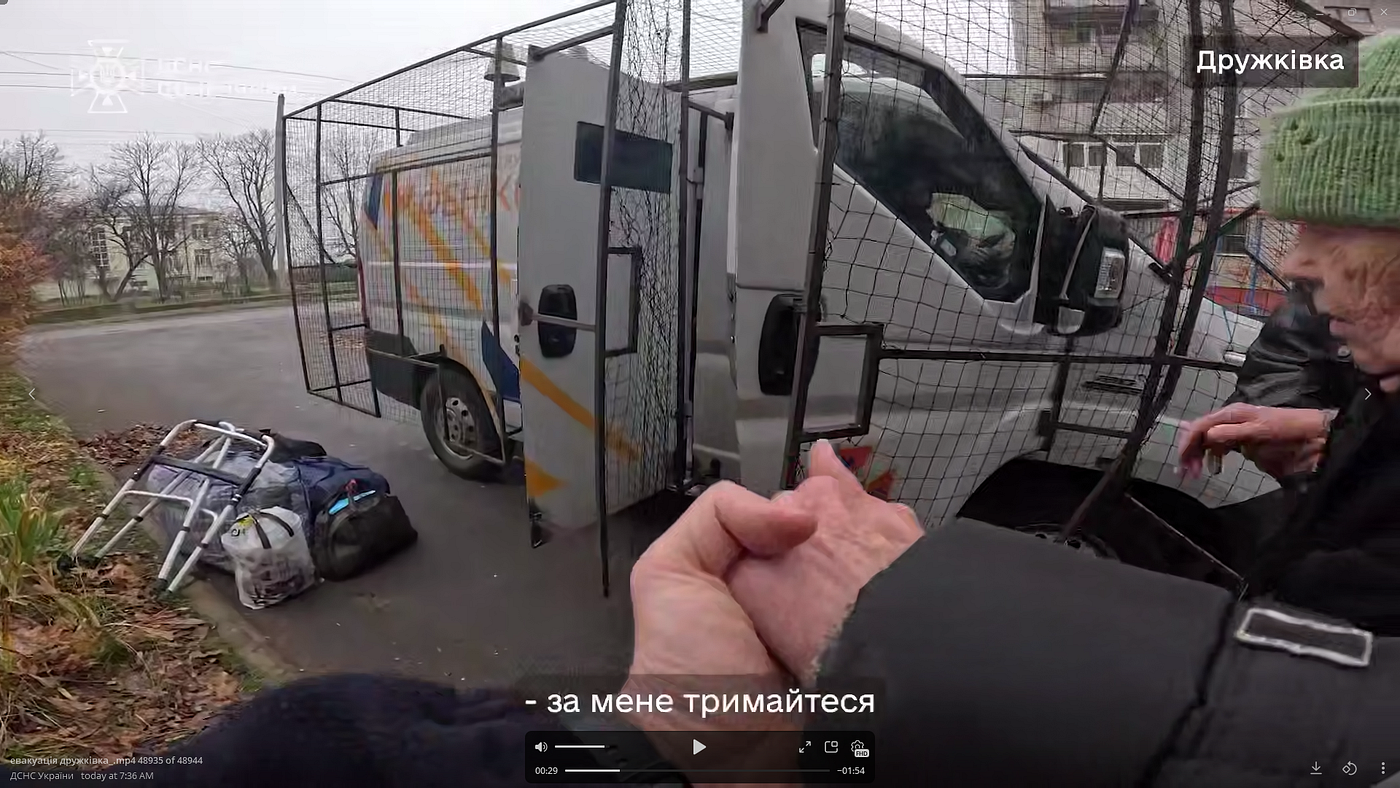
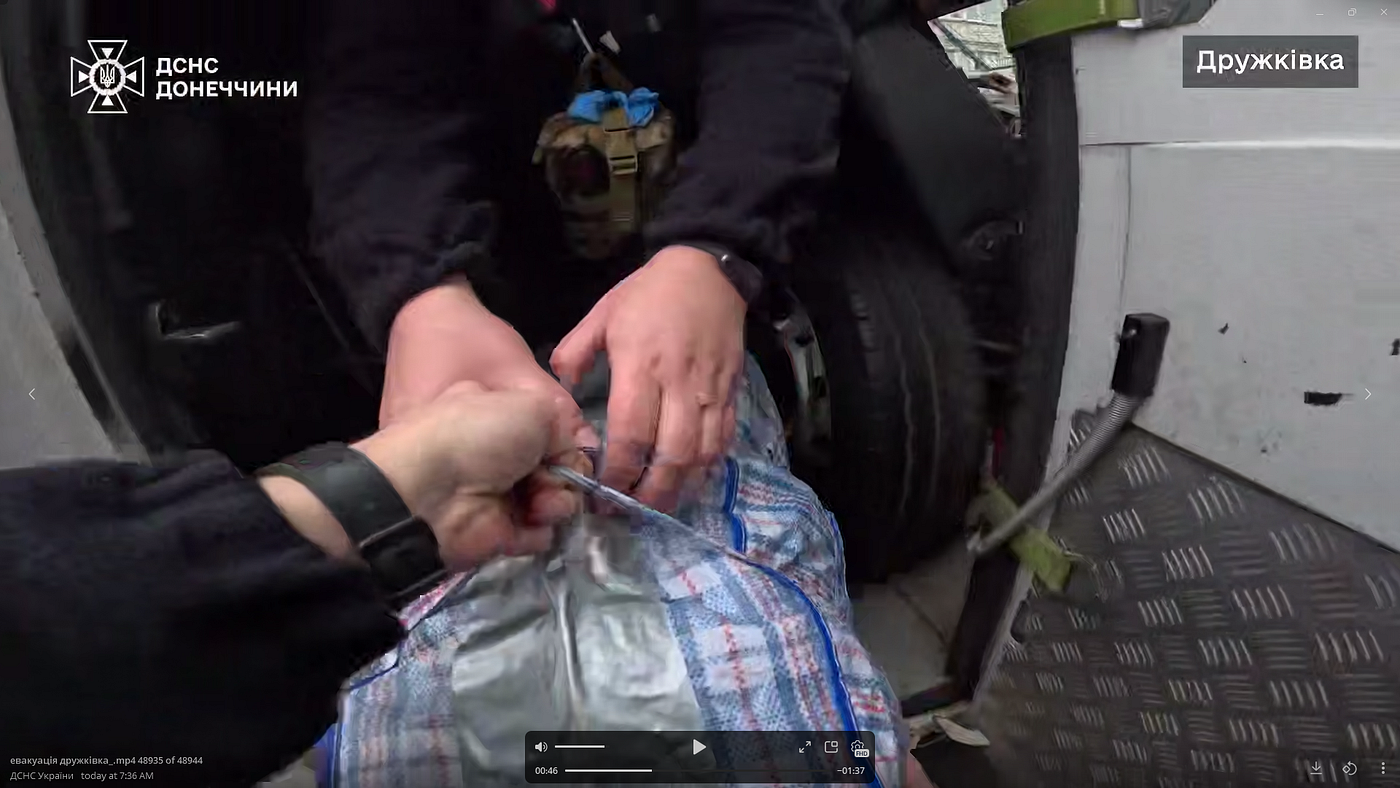
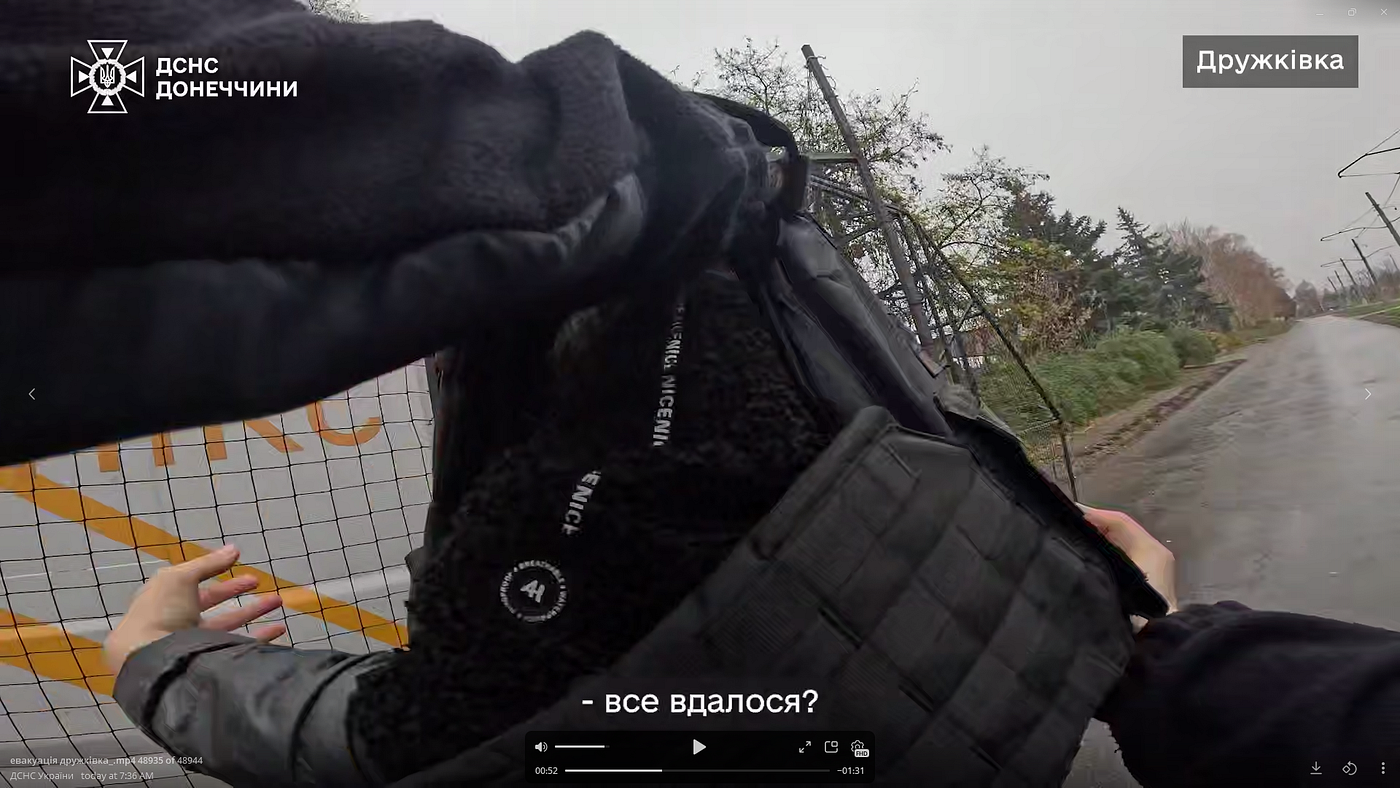
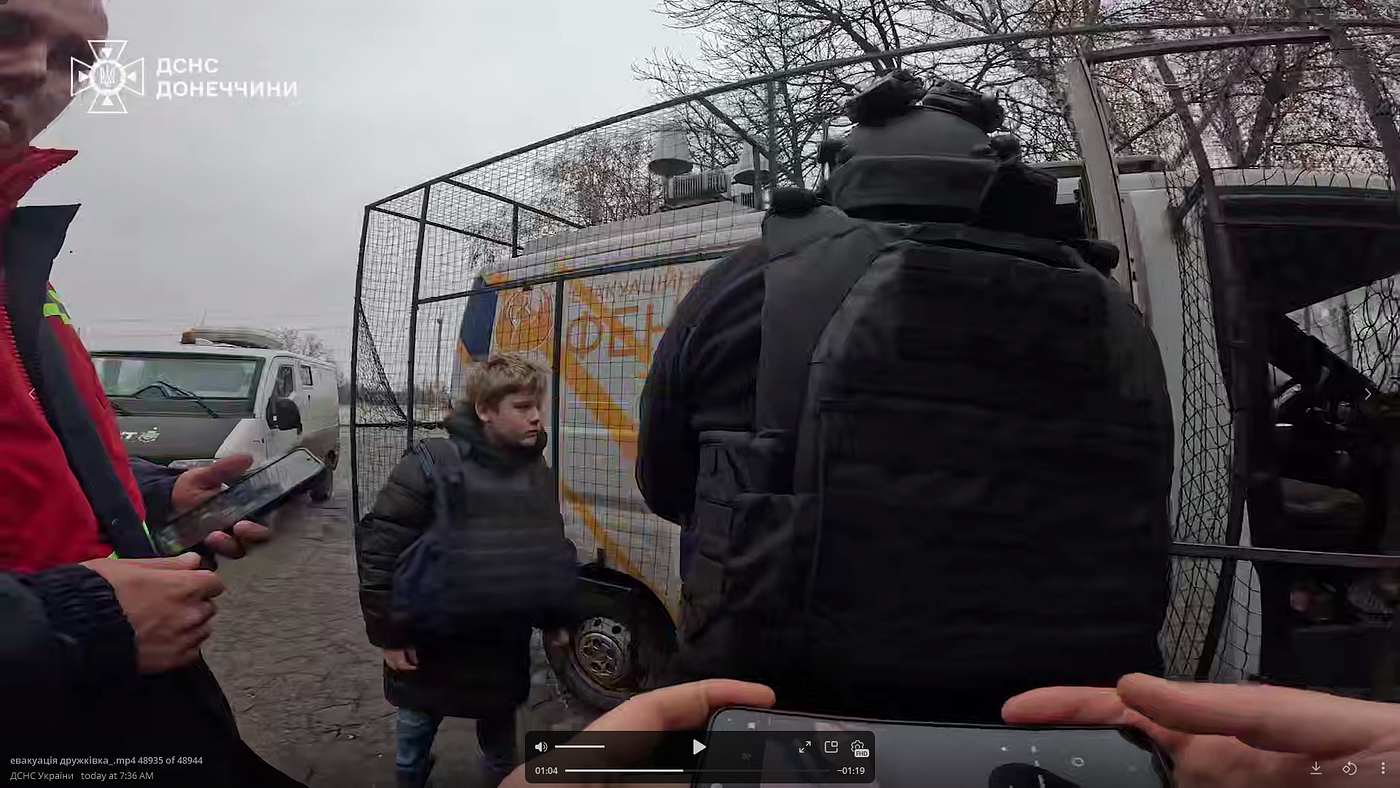
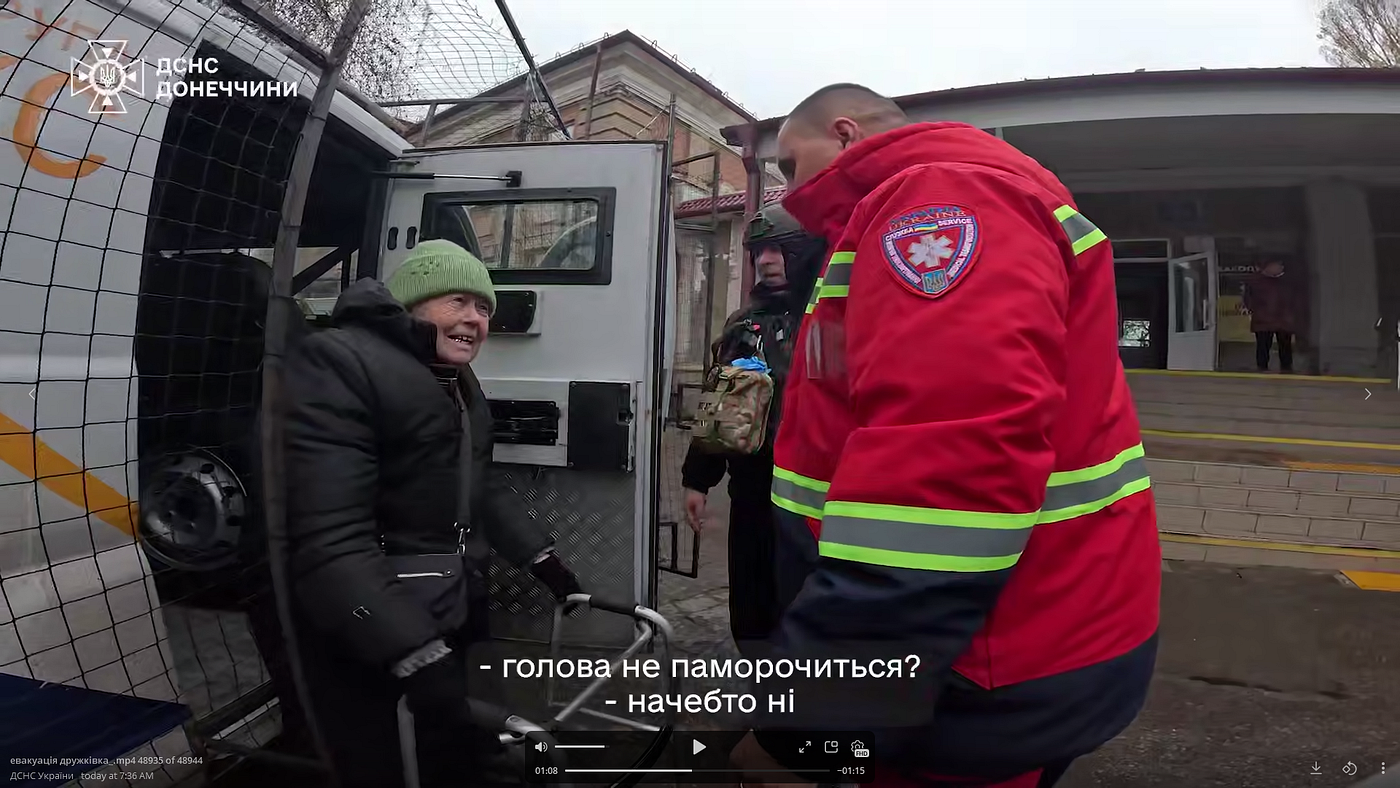
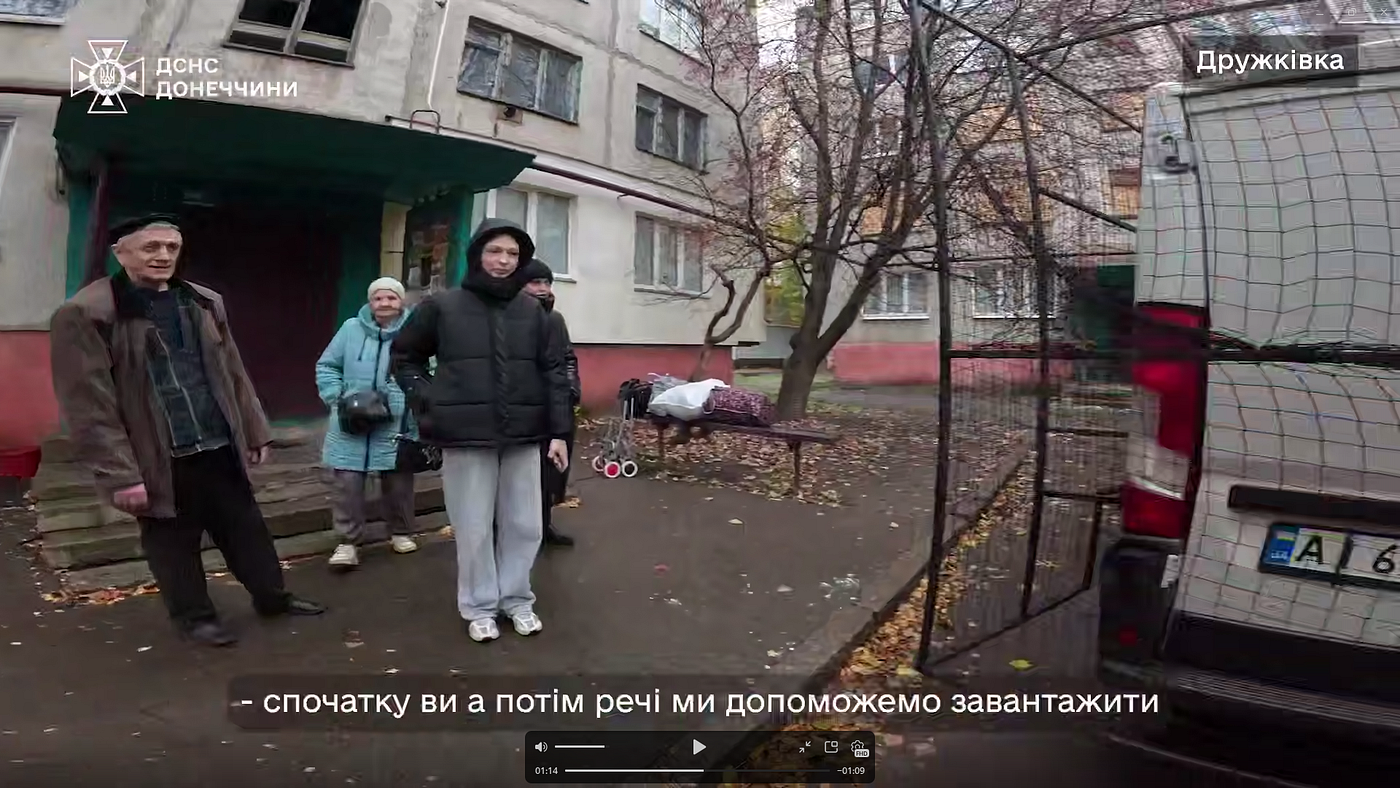
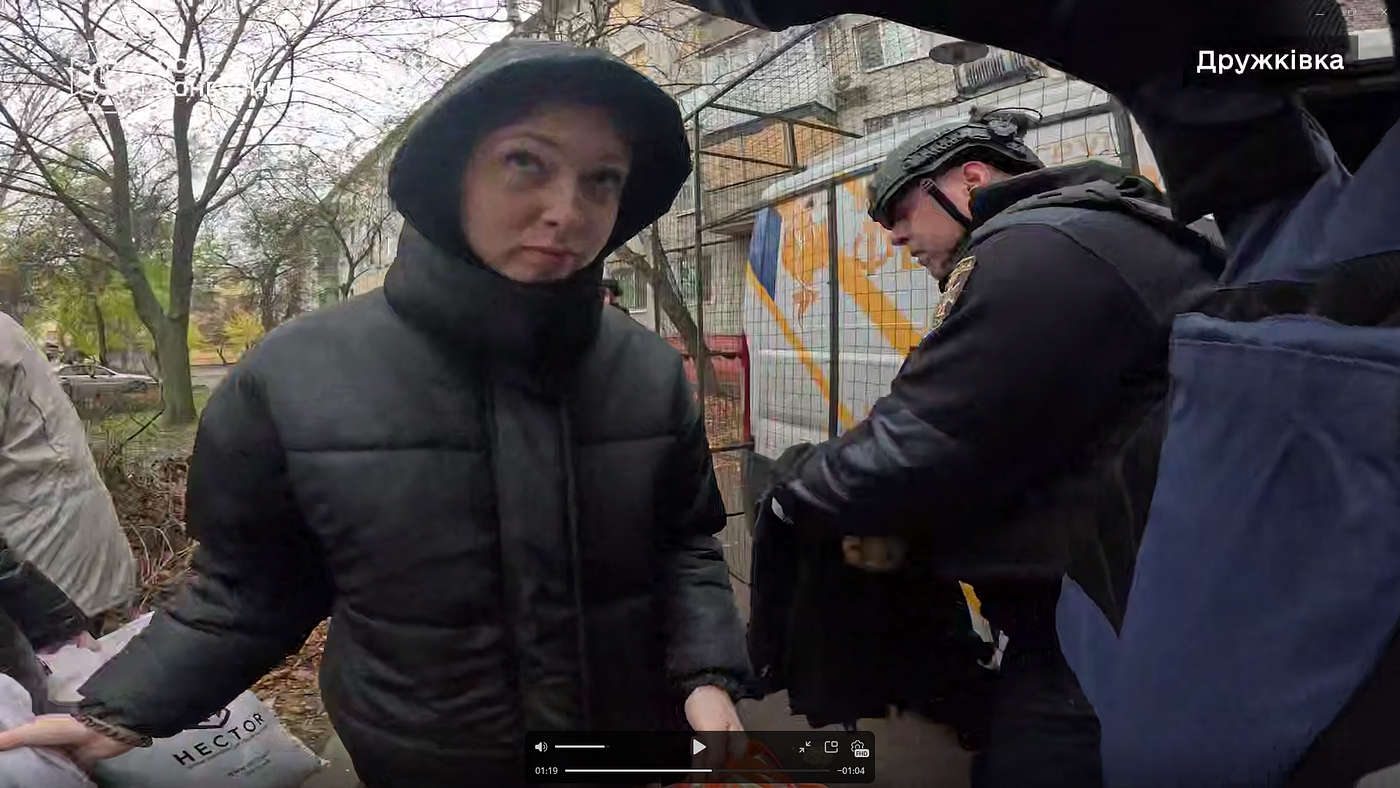
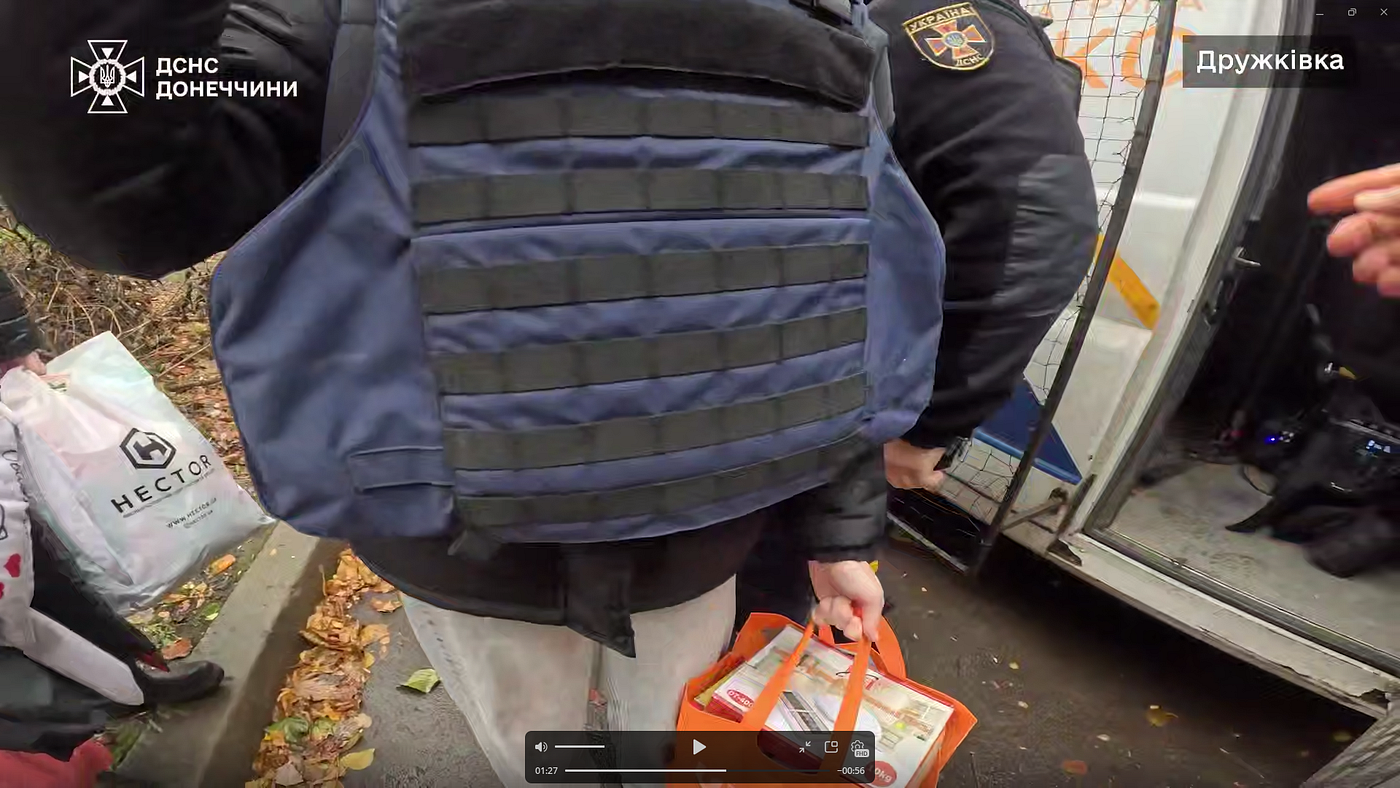
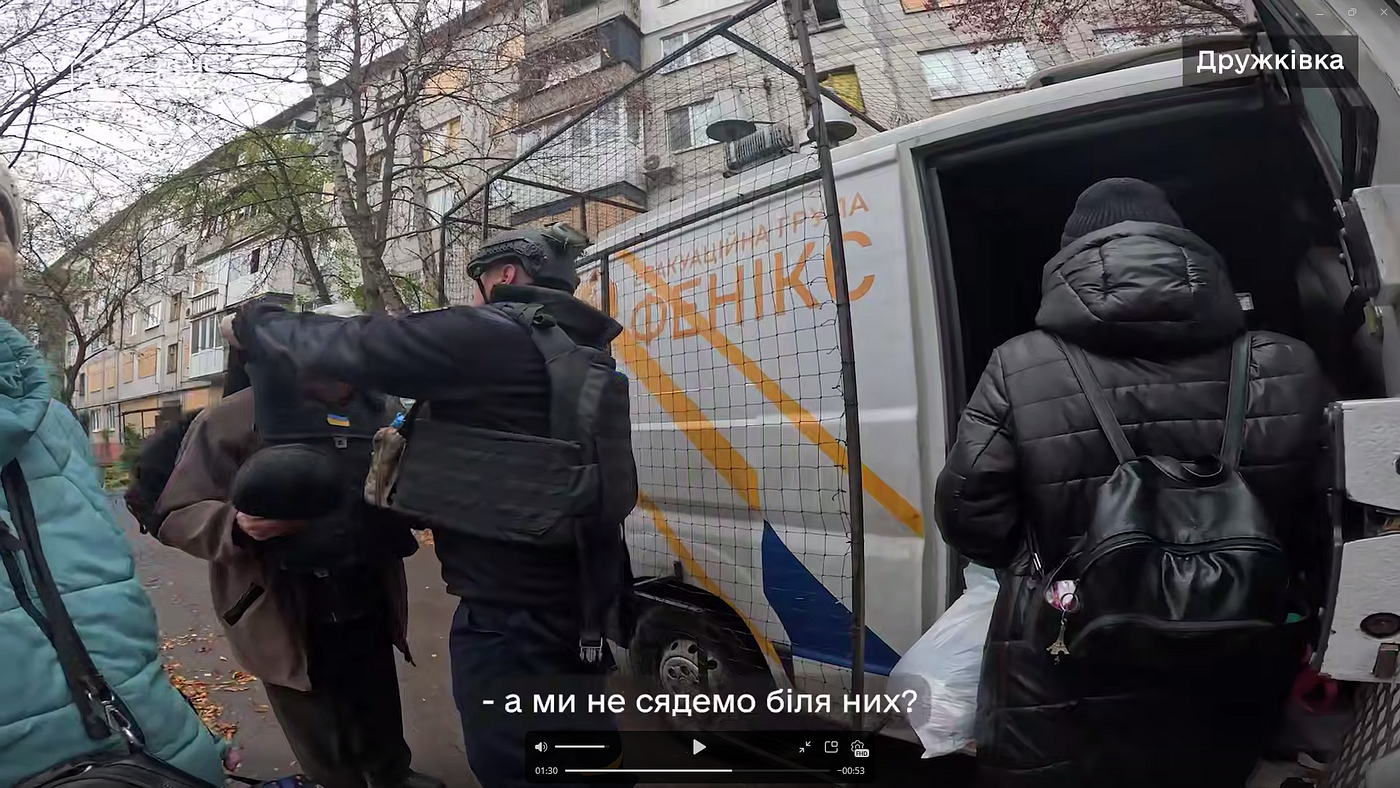
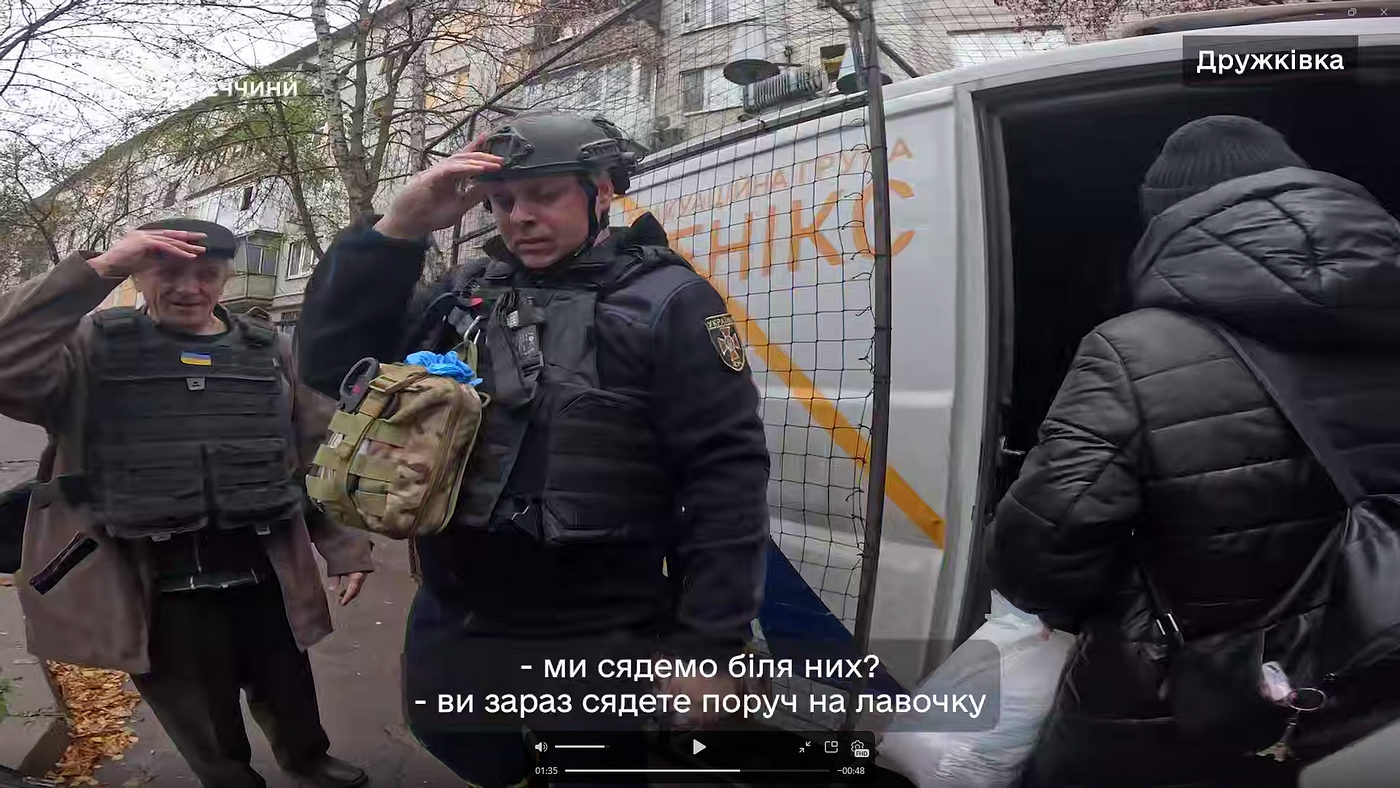
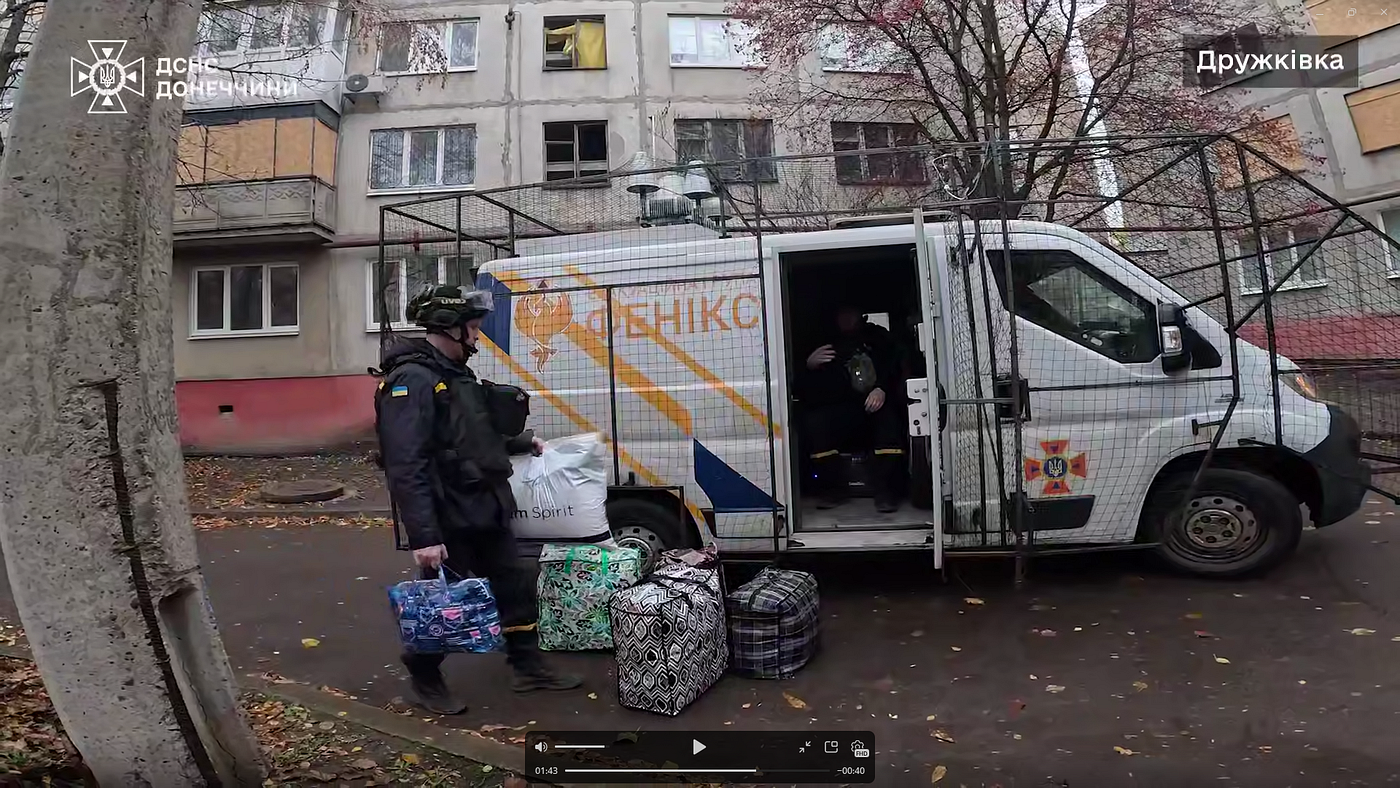
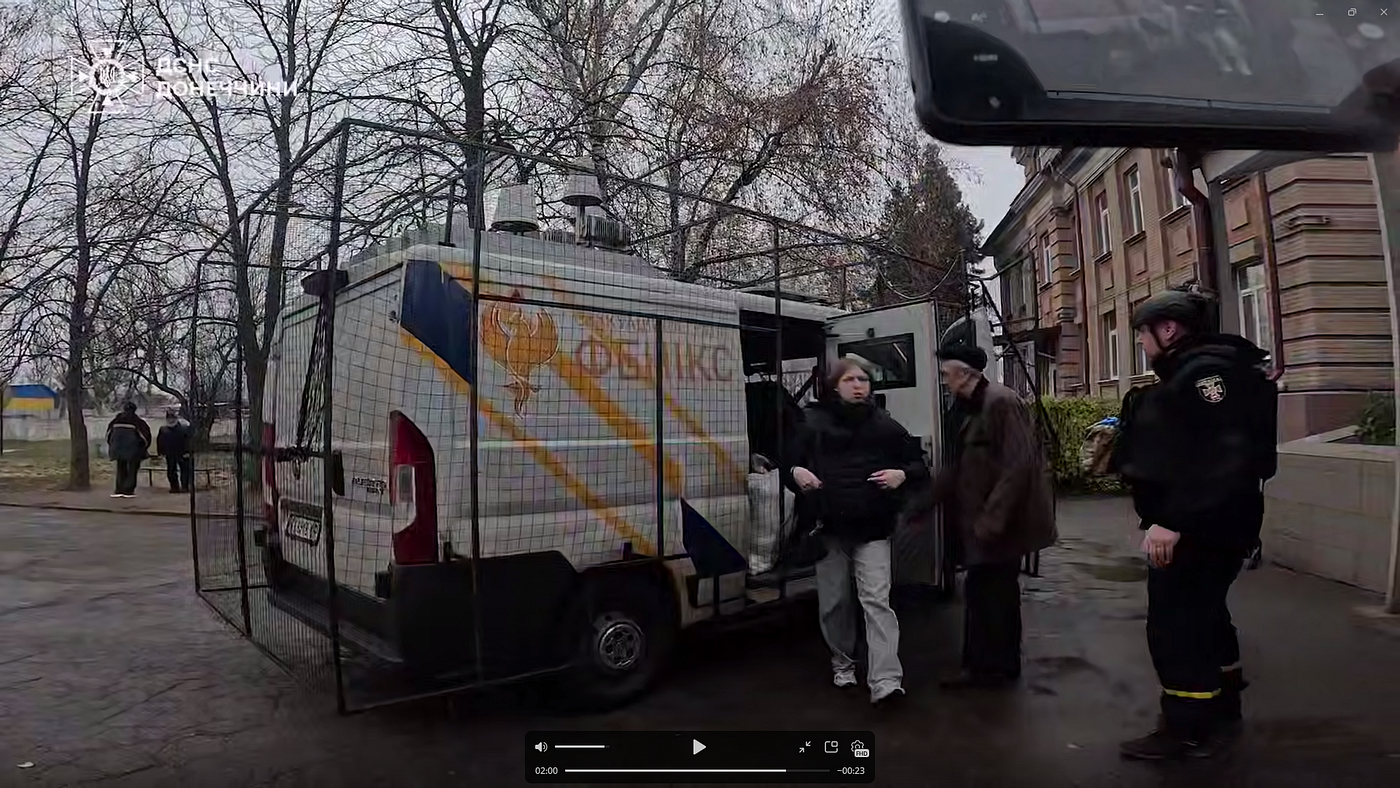
Video description: Rescuers from the Phoenix evacuation group evacuated seven people, including two children and one person with limited mobility. The frontline city is increasingly coming under Russian shelling. Explosions, destruction, and constant anxiety have become everyday occurrences for local residents. The front line is getting closer every day, and people understand that it is time to leave while they still can. Rescuers embark on dangerous missions every day to give people a chance at salvation. Do not delay — leave while you still can! | Video Credit/Source: https://t.me/dsns_telegram/53068
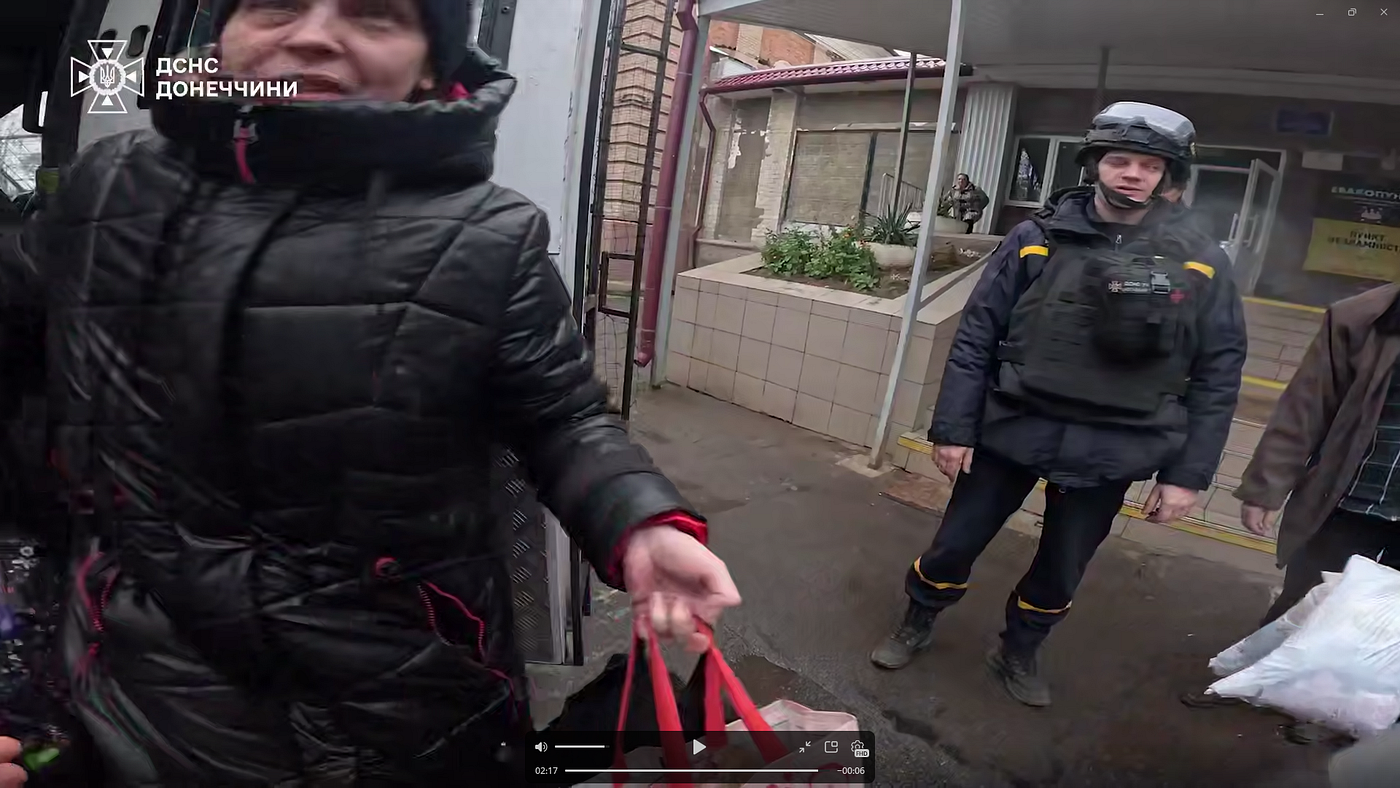
Video description: Rescuers from the Phoenix evacuation group evacuated seven people, including two children and one person with limited mobility. The frontline city is increasingly coming under Russian shelling. Explosions, destruction, and constant anxiety have become everyday occurrences for local residents. The front line is getting closer every day, and people understand that it is time to leave while they still can. Rescuers embark on dangerous missions every day to give people a chance at salvation. Do not delay — leave while you still can! | Video Credit/Source: https://t.me/dsns_telegram/53068
The video ends with all civilians and workers making it safely to a safe area/center at a undisclosed location.
메타데이터
- post_id
- 9ce41c6b8a56
- slug
- russia-is-losing-the-plot-five-clues-from-one-brutal-day-in-the-war-9ce41c6b8a56
- url
- https://medium.com/@jayduggy87/russia-is-losing-the-plot-five-clues-from-one-brutal-day-in-the-war-9ce41c6b8a56
- canonical_url
- https://medium.com/@jayduggy87/russia-is-losing-the-plot-five-clues-from-one-brutal-day-in-the-war-9ce41c6b8a56
- author_url
- https://medium.com/@jayduggy87
- status
- ok
- fetched_at
- 2026-07-27 17:09:37