Israel from the Six-Day War to 3 Years. The Math Is Breaking.
This war makes Israel weaker
Israel from the Six-Day War to 3 Years. The Math Is Breaking.
This war makes Israel weaker

The Cover page of a book: The The Six-Day War Six-Day War: The Breaking of the Middle East by Guy Laron
In 1967, Israel fought a war on three fronts — Egypt, Jordan, and Syria — and won in six days. It was the most decisive military victory of the 20th century. The entire Israeli doctrine was born from that template: hit first, hit hard, end it fast. Go back to work on Sunday.
That model worked for sixty years. Every war Israel fought — 1967, 1973, 1982, 2006, 2014 — lasted weeks or months, never years. The economy could absorb the shock. Reservists could return to their jobs. The country could reset.
But since October 7, 2023, Israel has been fighting continuously. Gaza. Then Lebanon. Then Iran.
Nearly three years of sustained combat across multiple fronts. And the country that was engineered for short, sharp wars is now discovering what happens when the war doesn’t end.

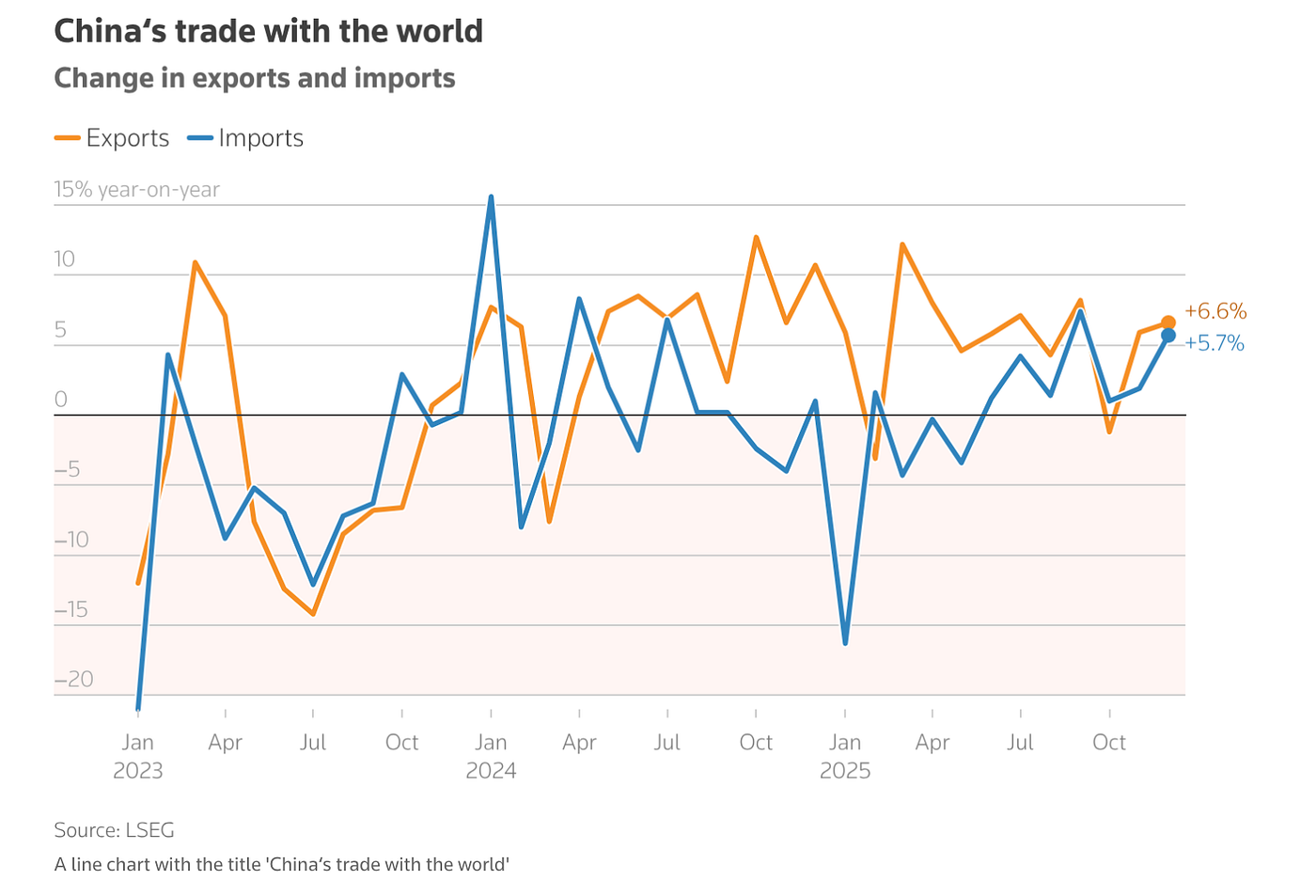
Image from oecd publications 2026, oecd-economic-outlook-volume-2026-issue- full-report israel
The Economy That Can’t Afford This War
Before October 2023, Israel’s defence budget was approximately $23 billion annually — about 5% of GDP. That was already high by global standards. But it was manageable for a $565 billion economy powered by one of the world’s most productive tech sectors.
Then the war started. And the numbers went vertical.
In 2026, the Knesset approved a defence budget of $44.8 billion — nearly double the pre-war baseline.
The Iran war alone added NIS 35 billion in budgetary expenses. The Bank of Israel estimates the total cost of the war through the end of 2025 at 250 billion shekels — roughly $66 billion.
That’s 12% of Israel’s entire GDP.
The daily cost of fighting? NIS 1.5 to 1.7 billion. Every single day.
Israel’s GDP plummeted 21% annualized in Q4 2023. Growth in 2024 limped in at 0.7%. The debt-to-GDP ratio climbed from a stable 60% to 69%. And all three major credit agencies - Moody’s, S&P, and Fitch- downgraded Israel’s sovereign credit rating, sending a unanimous signal that the country’s fiscal trajectory is unsustainable.
A country of 10 million people is spending $45 billion a year on defense. That’s $4,500 per citizen per year — just for the military. Do the math on how long that lasts.
360,000 Reservists. One Economy.
Here’s the part most analysts miss: Israel’s military doesn’t just cost money. It costs people.
After October 7, Israel mobilised 360,000 reservists — the largest call-up since the 1973 Yom Kippur War. These aren’t professional soldiers sitting in barracks. These are software engineers, doctors, entrepreneurs, construction workers, and teachers. They’re the economy. And when you pull 360,000 of them out of the workforce in a country with a labour force of about 4.5 million, you don’t just create a military force. You create a labour crisis.
The IMF warned that labour supply is constrained by extended military mobilisation. Construction projects stalled. Hospitals ran short-staffed. Startups paused hiring. The IDF has since begun reducing reserve call-ups due to budget strain, but the new plan still requires combat soldiers to serve up to 60 days per year — far above pre-war levels.
In the Six-Day War, reservists served for a week and went home. In the current war, some have been called up multiple times over three years. And they’re exhausted.
Israel’s entire economic miracle rests on one sector: high tech. It accounts for over 50% of the country’s exports. It’s what makes Israel a $565 billion economy instead of a $50 billion one. It’s the engine that funds the military, props up the shekel, and keeps the credit agencies from downgrading even further.
[embed]
And it’s leaving.
In the nine months after October 7, 8,300 tech employees left Israel — roughly 900 per month. Broader emigration data is worse: approximately 90,000 Israelis left the country between January 2023 and September 2024, including 633 STEM PhDs and 3,000 engineers.
For the first time in a decade, the number of high-tech employees in Israel declined, falling by 5,000 to 390,000. And here’s the number that should alarm every Israeli policymaker: Israeli tech companies now employ approximately 440,000 people abroad versus 400,000 inside Israel. The industry that built the country is slowly relocating outside it.
Venture capital fundraising collapsed 73% to levels not seen since 2015. Foreign investors who used to make up 60% of Israeli tech deals have dropped to 49%. US pension funds are quietly pulling out. As one investor told Calcalist: “There are LPs who won’t touch investments in Israel at this time.”
The Military Is Running Out of Soldiers
And then there’s the manpower crisis inside the IDF itself.
After nearly three years of war, the IDF has warned of “severe harm” if its manpower crunch isn’t solved.
The military needs up to 17,000 additional recruits to fill gaps — and it can’t find them.
Israel’s population is 10 million. But the actual pool eligible for military service is closer to 7 million — subtract 1.4 million ultra-Orthodox citizens who are largely exempt from conscription, and another 1.4 million Arab citizens who traditionally don’t serve. Among those who do serve, retention is collapsing: only 63% of officers want to continue their military careers, down from 83% in 2018. Among NCOs, the figure dropped from 58% to 37%.
Between March 2024 and March 2025, the number of Israelis living abroad rose by 24%. The IDF’s own planning division has warned that if the trend continues, a serious collapse in personnel numbers is expected by 2027.
A country of 10 million is trying to sustain a military designed for short wars across three simultaneous fronts. The soldiers are burned out. The officers are quitting. And the demographic pipeline is shrinking.
Israel won every battle. It destroyed Hamas’s military structure in Gaza. It degraded Hezbollah in Lebanon. It participated in strikes that destroyed Iran’s nuclear facilities and assassinated its Supreme Leader.
On paper, this is the most successful military campaign in Israel’s history since 1967.
But the Six-Day War made Israel stronger. This war is making it weaker.
Because in 1967, the war ended. Soldiers came home. The economy boomed. Immigration surged.
In 2026, the war is technically winding down in some theatres, but the costs keep compounding. The defence budget stays at $45 billion. The reservists keep rotating through. The tech workers keep emigrating. The credit agencies keep watching.
Israel’s enemies figured out the one thing Israel can’t counter: time. You don’t need to beat the IDF. You just need to keep them fighting long enough that the economy, the demographics, and the social fabric do the work for you. Hamas understood this. Hezbollah understood this. Iran understood this. None of them could match Israel in firepower. But all of them could match it in patience.
Israel was built for Six-Day Wars. Its enemies gave it a thousand-day one. And the country that wins every battle is slowly losing the only war that matters — the war against its own clock.
메타데이터
- post_id
- 9cfbae9eeece
- slug
- israel-from-the-six-day-war-to-3-years-the-math-is-breaking-9cfbae9eeece
- url
- https://medium.com/reflections-and-realities/israel-from-the-six-day-war-to-3-years-the-math-is-breaking-9cfbae9eeece
- canonical_url
- https://medium.com/reflections-and-realities/israel-from-the-six-day-war-to-3-years-the-math-is-breaking-9cfbae9eeece
- author_url
- https://medium.com/@vikas162202
- status
- ok
- fetched_at
- 2026-07-14 21:26:34