Manus Isn’t Just Another AI Tool — It’s Why Meta Is Betting on Agents Over Models
The quiet acquisition that reveals the real future of AI
Manus Isn’t Just Another AI Tool — It’s Why Meta Is Betting on Agents Over Models
The quiet acquisition that reveals the real future of AI
Everyone is watching the wrong AI race.
People argue about GPT vs Gemini vs Claude, token prices, context windows, and benchmarks. Meanwhile, the most important shift in artificial intelligence is happening one layer above the model — and Meta just signaled it clearly by acquiring Manus.
This wasn’t a flashy headline. No viral demo. No dramatic keynote.
Yet it may be one of the most strategically important AI acquisitions of the decade.
In this article, we’ll break down:
- What Manus actually does (beyond the hype)
- Why Meta needed it now
- Why AI agents — not models — are the next platform shift
- What this means for builders, founders, and creators
SEO keywords: AI agents, autonomous AI, Meta acquisition, Manus AI, future of AI, AI automation, AI productivity tools
The Mistake Everyone Makes About Manus
At first glance, Manus looks boring.
No witty chatbot personality. No “look how human this sounds” demo. No viral screenshots.
That’s exactly why most people missed it.
Manus isn’t trying to talk to you.
It’s trying to work for you.
What Is Manus, Really?
Manus is not an AI assistant.
It’s not a chatbot. It’s not a prompt-response tool.
Manus is an autonomous AI agent system designed to:
- Take a high-level goal
- Break it into actionable steps
- Decide which tools to use
- Execute tasks across systems
- Monitor progress
- Correct mistakes
- Deliver outcomes
If ChatGPT feels like asking a smart intern questions…
Manus feels like assigning work to an employee and coming back later.
That difference is everything.
What Can Manus Actually Do?
1. Goal-Based Execution (Not Prompt-Based)
Most AI tools still require constant babysitting:
“Now do step one.” “Okay, now step two.” “That’s wrong — redo it.”
Manus flips the interaction model.
You say:
“Analyze competitors, summarize pricing, and draft a strategy.”
Manus:
- Decomposes the task
- Determines execution order
- Uses tools (browsers, docs, APIs)
- Produces drafts
- Revises when needed
You don’t manage steps. You manage outcomes.
2. Built for Real Tools, Not Chat Windows
Chatbots live in text boxes.
Real work doesn’t.
Manus was designed to operate inside:
- Browsers
- Documents and spreadsheets
- Codebases
- Internal dashboards
- APIs and services
This makes Manus actionable — not just conversational.
3. Persistent Memory and Context
Most AI tools forget everything when the session ends.
Manus remembers:
- Project state
- Prior decisions
- Constraints
- Preferences
Over time, it behaves less like software and more like a collaborator.
4. Self-Reflection Loops
One of Manus’s most powerful features is invisible.
It checks its own work:
- Did this meet the goal?
- Were assumptions correct?
- Did execution fail?
If not, it retries.
This is the difference between impressive demos and reliable systems.
Why Did Meta Acquire Manus?
Here’s the key insight:
Models are becoming commodities. Agents are becoming platforms.
Meta already has:
- World-class models
- Massive compute
- Global distribution
What it didn’t have was a production-grade execution layer.
Models can answer questions. Agents get work done.
Manus Solves Meta’s Biggest Strategic Gap
1. From Chat to Action
Meta doesn’t want AI that says:
“Here’s how you could do this.”
It wants AI that says:
“It’s already done.”
Manus enables autonomous, outcome-driven AI.
2. The Future Interface Is Invisible
The next generation of AI won’t live in chat boxes.
It will be:
- Proactive
- Embedded
- Context-aware
- Always running in the background
Manus was built for exactly this future.
3. Agents Monetize Better Than Models
People don’t want to pay for tokens or parameters.
They pay for:
- Time saved
- Work completed
- Revenue generated
Agents map directly to ROI.
Meta understands this.
4. Strategic Defense
Every major tech company is racing toward agents.
By acquiring Manus, Meta skipped years of iteration and entered the race fully formed.
Why This Matters More Than Any Model Release
The AI model war is slowing down.
Performance gaps are shrinking. Costs are dropping. Benchmarks are saturating.
The next moat isn’t intelligence.
It’s execution.
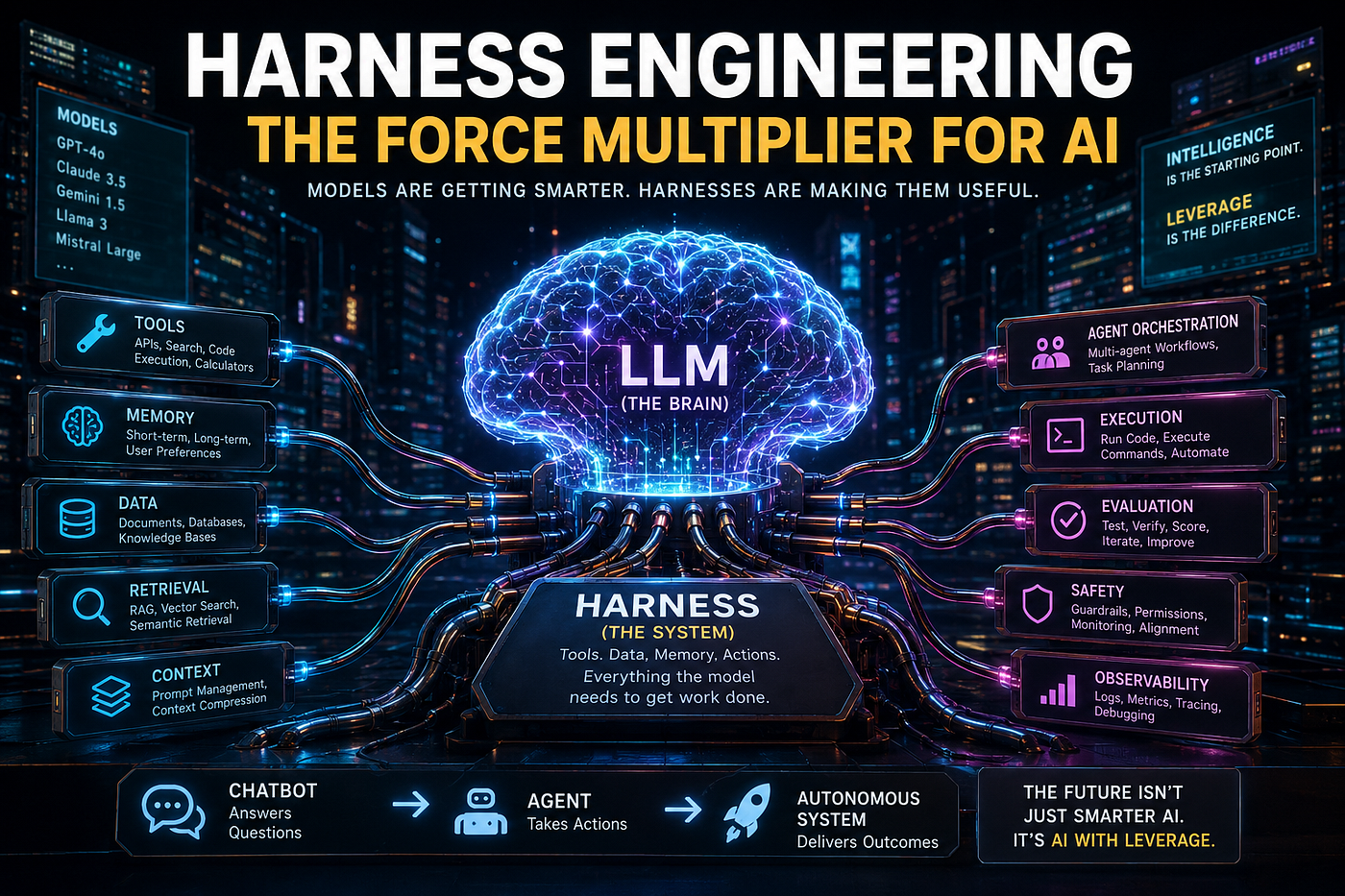
The New AI Stack
- Models — raw intelligence (commoditized)
- Agents — planners and executors
- Workflows — where value is created
- Outcomes — where money is made
Meta didn’t buy layer one.
It bought layer two — the control plane.
What This Means for Builders and Founders
If you’re building in AI, this acquisition is a signal.
Stop building:
- Chatbot wrappers
- Prompt demos
- Feature toys
Start building:
- AI workers
- AI operators
- Vertical-specific agents
- Outcome-driven automation
The best products will sound boring — and feel magical.
The Big Takeaway
Manus wasn’t acquired because it was flashy.
It was acquired because it represents the next computing primitive:
Autonomous AI agents that actually do work.
Meta didn’t buy a product.
It bought the layer that turns intelligence into execution.
And most people are still arguing about prompts.
Final Thought
If ChatGPT was the “wow” moment of AI…
Then Manus is the infrastructure moment.
And Meta just planted its flag in the future.
메타데이터
- post_id
- 9d0894e609dc
- slug
- manus-isnt-just-another-ai-tool-it-s-why-meta-is-betting-on-agents-over-models-9d0894e609dc
- url
- https://medium.com/neural-lab/manus-isnt-just-another-ai-tool-it-s-why-meta-is-betting-on-agents-over-models-9d0894e609dc
- canonical_url
- https://medium.com/neural-lab/manus-isnt-just-another-ai-tool-it-s-why-meta-is-betting-on-agents-over-models-9d0894e609dc
- author_url
- https://medium.com/@neurallab.dev
- status
- ok
- fetched_at
- 2026-06-10 22:22:12