Why Modern Life Feels So Temporary
From disposable products to disposable relationships, permanence has become increasingly rare.
Why Modern Life Feels So Temporary

Walk through almost any American home today and you’ll find something curious.
The television hanging on the wall probably won’t last as long as the one your grandparents owned.
The dining room table may have come from a flat-packed box and could be replaced within a few years.
The smartphone in your pocket will likely be obsolete before the next presidential election.
Even the neighborhoods we live in often feel more transient than permanent. People move more frequently. Churches change. Local businesses disappear. Friends relocate. Families scatter across multiple states.
Everything feels replaceable.
And whether we realize it or not, that constant sense of impermanence affects us far more deeply than most people understand.
I’ve spent a lot of time thinking about this lately.
Not because I’m opposed to progress. Modern technology has improved our lives in remarkable ways. We have access to information, communication, medicine, and opportunities that previous generations could scarcely imagine.
Yet despite all those advances, many people carry around a quiet feeling that something important has been lost.
We may have gained convenience.
But we seem to have lost permanence.
And I believe that’s one reason modern life often feels strangely unsatisfying.
We Were Built for Things That Last
Human beings have always sought permanence.
For thousands of years, people built homes intended to outlive them.
They planted trees whose shade they would never personally enjoy.
They constructed churches, civic buildings, libraries, monuments, and farms with future generations in mind.
The ancient Romans built roads that remain visible today.
Medieval cathedrals often took centuries to complete.
Many family farms remained in the same hands for generations.

Photo Source: Canva Premium
People understood that they were part of a larger story.
They inherited things from those who came before them and felt a responsibility to pass something on to those who would come after.
Today, that mindset feels increasingly rare.
According to the U.S. Census Bureau, the average American moves approximately 11 to 12 times during their lifetime. While mobility has long been part of American culture, many communities now experience far higher rates of turnover than previous generations.
The result is subtle but profound.
When people stop expecting things to last, they stop investing emotionally in permanence.
Why plant roots if you’ll be gone in two years?
Why build traditions if nobody will be around to continue them?
Why preserve history if everything is constantly changing?
Without realizing it, we begin to think short-term.
And short-term thinking eventually reshapes entire cultures.
The Rise of the Disposable Economy
Perhaps nowhere is this more visible than in the products we buy.
Previous generations routinely purchased items designed to last decades.
Washing machines were repaired.
Shoes were resoled.
Furniture was refinished.
Appliances were maintained rather than replaced.
Today, many products are intentionally designed around shorter replacement cycles.
Economists sometimes refer to this as planned obsolescence — the practice of designing products with a limited useful lifespan to encourage future purchases.
While the concept has existed for over a century, modern consumer culture has accelerated it dramatically.
A 2024 report from the United Nations estimated that the world generates more than 60 million metric tons of electronic waste annually, a figure that continues to grow each year.
Think about that for a moment.
Millions upon millions of devices are discarded because repairing them often costs more than replacing them.
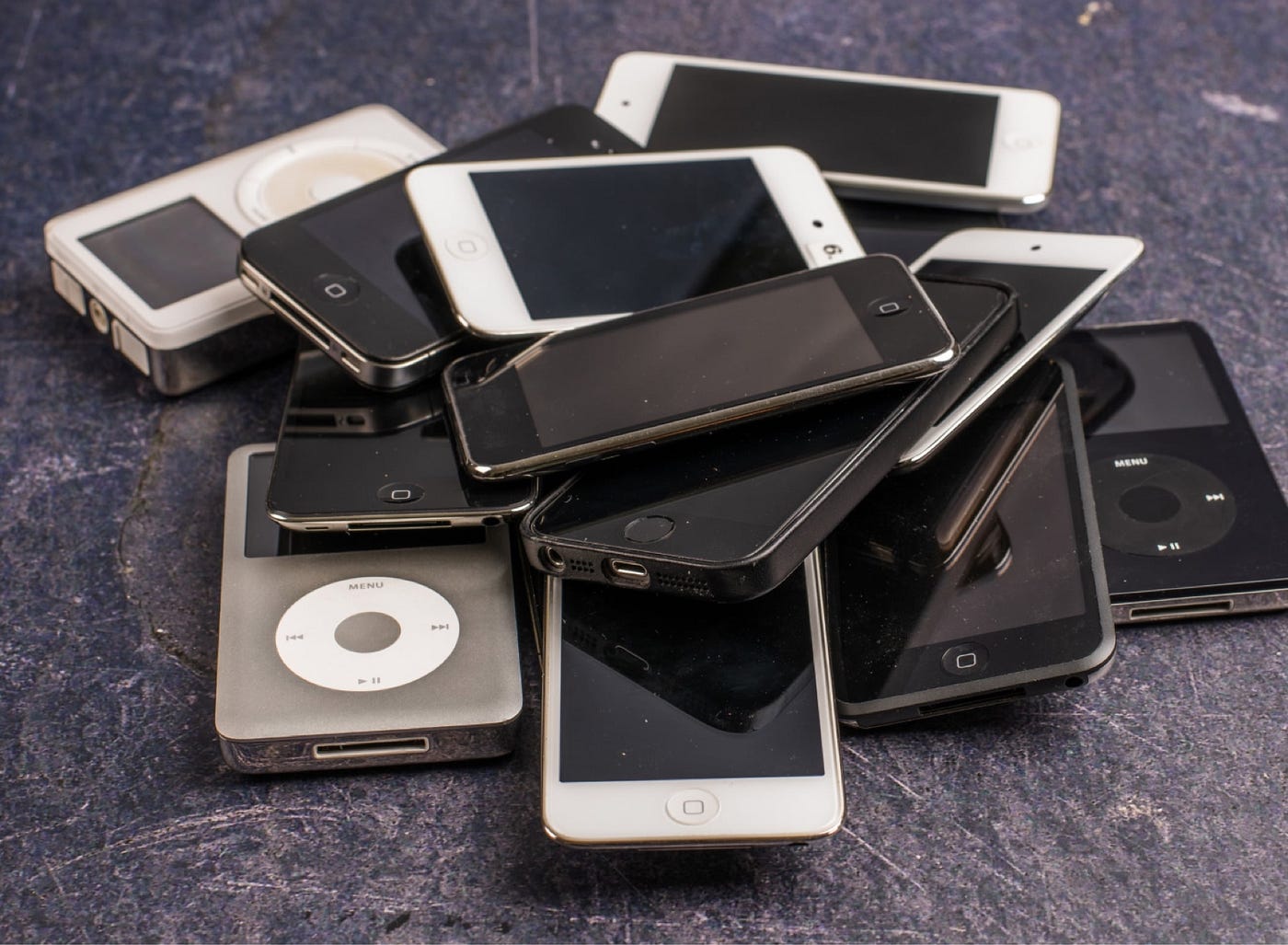
Photo Source: Canva Premium
Entire industries now operate on the assumption that consumers will continuously upgrade rather than maintain.
The message is subtle but relentless:
Don’t keep.
Replace.
Don’t repair.
Upgrade.
Don’t preserve.
Move on.
Eventually, that mentality extends beyond products.
It begins shaping how we view everything else.
When Relationships Start Feeling Disposable
This may be the most troubling consequence of all.
Because human beings are not products.
Relationships require commitment, patience, forgiveness, and endurance.
Those qualities become harder to cultivate when our broader culture increasingly conditions us to seek immediate satisfaction.
Social media has dramatically expanded our ability to connect with others.
Yet numerous studies suggest loneliness continues to rise.
The U.S. Surgeon General’s 2023 advisory on loneliness found that social disconnection carries health risks comparable to smoking up to fifteen cigarettes per day.
Despite being more connected digitally than any generation in history, many people report feeling less connected personally.
Why?
Part of the answer may be that technology often prioritizes breadth over depth.
We accumulate contacts.
We lose community.
We collect followers.
We struggle to find friends.
We communicate constantly.
We connect less meaningfully.
Relationships thrive through shared experiences, physical presence, trust, and time.

Photo Source: Canva Premium
None of those can be downloaded.
None can be rushed.
And none are disposable.
The strongest friendships in my life weren’t built through algorithms.
They were built through years.
The same is true for marriages, families, churches, neighborhoods, and communities.
Meaningful relationships become valuable precisely because they endure.
The Disappearance of Local Identity
One of the reasons I’ve become increasingly fascinated with places like County Donegal, Ireland, and small-town America is because they still preserve something many modern communities have lost.
A sense of continuity.
When you visit places that have maintained strong cultural traditions, you immediately notice something different.
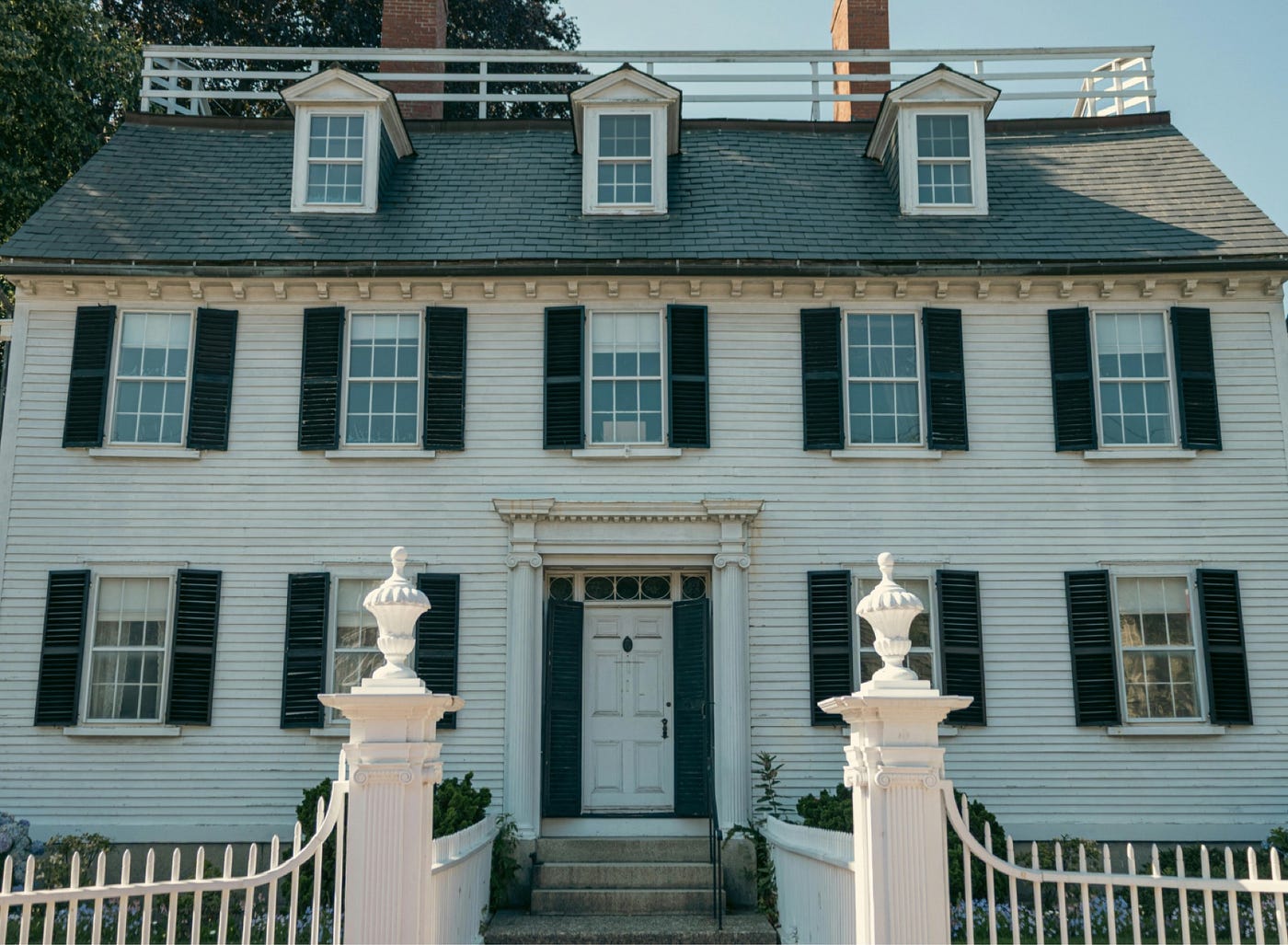
Photo Source: Canva Premium
People know local history.
Families remember previous generations.
Community stories are preserved.
Landmarks matter.
Traditions matter.
Identity matters.
The past remains visible.
In many modern communities, by contrast, development often occurs so rapidly that entire neighborhoods can feel disconnected from their own history.
Local businesses disappear and are replaced by national chains.
Historic buildings give way to generic construction.
Community institutions weaken.
The result isn’t necessarily intentional.
But it leaves many people feeling rootless.
Humans naturally seek belonging.
We want to know where we fit.
We want to understand the story we’re part of.
We want connections that extend beyond ourselves.
When those connections weaken, people often experience a subtle sense of displacement even while living in familiar surroundings.
Something feels missing.
Because something is.
Why Heritage Still Matters
One of the most rewarding journeys of my adult life has been exploring my own family history.
The deeper I’ve researched my McLaughlin roots in County Donegal and my French-Canadian Despin heritage, the more I’ve realized how much identity can be strengthened through understanding where we come from.
Heritage isn’t about living in the past.
It’s about understanding the path that brought us here.
Every family possesses stories.
Every community has a history.
Every culture contains lessons accumulated across generations.
Yet modern life often encourages us to focus exclusively on the present moment.
What matters now.
What’s trending now.
What’s happening today.
But human beings were never meant to exist without historical context.
Knowing where we came from helps us understand who we are.
It reminds us that we’re part of something larger than ourselves.
That perspective creates stability in a rapidly changing world.
And stability is increasingly valuable.
Technology Accelerates Everything
Technology itself isn’t the problem.
In many ways, technology is extraordinary.
It allows me to communicate instantly with people across the world.
It helps businesses grow.
It provides educational opportunities unimaginable a generation ago.
But technology also compresses time.
Everything happens faster.
News cycles move faster.
Trends move faster.
Conversations move faster.
Careers change faster.
Entire industries transform faster.
The average attention span is constantly pulled in competing directions.
Researchers have documented how digital platforms reward novelty, speed, and constant engagement.
The result is an environment where permanence struggles to compete with immediacy.

Photo Source: Canva Premium
Old becomes irrelevant.
New becomes essential.
Repeat the cycle endlessly.
Yet some of life’s most meaningful experiences cannot be accelerated.
You cannot rush wisdom.
You cannot speed up trust.
You cannot shortcut character.
You cannot automate belonging.
The most important things still require time.
Just as they always have.
The Hidden Cost of Constant Change
Change itself is not inherently bad.
In fact, healthy societies require adaptation.
The problem emerges when change becomes the only constant.
Psychologists have long recognized that human beings need stability alongside growth.
We need familiar routines.

Photo Source: Canva Premium
Reliable relationships.
Predictable communities.
Trusted institutions.
Without those anchors, life begins to feel chaotic.
Many people today experience a form of low-level uncertainty that previous generations encountered less frequently.
Jobs change.
Industries change.
Technology changes.
Neighborhoods change.
Platforms change.
Expectations change.
The ground never stops moving.
Over time, that instability creates emotional fatigue.
People become exhausted not because they dislike progress, but because they rarely experience permanence.
They are constantly adapting.
Constantly adjusting.
Constantly starting over.
That takes a psychological toll.
What Endures Still Matters Most
Here’s the irony.
Despite all the changes surrounding us, the things people ultimately value most haven’t changed much at all.
Ask someone near the end of their life what mattered most.
The answers are remarkably consistent.
Family.
Friendship.
Faith.
Community.
Purpose.
Service.
Love.
Very few people wish they had upgraded their phone more often.
Very few regret not spending additional time on social media.
Very few wish they had accumulated more disposable possessions.
Instead, people tend to treasure what endured.
The marriage that lasted.

Photo Source: Canva Premium
The friendships that survived decades.
The traditions passed to children.
The communities they helped build.
The lives they impacted.
The memories they created.
The things that remain meaningful are usually the things that remained present.
Permanence creates value.
Not because permanence is easy.
But because permanence requires commitment.
Relearning the Value of Permanence
I don’t believe we can simply return to some romanticized version of the past.
Nor should we.
Modern life offers countless benefits previous generations lacked.
The goal isn’t to reject progress.
The goal is to recover permanence.
To intentionally cultivate things designed to last.
Strong marriages.
Strong families.
Strong friendships.
Strong communities.
Strong traditions.
Strong institutions.
Meaningful work.
A clear sense of identity.
A connection to history.
A commitment to future generations.
Those things remain available.
But they require conscious effort.
They don’t happen automatically anymore.
In a culture increasingly oriented around convenience and immediacy, permanence has become something we must choose.
The Quiet Rebellion We Need
Perhaps one of the most radical things a person can do today is commit to something for the long haul.
Stay married.
Raise a family.
Know your neighbors.
Join a church.
Volunteer locally.
Preserve family stories.
Support local businesses.
Plant trees.
Restore old homes.
Learn your heritage.
Build something intended to outlast you.
These aren’t flashy acts.
They rarely go viral.
They won’t generate millions of views.
But they create something increasingly rare.
Roots.
And roots matter.
Because when storms arrive — and they always do — deep roots provide stability.
Our grandparents understood this.
Many small communities still understand it.
Many families continue to practice it.
The challenge for our generation is deciding whether we will preserve it.
Final Thoughts
The reason modern life often feels temporary isn’t because technology exists.
It isn’t because society changes.
It isn’t because progress happens.
Modern life feels temporary because permanence has become increasingly uncommon.
We’ve built systems optimized for speed, convenience, replacement, and constant change.
But human beings still long for something deeper.
We still want belonging.
We still want continuity.
We still want roots.
We still want to know that some things will endure.
Perhaps that’s why old family photographs remain so powerful.
Why historic churches still inspire awe.
Why ancestral homelands capture our imagination.
Why lifelong friendships feel irreplaceable.
Why family traditions matter.
Why communities with strong identities continue to thrive.
Deep down, we recognize a simple truth:
The things that last are often the things that matter most.
And in a world increasingly defined by temporary experiences, choosing permanence may be one of the most meaningful decisions we can make.
메타데이터
- post_id
- 9d30d520c0b0
- slug
- why-modern-life-feels-so-temporary-9d30d520c0b0
- url
- https://medium.com/@sdespin/why-modern-life-feels-so-temporary-9d30d520c0b0
- canonical_url
- https://medium.com/@sdespin/why-modern-life-feels-so-temporary-9d30d520c0b0
- author_url
- https://medium.com/@sdespin
- status
- ok
- fetched_at
- 2026-06-15 20:49:13