Using MFO for Smarter Disease Detection and Environmental Monitoring by Sathrigan T SRM institute…
Using MFO for Smarter Disease Detection and Environmental Monitoring
by Sathrigan T SRM institute of science and technology | GAA project| 10min read
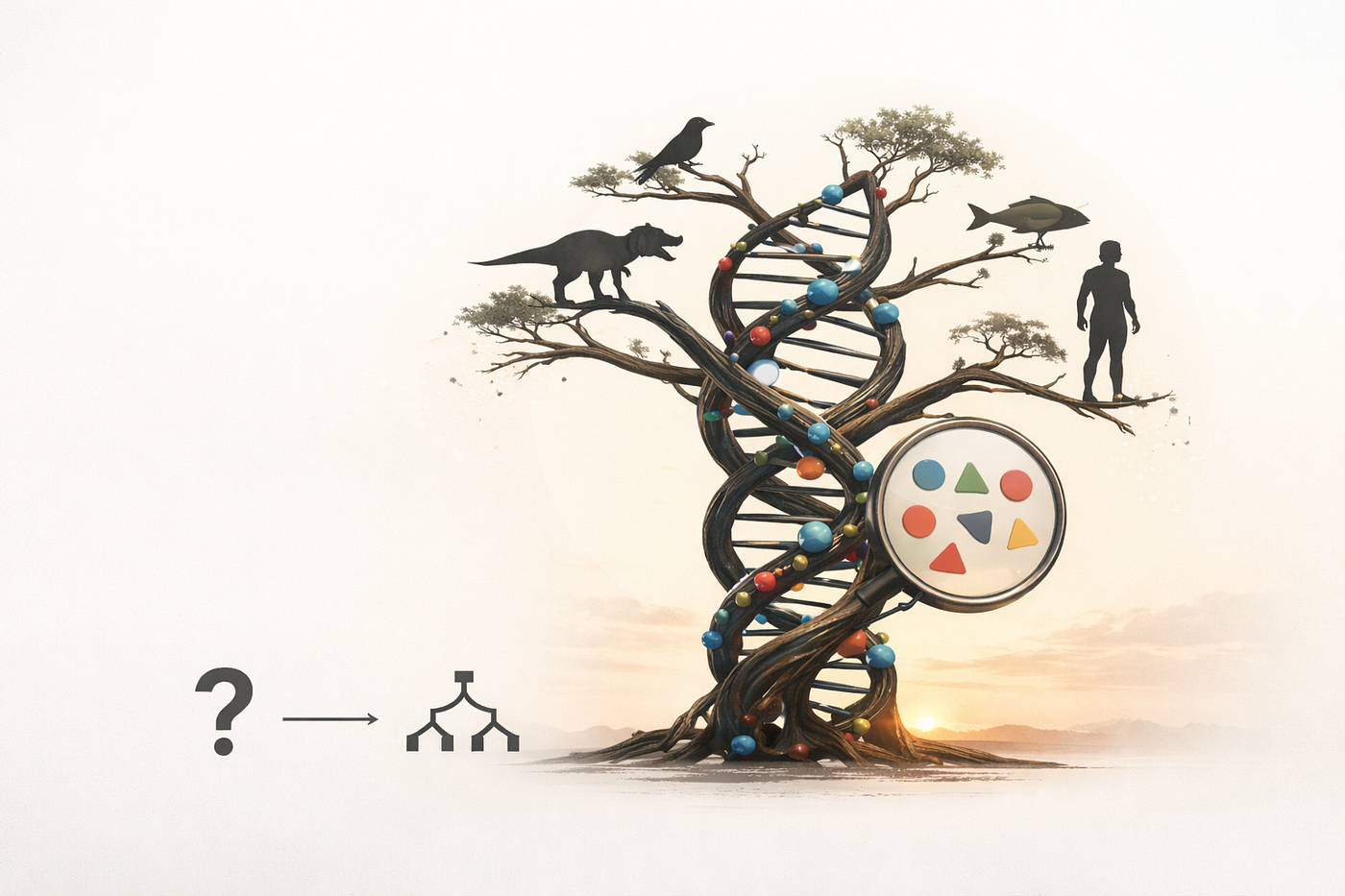
Nature has always been one of humanity’s greatest teachers. From airplanes inspired by birds to submarines modeled after sea creatures, scientists often look toward nature to solve complex problems. One fascinating example of this is Moth-Flame Optimization (MFO) — an Artificial Intelligence algorithm inspired by the behavior of moths. Surprisingly, this moth-inspired technology is now helping researchers improve disease detection systems and monitor environmental pollution more effectively. Sounds strange, right? Let’s explore how.
What Is Moth-Flame Optimization? At night, moths use moonlight to navigate by maintaining a fixed angle with the moon. However, when artificial lights appear, moths become confused and move in spiral paths around the light source.
Scientists used this unique behavior to develop an optimization algorithm called Moth-Flame Optimization. In this system: Moths represent possible solutions to a problem Flames represent the best solutions discovered so far The algorithm continuously helps the “moths” move closer to the best solution, improving accuracy and efficiency over time.
Although inspired by insects, MFO is now being used in advanced fields like healthcare, biotechnology, and environmental science.
Smarter Disease Detection Modern hospitals and laboratories generate massive amounts of medical data every day. Detecting diseases accurately from this data can be difficult and time- consuming.This is where MFO becomes useful.
By optimizing medical data analysis, MFO helps biosensors and AI systems identify diseases more quickly and accurately. Researchers are already exploring its use in: •Cancer detection •Diabetes prediction •Heart disease analysis •Brain disorder diagnosis
For example, biosensors powered by optimization algorithms can detect tiny biological changes inside the human body that might otherwise go unnoticed.
MFO also helps reduce unnecessary data and improves the quality of signals collected from medical devices. This leads to faster diagnosis and more reliable healthcare systems. Monitoring the Environment More Efficiently
MFO is not only helping doctors — it is also helping the planet. Environmental monitoring systems use sensors to detect harmful substances in air, water, and soil. However, environmental data is often complex and difficult to process accurately.
MFO improves these systems by increasing sensor sensitivity and optimizing detection performance.
Researchers are using MFO-based systems to identify: •Toxic gases in air •Heavy metals in water •Harmful bacteria •Industrial pollutants
Imagine a smart water monitoring system that can instantly detect contamination before it affects thousands of people. Technologies like MFO are helping make this possible.
The Role of Bioreporter System Another exciting area is bioreporter systems. These systems use microorganisms or biological materials that react to environmental changes.
Some bacteria, for example, can produce light when exposed to toxic chemicals. Scientists use these biological responses to monitor pollution levels.
MFO helps improve these systems by: Increasing response accuracy Reducing false signals Optimizing sensor behavior Improving real-time monitoring This combination of biology and AI creates smarter and more reliable environmental safety systems.
Why Is MFO Important? The biggest advantage of MFO is that it combines natural inspiration with computational intelligence.
Compared to traditional methods, MFO offers: •Faster optimization •Better accuracy •Lower computational •complexity
Improved adaptability Most importantly, it can handle large and complex biological datasets efficiently.
As AI technology continues to grow, optimization techniques like MFO may become essential tools in healthcare and environmental protection. Challenges Still Exist Despite its advantages, MFO is not perfect.
Some challenges include: High computational requirements for large datasets Difficulty integrating AI with biological hardware Sensor performance issues under extreme environmental conditions
Researchers are continuously working to overcome these limitations.
The Future of Intelligent Biosensing.The future of MFO looks extremely promising. Scientists are exploring its use in : Wearable healthcare devices Smart hospitals Real-time disease monitoring AI-powered environmental systems Internet of Things (IoT)-based biosensors
One day, small intelligent sensors may continuously monitor both human health and environmental safety in real time and interestingly, part of that technology may be inspired by the simple movement of moths around light.
Final Thoughts Moth-Flame Optimization shows how even the smallest creatures in nature can inspire powerful technological innovations.
By improving biosensors and bioreporter systems, MFO is helping create smarter disease detection methods and more efficient environmental monitoring systems. As Artificial Intelligence and biotechnology continue to evolve together, nature-inspired algorithms like MFO may play a major role in shaping the future of science and healthcare.
Author : Sathrigan T
MothFlameOptimization
Biosensors
BioreporterSystems
ArtificialIntelligence
MachineLearning
ComputationalBiology
DiseaseDetection #EnvironmentalMonitoring
메타데이터
- post_id
- 9d33e1052d3c
- slug
- using-mfo-for-smarter-disease-detection-and-environmental-monitoring-by-sathrigan-t-srm-institute-9d33e1052d3c
- url
- https://medium.com/@sathri2325/using-mfo-for-smarter-disease-detection-and-environmental-monitoring-by-sathrigan-t-srm-institute-9d33e1052d3c
- canonical_url
- https://medium.com/@sathri2325/using-mfo-for-smarter-disease-detection-and-environmental-monitoring-by-sathrigan-t-srm-institute-9d33e1052d3c
- author_url
- https://medium.com/@sathri2325
- status
- ok
- fetched_at
- 2026-06-09 15:37:30