CoQ10: The Heart Health Supplement Your Cardiologist Won’t Mention
I Spent 6 Months Researching CoQ10 — Here’s What Most Supplement Guides Won’t Tell You
CoQ10: The Heart Health Supplement Your Cardiologist Won’t Mention
I Spent 6 Months Researching CoQ10 — Here’s What Most Supplement Guides Won’t Tell You
I first heard about CoQ10 from my father’s cardiologist — not as a recommendation, but as a passing mention after Dad started complaining about muscle pain on statins. “You could try CoQ10,” the doctor said, almost as an afterthought. No explanation. No dosing. That casual brush-off sent me down a six-month rabbit hole into one of the most important — and most misunderstood — supplements in existence.
What I found genuinely surprised me. CoQ10 benefits for heart health aren’t some fringe wellness claim. They’re backed by large-scale clinical trials, meta-analyses, and decades of research. Yet most doctors don’t proactively recommend it — even to the millions of patients whose medications are actively depleting it.
Key Takeaways
- CoQ10 is essential for cellular energy production — every cell needs it, and your heart uses the most
- Your body’s production drops 30–40% by age 40 and 50–60% by age 60 [8]
- Statins deplete CoQ10 by 25–50% — if you’re on a statin, supplementing isn’t optional [4]
- The Q-SYMBIO trial showed a 43% reduction in cardiovascular death with 300mg daily for 2 years [2]
- Ubiquinol (active form) absorbs 2–3x better than ubiquinone, especially after age 40 [6]
- Always take with fat — CoQ10 is fat-soluble and absorption drops dramatically without it
What Does CoQ10 Actually Do in Your Body?
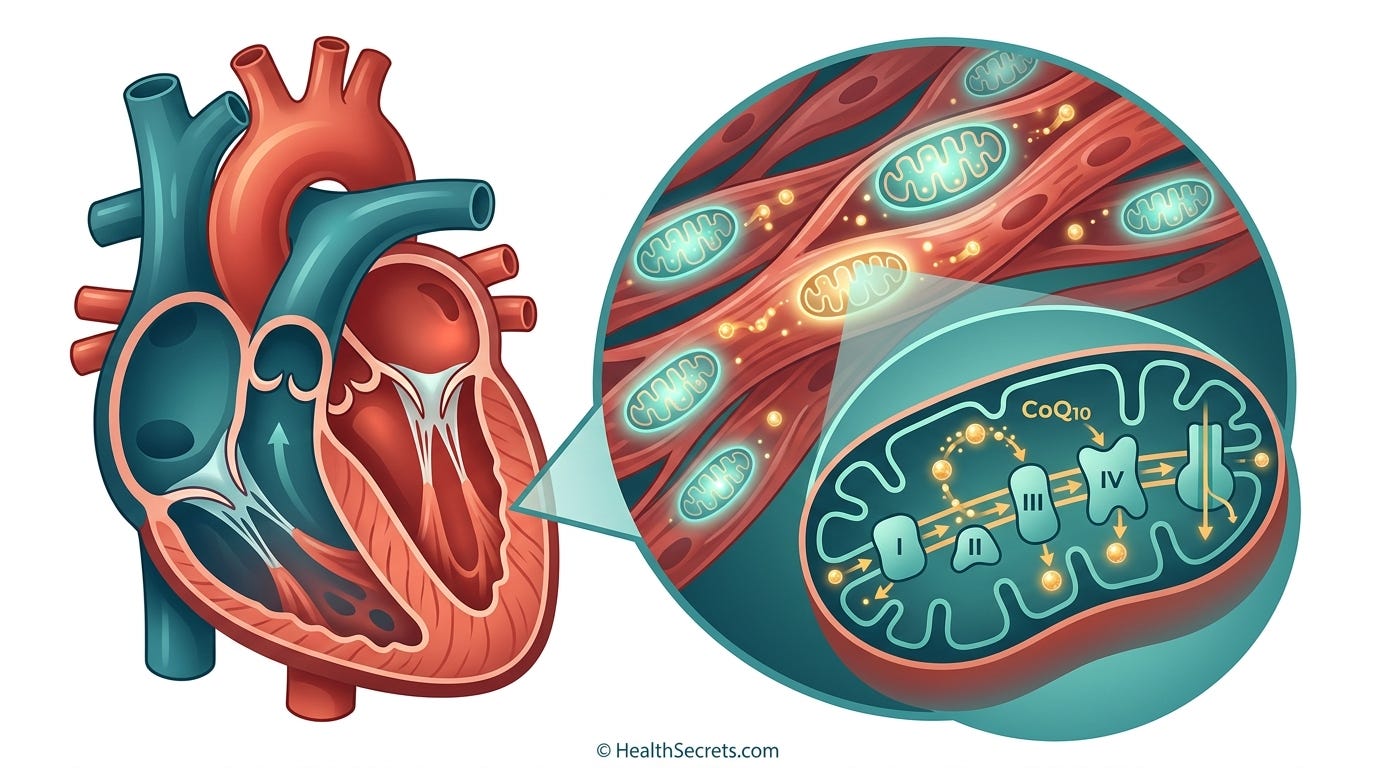
CoQ10 is an essential component of your mitochondrial electron transport chain — without it, your cells cannot produce ATP, the energy currency powering every biological process. A 2024 comprehensive review in Nutrients confirmed CoQ10’s critical roles in energy metabolism, antioxidant defense, and membrane stabilization [1].
Think of CoQ10 as the spark plug in your cellular engine. It shuttles electrons inside mitochondria, enabling the chain reaction that converts food into usable energy. Organs with the highest energy demands — heart, brain, liver, kidneys — contain the highest CoQ10 concentrations.
But it’s also one of your body’s most powerful lipid-soluble antioxidants. It neutralizes free radicals right where they’re generated (inside mitochondria), protects LDL cholesterol from oxidation, and regenerates vitamin E [1]. It’s doing double duty — fueling your cells and protecting them simultaneously.
Why Is CoQ10 Critical for Heart Health?
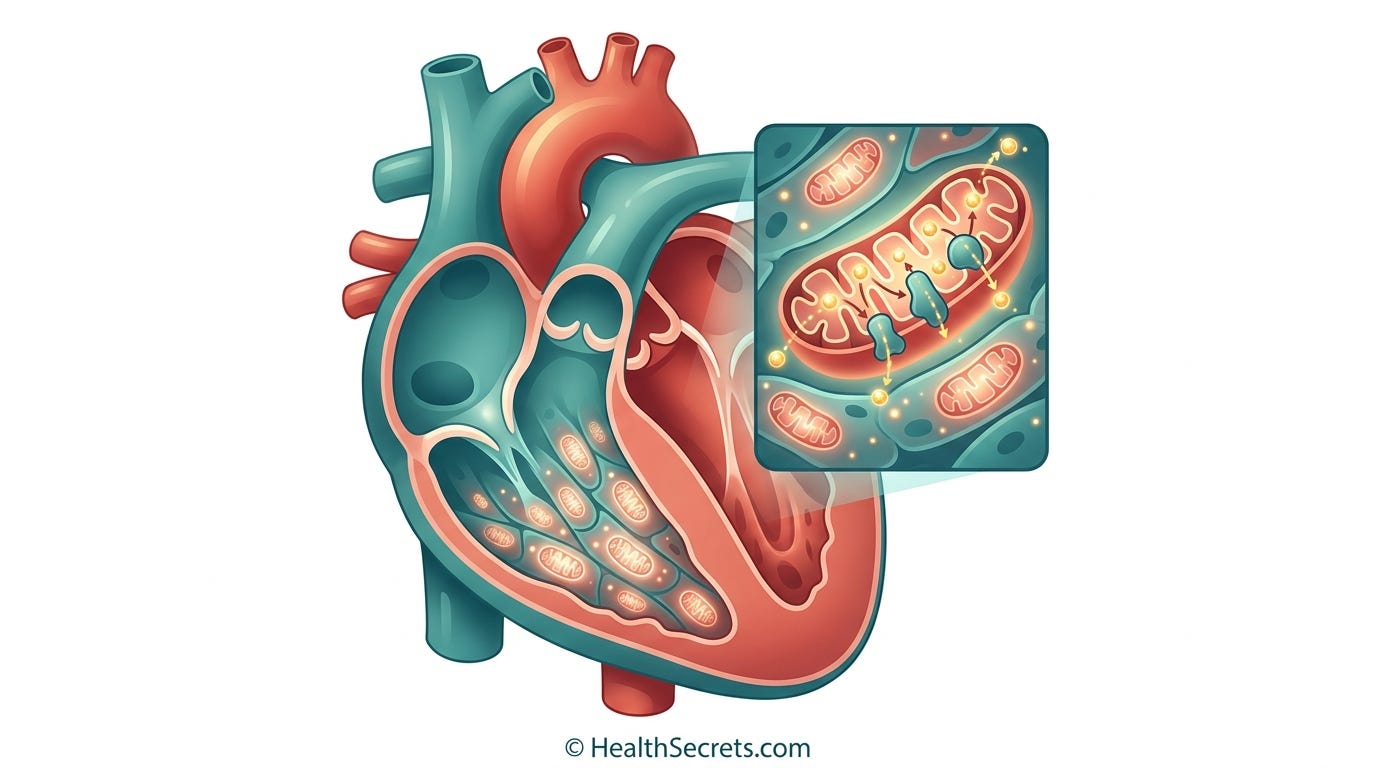
The landmark Q-SYMBIO trial demonstrated a 43% reduction in cardiovascular mortality and 42% reduction in all-cause mortality in heart failure patients taking 300mg daily for two years [2]. This wasn’t a small pilot — it was a randomized, double-blind, placebo-controlled trial across nine countries.
Your heart beats roughly 100,000 times per day. That requires enormous energy, explaining why cardiac tissue contains the highest CoQ10 concentration of any organ. When levels drop — from aging, disease, or medication — the heart suffers first.
A meta-analysis of 17 RCTs found CoQ10 supplementation reduced systolic blood pressure by an average of 11 mmHg and diastolic by 7 mmHg [3] — comparable to some first-line blood pressure medications.
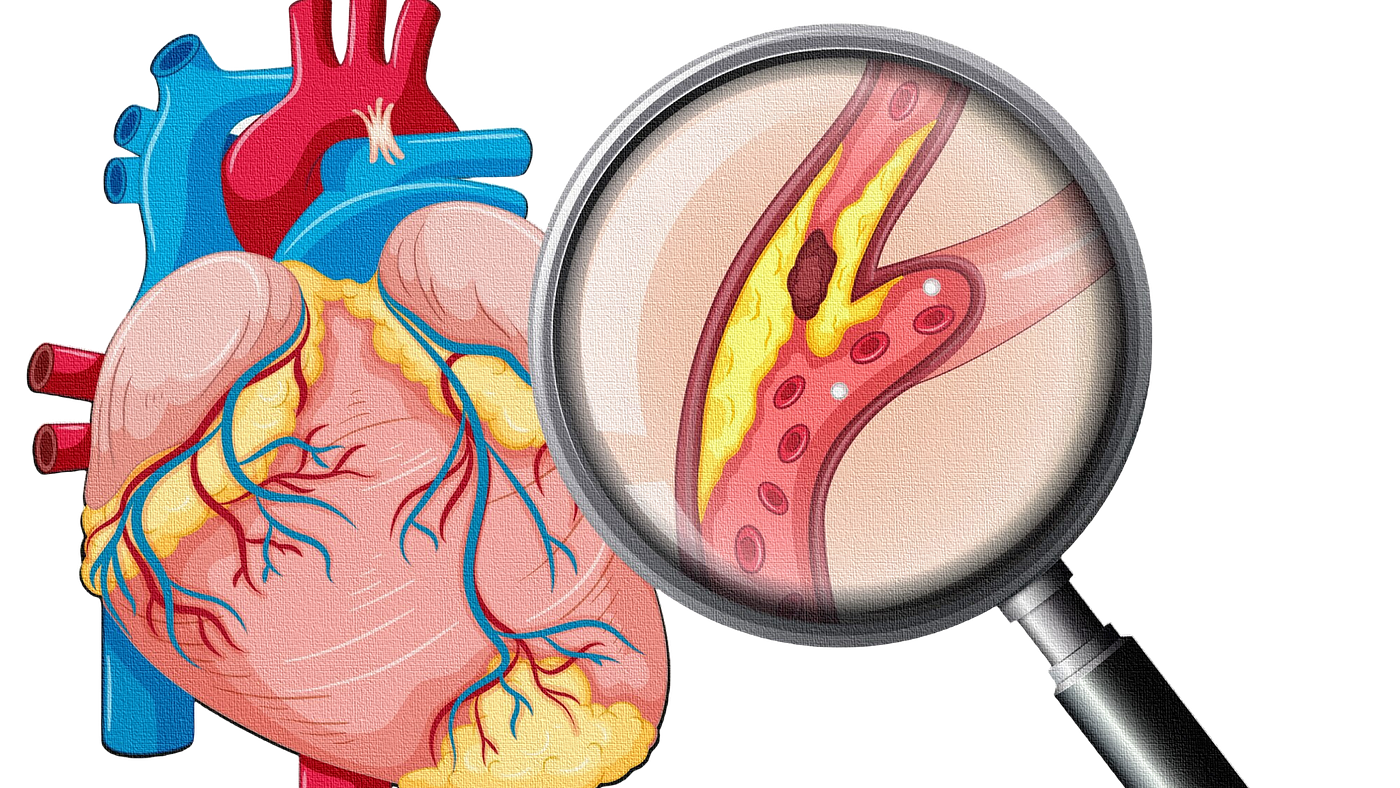
CoQ10 also prevents LDL oxidation — the process turning “bad” cholesterol into arterial-plaque-forming particles driving atherosclerosis [1]. It’s not lowering your cholesterol; it’s preventing the cholesterol you have from becoming dangerous.
Do Statins Really Deplete CoQ10?
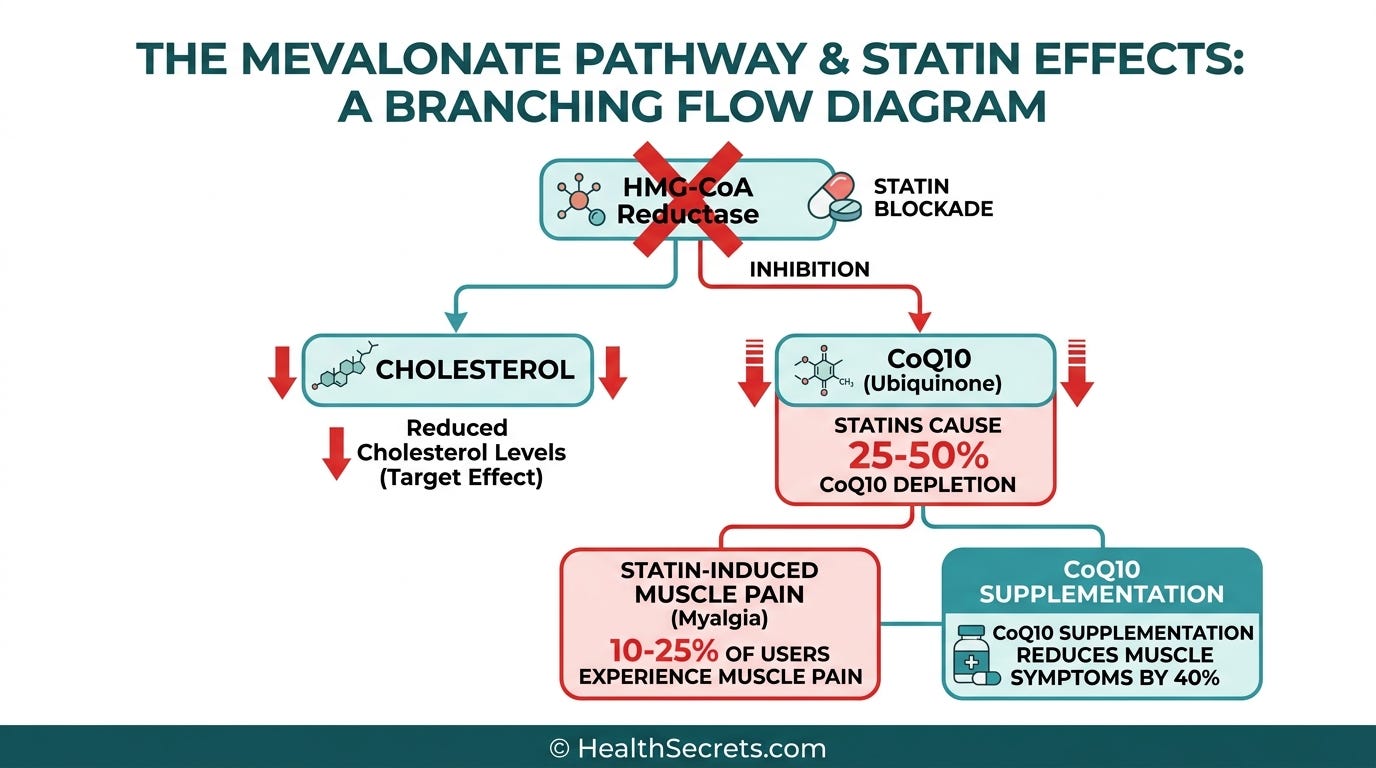
Yes — statins reduce CoQ10 levels by 25–50% because they block the same metabolic pathway (HMG-CoA reductase) used to synthesize both cholesterol and CoQ10 [4]. This is the single most important thing statin users need to know.
The mechanism is straightforward: statins inhibit the mevalonate pathway. Cholesterol is one product. CoQ10 is another. You can’t shut down one without affecting the other.
Statin-induced CoQ10 depletion contributes to the muscle pain (myalgia) that 10–25% of statin users experience [4]. A 2018 meta-analysis found CoQ10 supplementation at 100–200mg daily reduced statin-associated muscle symptoms by approximately 40% [5].
If you’re on atorvastatin (Lipitor), simvastatin (Zocor), or rosuvastatin (Crestor), consider 100–200mg of ubiquinol daily. Don’t wait for muscle pain — preventive supplementation makes more sense than reactive.
Which Form Should You Take — Ubiquinol or Ubiquinone?
For adults over 40 and statin users, ubiquinol (the reduced, active form) is the clear choice — it provides 2–3x better bioavailability without requiring metabolic conversion that becomes less efficient with age [6].
Ubiquinone (oxidized form): Requires metabolic conversion to active form. Moderate bioavailability. Best for adults under 40 with efficient conversion capacity. More affordable. Most clinical studies used this form — extensive research base.
Ubiquinol (reduced, active form): Ready to use, no conversion needed. 2–3x higher bioavailability. Best for adults over 40, elderly, and statin users. More expensive (2–3x). Growing clinical evidence with newer studies.
If you’re young, healthy, and budget-conscious, ubiquinone works fine. But for anyone over 40, on statins, or managing heart conditions — spend the extra on ubiquinol.
How Much CoQ10 Do You Actually Need?
For general maintenance, 100–200mg daily is sufficient; for cardiovascular conditions, clinical trials consistently use 100–300mg daily in divided doses, taken with fat [2].
Practical dosing guide:
- General health (over 40): 100–200mg daily
- Statin users: 100–200mg daily (ubiquinol preferred)
- Heart failure: 100mg three times daily (300mg total — Q-SYMBIO protocol) [2]
- Blood pressure support: 100–200mg daily [3]
- Migraine prevention: 100–300mg daily for 3+ months [7]
- Energy and fatigue: 100–200mg daily
- Fertility support: 200–300mg daily
Critical absorption tip: Always take CoQ10 with a fat-containing meal. It’s fat-soluble — absorption drops dramatically on an empty stomach. Eggs, avocado, nuts, or fish alongside your capsule makes a meaningful difference. Softgels dissolved in oil outperform dry powder capsules [6].
Can You Get Enough CoQ10 From Food?
No — therapeutic levels are virtually impossible from diet alone. The richest source, beef heart, contains roughly 11mg per 3-ounce serving [1]. For a therapeutic 200mg dose, you’d need about 55 ounces of beef heart daily.
Other sources — organ meats, fatty fish, nuts, soybean oil — provide small baseline amounts but can’t compensate for age-related decline or statin depletion. Supplementation is necessary for therapeutic benefits.
Is CoQ10 Safe Long-Term?
CoQ10 has an excellent safety profile, with decades of research showing minimal side effects even at 500mg daily [1]. The most common issues are mild digestive upset at higher doses and occasional insomnia if taken late (due to energizing effects).
One important interaction: CoQ10 is structurally similar to vitamin K and may reduce warfarin effectiveness. If you’re on warfarin, monitor INR closely and consult your doctor [1].
For the full breakdown on dosing protocols, ubiquinol vs. ubiquinone comparisons, and statin-specific guidance, the complete CoQ10 guide on Health Secrets covers everything with research citations.
For the complete CoQ10 deep dive — including condition-specific dosing, quality standards, and drug interactions — visit the full CoQ10 guide on Health Secrets.com.
You might also enjoy
- The Supplement Industry Lies — Here’s What Actually Works — Evidence grades for every major supplement category
More from Health Secrets
CoQ10 Dosing & Benefits Guide — Interactive Notion reference for dosing by condition and form comparison
Frequently Asked Questions
Should all statin users take CoQ10?
Yes — statins deplete CoQ10 by 25–50% by blocking the same metabolic pathway. Supplementing with 100–200mg of ubiquinol daily helps prevent statin-associated muscle pain and supports the heart health statins are prescribed to protect [4][5].
How long does it take for CoQ10 to work?
Most people notice energy improvements within 4–8 weeks. Cardiovascular benefits and blood pressure effects typically require 8–12 weeks. Migraine prevention may take 3 months of consistent daily use [7].
Is ubiquinol worth the extra cost over ubiquinone?
For adults over 40, yes. Ubiquinol provides 2–3x better absorption without requiring metabolic conversion that declines with age. For younger, healthy adults, ubiquinone is cost-effective and well-absorbed [6].
Can I take CoQ10 with other supplements?
Yes — CoQ10 is safe with most supplements. It pairs well with omega-3 fatty acids, magnesium, and B vitamins for cardiovascular and energy support. It also supports glutathione recycling [1].
What time of day should I take CoQ10?
Take it with breakfast or lunch alongside fat-containing food. Avoid evening dosing, as its role in energy production can sometimes cause mild insomnia if taken close to bedtime [6].
Does CoQ10 interact with blood thinners?
CoQ10 is structurally similar to vitamin K and may reduce warfarin effectiveness. If you take warfarin, monitor your INR closely and consult your doctor before starting CoQ10 supplementation [1].
References
- Fatima, G. et al. “Magnesium Matters: A Comprehensive Review — CoQ10 section.” Nutrients, 2024. https://pmc.ncbi.nlm.nih.gov/articles/PMC11557730/
-
- Mortensen, S.A. et al. “The effect of coenzyme Q10 on morbidity and mortality in chronic heart failure (Q-SYMBIO).” JACC Heart Fail, 2014. https://doi.org/10.1016/j.jchf.2014.06.008
-
- Rosenfeldt, F.L. et al. “Coenzyme Q10 in the treatment of hypertension: a meta-analysis.” J Hum Hypertens, 2007. https://doi.org/10.1038/sj.jhh.1002138
-
- Banach, M. et al. “Statin therapy and plasma coenzyme Q10 concentrations.” Pharmacol Res, 2015. https://doi.org/10.1016/j.phrs.2015.07.012
-
- Qu, H. et al. “Effects of Coenzyme Q10 on Statin-Induced Myopathy.” JAHA, 2018. https://doi.org/10.1161/JAHA.118.009835
-
- López-Lluch, G. et al. “Bioavailability of coenzyme Q10 supplements depends on carrier lipids.” Nutrition, 2019. https://doi.org/10.1016/j.nut.2018.05.020
-
- Sazali, S. et al. “Coenzyme Q10 supplementation for prophylaxis in adult migraine patients.” BMC Neurol, 2021. https://doi.org/10.1186/s12883-021-02346-x
-
- Hernández-Camacho, J.D. et al. “Coenzyme Q10 Supplementation in Aging and Disease.” Front Physiol, 2018. https://doi.org/10.3389/fphys.2018.00044
- This article is for informational purposes only and doesn’t replace professional medical advice.
메타데이터
- post_id
- 9db685b0dbba
- slug
- coq10-the-heart-health-supplement-your-cardiologist-wont-mention-9db685b0dbba
- url
- https://medium.com/healthsecrets/coq10-the-heart-health-supplement-your-cardiologist-wont-mention-9db685b0dbba
- canonical_url
- https://medium.com/healthsecrets/coq10-the-heart-health-supplement-your-cardiologist-wont-mention-9db685b0dbba
- author_url
- https://medium.com/@healthsecrets
- status
- ok
- fetched_at
- 2026-06-12 07:40:50