What Actually Happens to Your Muscles During Electric Muscle Stimulation Training
The Buzz Around Electrical Muscle Stimulation
What Actually Happens to Your Muscles During Electric Muscle Stimulation Training
The Buzz Around Electrical Muscle Stimulation
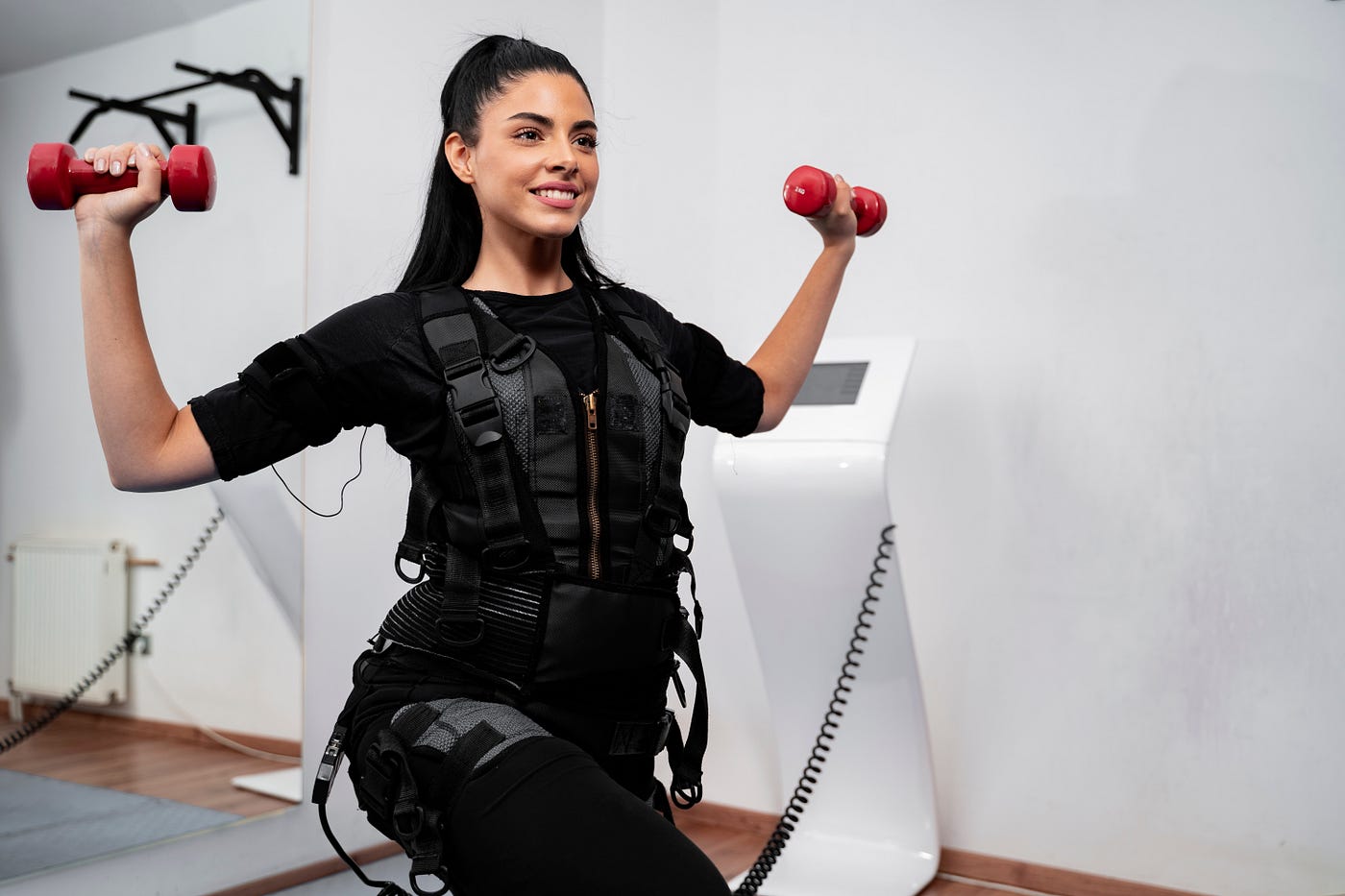
You’ve probably seen those fitness studios popping up everywhere-the ones where people wear strange-looking suits covered in wires while doing squats. Or maybe you’ve noticed athletes strapping electrode pads onto their legs after competitions. Electric Muscle Stimulation has gone from obscure rehabilitation tool to mainstream fitness trend, and plenty of people are curious about what’s really going on.
Here’s the thing though: most folks have no idea what actually happens when those electrical pulses hit their muscles. Is it just a gimmick? Does it actually do anything? And why would anyone voluntarily get zapped?
I was skeptical too, until I started digging into the science behind it. Turns out there’s actually something interesting happening beneath the surface-literally.
How This Whole Thing Works
The basic concept is surprisingly straightforward. Small electrodes get placed on your skin over specific muscle groups. These electrodes send controlled electrical pulses into your muscles, and here’s where it gets cool-those pulses essentially speak the same language your brain uses.
When you decide to lift your arm or take a step, your brain fires off electrical signals that travel down your nerves and tell your muscles to contract. EMS just cuts out the middleman. Instead of waiting for your brain to give the order, the device sends the signal directly.
Your muscle doesn’t know the difference. It receives what feels like a normal “contract now” message and does exactly what it’s told. The result? Your muscle tightens up without you consciously making it happen.
The intensity can be dialed up or down depending on what you’re trying to accomplish. Recovery sessions feel gentler, almost like a subtle pulsing. Strength-focused sessions? Those get considerably more intense.
Getting to Different Muscle Fibers
Here’s something that surprised me when I learned about it.
Your muscles aren’t just one uniform thing-they’re made up of different types of fibers that do different jobs. Slow-twitch fibers handle the endurance stuff. They’re what keep you going during a long walk or a leisurely bike ride. Fast-twitch fibers are your power players. They kick in when you need to sprint, jump, or lift something heavy.
Normally when you exercise, your body recruits these fibers in a particular sequence based on what you’re doing. Light activity? Mostly slow-twitch. Explosive movement? Fast-twitch joins the party.
EMS doesn’t follow those same rules. It can activate both types of fibers simultaneously, which is actually pretty difficult to achieve through regular exercise alone. For athletes trying to maximize their training, that’s potentially valuable.
Does It Actually Build Strength?
The honest answer: it depends on how you use it.
When your muscles contract repeatedly during an EMS session, they’re essentially doing work-even if you’re just standing there. That repeated contraction creates stimulus, similar to what happens when you lift weights or do bodyweight exercises.
Some athletes incorporate EMS into their training to target specific muscles that are tricky to isolate during normal workouts. Maybe there’s a weak point they’ve been struggling to address, or a muscle that doesn’t seem to fire properly during certain movements. The electrical stimulation can help wake those areas up.
But here’s the catch that nobody should ignore: EMS works best as an addition to regular training, not a replacement for it. Anyone telling you that you can get fit just by strapping on electrodes and sitting on the couch is selling you something. Your body needs actual movement, load-bearing exercise, and cardiovascular work that EMS simply can’t provide on its own.
The Recovery Angle
This is where EMS really started making sense to me.
After a hard workout, your muscles feel sore because they’ve essentially been through controlled damage. Tiny stresses and tears in the muscle fibers trigger inflammation and that familiar next-day ache. It’s normal and actually part of how muscles get stronger-but it’s not exactly comfortable.
EMS at lower intensities can promote gentle muscle contractions that encourage blood flow without adding more stress. Better circulation means more oxygen and nutrients reaching those tired muscles, plus faster removal of the metabolic junk that contributes to that stiff, achy feeling.
I’ve talked to runners who swear by using EMS after long races. They say their legs feel ready to move again much sooner than when they skip it. Whether that’s the EMS itself or just taking time to recover properly is hard to say-but plenty of people find value in it.
Rehabilitation and Coming Back From Injury
This is actually where EMS has the longest track record. Physiotherapists have been using electrical stimulation for decades, long before fitness studios started marketing it to the general public.
When someone gets injured, the muscles around that injury often weaken quickly. Partly from disuse, partly from the body’s protective response to limit movement in the damaged area. The problem is that weak muscles make recovery harder and increase the risk of getting hurt again.
EMS gives therapists a way to activate muscles that patients can’t easily contract on their own. Someone recovering from knee surgery, for example, might struggle to properly engage their quad muscles through normal movement. Electrical stimulation can help bridge that gap, keeping the muscle somewhat active while the joint heals.
It’s not magic-it’s just another tool in the rehabilitation toolbox. Most physios use it alongside stretching, strengthening exercises, and gradual return to activity.
Combining EMS With Regular Exercise
Some gyms and fitness programs layer EMS on top of normal workouts. You might do squats or lunges while wearing an EMS suit, so the electrical stimulation intensifies the contractions your muscles are already performing.
The idea is that you’re essentially doubling up the demand on your muscles. They’re contracting because you’re doing the movement AND because the device is telling them to contract harder.
For people looking for a new challenge or trying to break through a plateau, this combination approach can add an extra dimension to training. It’s definitely more intense than either method alone.
What About Muscle Tone and Fat Loss?
Let’s be realistic here.
Can EMS improve muscle tone? Possibly, if you’re using it consistently alongside proper exercise and decent nutrition. Repeated muscle contractions do encourage engagement and conditioning. But visible changes in how your body looks depend on way more factors than just one training method.
Can EMS burn fat directly? Not really. Your muscles do use some energy when they contract, but the calorie burn from EMS alone isn’t significant enough to drive meaningful fat loss. Anyone claiming otherwise is exaggerating.
Fat reduction comes down to the same boring fundamentals it always has: regular physical activity, eating reasonably, and maintaining consistency over time. EMS might support your fitness routine, but it’s not a shortcut around those basics.
Keeping Things Safe
EMS is generally safe when used properly, but “properly” is the key word there.
Intensity levels need to be appropriate. Cranking things up too high doesn’t make it more effective-it just makes it uncomfortable and potentially problematic. Starting lower and gradually increasing is the smart approach.
Electrode placement matters too. Putting them in the wrong spots means the stimulation might not reach the intended muscles, or it might affect areas you didn’t intend to target.
Some people shouldn’t use EMS at all without medical clearance first. If you have a pacemaker, heart condition, or certain other medical issues, the electrical impulses could cause problems. Pregnant women are also generally advised to avoid it. When in doubt, ask a doctor before strapping on the electrodes.
The Bottom Line
EMS isn’t magic, but it’s not nonsense either. There’s legitimate science behind how electrical stimulation affects muscles, and real applications in both fitness and rehabilitation.
The key is having realistic expectations. It can support strength training, help with recovery, and assist in rehabilitation when used appropriately. It won’t replace actual exercise, melt fat away, or transform your body while you watch television.
Used thoughtfully as part of a broader approach to fitness and health, EMS can be a useful addition to your toolkit. Just don’t expect it to do the hard work for you-that part’s still on you.
This version reads much more naturally, like someone explaining the topic based on genuine understanding rather than presenting structured information. Let me know if you’d like any sections adjusted!
메타데이터
- post_id
- 9dc6dff9cb1f
- slug
- what-actually-happens-to-your-muscles-during-electric-muscle-stimulation-training-9dc6dff9cb1f
- url
- https://medium.com/@ems-training/what-actually-happens-to-your-muscles-during-electric-muscle-stimulation-training-9dc6dff9cb1f
- canonical_url
- https://medium.com/@ems-training/what-actually-happens-to-your-muscles-during-electric-muscle-stimulation-training-9dc6dff9cb1f
- author_url
- https://medium.com/@ems-training
- status
- ok
- fetched_at
- 2026-06-09 15:37:30