The Road to Resilience: Navigating the Journey of Stroke Rehabilitation
Surviving a stroke is a profound milestone, but for many patients and their families, the “second survival” begins the moment they leave…
The Road to Resilience: Navigating the Journey of Stroke Rehabilitation
The Road to Resilience: Navigating the Journey of Stroke Rehabilitation
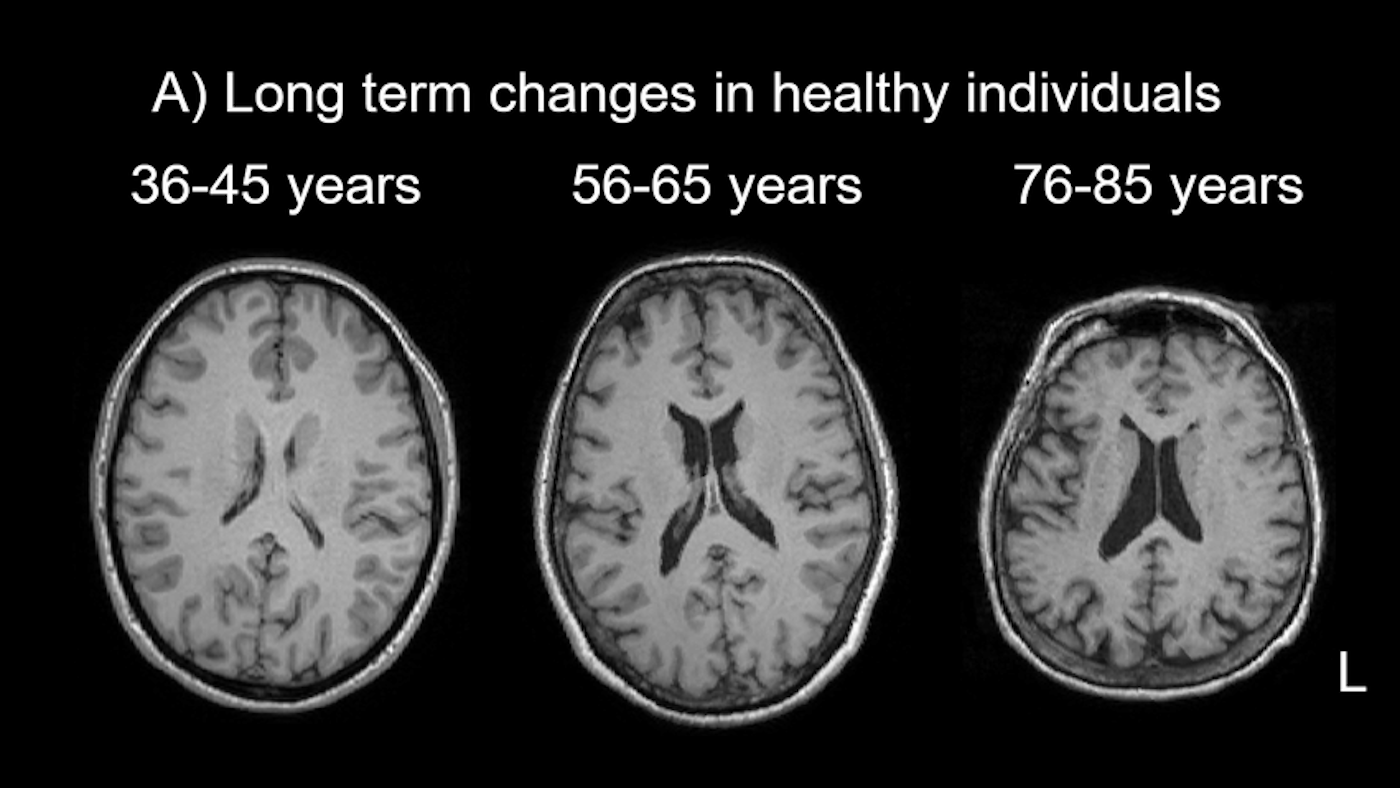
Surviving a stroke is a profound milestone, but for many patients and their families, the “second survival” begins the moment they leave the acute care setting. A stroke can disrupt everything from the ability to speak and swallow to the simple act of walking or holding a fork. However, the human brain possesses a remarkable quality known as neuroplasticity — the ability to rewire itself and form new neural connections. This is where comprehensive stroke rehabilitation becomes the bridge between survival and a return to a meaningful, independent life.
Understanding Stroke Rehabilitation
**Stroke rehabilitation** is not a single treatment but a multidimensional program tailored to the specific needs of the individual. Because every stroke affects the brain differently, recovery is never a one-size-fits-all process. The goal is simple yet ambitious: to help survivors regain as much independence as possible and improve their overall quality of life.
A successful rehabilitation program typically involves a team of specialists, including physiatrists, physical therapists, occupational therapists, speech-language pathologists, and neuropsychologists. Together, they address the physical, cognitive, and emotional challenges that follow a cerebrovascular accident.
The Pillars of Physical Recovery
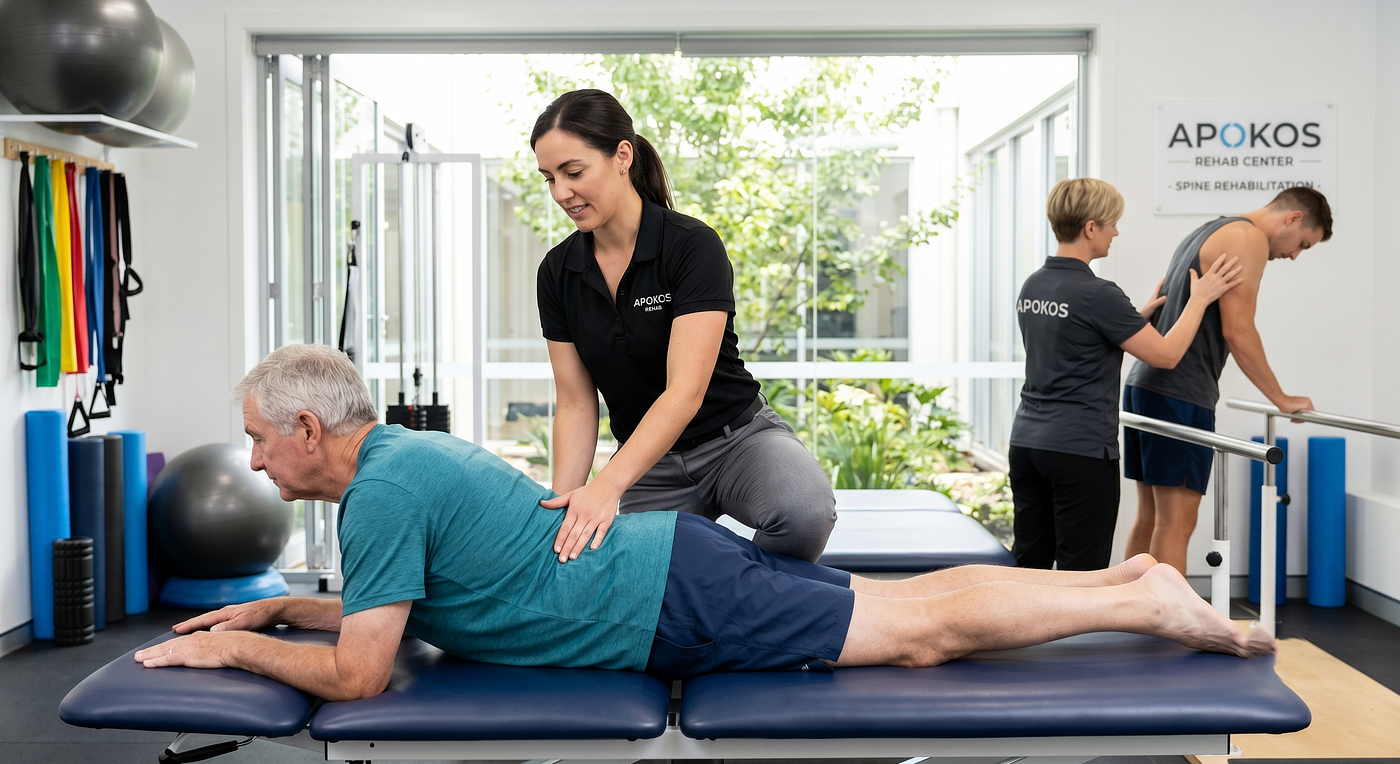
The most visible impact of a stroke is often physical impairment, such as hemiplegia (paralysis on one side) or weakness. Physical therapy is the cornerstone of regaining motor function. Through repetitive, task-specific exercises, patients work on:
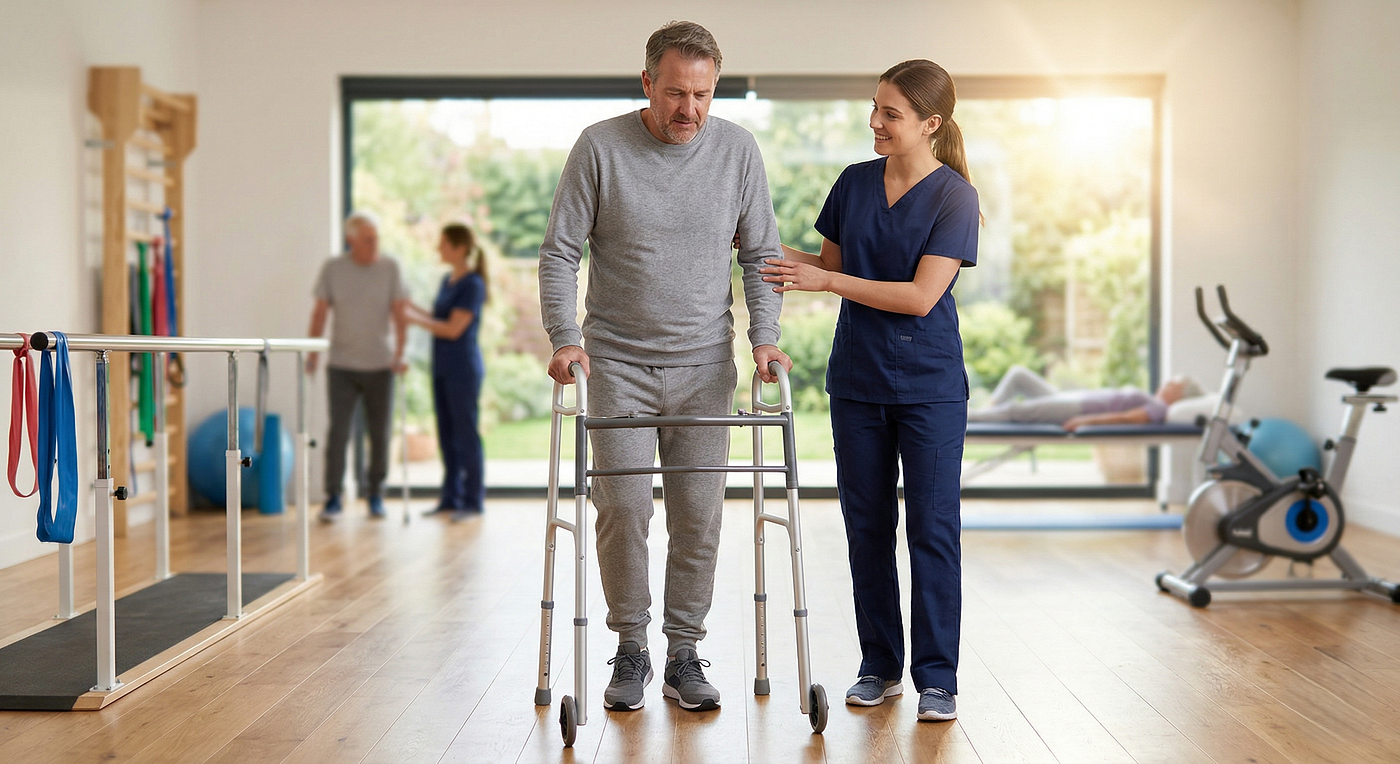
- Mobility Training: Learning to use walking aids or braces and strengthening the muscles required for standing and walking.
- Constraint-Induced Movement Therapy (CIMT): Restricting the “strong” limb to force the brain to recruit the “weak” limb, stimulating neural pathways.
- Range-of-Motion Exercises: Preventing muscle stiffness (spasticity) and ensuring joints remain flexible.
**Occupational therapy** complements this by focusing on Activities of Daily Living (ADLs). This includes retraining the brain and body to handle personal hygiene, dressing, and cooking. Occupational therapists also evaluate the home environment to recommend modifications that ensure safety and accessibility.
Cognitive and Communication Support
When a stroke affects the left side of the brain, it often impacts language — a condition known as aphasia. Speech-language pathologists work with patients to regain the ability to speak, read, and write. Beyond communication, they also play a vital role in treating dysphagia (difficulty swallowing), which is a common and dangerous post-stroke complication.
**Cognitive rehabilitation** is equally vital. Survivors may struggle with memory loss, poor judgment, or shortened attention spans. Through structured cognitive exercises, rehabilitation helps patients develop strategies to manage these deficits, allowing them to navigate daily life with greater confidence.
The Importance of Early Intervention
Time is a critical factor in **stroke rehabilitation**. While recovery can continue for years, the most significant gains are often made in the first three to six months following the event. This “golden window” is when the brain is most receptive to reorganization.
Inpatient rehabilitation facilities, like those offered at Apokos Rehab, provide an intensive environment where patients receive multiple hours of therapy per day. This immersive approach is often more effective than outpatient care alone, as it ensures that every aspect of the patient’s day — from nutrition to sleep — is optimized for recovery.
The Emotional Journey
Recovery is not just physical; it is deeply psychological. Many stroke survivors experience “post-stroke depression” or anxiety due to the sudden change in their abilities and independence. Emotional support, including counseling and support groups, is an essential component of a holistic rehabilitation plan. Acknowledging the mental toll of the journey is the first step in building the resilience needed to push through the challenging days of physical therapy.
Technology in Modern Rehabilitation
The field of rehabilitation is rapidly evolving with the integration of technology. From robotic-assisted walking devices that help patients regain their gait to virtual reality (VR) environments that simulate real-world tasks in a safe setting, technology is making therapy more engaging and measurable. These tools provide real-time feedback, allowing therapists to adjust programs with precision and helping patients see their progress in tangible ways.
Finding the Right Path Forward
The journey of recovery is a marathon, not a sprint. It requires patience, persistence, and a specialized support system. **Choosing a dedicated rehabilitation center **means choosing a partner who understands the complexities of the brain and the tenacity of the human spirit.
At Apokos Rehab, the focus is on providing a compassionate, evidence-based environment where survivors can focus entirely on their recovery. By combining expert medical care with advanced therapeutic techniques, we help patients reclaim their independence and redefine what is possible after a stroke.
If you or a loved one are beginning the transition from hospital to home, remember that the right stroke rehabilitation program is the most powerful tool you have. The road to recovery may be long, but with the right team, every step is a victory.
메타데이터
- post_id
- 9de000f6decd
- slug
- the-road-to-resilience-navigating-the-journey-of-stroke-rehabilitation-9de000f6decd
- url
- https://medium.com/@marketing.apokos/the-road-to-resilience-navigating-the-journey-of-stroke-rehabilitation-9de000f6decd
- canonical_url
- https://medium.com/@marketing.apokos/the-road-to-resilience-navigating-the-journey-of-stroke-rehabilitation-9de000f6decd
- author_url
- https://medium.com/@marketing.apokos
- status
- ok
- fetched_at
- 2026-07-11 08:13:25