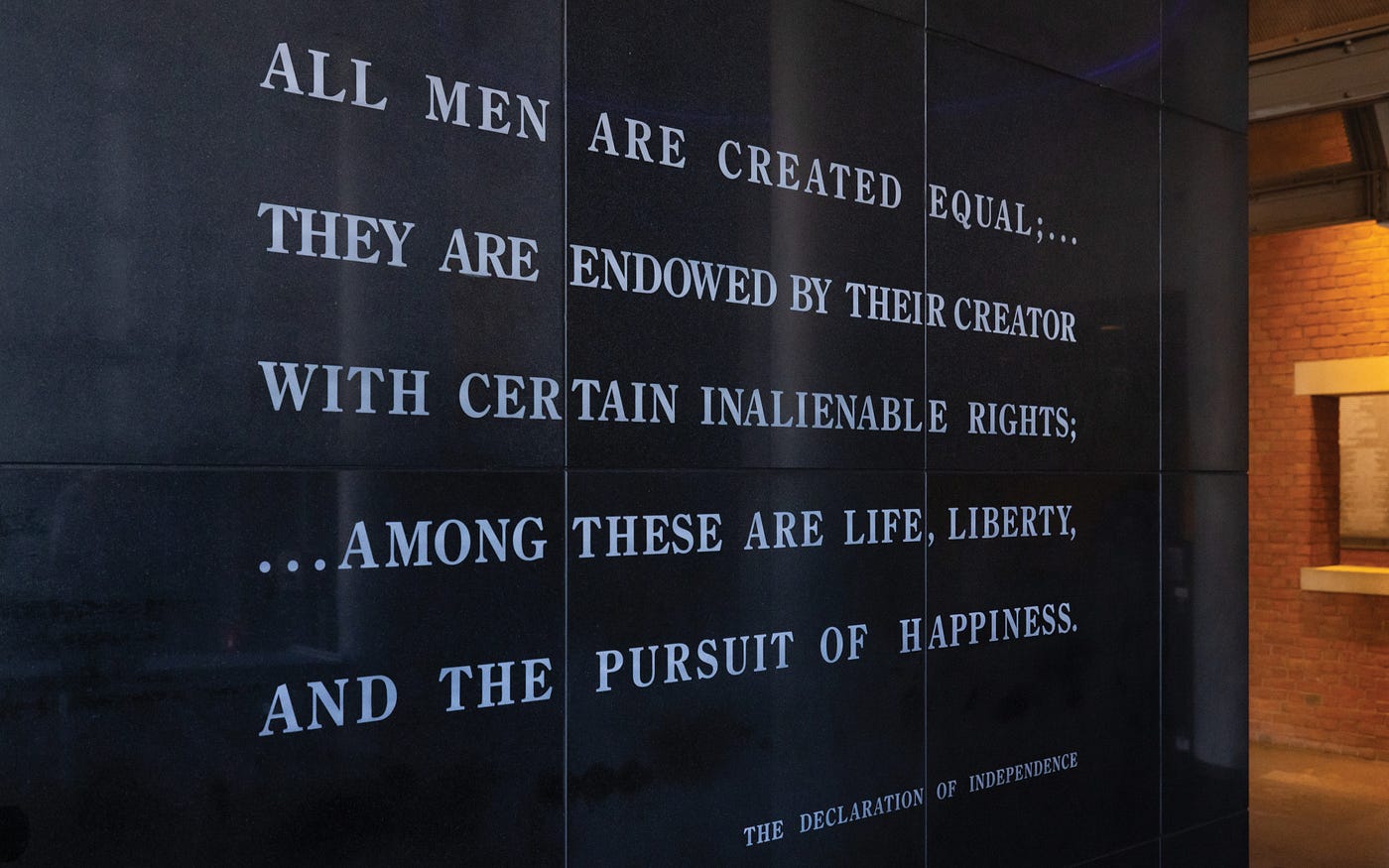
Inside a New Museum Installation: A Holocaust Historian Sheds Light on Antisemitism’s Violent…
In light of the global surge of violent antisemitism, educating the public has never been more important. As one part of our response, the…
Inside a New Museum Installation: A Holocaust Historian Sheds Light on Antisemitism’s Violent Legacy
In light of the global surge of violent antisemitism, educating the public has never been more important. As one part of our response, the Museum recently opened an installation focused on the history of violent antisemitism before, during, and after the Holocaust, including highlighting contemporary events. Its main message: antisemitism targets Jews but it affects all of society.
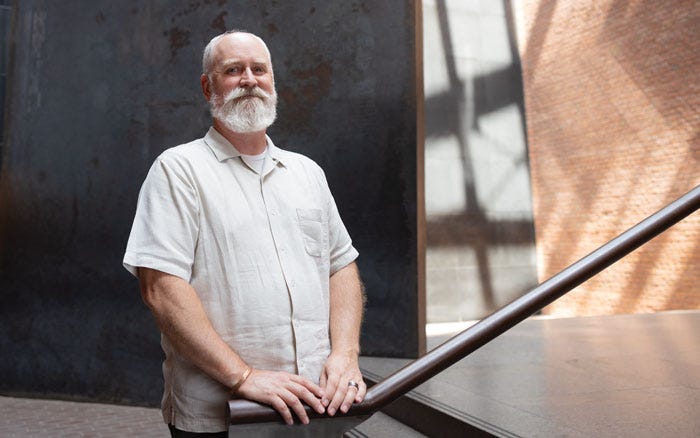
Dr. Daniel Greene, a Museum historian, describes a few takeaways and themes from the installation, which opened to the public in October 2025.

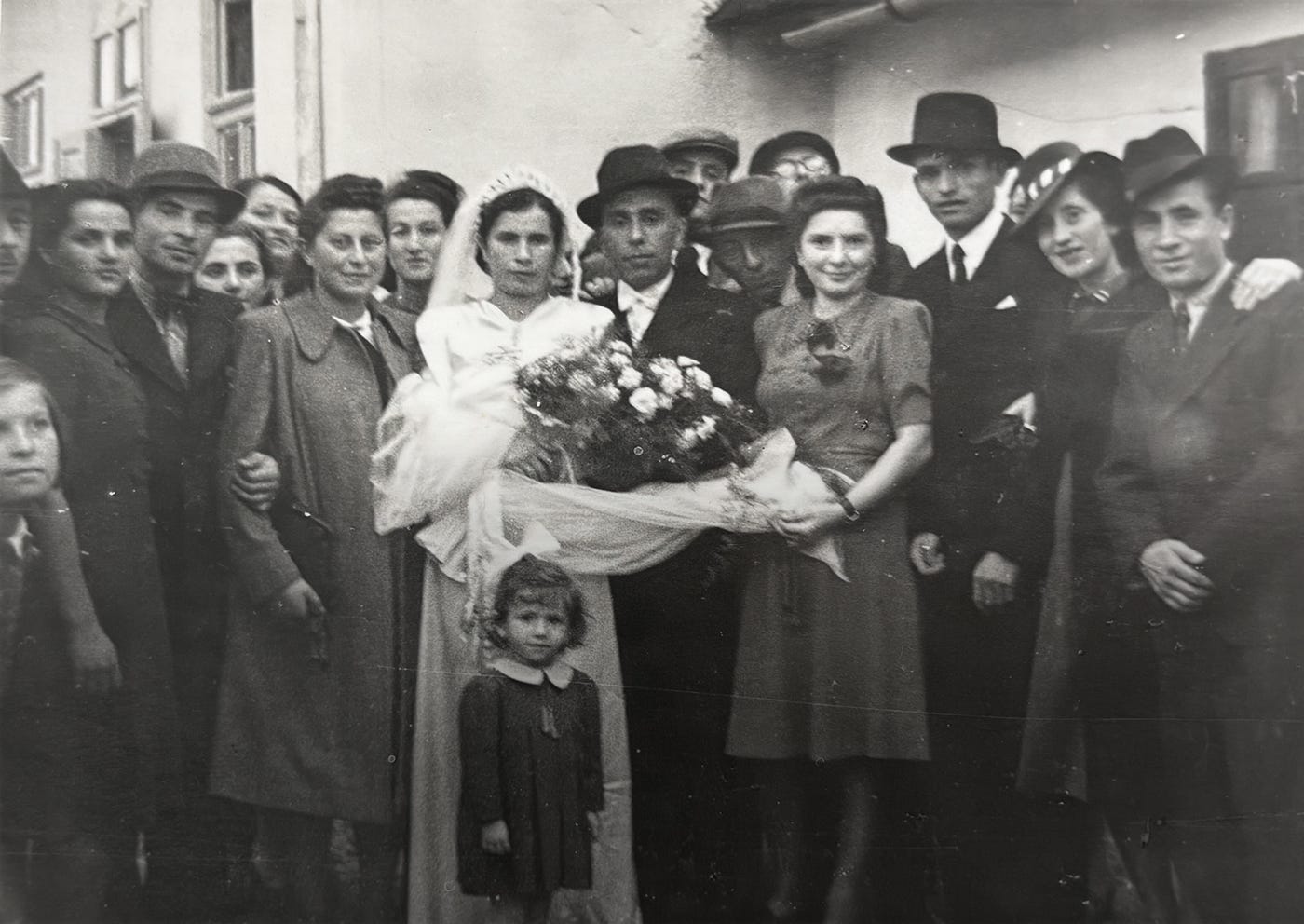
Museum volunteer Susan Warsinger is one of the Holocaust survivors featured in the new installation. “What I hear in their testimony is both intense pain and a warning to people about how antisemitism can manifest in such violent ways,” Greene explains. All photos: Leigh Vogel for US Holocaust Memorial Museum
Q. What does the Museum hope individuals learn from the new installation, *Antisemitism: Ancient Hatred, Modern Violence*?
One of the hopes is that people take away a better understanding of antisemitism — that antisemitism didn’t begin or end with the Holocaust. The Nazis took antisemitism to murderous ends during the Holocaust, and then it didn’t go away afterward.
We’d like people to understand there has been a recent rise in violent antisemitism around the world. One would hope that after the Holocaust, we would live in a world without antisemitism, but we never have.
Q. What does antisemitism look like?
Antisemitism has taken many forms. It’s been a religious prejudice; a social prejudice where Jews were socially excluded from neighborhoods, universities, professions, and more; and for the Nazis, it was racial. They held a belief that Jews were a different race that was infecting the rest of the world. And today, antisemitism often is political. People on the political extremes believe that somehow Jews are secretly controlling world politics.
Throughout history, we’ve seen “it’s the Jews” being used as an explanation for very complex problems. People are drawn to simple explanations, and antisemitic conspiracy theories provide simple explanations to a very complicated world.
While antisemitism resembles other forms of prejudice, it also differs slightly, because it plays on the lie that Jews are all-powerful and controlling of multiple sectors of society, whether those be the media, the banks, culture, world religion, etc. Unlike some other prejudices that demonize people by portraying them as weak, antisemitism can simultaneously depict Jews as both weak and all-powerful.

The installation showcases many versions of “The Protocols of the Elders of Zion,” an antisemitic book used to promote hatred of Jews. The book includes conspiracy theories about alleged global Jewish power and is the most widespread antisemitic publication of modern times.
Q. What are the dangers if antisemitic tropes and conspiracy theories are not addressed or dismissed?
Antisemitism thrives on lies about Jews. In a society where lies about Jews fester and antisemitism goes unchecked, we often see a relatively weak democracy.
Antisemitic lies are often used to first justify prejudice against Jews and ultimately justify violence against Jews. Jews are less safe in environments where lies about Jews go unchecked.
A tolerance of antisemitism can also lead to a tolerance of prejudice and violence against other groups. There are many examples from Holocaust history. Once people are susceptible to lies about Jews, it’s not only Jews who are in danger.
Q. What does the Holocaust teach us about antisemitism and how things could have been different?
The Nazis didn’t come into power in 1933 with a plan to murder all Jews in Europe, but they did come in with antisemitic rhetoric that claimed that Jews were dangerous for Germany and were the enemy of “true Germans.” Nazi leaders said Germany should be a society free of Jews in order to be a healthy society. One of the mottos of Der Stürmer, the antisemitic German newspaper, was “Jews are our misfortune.”

A page from the antisemitic German newspaper “Der Stürmer” featuring the slogan, “Without a solution to the Jewish question, there is no salvation for mankind!” Circa 1935. —US Holocaust Memorial Museum, gift of the Katz family
Nazi propaganda was very effective at separating Jews out of society by demonizing them and delegitimizing their humanity in a way that led to mass murder. It’s a gradual, step-by-step process aided by antisemitism. By studying the Holocaust, we see moments where things could have gone differently had more people been willing to stand up to the demonization of Jews.
Q. One of the lessons we teach is that antisemitism targets Jews but it affects all of society. Could you give an example of that ripple effect?
One of the contemporary manifestations of a conspiratorial lie about Jews is replacement theory. In the United States, replacement theory has focused on a false belief that some secret body of Jews is somehow controlling immigration to let in more minority people, which will allegedly be dangerous to white Americans. This is based on a white supremacist notion that the United States should be a white majority country.
We’ve seen that take violent forms, for example at the Tree of Life Synagogue in Pittsburgh, where 11 Jews were murdered in 2018 by a shooter who believed in replacement theory and wanted to murder Jews who he thought were orchestrating this “replacement.” In the last decade, we’ve seen people who believe in replacement theory become more violent against Jews and other minorities.
Q. How does Holocaust education incorporate lessons about antisemitism?
The Museum is trying to more directly illustrate the dangers of antisemitism, and we need to make sure that antisemitism is central to the way we teach Holocaust history — in the Museum, in classrooms, and online. One of the lessons we emphasize is the importance of speaking up and calling out manifestations of antisemitism. We cannot wait and hope that someone else will do it.
메타데이터
- post_id
- 9de2426232ef
- slug
- inside-a-new-museum-installation-a-holocaust-historian-sheds-light-on-antisemitisms-violent-9de2426232ef
- url
- https://medium.com/memory-action/inside-a-new-museum-installation-a-holocaust-historian-sheds-light-on-antisemitisms-violent-9de2426232ef
- canonical_url
- https://medium.com/memory-action/inside-a-new-museum-installation-a-holocaust-historian-sheds-light-on-antisemitisms-violent-9de2426232ef
- author_url
- https://medium.com/@memoryandaction
- status
- ok
- fetched_at
- 2026-06-12 07:40:50