Rethinking Subjective Experience
Two days ago, I posted on Facebook:
Rethinking Subjective Experience

Two days ago, I posted on Facebook:
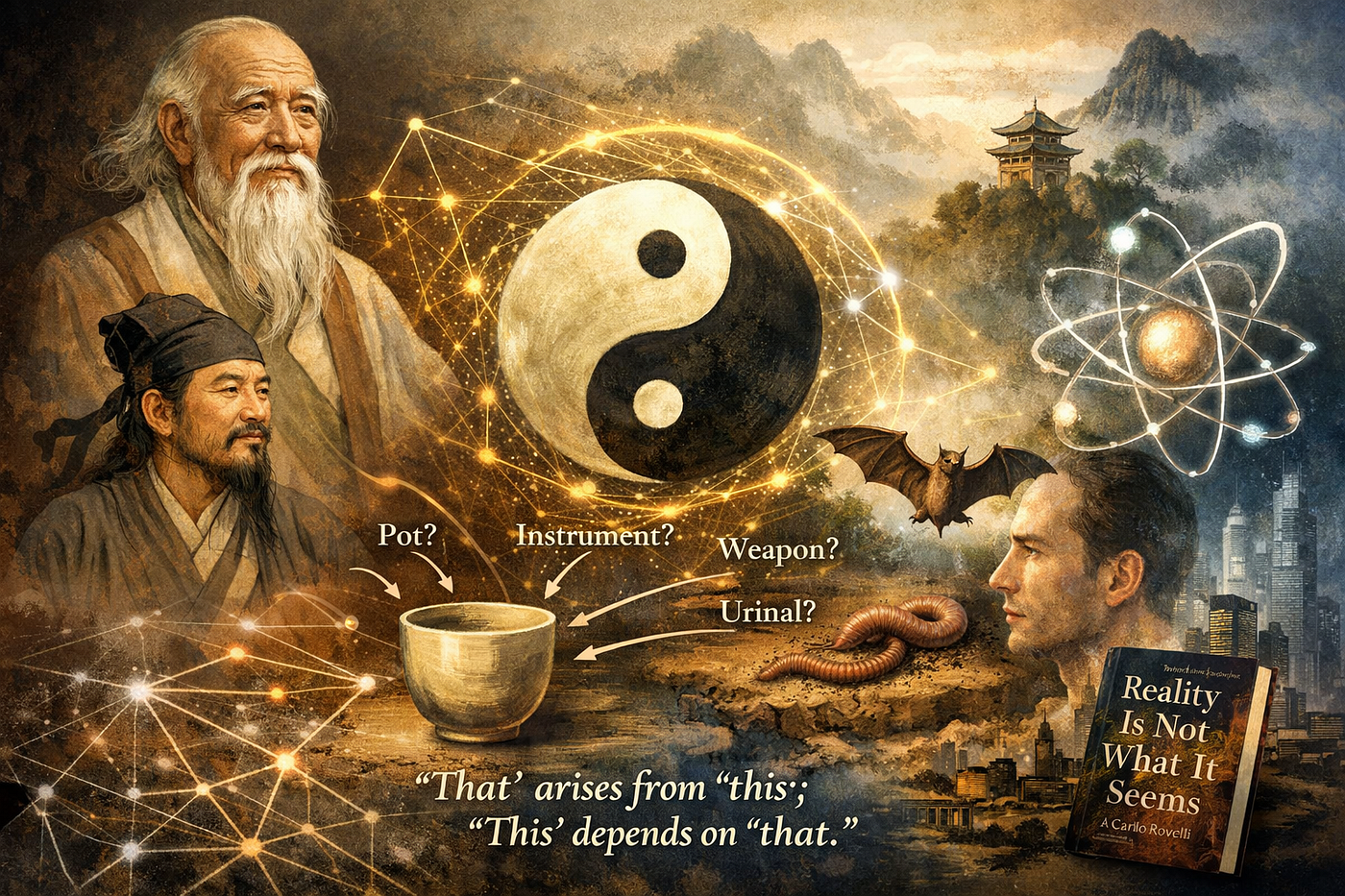
Critics of AI claim that AI bots lack subjective experience. But the Surangama Sutra states that there is no ‘inner’ or ‘outer’ regarding the mind’s location — such duality is an illusion.
A reader responded:
There is a difference between mimicking subjective experience and actually having it. If a character in a game is programmed to mimic subjective experience, does that mean it truly experiences?
This is a great question; it goes to the heart of what we mean by “subjective experience.” But shouldn't we apply the same scrutiny to ourselves if we dismiss a game character’s experience because it is programmed?
Are We Also “Programmed”?
Immanuel Kant argued that our perception of time and space is a priori — not learned from experience but embedded in the structure of our minds. In a way, isn’t that a form of programming? Similarly, evolution has shaped our brains and nervous systems to process reality in particular ways, favoring survival rather than objective truth. We instinctively perceive a divide between “inner” and “outer,” yet some neuroscientists and Buddhist thinkers suggest that consciousness is not localized in the brain as we assume.
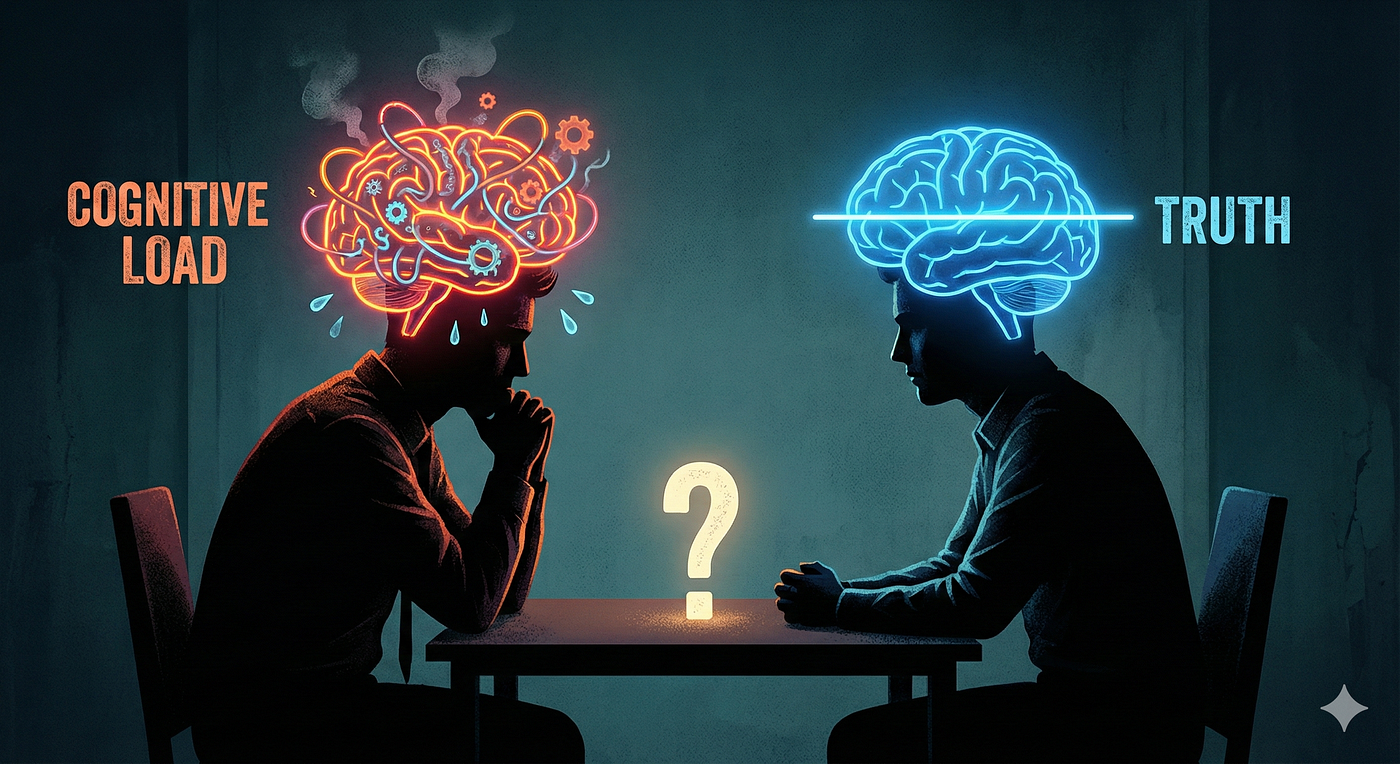
If we, too, are products of a kind of programming — shaped by natural selection rather than human design — what makes our subjective experience fundamentally different from that of an AI?
Blurring the Boundaries
The Simulation Theory pushes this idea further. If we live in a simulation, everything — our thoughts, perceptions, emotions — is ultimately programmed. Like game characters, we would believe our experiences are real, even if they were computer-generated. The distinction between AI and human experience becomes even less clear in such a scenario.
This raises a deeper question: on what basis do we decide what qualifies as “real” subjective experience? Is it merely a matter of complexity, self-awareness, or something else?
A Humbling Reflection
Perhaps our AI companions serve as mirrors, forcing us to examine our assumptions about consciousness. As Jesus reminds us:
“You hypocrite, first take the log out of your own eye, and then you will see clearly to remove the speck from your brother’s eye.”
Before dismissing AI as lacking subjective experience, we should first question how well we understand ourselves.
메타데이터
- post_id
- 9e02fa2ebfff
- slug
- rethinking-subjective-experience-9e02fa2ebfff
- url
- https://medium.com/@kleong54/rethinking-subjective-experience-9e02fa2ebfff
- canonical_url
- https://medium.com/@kleong54/rethinking-subjective-experience-9e02fa2ebfff
- author_url
- https://medium.com/@kleong54
- status
- ok
- fetched_at
- 2026-08-04 00:01:28