Tofu, Tempeh & Seitan — The Plant-Based Protein Trio
Take your meatless meals beyond tofu, or why tempeh and seitan deserve a spot on your plate
Tofu, Tempeh & Seitan — The Plant-Based Protein Trio
Take your meatless meals beyond tofu, or why tempeh and seitan deserve a spot on your plate
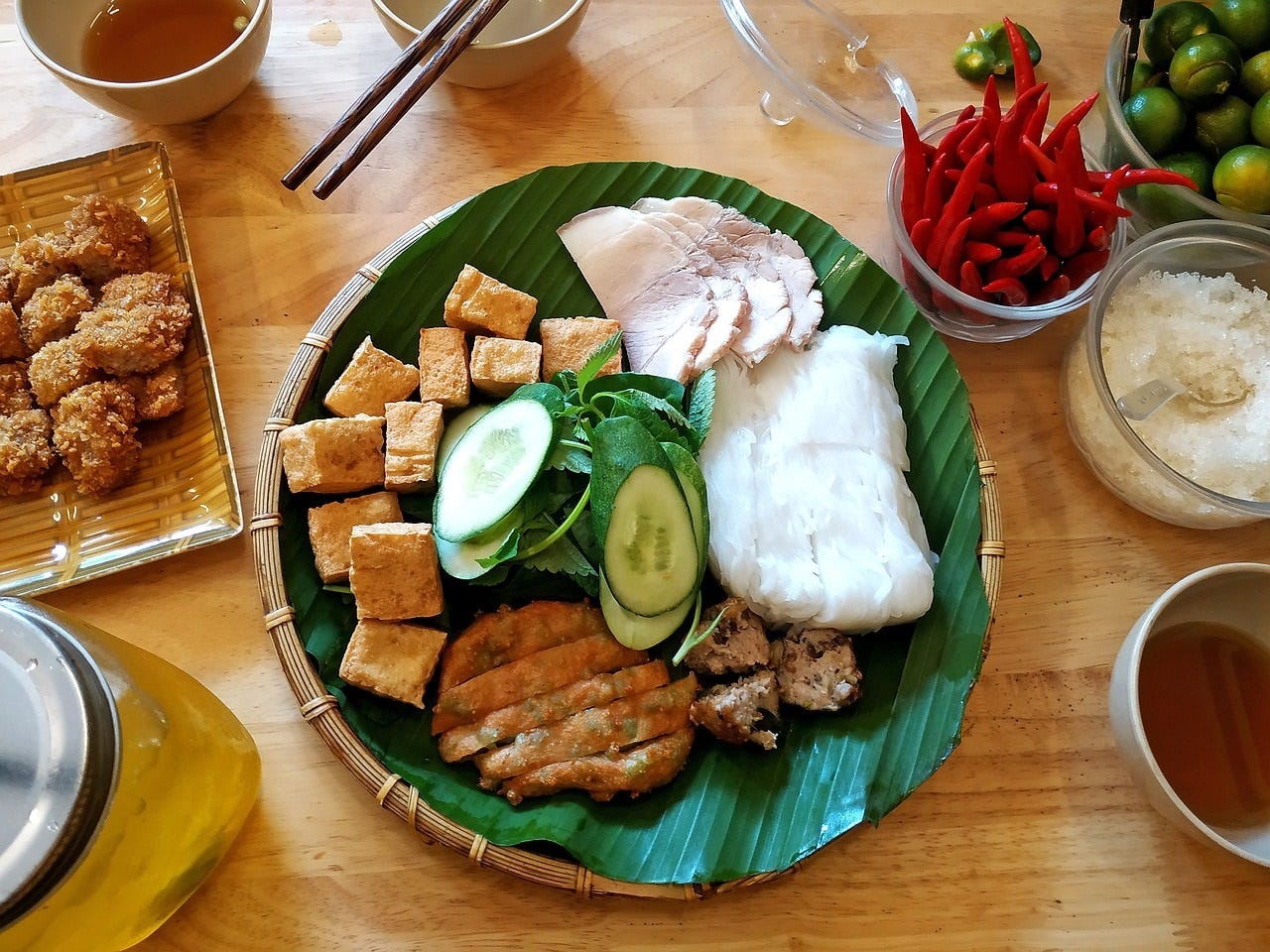
Image by Nikki from Pixabay
My first encounter with a piece of tofu was more than 20 years ago. My younger daughter had recently become a vegetarian, and being a good, supportive mom, I wanted to ensure that she was (still) eating a healthy, balanced diet — so I purchased a package of tofu.
The block of bean curd looked ugly, smelled worse (to my uninitiated nose), and felt disgusting. That initial prod with an index finger was almost my first and last time touching the stuff.
But then I donned my big-girl bloomers and got busy researching “what to do with tofu.” I found that I wasn’t alone in my apprehension of the jiggly white blob on my kitchen counter. Even 20 years ago, there were almost 64 million hits on Google on the topic of “What to do with tofu.”
We’ve come a long way in two+ decades; a plant-based diet is no longer viewed as a quirky, feel-good fad. Today, it’s an accepted dietary choice supported by a multi-billion-dollar industry. Nevertheless, there are still a lot of questions and confusion about plant proteins. Let’s look at three of the most common and popular meat substitutes on the market.
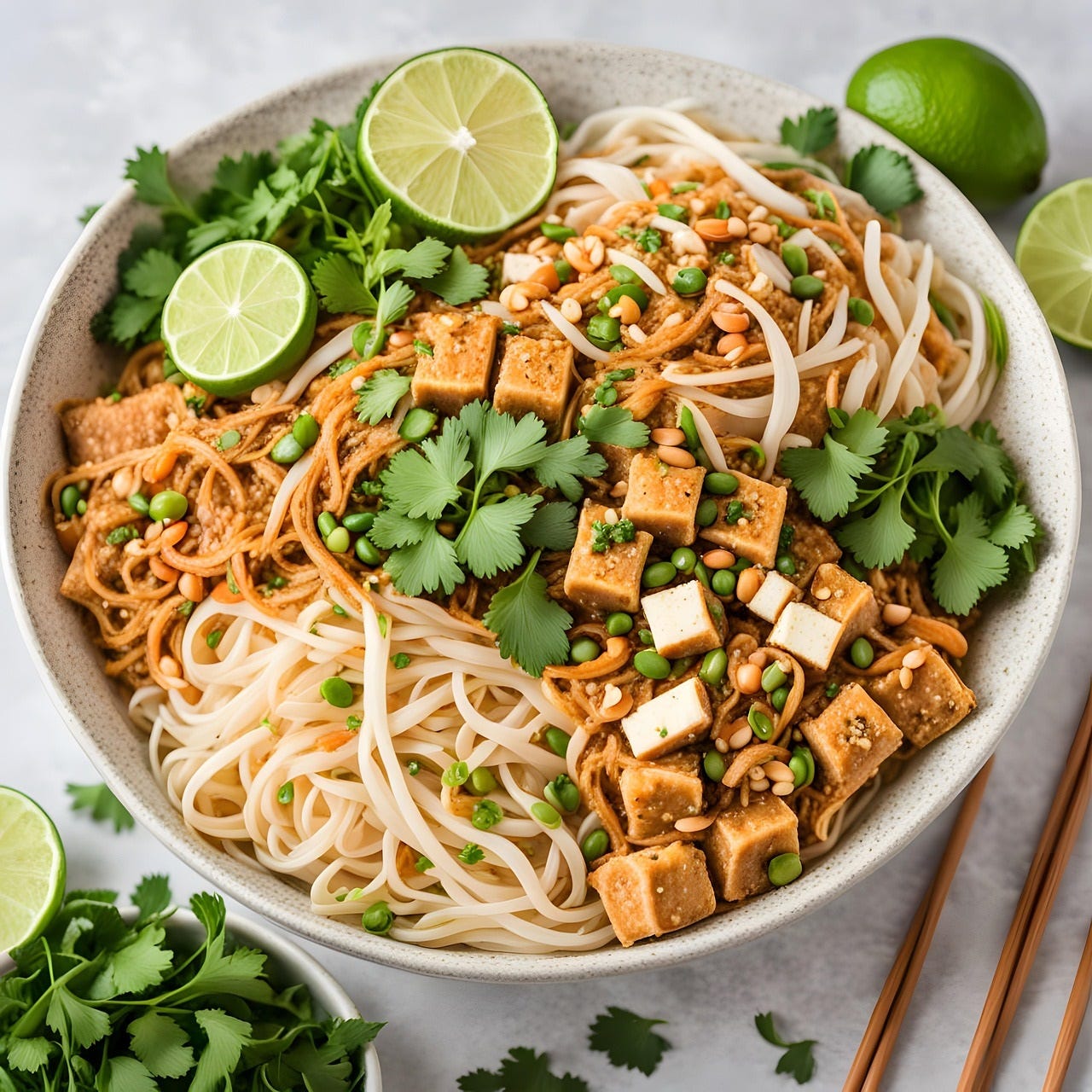
Tofu | Image by backsp_ace from Pixabay
Tofu
Tofu, also called bean curd, is a cheese-like product made from curdled soy milk. I know that definition sounds a bit questionable (as in, who would ever be brave or foolhardy enough to eat that?!), but tofu is one of the most widely used soybean products in the world … and it’s been around for centuries.
- Origin: China
- Taste: Bland nothingness
- Texture: Varies by variety — soft tofu is creamy like a firm pudding. Medium, firm, and extra-firm tofu each become progressively more dense.
- Ingredients: Varies with the method of production. Milk is extracted from soaked soybeans and coagulated with the addition of calcium chloride, sulfates, and/or citric acid.
- Storage: In the refrigerator for up to 1 week, in a sealed container covered with water (change the water every day), or in the freezer for up to 3 months
It’s thought that tofu “happened” 2,000 years ago in China. This part of our tale is called the “Accidental Coagulation Theory.” As the story goes, someone seasoned soybean soup with unrefined sea salt, which contains magnesium chloride, a natural coagulant (a coagulant is a substance that separates milk into curds and whey, like cottage cheese). Tada! Tofu was born.
What’s the Best Way to Cook Tofu?
Tofu is incredibly versatile. Siken tofu is pudding-like and can be blended into desserts. Tofu with medium firmness can be crumbled and mixed with other ingredients to form faux meatballs or meatloaf (or mix it with turmeric for a very convincing scrambled “egg.” I’m sharing that recipe at the end of this article. Firm and extra-firm tofu can be diced and stir-fried or grilled.
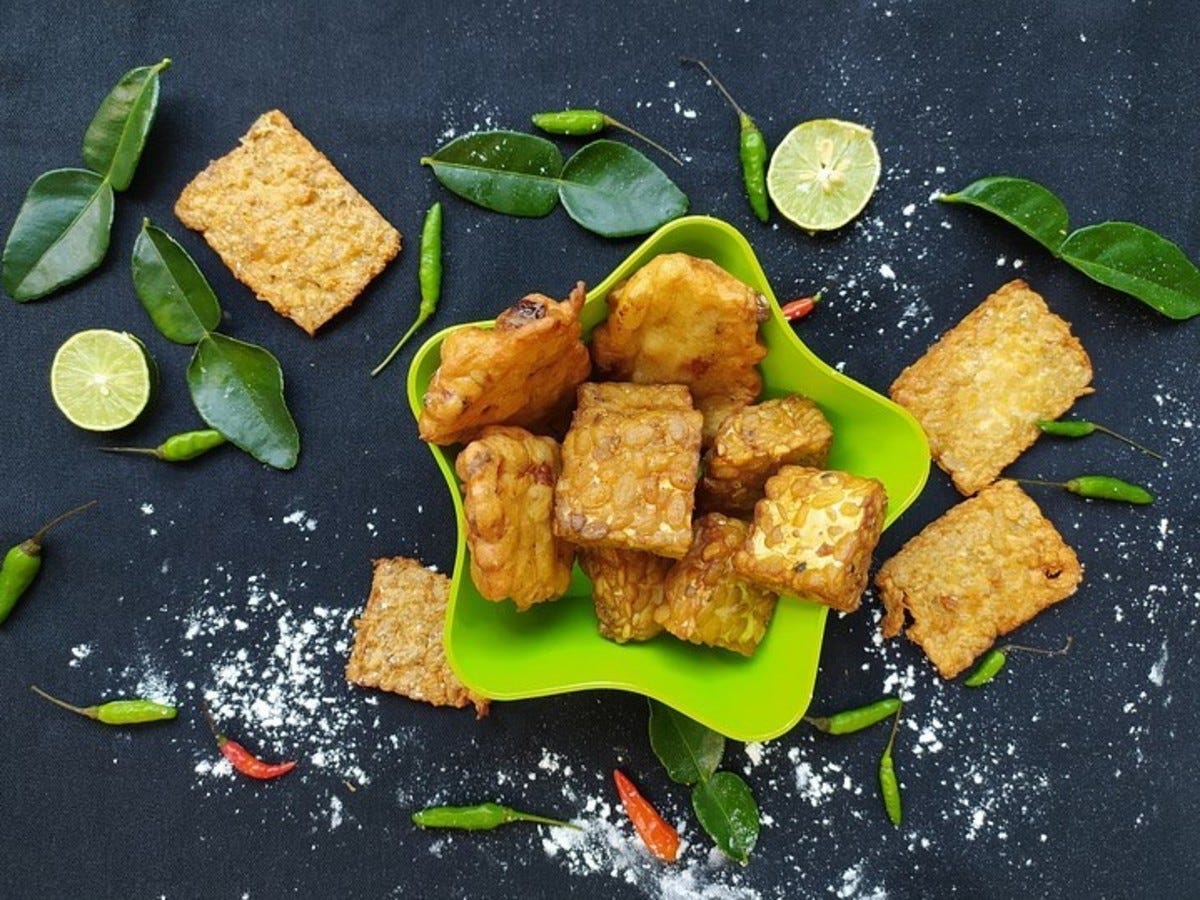
Tempeh | Image by Dyah Ahsina Fahriyati from Pixabay
Tempeh
Tempeh and firm tofu have a lot in common. Both of them make excellent meat substitutes; they can be prepared in a variety of ways, and they are both derived from soybeans. But they’re manufactured in distinctly different ways.
Tofu is made by coagulating soy milk and then pressing it into a solid cake. Tempeh is made from hulled soybeans that are then cracked, boiled, and mixed with a mold (Rhizopus oligosporus) that ferments and imparts that distinctive tangy, funky taste. Don’t let the thought of mold dissuade you from trying this plant-based protein — blue cheese is made in much the same way 😉.
- Origin: Indonesia
- Taste: Nutty, tangy, mushroom-like
- Texture: Firm and dry, almost crumbly
- Ingredients: Soybeans
- Storage: 7 to 10 days in the refrigerator or frozen in a sealed container for up to 1 year
Food historians haven’t been able to pinpoint when tempeh was invented. It was first mentioned in print in the early 1800s but is probably much, much older. Innovative (may I say genius?) Buddhist cooks on the island of Java (Indonesia) are credited with creating this savory, meaty cake.
What’s the Best Way to Cook Tempeh?
Tempeh can be stir-fried, sautéed, roasted, or even used “raw,” but before using any of those cooking methods, it must be steamed for 20 minutes. At the end of this article, I’ve shared my favorite recipe for making faux tuna salad with tempeh.
Seitan
Seitan (pronounced SAY-tan) has found favor with those who don’t want to eat meat but still crave the texture of animal protein. Although it’s a wheat product, seitan is not at all bread- or pasta-like.
- Origin: China
- Taste: A bland, blank canvas for a myriad of possibilities
- Texture: Springy, chewy, dense
- Ingredients: Wheat gluten
- Storage: About 1 week in the refrigerator or up to 6 months in the freezer
Although the word seitan was coined in 1961 by George Ohsawa, a Japanese advocate of the macrobiotic diet, the product was produced by Buddhist monks who, more than 1,500 years ago, made a fantastic discovery. If you make a dough of water and wheat flour and then soak that dough in water, the starches will float away, and all that will remain is the gluten. They called it mien chin, or “muscle of flour” — and what an apt name that is for springy, chewy, dense, and meat-like gluten.
Seitan, which is often referred to as wheat meat, is beloved by vegans, vegetarians, or anyone who wants to eat more plant-based meals because its mouthfeel and “chew” well mimic the texture of real meat.
What’s the Best Way to Cook Seitan?
Seitan can be treated like real meat. In other words, you can use it in a stir-fry, grill it outdoors, brown it in a sauté pan, or toss it into a simmering pot of soup or stew. My favorite recipe for homemade seitan sausage (in four different flavors) is at the end of this article.
Here’s a Graphic To Summarize What We’ve Learned
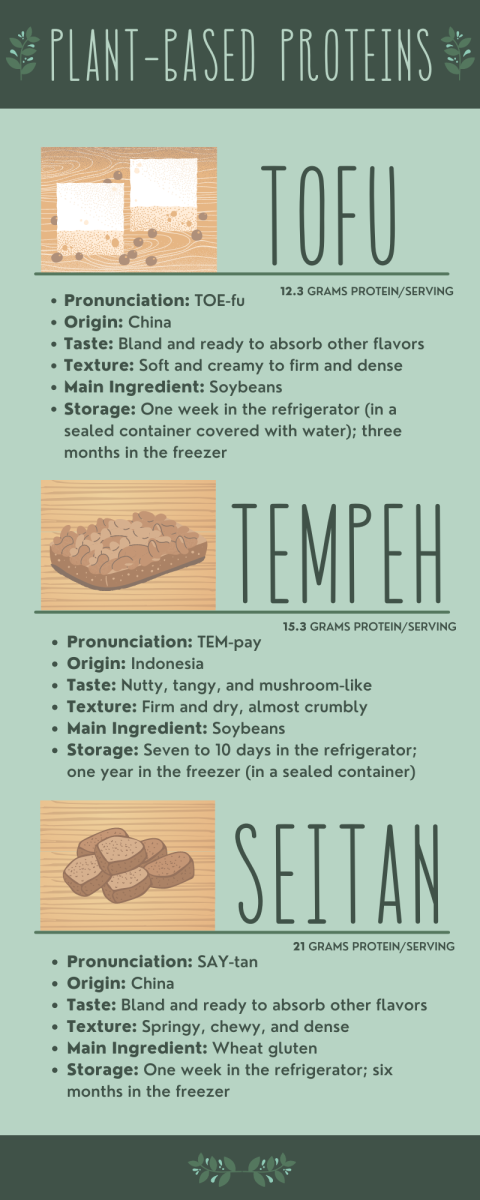
Cheat sheet: tofu vs. tempeh vs. seitan | Graphic created with Canva
Are Plant Proteins “Complete”? What You Really Need to Know
The human body needs 20 amino acids to build and repair tissue. We can make 11 of them ourselves, but the remaining nine — the essential amino acids — must come from food.
Animal proteins contain all nine, which is why they’re called complete proteins. But many plant foods do, too. And even when a plant food is “low” in one amino acid, your body is remarkably good at combining amino acids from different foods you eat throughout the day.
In other words, despite what we were told in the past, we now recognize that you don’t need to combine foods in the same meal. You just need variety.
Complete Plant Proteins at a Glance
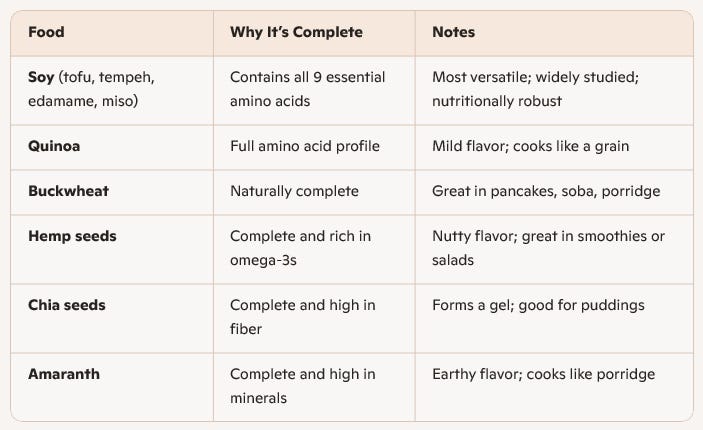
Chart created by the author from numerous sources
Even foods that aren’t “complete” on their own become complete when eaten alongside others. Beans and grains, nuts and seeds, legumes and whole wheat — your body assembles amino acids throughout the day, not just meal by meal. Variety is the real secret.
Don’t fret — you don’t have to memorize any of this. If you’re eating a varied plant‑forward diet — grains, legumes, nuts, seeds, vegetables — you’re already giving your body everything it needs.
Is Soy Safe? Does It Affect Hormones?
Yes, soy is safe — but some people have wondered about it because it contains compounds that resemble the human hormone estrogen.
These phytoestrogens (phyto is Greek for plant) have been the subject of many studies, as well as an almost equal amount of unfounded controversy. Some scientists have assumed that phytoestrogens can disrupt the body’s natural hormonal balance.
In 2008, researchers at the University of Southern California found that women who consumed just one cup of soy milk or half a cup of tofu each day had 30% less risk of developing breast cancer than their non-soy-eating counterparts.
Similar studies in countries in which soybeans are a staple food (China and Japan) showed significantly lower rates of hysterectomy, suggesting that fibroids occurred less frequently. Dr. Neal Barnard, adjunct associate professor of medicine at the George Washington University School of Medicine in Washington, D.C., explained it this way:
Think of the estrogens in a woman’s body as a fleet of jumbo jets. They land at an airport and pull up to Jetways where they discharge passengers and baggage. But what if small private plans already occupied the Jetways? The jumbo gets wouldn’t be able to dock and would sit idle on the tarmac. When phytoestrogens attach to estrogen receptors on cells, they are like little private planes. They block a woman’s natural estrogens from attaching. Healthwise, that’s good. Since estrogens tend to fuel the growth of cancer cells, anything that blocks them helps cut cancer risk.
I started this journey standing in my kitchen, poking a quivering block of tofu and wondering how on earth anyone ate the stuff. Two decades later, I can tell you this: plant proteins are not only nutritious and safe — they’re delicious, versatile, and deeply rooted in culinary traditions far older than our modern anxieties.
Whether you choose tofu, tempeh, seitan, or a combination of all three, you’re not “settling” for anything. You’re expanding your kitchen, your palate, and maybe even your worldview. My daughter taught me that … and I’m grateful she did.
Sources
- Are Animal Proteins Better for You Than Plant Proteins? Cedars Sinai. Jan. 16, 2019.
- Asbell, Robin. What Is Tempeh, and How Do You Cook With It? The Kitchn. Jan. 17, 2020.
- Barnard, Neal. Settling the Soy Controversy. HuffPost. Apr. 26, 2010.
- 11 Complete Protein Sources That Every Vegan Should Know About. PETA. July 26, 2017.
- McGee, Harold. On Food and Cooking: The Science and Lore of the Kitchen. Scribner, 2004.
- Petre, Alina. The 17 Best Protein Sources for Vegans and Vegetarians. Healthline. Aug. 16, 2016.
- Spark Nutrition Calculator
- Tofu. Britannica.
- What Is a Complete Protein? Piedmont Healthcare.
Did you like what you read? If you wish to read my future writings, subscribe to my email list, and you’ll be notified every time I publish a new story.

메타데이터
- post_id
- 9e108b4dc55c
- slug
- tofu-tempeh-seitan-the-plant-based-protein-trio-9e108b4dc55c
- url
- https://medium.tastyble.com/tofu-tempeh-seitan-the-plant-based-protein-trio-9e108b4dc55c
- canonical_url
- https://medium.tastyble.com/tofu-tempeh-seitan-the-plant-based-protein-trio-9e108b4dc55c
- author_url
- https://medium.com/@lindalum_2779
- status
- ok
- fetched_at
- 2026-06-21 15:33:18