# Despair and Cancer: Is the Connection Real? And How Do We Transform Pain into Hope?
# Despair and Cancer: Is the Connection Real? And How Do We Transform Pain into Hope?
# Despair and Cancer: Is the Connection Real? And How Do We Transform Pain into Hope?

Despair and Cancer: Is the Connection Real? And How Do We Transform Pain into Hope?
The Scientific Truth Behind the Link Between Chronic Psychological Distress and Cancer, and Practical Pathways to Reclaiming Hope
— -
Introduction: The Heavy Companion
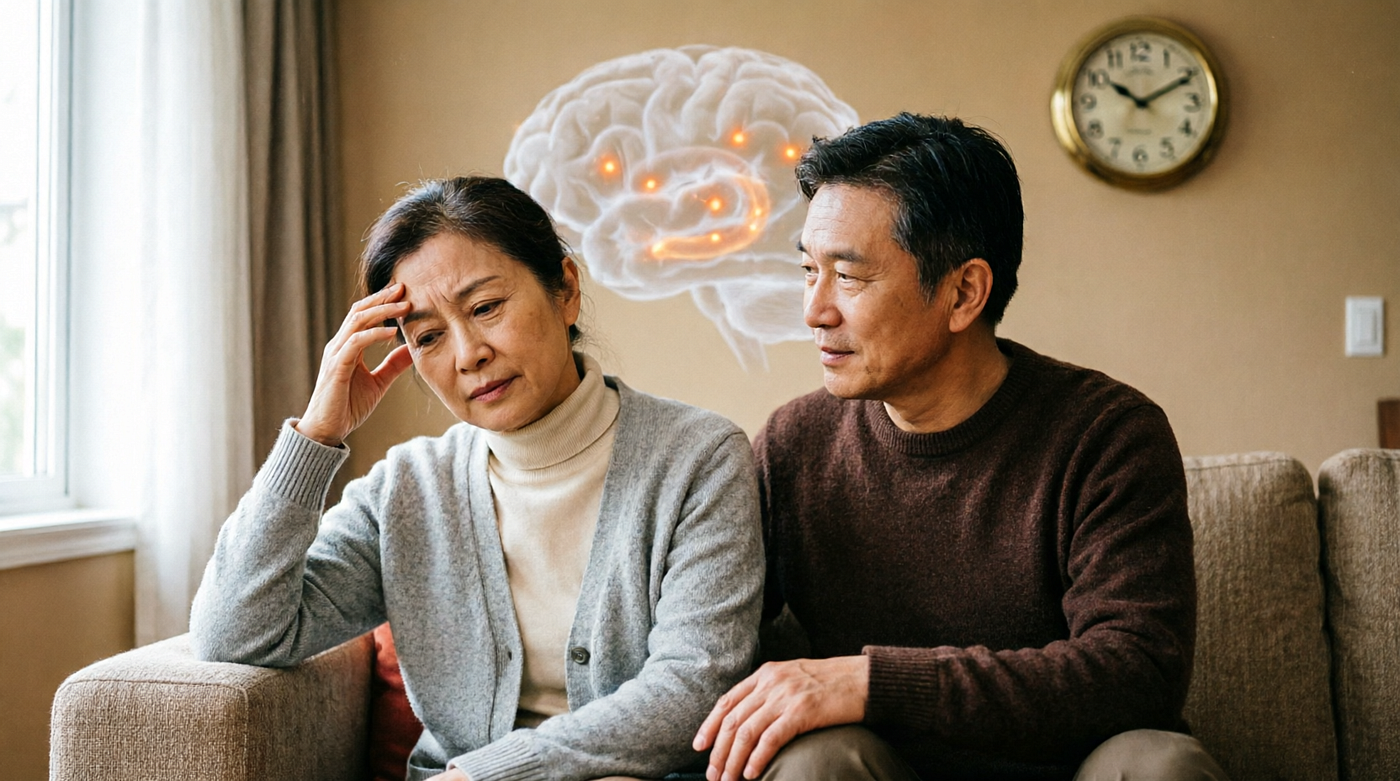
In life’s journey, psychological pain is a heavy companion for every human being, but it becomes even heavier when linked to a life-threatening illness like cancer. Many wonder: Can deep feelings of despair actually cause cancer or accelerate its progression? This question represents a mixture of fear and the search for an explanation for suffering that sometimes seems without justification. The scientific truth revealed by research offers us a more precise and complex picture. Rather than a direct causal relationship, we find ourselves facing an intricate web of reciprocal influences between psychological state and the physical body — what is now known as the concept of “psychological distress” and its impact on the disease trajectory. In this article, we dive deep into the relationship between despair and cancer, reviewing the latest research findings, and offering a practical roadmap for overcoming this debilitating feeling and reclaiming hope and inner strength.

The Truth About the Relationship Between Despair and Cancer: Separating Cause from Effect
It is important, first and foremost, to clarify a fundamental point: There is no definitive scientific evidence proving that despair or psychological stress directly causes cancer. Cancer is a complex disease resulting from interactions between genetic, environmental, and lifestyle factors, with cellular mutations being the core foundation of the disease.
However, scientific research points to a significant relationship between chronic psychological distress and disease progression. Despair is not merely a fleeting feeling; it is a state of “loss of hope and meaning” that makes a person feel trapped in their ordeal, unable to cope. This feeling, scientifically known as “demoralization syndrome,” negatively affects quality of life, increases physical symptoms and sleep disturbances, and may even be associated with suicidal thoughts.
How does this effect occur? The answer lies in a precise biological mechanism. When a person lives in a state of chronic stress and despair, their body releases large amounts of stress hormones such as cortisol and adrenaline. This imbalance in the endocrine system and the sympathetic nervous system negatively affects the efficiency of the immune system, potentially weakening the body’s natural ability to fight cancer cells or hinder their growth. In other words, despair does not create the disease, but it may prepare the internal environment of the body to be less capable of resisting it.
Despair as a Symptom of the Cancer Journey: A Vicious Cycle

In the context of cancer patients, despair does not appear as a cause, but rather as an understandable psychological response to facing a life-threatening diagnosis, harsh treatments, and an uncertain future. Research shows that a significant percentage of patients, ranging from 13% to 52%, experience clinical levels of frustration and despair at some point during their illness journey. Physical pain, exhausting treatment side effects, feelings of loneliness, and loss of control over life — all these factors fuel feelings of hopelessness.
This despair forms a dangerous vicious cycle: despair weakens motivation to adhere to treatment, exacerbates physical symptoms, reduces quality of life, and this in turn deepens feelings of despair. Studies have shown that patients suffering from demoralization are more susceptible to other psychological disorders such as depression and anxiety, and have higher risks of self-harm or suicidal thoughts, even after excluding the effect of depression. This confirms that despair is not merely a passing mood, but a serious indicator of the critical need for specialized psychological support.
— -
Practical Strategies to Overcome Despair and Reclaim Hope
If despair forms part of the challenges of illness, then hope, conversely, is a therapeutic force not to be underestimated. Hope is defined as the ability to set goals, chart paths to achieve them, and possess the will to walk these paths. Hope is not a denial of reality, but a tool for adaptation and coexistence with it. Fortunately, hope is a skill that can be learned and strengthened through practical strategies proven to be effective.
First: Direct Psychological Confrontation (Seeking Professional Help)
The first and most important step is acknowledging that negative emotions are a natural part of the journey, and seeking help is not weakness but strength. Psychological therapy, especially Cognitive Behavioral Therapy (CBT) , is one of the most effective methods in supporting cancer patients. This type of therapy focuses on:
- Modifying negative thoughts: Helping the patient identify and change unrealistic or catastrophic thoughts that fuel despair.
- Behavioral activation: Gradually encouraging the patient to engage in enjoyable and meaningful activities, no matter how small, to break the cycle of negativity and isolation.
- Relaxation techniques and mindfulness: Learning to calm the mind and body through breathing exercises, meditation, and visualization techniques that reduce stress and improve mood.
Second: Building Bridges of Hope (Social and Community Support)
Humans are social beings, and their relationships are the mirror of their hope. Strong social support is a crucial factor in enhancing hope and resisting despair. This support comes in multiple forms:
- Family and friends: Simply having someone who listens, who shares the patient’s feelings without judgment, makes a tremendous difference.
- Support groups: Meeting people who have gone through similar experiences reduces feelings of loneliness and provides living models of coping and success.
- Community as medicine: There is a modern trend in healthcare known as “community as medicine,” where group sessions are organized combining health education, physical exercise, and psychological support, enhancing the sense of belonging and collective strength.
Third: A Lifestyle that Builds Resilience (Behavioral Changes)
Overcoming despair is not limited to psychological therapy alone; it extends to encompass the entire lifestyle. Small changes in daily routine can have a significant cumulative impact on both mental and physical health:
- Physical activity: Practicing walking, yoga, or light exercise, even for short periods, improves mood, reduces anxiety and depression, and boosts energy.
- Healthy nutrition: Following a balanced diet rich in vegetables, fruits, and whole grains supports physical health, thereby improving the ability to face treatment challenges.
- Adequate sleep: Improving sleep quality through a relaxing bedtime routine helps the body recover and reduces symptoms of fatigue associated with illness and treatment.
Fourth: Redefining Life and Purpose (Searching for Meaning)

Perhaps the deepest challenge is facing the existential questions that illness raises. Here emerges the role of meaning-centered therapy, which helps the patient rediscover their purpose and value in life, even in the face of pain. This does not mean ignoring suffering, but integrating it into a larger, more meaningful life story. In this context, hope does not stem from denying danger, but from faith in the value of the present moment, the power of human relationships, and the ability to give and share despite everything.
— -
Conclusion: From Despair to Strength
Despair and cancer are not two sides of the same coin; rather, they are parallel paths that may intersect. Despair is not a final verdict; it is a call to action, a cry that demands a response. Through scientific understanding of the mind-body connection, utilizing modern psychological therapies, building strong support networks, and adopting a healthy lifestyle, despair can be transformed into a driving force for change. True hope does not lie in waiting for survival, but in creating a meaningful life in every moment of the journey, no matter how difficult.
books in “ https://sites.google.com/view/read-book-bravely-/home"
books in “https://sites.google.com/view/payhipbooks-discount/home"
with code “memo” with 50%
tags ** Despair, Cancer, Psychological Distress, Demoralization Syndrome, Hope, Psychotherapy, Social Support, Lifestyle, Mental Health, Psycho-Oncology.
메타데이터
- post_id
- 9e72ec3b3d2b
- slug
- despair-and-cancer-is-the-connection-real-and-how-do-we-transform-pain-into-hope-9e72ec3b3d2b
- url
- https://medium.com/@mohamadtaha24b/despair-and-cancer-is-the-connection-real-and-how-do-we-transform-pain-into-hope-9e72ec3b3d2b
- canonical_url
- https://medium.com/@mohamadtaha24b/despair-and-cancer-is-the-connection-real-and-how-do-we-transform-pain-into-hope-9e72ec3b3d2b
- author_url
- https://medium.com/@mohamadtaha24b
- status
- ok
- fetched_at
- 2026-08-27 18:17:59