Interview: Dan Mangan Sheds Some ‘Natural Light’ at The Parlour
Based in Vancouver, Dan Mangan is an incredibly talented songwriter who has a forward-thinking approach to his craft. This is evident…
Interview: Dan Mangan Sheds Some ‘Natural Light’ at The Parlour

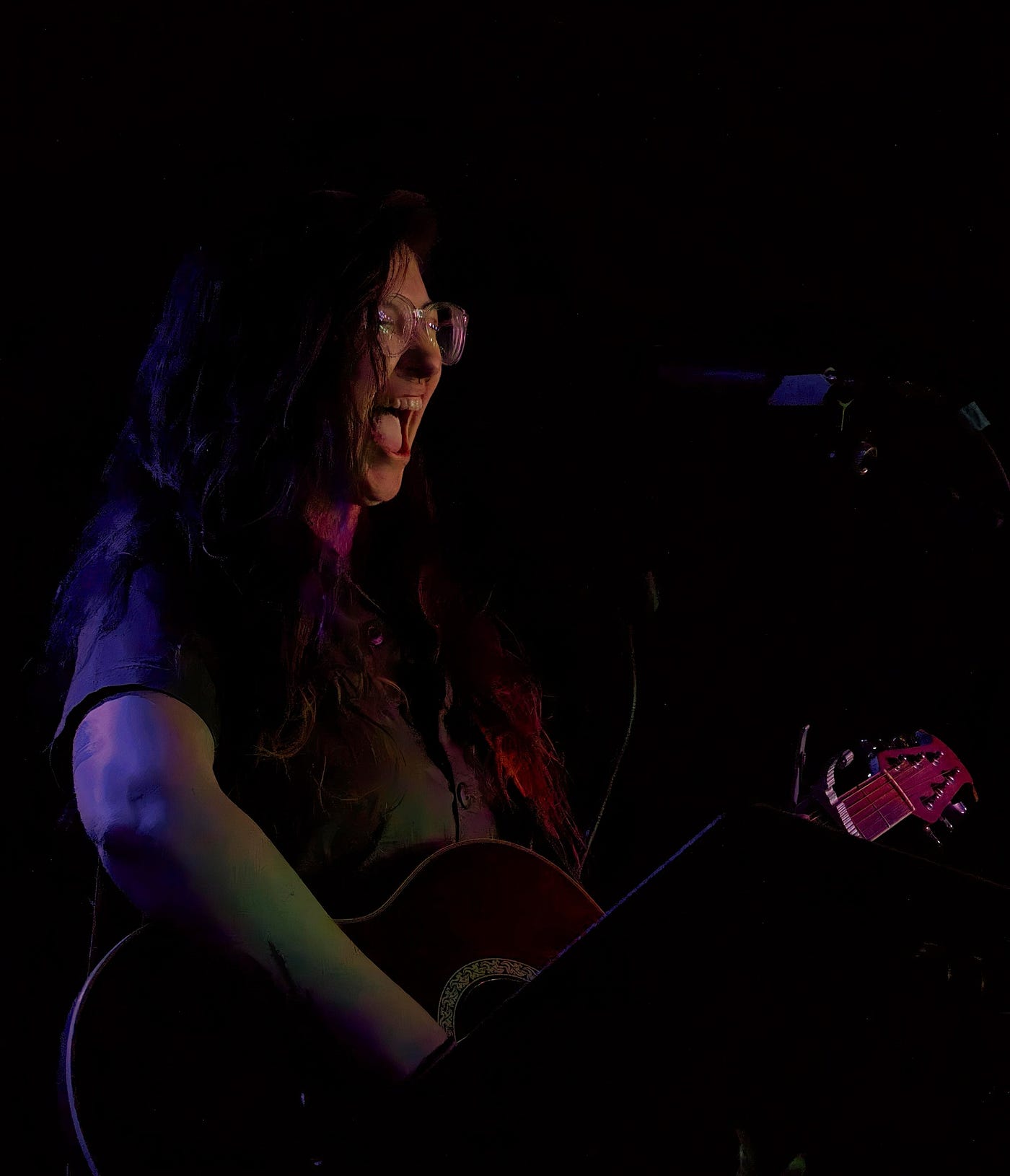
Dan Mangan (Photo by Zachary Vague)
Based in Vancouver, Dan Mangan is an incredibly talented songwriter who has a forward-thinking approach to his craft. This is evident through his prolific amount of material that he’s amassed for a little over the past two decades, as well as the way his poetic lyrics meld with his skills on a six-string. He’s also known for doing a lot of touring, and he has a show coming up in Providence on April 23. It’s taking place at The Parlour located on 1119 North Main Street, and it promises to be an engaging experience for anyone who attends. Philadelphia singer-songwriter Matt Pond will be kicking off the evening at 7pm.
Mangan and I recently had a talk about his most recent album, how it’s difficult these days for up and coming artists and small venues, and new music that he’s going to be working on in the near future.
Last year, you released your latest full-length *Natural Light*. I know you had a few different people involved in the songwriting and recording process, so what was the experience like making this record?
It was kind of a miracle, man. It’s one of the things I’m most grateful for in my whole life. During the summer of 2024, I had plans to go down to L.A. and potentially work with a few different producers on what would become a record. Earlier that summer, we booked a bit of time at my bass player Jason Haberman’s little cabin in Ontario, and we were just going to demo, so we set up some microphones. I showed the demos to the rest of the band, they were like “Let’s have a go,” and 20 minutes later, we had it.
We had the songs, we had the structure, it was all there and the bed of the songs were all recorded. It all just happened in a flash, it was a super exciting moment of “Oh my God, we just captured this thing.” Then the next morning, we woke up, and they were like, “Do you have more songs?” and I said, “I got like 12 more,” so it just snowballed into 13 songs in six days. It was just the four of us, nobody else, so we all share a production credit. All of us in our own right have studios and we can produce records, so we all just did it all together and then Jason ended up mixing it, but it was this really special almost happy accident type of scenario.
It fell into place in this cosmic way and I feel so proud of it, yet I feel like I barely made it. I was just along for this incredible ride, it was such a special, special thing.
[embed]
It’s cool that it turned out that way. Along with the album’s release, I know you put out a few different music videos, including one for the song “Diminishing Returns.” It’s pretty interesting to watch because it has you walking down a Main Street type of area, which I’m guessing is in Vancouver where you’re from, and you have a GoPro attached to the end of your guitar with various scenes being shot in that manner. It seems like a very DIY effort, so how did you go about making this video?
Like you mentioned, I fixed a little GoPro to the end of my guitar, and I was thinking that if I swung the guitar neck around, it would give it a different vantage point. It was almost like that Alanis Morissette video from the ’90s where she’s sitting on a parade thing or whatever and moving around. The music video for “The Sweetest Thing” by U2 had the same idea, but honestly, it was the first beautiful day of the spring in 2025, I didn’t have any money to make a fancy video, but I wanted to do something. I asked my buddy Zachary [Vague] to film me with his iPhone, and between the iPhone and the GoPro, we kind of pieced it together. I live in a neighborhood called Commercial Drive in Vancouver, it’s a very vibrant neighborhood with all sorts of interesting characters roaming around.
It’s a very socio-economically and ethnically diverse neighborhood, and it was just the first beautiful, sunny day of that year. Everything’s exploding and everyone’s outside, so I just grabbed my guitar, wandered down the street, and made a bit of a scene.
[embed]
It’s a very cool video, I enjoyed watching it. Outside of your music career, you started an endeavor called Side Door, which is a platform that functions like a marketplace to connect artists with alternative venue spaces for in-person and online shows. I’m willing to bet COVID-19 had something to do with this, but what gave you the idea to start it and what’s the current status of it?
When I first got started, I played a ton of house shows. What I found is that if I played to 30 people in a bar, I’d get paid in beer tickets, and if I played to 30 people in a living room, I’d make $400 and sell a bunch of CDs. In my mind, that was the inception point of what Side Door could be, a network of alternative venue spaces and hosts. It actually began pre-pandemic, it was 2017 when we launched, me and my friend Laura [Simpson] started it and it was a good run. Unfortunately, it’s closed down now, which is quite sad, but we just couldn’t make it profitable.
We went the venture route, we brought in big money, we raised a bunch of money, and we tried to make it work to make it big. I do think it’s the future of touring, I think the existing archetype is a bit antiquated and it’s a tough situation. Something like three percent of touring artists have a booking agent, so 97% of the field just does it on their own. Essentially, you got promoters, agents, managers, and labels, all of these gatekeepers holding access to venues, and the venues need those gatekeepers to protect them and make sure that they’re full so they can sell booze. Booze sales is what’s keeping most venues afloat, so Side Door was another dream of shaking this up and making it easier to book shows.
Creating a farm team scenario where you can play important and meaningful shows in a small format where it’s anywhere from 10 people to 100 people. So many bands need that zone to cross-pollinate with other bands, cut their teeth, get good at performing. and it’s really hard to do. Stadiums are full of people, people are still going to see Beyoncé, and that’s fine, but it’s tough out there for small artists and small venues. It was sort of an ecosystem, we paid out over three million dollars to middle class musicians, and we engaged with over 3,500 hosts all over North America along with between 11 and 12,000 artists. I’m proud of what we did, I feel that we moved the needle forward and we moved the ball down the field, but unfortunately, we couldn’t make it prosperous.
I think in some ways we helped normalize these alternative DIY shows.
[embed]
You should be proud of what you did. As much as people like to go to the stadium and the arena, small venues are very important part of the ecosystem, especially for musicians who are starting out. Speaking of shows in small venues, you have this show coming up at The Parlour, so what are your thoughts on coming to Providence?
I’m excited. I have played Providence before, which was years and years ago. I think it was in an art gallery, but I’m looking forward to coming back. This run of shows I’m on is funny timing with the Canada/United States relations right now, but I have a new, amazing booking agent in the U.S. who’s really keen and he’s been finding these great artists to tour with. I’m excited to be playing with Nathan Evans Fox and Matt Pond on this tour, and he’s a community builder who has been helping me find these special venues. It’s been way too long since I’ve played the East Coast and I’ve been finding with these American shows that my audience in America is much smaller than it is when I tour in Canada.
Last year, I was in Florida, I was in Colorado, and this year, I went down the West Coast of Washington, Oregon, and California, and there’s a vibrant cohort of folks who are going out of their way to make it to these shows. They’re requesting songs from my whole catalog over seven records and I’m no spring chicken, I’ve been at this for a while. It’s interesting because with Side Door, our philosophy was if your footprint cannot be wide, let it be deep. If you can’t sell 1,000 tickets, you can play a meaningful show to 60 people, and that’s a lot of what these American shows have been for the last couple years. They’ve been small, memorable, special, intimate, and meaningful, and I’ve been endeared to so many incredible people in the U.S. who are coming to them.
I’m so thankful that after 20 something years of doing this that people still care and there’s also people finding my music for the first time, which is exciting too.
Yeah, it definitely is. Going into the summer, do you have any plans for a new record to follow up Natural Light? Do you have any other projects in the works you’d like to mention?
There’s a little bit of recording coming up. I’ve been writing some new songs, and it won’t be a record, but I think people can expect some kind of EP collection of songs either later this year or next year.
[embed]

In order to make Culture Beat’s content available to everyone, we decided to stop utilizing a paywall. With this being said, we are utilizing the crowdfunding service Buy Me A Coffee in order to have our readers support our endeavors, which they can do so right here.
메타데이터
- post_id
- 9ea47bd2baa8
- slug
- interview-dan-mangan-sheds-some-natural-light-at-the-parlour-9ea47bd2baa8
- url
- https://medium.com/culture-beat/interview-dan-mangan-sheds-some-natural-light-at-the-parlour-9ea47bd2baa8
- canonical_url
- https://medium.com/culture-beat/interview-dan-mangan-sheds-some-natural-light-at-the-parlour-9ea47bd2baa8
- author_url
- https://medium.com/@robduguay
- status
- ok
- fetched_at
- 2026-06-16 19:09:56