How Raisins Are Used in the Winemaking Industry: A Complete Guide
Wine production has evolved significantly over the years, but one traditional ingredient continues to play an important role in many…
How Raisins Are Used in the Winemaking Industry: A Complete Guide

Wine production has evolved significantly over the years, but one traditional ingredient continues to play an important role in many regions: raisins for wine making. While fresh grapes remain the primary raw material for most wines, raisins are widely used in specialty wines, dessert wines, homemade wines, and regions where fresh grapes are seasonal or less accessible.
Thanks to their concentrated natural sugars, rich flavor, and long shelf life, raisins offer an excellent alternative for fermentation. They are also easy to store, transport, and source in bulk, making them a practical ingredient for commercial wineries and beverage manufacturers.
In this guide, you’ll learn how raisins are used in wine making, the best raisin varieties, key quality parameters, and what bulk buyers should consider before sourcing.
What Are Raisins for Wine Making?
Raisins for wine making are dried grapes selected specifically for fermentation and alcohol production. During the drying process, water is removed while natural sugars, flavor compounds, and nutrients become more concentrated.
This concentration makes raisins an excellent raw material for producing wines with rich aroma, balanced sweetness, and higher potential alcohol content.
They are commonly used in:
- Homemade wines
- Fruit wines
- Dessert wines
- Fortified wines
- Artisan wineries
- Experimental wine production
Why Are Raisins Used in Wine Production?
Many wineries choose raisins because they offer practical and production advantages.
High Natural Sugar Content
Raisins naturally contain concentrated sugars that support healthy fermentation and alcohol production.
Benefits include:
- Better fermentation efficiency
- Improved alcohol yield
- Natural sweetness
- Reduced dependence on added sugar
Consistent Availability
Unlike seasonal fresh grapes, raisins are available throughout the year.
This allows wineries to:
- Maintain year-round production
- Reduce seasonal sourcing challenges
- Improve inventory planning
Long Shelf Life
Properly processed raisins remain stable during storage for several months.
Advantages include:
- Easy transportation
- Lower spoilage risk
- Better stock management
Rich Flavor Development
Raisins contribute:
- Fruity aroma
- Rich body
- Natural sweetness
- Smooth mouthfeel
These characteristics are particularly valuable for dessert and specialty wines.
Best Raisin Varieties for Wine Making
Different raisin varieties produce different flavor profiles.
Popular options include:
Thompson Raisins
- Balanced sweetness
- Mild flavor
- Excellent fermentation performance
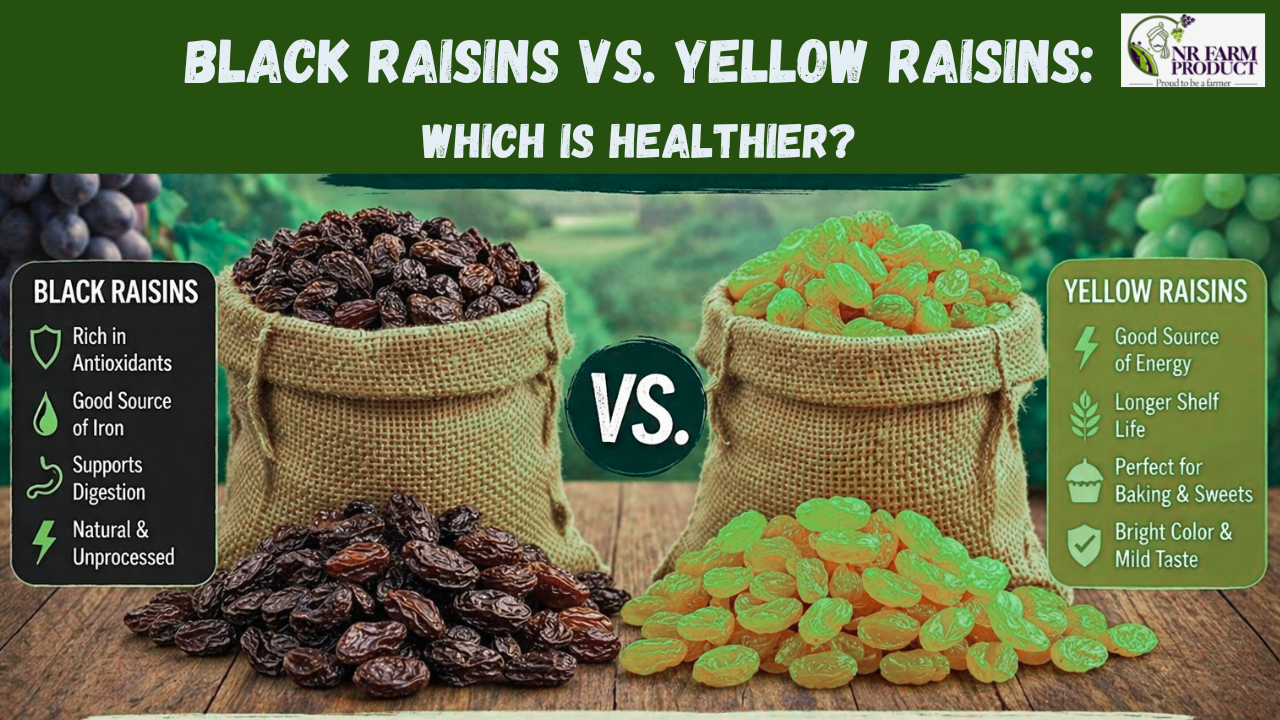
Black Raisins
- Rich color
- Higher antioxidant content
- Deep fruit flavor
Brown Raisins
- Traditional taste
- Cost-effective
- Suitable for commercial wine production
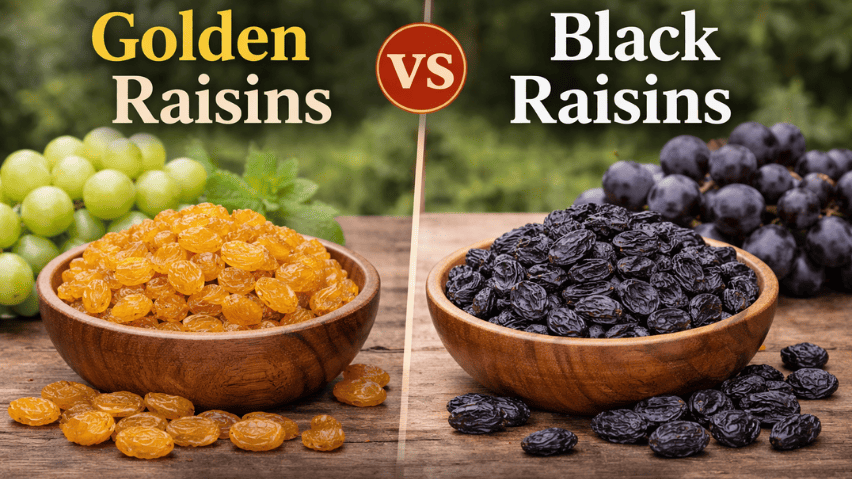
Golden Raisins
- Mild fruity notes
- Attractive flavor profile
- Used in specialty wines
Industrial Applications of Raisins in Wine Making
Beyond wineries, raisins are also used by:
- Beverage manufacturers
- Fermentation industries
- Craft alcohol producers
- Herbal wine manufacturers
- Fruit wine processors
- Premium beverage brands
Quality Parameters Buyers Should Check
For commercial wine production, quality directly impacts fermentation performance.
Industrial buyers should verify:
- Moisture content
- Natural sugar levels
- Uniform size
- Cleanliness
- Low foreign matter
- Food-grade processing
- Proper packaging
Suppliers should also provide food safety certifications and export documentation where required.
Benefits of Buying Raisins in Bulk
Bulk sourcing offers several advantages for wineries and beverage manufacturers.
Key benefits include:
- Lower procurement cost
- Consistent raw material quality
- Reliable year-round supply
- Export-ready packaging
- Better production planning
- Reduced inventory shortages
How to Choose the Right Raisin Supplier
Before selecting a supplier, ask:
- Are the raisins suitable for fermentation?
- What varieties are available?
- What moisture levels are maintained?
- Do you provide export-quality packaging?
- Which certifications do you offer?
- Can you supply throughout the year?
Choosing a reliable supplier helps ensure smooth production and consistent wine quality.
Why Choose NR Farm Product
NR Farm Product is a trusted bulk raisin manufacturer, supplier, and exporter from India, serving wineries, food manufacturers, wholesalers, distributors, and international buyers.
The company supplies premium-quality:
- Thompson Raisins
- Brown Raisins
- Golden Raisins
- Premium Black Raisins
- Industrial Raisins
- Malayar Raisins
NR Farm focuses on:
- Export-grade quality
- Food-grade processing
- Bulk supply solutions
- Reliable year-round availability
- Hygienic packaging
- Timely deliveries
- Global export support
Conclusion
Raisins continue to play an important role in wine making because of their concentrated sugars, rich flavor, and year-round availability. Whether used by artisan wineries or commercial beverage manufacturers, they offer a reliable raw material for producing high-quality wines.
For businesses sourcing raisins for wine making, partnering with an experienced supplier ensures consistent quality, reliable supply, and smooth production throughout the year.
FAQs
1. Can raisins be used to make wine?
Yes. Raisins contain concentrated natural sugars that ferment into alcohol, making them suitable for homemade, dessert, and specialty wines.
2. Which raisins are best for wine making?
Thompson, Black, Brown, and Golden raisins are commonly used depending on the desired flavor, sweetness, and color.
3. Why do wineries use raisins?
Raisins provide natural sugars, longer shelf life, consistent availability, and rich flavor for fermentation.
4. Are raisins better than fresh grapes for wine?
Fresh grapes remain the standard for most wines, but raisins are an excellent option for specialty wines, dessert wines, and regions where fresh grapes are unavailable.
5. Where can wineries buy raisins in bulk?
Wineries can source premium bulk raisins from trusted manufacturers and exporters like NR Farm Product, which supplies export-quality raisins for industrial applications.
메타데이터
- post_id
- 9ebe5e83c817
- slug
- how-raisins-are-used-in-the-winemaking-industry-a-complete-guide-9ebe5e83c817
- url
- https://blog.healthmanagement.in/how-raisins-are-used-in-the-winemaking-industry-a-complete-guide-9ebe5e83c817
- canonical_url
- https://blog.healthmanagement.in/how-raisins-are-used-in-the-winemaking-industry-a-complete-guide-9ebe5e83c817
- author_url
- https://medium.com/@nrfarmproduct
- status
- ok
- fetched_at
- 2026-07-11 03:21:30