Fast and Reliable Virus Screening: Everything You Should Know About the Antigen Detection Test
The antigen detection test became widely known during the COVID-19 pandemic, but it’s also used to diagnose other diseases like influenza…
Fast and Reliable Virus Screening: Everything You Should Know About the Antigen Detection Test
The antigen detection test became widely known during the COVID-19 pandemic, but it’s also used to diagnose other diseases like influenza, RSV, strep throat, malaria, and hepatitis B.
How Does an Antigen Detection Test Work?
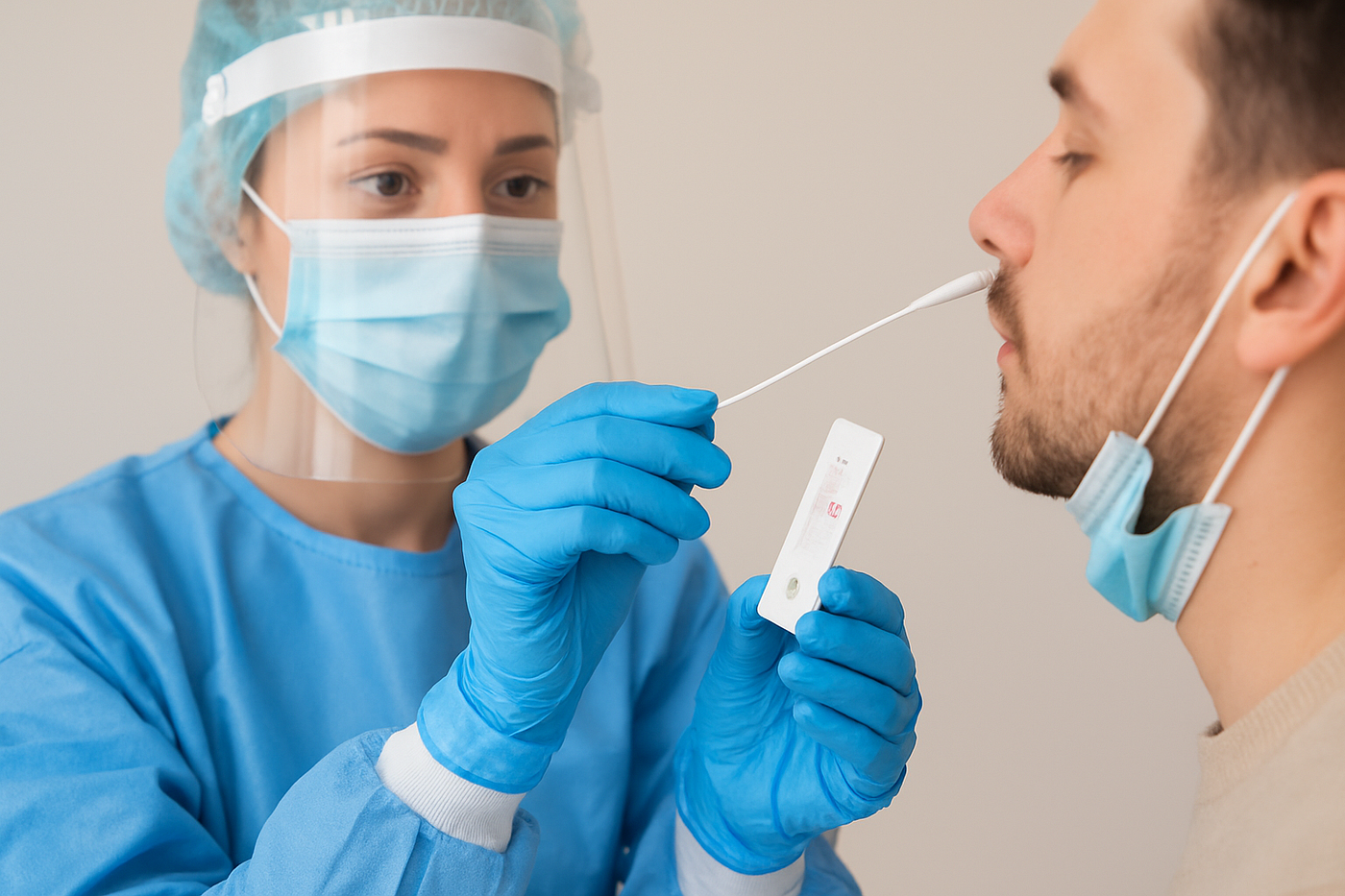
The test is simple and typically follows these steps:
- Sample Collection: A healthcare provider collects a specimen using a nasal swab, throat swab, or blood sample, depending on the type of infection being tested.
- Antigen-Antibody Reaction: The sample is then exposed to a test strip or reagent containing antibodies designed to react with a specific antigen.
- Visible Result: If the targeted antigen is present, a visible line or signal appears on the test strip — similar to a home pregnancy test — indicating a positive result.
- Timing: Results are usually available in 15 to 30 minutes, which makes antigen detection tests ideal for urgent clinical decisions.
Why Are Antigen Detection Tests Important?
The antigen detection test plays a critical role in infection control and public health. Here’s why:
- Early Diagnosis: Detecting infections early allows timely isolation, treatment, and prevention of transmission.
- Rapid Results: Unlike PCR tests that require lab processing, antigen tests deliver results in minutes — crucial for emergency care, workplaces, and schools.
- Cost-Effective: They are generally more affordable than molecular tests, making them suitable for large-scale screening.
- Accessibility: Antigen tests can be performed in medical centers, urgent care clinics, pharmacies, and even at home with minimal training.
Common Diseases Detected by Antigen Tests
Antigen detection tests are versatile and used for diagnosing various infections. Below are some of the most common:
- COVID-19: One of the most widely used applications. It detects proteins from the SARS-CoV-2 virus, helping identify active infections quickly.
- Influenza (Flu): Rapid flu tests use nasal swabs to detect influenza A and B antigens in minutes.
- Respiratory Syncytial Virus (RSV): Particularly important for children and elderly individuals with respiratory symptoms.
- Strep Throat: Rapid strep tests identify antigens from Streptococcus pyogenes, helping doctors prescribe antibiotics promptly.
- Hepatitis B: Detects the hepatitis B surface antigen (HBsAg) in blood samples to confirm infection.
- Malaria: Antigen tests detect malaria parasite proteins, offering faster results than microscopic examination in remote areas.
When Should You Get an Antigen Detection Test?
You should consider getting an antigen detection test if:
- You have symptoms of a viral infection, such as fever, sore throat, cough, or fatigue.
- You’ve been exposed to someone diagnosed with a contagious illness like COVID-19 or the flu.
- You need clearance for travel, work, or school.
- You want a quick check before visiting vulnerable family members (such as seniors or infants).
Many medical centers and urgent care clinics offer same-day antigen testing to help patients get results and treatment faster.
How Accurate Is an Antigen Detection Test?
The accuracy of an antigen detection test depends on several factors, including:
- Timing: Tests work best when viral load is high, usually during the early stages of infection.
- Sample Quality: Proper collection techniques significantly affect results.
- Test Sensitivity and Specificity: Some tests are more refined than others, depending on the manufacturer.
Overall, antigen tests have a specificity of around 98% (low false positives) and a sensitivity of 80–90% (depending on viral load). When used correctly and at the right time, they provide highly reliable results.
What Happens If You Test Positive?
If your antigen detection test result is positive:
- Isolate Immediately: Avoid contact with others to prevent spreading the infection.
- Inform Healthcare Providers: Share your results with your doctor for further evaluation or confirmatory PCR testing if needed.
- Follow Treatment Protocols: Your provider will guide you on the next steps, which may include medication, rest, or monitoring depending on the illness detected.
Advantages of Antigen Detection Tests in Medical Centers
At a professional medical center, antigen detection tests offer several advantages:
- On-site Testing: No need to send samples to an external lab.
- Same-Day Results: Patients receive quick answers and timely care.
- Efficient Patient Flow: Rapid testing reduces waiting times and helps manage patient loads effectively.
- Cost Control: Affordable testing options for both insured and uninsured patients.
- Trusted Accuracy: Performed by trained medical staff using FDA-approved kits.
These benefits make antigen detection testing a cornerstone of modern preventive and diagnostic medicine.
Antigen Detection Tests for Public Health and Safety
Public health authorities worldwide rely on antigen testing for effective outbreak management. During pandemics or seasonal disease peaks, mass testing with antigen kits helps:
- Identify and isolate infected individuals quickly.
- Track transmission trends in communities.
- Support reopening efforts in workplaces, schools, and travel sectors.
- Guide vaccination and prevention strategies.
For example, during COVID-19 surges, antigen detection tests were used across airports, hospitals, and workplaces to prevent mass infection events.
Preparing for Your Antigen Detection Test
Before getting tested at a medical center, here are a few things to keep in mind:
- Schedule an Appointment (if required): Some clinics accept walk-ins, while others prefer appointments.
- Bring Identification: Especially if testing for travel or work purposes.
- Avoid Eating or Drinking (for throat/nasal tests): This ensures a more accurate sample.
- Follow Medical Advice Post-Test: Whether results are positive or negative, always consult a healthcare professional for next steps.
Where to Get an Antigen Detection Test
Antigen detection tests are available in various healthcare settings, including:
- Medical centers and hospitals
- Urgent care clinics
- Pharmacies
- Community health programs
- Home testing kits (FDA-approved)
If you prefer professional accuracy, visiting a trusted medical center is your best option. Licensed healthcare providers ensure proper testing, accurate interpretation, and medical follow-up if necessary.
Future of Antigen Detection Testing
As technology advances, antigen testing continues to improve in speed, sensitivity, and convenience. New-generation antigen tests are being developed to:
- Detect multiple viruses in one test (multiplex testing)
- Provide digital readouts via smartphone apps
- Work with saliva samples for easier collection
- Enable better early-stage detection
The future points toward even more accessible and reliable point-of-care testing that empowers both patients and healthcare systems.
Final Thoughts
The antigen detection test has transformed how we diagnose and control infectious diseases. It combines speed, convenience, and reliability, making it a vital tool for individuals and healthcare providers alike.
메타데이터
- post_id
- 9edde9686a76
- slug
- fast-and-reliable-virus-screening-everything-you-should-know-about-the-antigen-detection-test-9edde9686a76
- url
- https://medium.com/@jessk637/fast-and-reliable-virus-screening-everything-you-should-know-about-the-antigen-detection-test-9edde9686a76
- canonical_url
- https://medium.com/@jessk637/fast-and-reliable-virus-screening-everything-you-should-know-about-the-antigen-detection-test-9edde9686a76
- author_url
- https://medium.com/@jessk637
- status
- ok
- fetched_at
- 2026-07-18 15:52:18