How MEP BIM Helps Contractors Deliver Successful Construction Projects
In today’s fast-paced construction environment, contractors are under constant pressure to deliver projects faster, within budget, and with…
How MEP BIM Helps Contractors Deliver Successful Construction Projects

In today’s fast-paced construction environment, contractors are under constant pressure to deliver projects faster, within budget, and with minimal errors. Mechanical, Electrical, and Plumbing (MEP) systems are some of the most complex components of any building — and even small mistakes can lead to costly delays. This is where **MEP BIM (Building Information Modeling)** plays a crucial role in helping contractors achieve successful project outcomes.
Understanding MEP BIM in Construction
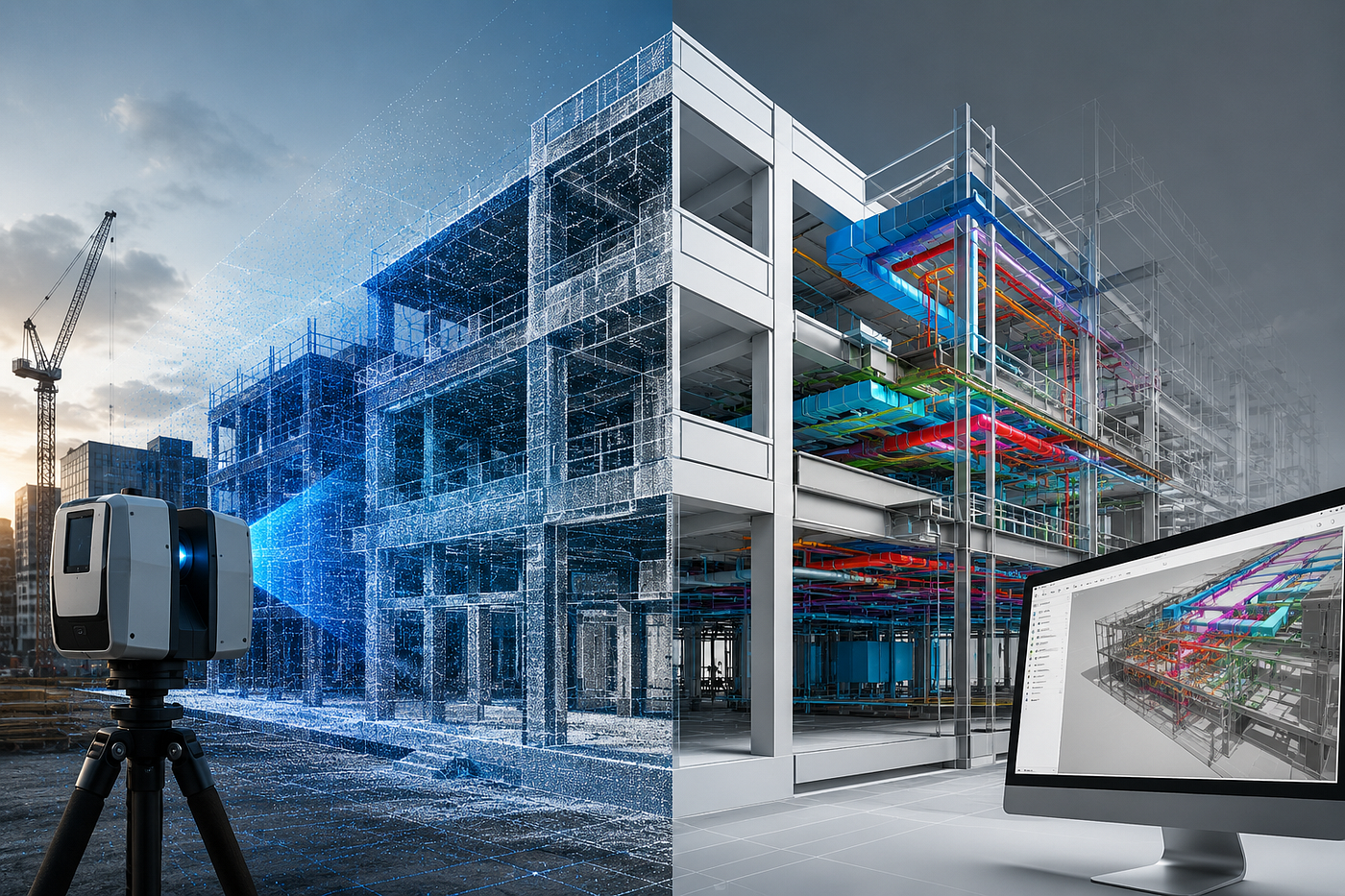
MEP BIM is the process of creating intelligent 3D models for mechanical, electrical, and plumbing systems. Unlike traditional 2D drawings, BIM models contain detailed data about system layouts, dimensions, clearances, and performance requirements. For contractors, this means greater visibility, accuracy, and control from preconstruction through project handover.
1. Improved Coordination and Clash Detection
One of the biggest challenges contractors face is coordinating multiple trades within limited spaces. MEP BIM allows all disciplines — architectural, structural, and MEP — to work within a single coordinated model.
Benefits for contractors:
- Early detection of clashes between ducts, pipes, cables, and structural elements
- Fewer on-site conflicts and design changes
- Reduced rework and material waste
By resolving issues virtually before construction begins, contractors can avoid costly delays on site.
2. Better Construction Planning and Scheduling
MEP BIM supports accurate planning by providing precise quantities and spatial data. Contractors can link BIM models with construction schedules to visualize how systems will be installed over time.
Key advantages include:
- Optimized installation sequences
- Improved labor and material planning
- Faster decision-making during construction
This level of planning helps contractors maintain tighter schedules and deliver projects on time.
3. Cost Control and Budget Accuracy
Unexpected changes and rework are major reasons for cost overruns. With MEP BIM, contractors gain reliable quantities and detailed system information early in the project.
How BIM helps control costs:
- Accurate quantity takeoffs
- Reduced change orders
- Better procurement planning
By minimizing uncertainties, contractors can protect profit margins while maintaining quality standards.
4. Higher Quality and Constructability
MEP BIM models are created with real-world installation constraints in mind. This ensures that systems are not only designed correctly but are also buildable.
For contractors, this means:
- Clear fabrication and installation drawings
- Improved prefabrication and modular construction opportunities
- Higher overall construction quality
Better constructability translates into smoother execution and fewer field issues.
5. Enhanced Communication and Collaboration
MEP BIM improves communication among contractors, designers, engineers, and clients. A shared 3D model makes it easier to explain complex systems and construction strategies.
Results include:
- Faster approvals
- Fewer misunderstandings
- Stronger collaboration across teams
This collaborative approach leads to better alignment and more successful project delivery.
6. Smooth Handover and Facility Management Support
A successful project doesn’t end at construction completion. MEP BIM models can be handed over to owners and facility managers, containing valuable data for operations and maintenance.
Long-term value for contractors:
- Higher client satisfaction
- Stronger reputation and repeat business
- Competitive advantage in future bids
Conclusion
MEP BIM has become an essential tool for contractors aiming to deliver high-quality, efficient, and successful construction projects. From clash detection and cost control to scheduling and collaboration, BIM empowers contractors to reduce risks and improve outcomes at every stage of the project lifecycle.
As construction projects grow more complex, contractors who adopt MEP BIM are better positioned to meet client expectations, stay competitive, and deliver lasting value.
메타데이터
- post_id
- 9ee5b87bc5d2
- slug
- how-mep-bim-helps-contractors-deliver-successful-construction-projects-9ee5b87bc5d2
- url
- https://medium.com/@zenithmarketing2026/how-mep-bim-helps-contractors-deliver-successful-construction-projects-9ee5b87bc5d2
- canonical_url
- https://medium.com/@zenithmarketing2026/how-mep-bim-helps-contractors-deliver-successful-construction-projects-9ee5b87bc5d2
- author_url
- https://medium.com/@zenithmarketing2026
- status
- ok
- fetched_at
- 2026-08-21 19:25:39