Real Challenges Marine Cadets Face
Introduction: Life Beyond the Horizon
Real Challenges Marine Cadets Face
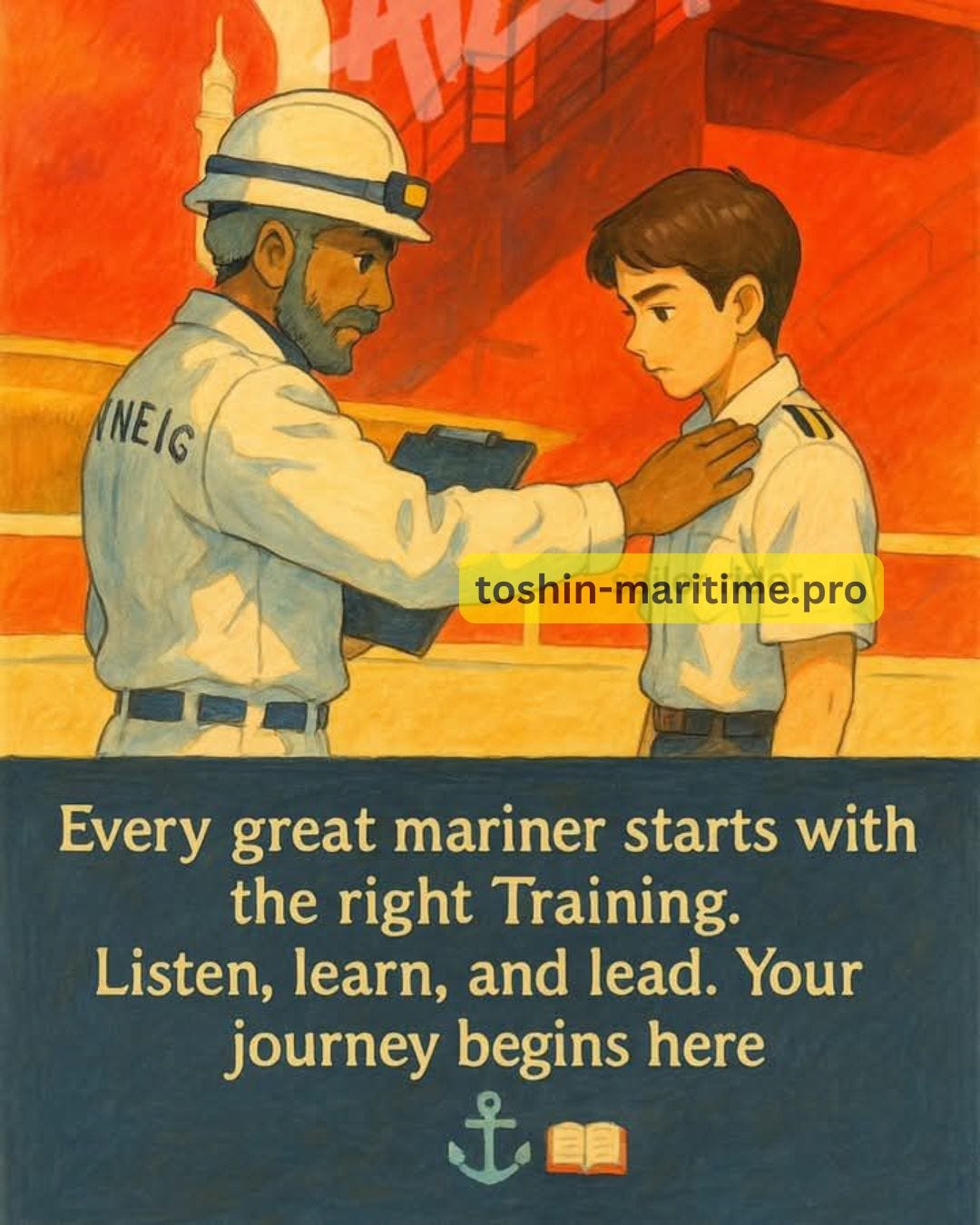
Introduction: Life Beyond the Horizon
Becoming a marine cadet is a dream for many young souls who love the ocean. The idea of traveling the world on giant ships, wearing a uniform with pride, and living a disciplined life sounds inspiring. But behind the shiny surface lies a journey filled with real struggles, pain, sacrifice, and hard-earned success.
This article shares the real challenges marine cadets face, especially those from developing countries like Bangladesh, the Philippines, and India. These young mariners fight battles daily — not just at sea, but also within themselves.
If you’re a marine cadet or someone dreaming of this path, this story is for you. And if you’re someone hiring or training cadets, this article will give you a human perspective. Visit toshin-maritime.pro to explore more.
1. The First Step: Hopes vs. Harsh Reality
Dreams of the Sea
When you join a marine academy, you’re filled with dreams. You imagine yourself standing tall on the deck, traveling to exotic countries, making good money, and making your family proud.
But soon after joining, you realize this journey is not just about ships and oceans. It’s about struggle, pain, and survival.
The Shock of Reality
Life in a marine academy is tough. Waking up at 5 AM, doing drills, maintaining discipline, and studying complex engineering subjects is not easy. Some cadets come from rural backgrounds and need time to adjust. Homesickness, peer pressure, and a strict environment can break even the strongest minds.
2. Physical Hardships Onboard
Tiring Work Hours
A cadet’s life on board is no less than a soldier’s. They work 12–16 hours a day. There’s no weekend, no off-day, no public holiday. Tasks include cleaning the engine room, assisting officers, taking rounds, and doing endless paperwork.
No Time to Sleep
At sea, sleep becomes a luxury. Night watches, emergency drills, and workload leave cadets with only 3–5 hours of sleep sometimes. This leads to fatigue, poor concentration, and mental breakdowns.
It’s common to see cadets falling asleep while eating or standing. That’s how bad it gets.
3. Mental and Emotional Stress
Far From Family
Cadets spend 6 to 12 months away from home. They miss weddings, festivals, birthdays, and even funerals. This emotional distance hurts badly, especially when you’re new to sea life.
No One to Share With
Onboard, there’s no friend circle or counselor. If you’re feeling low, you often have to deal with it silently. Depression is real at sea. Some cadets suffer silently, while others lose interest in continuing.
Imagine being alone in the middle of the ocean and crying quietly in your cabin.
4. Money Worries and Hidden Expenses
Unpaid Training Period
Most cadets don’t get paid during their first sailing. They are expected to work like professionals, but they don’t receive a single dollar. Families back home think their son is earning, but in reality, he’s just surviving.
Costs Before Joining
Before even boarding a ship, cadets spend thousands of dollars on courses, certificates, travel, agents, and medicals. Many take loans or sell land just to get onboard.
Visit my blog at Toshin Maritime for cost breakdowns and survival guides.
5. Poor Training Onboard
No Learning, Only Labor
Many shipping companies treat cadets as cheap labor. They don’t provide proper training or mentorship. Cadets end up cleaning toilets, painting decks, or doing meaningless jobs unrelated to their learning.
No Time to Study
Even if a cadet wants to study for exams, there’s no time or support. Some officers ignore or even bully them. Many cadets go months without touching their training book.
6. Job Crisis and Bribery
Thousands of Graduates, Few Ships
Every year, thousands of cadets pass out, but there are limited ships. Shipping companies hire based on experience, not enthusiasm. So freshers struggle.
Agent Scams and Bribes
To get placement, cadets are forced to go through agents. Many agents take money and disappear. Some ask for bribes up to $5,000. And even after paying, there’s no guarantee of joining.
This is a heartbreaking reality that needs to change.
Join my awareness campaign at Toshin-Maritime.pro.
7. Loneliness and Depression
No Social Life
Onboard life is repetitive. Work, eat, sleep. There’s no place to talk or relax. There’s no internet on many ships. Cadets feel cut off from the world.
Missing Home and Events
Cadets miss their parents, loved ones, and even themselves. They forget how it feels to laugh freely. They miss Eid, Puja, Christmas, and New Year. Their life feels paused while the world moves on.
8. Cultural Shock and Discrimination
Multi-National Crew Problems
Ships have crews from many countries. Sometimes, cadets face language barriers, cultural differences, and even racism. They’re ignored during meals or shouted at for no reason.
Bias Against Developing Countries
Some cadets are judged just because they come from Asia or Africa. They are not trusted with responsibility, and their complaints are ignored.
9. Inequality in Opportunities
Same Work, Different Pay
A European cadet and a Bangladeshi cadet may work the same, but one gets respect and support, the other doesn’t. This inequality discourages passionate cadets.
Limited Promotion Chances
Cadets from poor backgrounds often don’t get promoted easily. They have to work harder, wait longer, and fight more for every opportunity.
My blog shares tips on how to grow faster: toshin-maritime.pro
10. Inner Strength — Why Cadets Don’t Quit
The Power of Dreams
Despite everything, cadets continue. They remember why they started. Their parents’ smile, their village pride, their own ambition keeps them going.
Brotherhood at Sea
Sometimes, another cadet becomes your brother. You cry together, laugh together, and survive together. That bond is priceless.
Conclusion: Respect the Cadets, Support Their Journey
Marine cadets are not just students. They are warriors of the ocean. They survive storms — not just natural, but emotional, financial, and social.
If you’re reading this, support a cadet. Hire them, train them, or simply understand them. Their dreams are big. Let’s not crush them with neglect.
Learn more and connect with real cadets at Toshin-Maritime.pro
FAQs
1. Why don’t marine cadets get paid during training? Because many companies consider them trainees, not employees. But this needs to change.
2. How can I join the merchant navy without getting scammed? Use verified portals and avoid shady agents. Read blogs and guides on toshin-maritimie.pro
3. Is it worth becoming a marine engineer now? Yes, if you are passionate and strong. But prepare for the hardships.
4. Can cadets access the internet on ships? Only on some ships. Most have very limited or no internet access.
5. What support can families give to cadets? Regular emotional support, letters, and video messages make a big difference.
Please don’t forget to leave a review.
메타데이터
- post_id
- 9f1306f3b1ed
- slug
- real-challenges-marine-cadets-face-9f1306f3b1ed
- url
- https://medium.com/@marineinsightbytoshin/real-challenges-marine-cadets-face-9f1306f3b1ed
- canonical_url
- https://medium.com/@marineinsightbytoshin/real-challenges-marine-cadets-face-9f1306f3b1ed
- author_url
- https://medium.com/@marineinsightbytoshin
- status
- ok
- fetched_at
- 2026-06-26 03:39:16