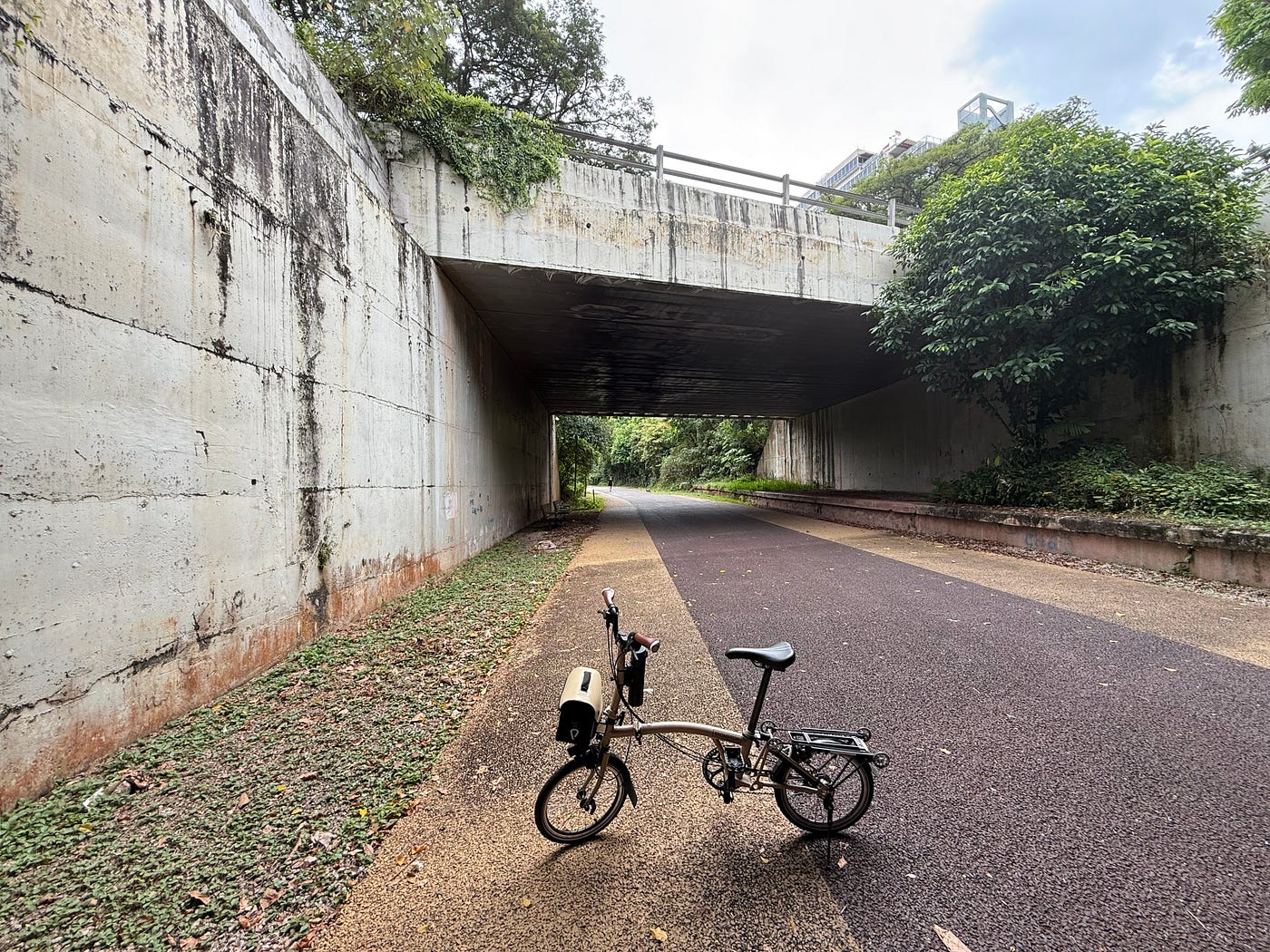
I have worn barefoot shoes for almost a year
And here is my review of my shoes and feet
I have worn barefoot shoes for almost a year
And here is my review of my shoes and feet
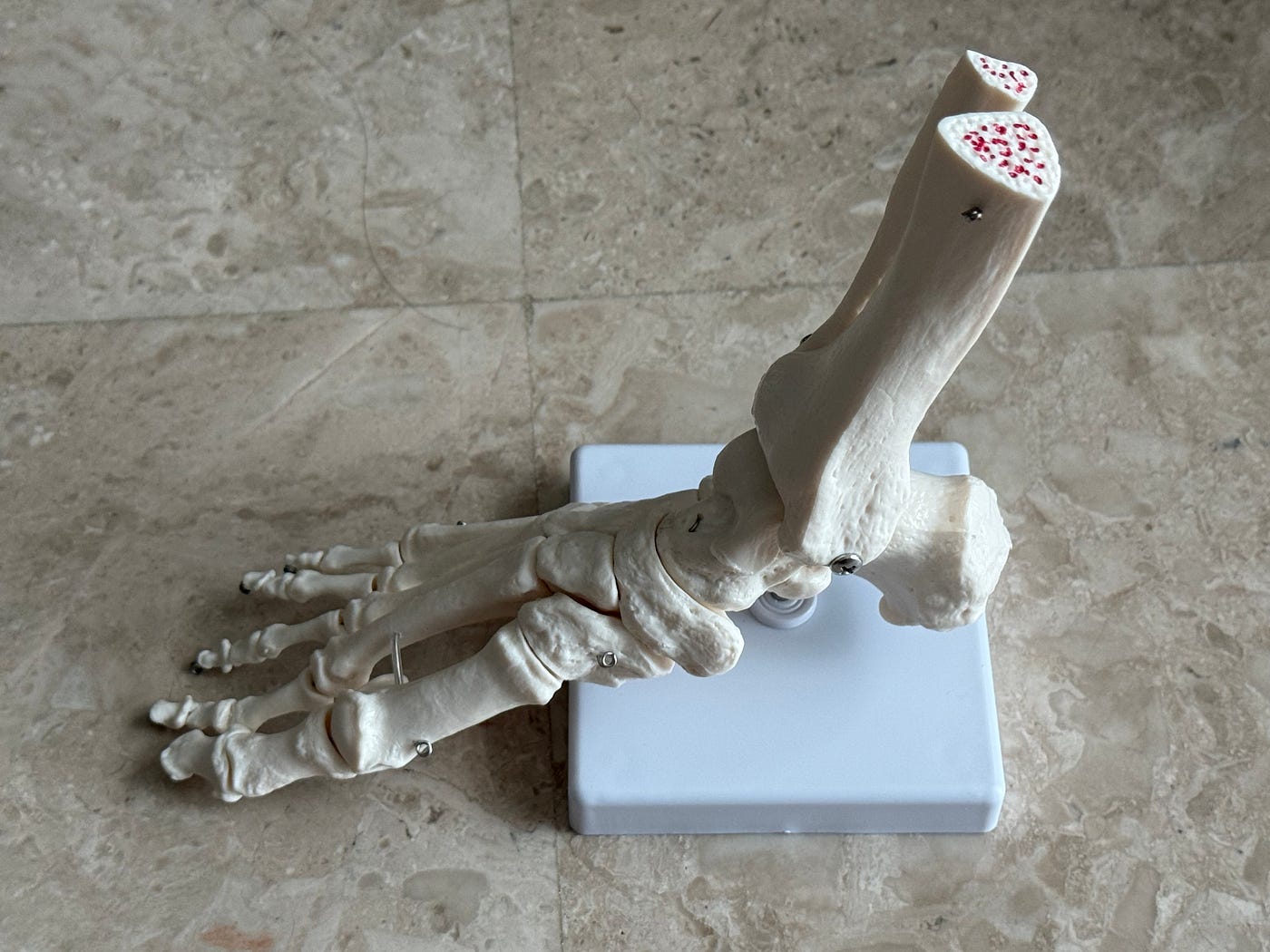
I started wearing barefoot shoes when I retired from work last year. Switching to barefoot shoes has provided me with the greatest improvement in my health and fitness. I have improved my peripheral neuropathy and removed pain in my lower back and knee when I jog. I have also been able to improve my running and movement speed while playing tennis. I can also walk much further without getting a lower backache, and I have also realised I can stand much longer without feeling tired.
Now that I have retired, I have started to notice more about the seniors that I encounter wherever I go shopping. In Singapore, we essentially have two types of places to go shopping. You either visit the air-conditioned big shopping malls or you visit the municipal non-air-conditioned neighbourhood towns. The former is frequented by the younger generation, while the latter is more for the older generation. In any neighbourhood town, you could observe the seniors either walking in slow, small steps or with a personal mobility aid, such as motorised wheelchairs or assisted scooters. I feel pity for their retardation or loss of foot function. This could have been prevented by early abandonment of cushioned shoes and moving naturally with their feet with barefoot shoes. I hope my articles here would be able to help seniors to avoid foot issues as they get older. If you are above forty and are starting to experience lower back pain or stabbing knee pain while running, you should consider switching to barefoot shoes.
The way I am walking now is entirely different from one year ago. I now walk with my forefoot landing on the ground first, rather than with a heel strike. I lift my leg slightly and lean forward as if to fall forward. Then, I rotate my leg forward via my hip and land on the forefoot to use as a pivot, and continue to rotate my leg forward using my glute muscles, while continuing to lean forward until my other leg has caught up. Then I repeat the motion with the other leg. If you were using cushioned shoes, you would be lifting your leg in a forward stride using your quad muscles, pushing it forward, leaning backwards, and then landing on your heel. My feet are hardly raised more than 1–2 inches above ground, which means less energy is expended when walking. And I feel less tired even when walking upslope as I use my glutes to push my body upwards, rather than using the quads to pull upwards.
I have written several articles on barefoot walking and shoes. But since then, I have also been watching the transformation in my leg and foot sensations. When I started wearing barefoot shoes, I tended to land as much as possible on the forefoot; I could walk with my heels barely touching the ground. But I started to realise that both our forefoot and heel were designed to withstand our weight. There is no need to land more on the forefoot than on the heel. But it is still good to land first on the forefoot as the arch provides better shock absorption to impact.
Our feet evolved from a tree-grasping foot very similar to our hands. The fingers lengthen to become our toes, and the palm extends to become an arch. The wrist became the heel, and it is bulked up to support vertical gravity forces and to withstand loads at all times for our bipedalism. Our leg is being supported by the arch formed by the forefoot and the heel.

The forefoot comprises the 5 toes and their respective metatarsals. This loosely coupled set of bones forms a large pad that is essentially designed to support impact from landing our feet as we walk or run.
Why is the arch in our feet so much longer than the distance between our fingers and wrist? The larger and longer the arch, the more impact it can withstand. It also serves as the pivot to roll our body forward. The shorter the arch, the faster and more agile the feet move. Evolution has given us the arch length to support our balance in standing, walking, and running.
You might like to check out the research on the evolutionary anatomy of the arch in the following articles:
Evolutionary anatomy of the plantar aponeurosis in primates, including humans
Stiffness of the human foot and evolution of the transverse arch
Below is a diagram comparing the human and chimpanzee feet.

Comparison of Human and Chimpanzee Stand, Walk, Run
The arch is what separates us from the chimpanzees in our bipedalism to walk faster and run with stability.
You may also try the following prompt in your AI chatbot of choice to learn more about the evolution of our feet:
I am interested in how human evolves the feet from a tree climbing primate to the modern bipedal human. Can you trace the major changes in the foot skeleton and muscular structure changes across possible iterations of evolution of the feet?I often jog in the evening around where I stay. I would notice senior men walking with hand holding or propping their backs, or running with small steps, with their strides landing on the forefoot of their cushioned running shoes. The former is probably suffering from a backache arising from the mismatch in our natural gait or bio mechanics, while the latter is probably starting to feel the backache and has decided to change to forefoot striking when running to avoid making the backache worse. I believe both of them can benefit from adopting barefoot shoes.
There are two problems with cushioned shoes. The heel usually has a higher depth of cushion than the forefoot. This creates a misalignment from the ankle to the knee, to the hip, and to the back. Our ancestors were walking barefoot for much of their existence, and our skeleton has been optimised for that. Prolonged frequent impact on the heel will cause vibrations in these joints and possibly cause misalignment, resulting in knee pain or backaches.
The second problem is the high heel cushioned shoes encourage you to walk or run with a stride that prefers heel strike. This resulted in even more impact on the vibrations in the joints. So, how should we walk?
When you walk in cushioned shoes, you lift your legs with your quads, land with a heel strike, and roll over your big toe. Your centre of gravity is between your legs, as you stride your left and right legs forward. This is a mismatch against our bio mechanics. If you look at any animal’s hind legs, none of them is designed to lift the legs and stride forward. All of them use hip rotation, which essentially rotates the limb forward and avoids spending energy due to gravity.
Look at how the shoulder and hip rotation are used in a dog’s gait: (focus on the view from top)
[embed]
Note that the dog only lands on its toes (ankle is above ground).
Take a look at the following animation video on how we should walk (not all the cycles apply):
[embed]
Notice how the model walks with the tail in her suit swaying left and right. That’s hip rotation. Also note the centre of gravity as the model walks, she always lands her foot with her centre of gravity right above her legs. If you do heel strike, the centre of gravity would be between both legs.
I know this is hard to accept for most folks. Many of us have been too used to our cushioned shoes walking gait. We probably all started wearing cushioned shoes when we were 2–3 years old. Here is a table of differences between the two gaits:

You need to discover the natural hip rotation gait using your own body. Check out this article on how to start with barefoot shoe walking.
So, how are my shoes doing after almost one year?

From left: VivoBarefoot Primus Lite III, China water shoe, China Prio Lookalike, China Unknown White, Xero Scrambler Low EV, Xero X1 Low, Xero 360 Rally. Center: Xero Z-Traill EV sandals
I hardly use my VivoBarefoot Primus Lite as its soles are rather thin and I have to walk more carefully to avoid any sharp objects on the ground. I would use it for more formal occasions. The China water shoe is my running and gym shoe. Its stack height is slightly taller than the VivoBarefoot. The Prio Lookalike is my “dress” shoe, where I am visiting somewhere that does not like casual shoes. The China Unknown White shoes are for formal dinners, again hardly used. The Xero Scrambler Low EV is my regular birding shoes, used for both walking and cycling trips. The Xero X1 Low were my tennis shoes, but this has been replaced by my Xero 360 Rally shoes. On a day-to-day basis, I wear the Xero Z-Trail EV sandals, both for walking and cycling.
All of them are in excellent condition. There is little wear on the soles, which is unlike cushioned shoes, where the rubber tends to start wearing off in 6 months. All the barefoot shoes have rather hardened rubber in the external sole, so they do not wear off easily. All my shoes will likely last me 3 years or more, except for the Xero 360 Rally, which, due to the way I play tennis, might have the sides of the soles worn off over a short time (I guess for 1 year).
Now, how do my feet feel? My diabetic peripheral neuropathy on both feet is almost gone. Both my feet sole skin has gotten thicker, and my toes now feel the ground much more than before. My balance on one leg has also improved in that I use more of my toes and metatarsals to keep the balance. Previously, it was mostly the ankle and heel that did the job, which has been regressing over the years as I age. With better balance, it results in an overall improvement in my proprioception or sense of balance, in my legs.
Now with my toes feeling the ground, I can react and move faster. This has a great impact on my tennis, as I could launch myself sideways to receive balls and to sprint faster with a great feel of the ground all the way. Previously, I had to trust my tennis shoes to give me the grip.
My back has also improved. I no longer feel backache when standing for a long time (an hour or more). Now I could exercise every day, and not require a rest day in between.
You may also wonder about my family members. How are they progressing with barefoot shoes? My wife started on the barefoot shoes journey first, but lags the most as she dreads wasting all her existing and unused shoes. So, she is the slowest to adopt barefoot shoes. Both my sons have two pairs of shoes, and they have started wearing them for general walking. For tennis, they still wear their ASICs, and they occasionally run in barefoot shoes. The youngsters in their 20s do not see the rush as they have not experienced the pain yet. They do get calf muscle aches when running in barefoot shoes, so they are aware of the difference. I think they will take their time, and it’s fine for them.
Before ending this article, I like to share some tips and advice for those who have embarked on the journey to barefoot shoes.
- Choose barefoot shoes to suit the surfaces you need to walk or run (without constantly checking the ground). A stack height of 4–6 mm is only good for smooth surfaces. For rougher surfaces like trails and tarmac/cement roads, it is better to go with 8mm or more. In your transition, it is more important to train your foot and calf, rather than how you look with your shoes. Note that barefoot shoes must have a wide toe box, a zero-drop sole, high flexibility and minimal thickness.
- Do not be overly concerned with landing with the forefoot first. It is fine to land on either or both forefoot and heel as long as your knee and ankle form an almost vertical line to the ground. Your torso can be upright, or your knees can be bent. Just avoid landing at an angle to the heel.
- When going downslope, use smaller steps. You have better stability and balance. If you need to move faster, use a higher cadence. Conversely, when going upslope, use larger steps with bent knees. Use hip rotation and your glutes to power up your climb.
- When climbing up a staircase, you may land on your whole foot or just the forefoot; I often climb up a staircase without my heel touching the steps. Use hip rotation and your glutes to power up the climb to the next step. Climbing up becomes less tiring. When climbing down a staircase, land first on the forefoot, then the heel. The forefoot is better at absorbing the impact shock with its arch. This stepping down action is probably the same as when you were wearing cushioned shoes. Even with thinner soles, the barefoot shoe and your heel can still take the impact.
- When you are at home, walk barefoot. Avoid having slippers. While walking, press your toes downwards as you step on the forefoot. If you have been using cushioned shoes in the past for more than 8 hours a day, you would have developed a habit of not pressing your toes down as you walk. Your toes would have lost sensation through atrophy and being cramped in the narrow toe box of the shoe. Press your toes down even when you are wearing barefoot shoes. You need to get back the strength and sensation of your toes. Massage your toes when you are watching TV or whenever you can.
- When you need to balance on one leg (such as changing into or out of your pants), use your toes together with your heel to help you balance your body. You would need to lean forward to use your toes more. Balancing becomes a 4–way juggling act rather than left-right sensing from your ankle (heel).
- I do not use toe spacers and do not see splaying our toes wide as necessary. When your toes have strengthened over time, they will regain their natural shape.
- Toe socks are essential for long sessions of wearing barefoot shoes, if you wear socks with them. Most socks were made to fit with the narrow toe box of cushioned shoes. They would cramp up your toes just like the narrow toe box when you wear them for a long time (more than 1 hour).
I hope that with my experience and the articles I have written, I can help all seniors recover their natural walking gait to stop the pain and have healthy walking and running again. Please help me to circulate my article to those who may be in need.
PS: You may circulate the following public link of this article to non-Medium.com members: https://jangthye.medium.com/i-have-worn-barefoot-shoes-for-almost-a-year-9f334bc99136?sk=9e11e2dec0fce3eaef27ad6a7f968b1b
메타데이터
- post_id
- 9f334bc99136
- slug
- i-have-worn-barefoot-shoes-for-almost-a-year-9f334bc99136
- url
- https://medium.com/@jangthye/i-have-worn-barefoot-shoes-for-almost-a-year-9f334bc99136
- canonical_url
- https://medium.com/@jangthye/i-have-worn-barefoot-shoes-for-almost-a-year-9f334bc99136
- author_url
- https://medium.com/@jangthye
- status
- ok
- fetched_at
- 2026-06-21 19:25:17