Hepatologist Advice for Managing Liver Disorders Effectively
The liver is one of the most vital body part in the human body, responsible for detoxification, metabolism, and nutrient storage. However…
Hepatologist Advice for Managing Liver Disorders Effectively
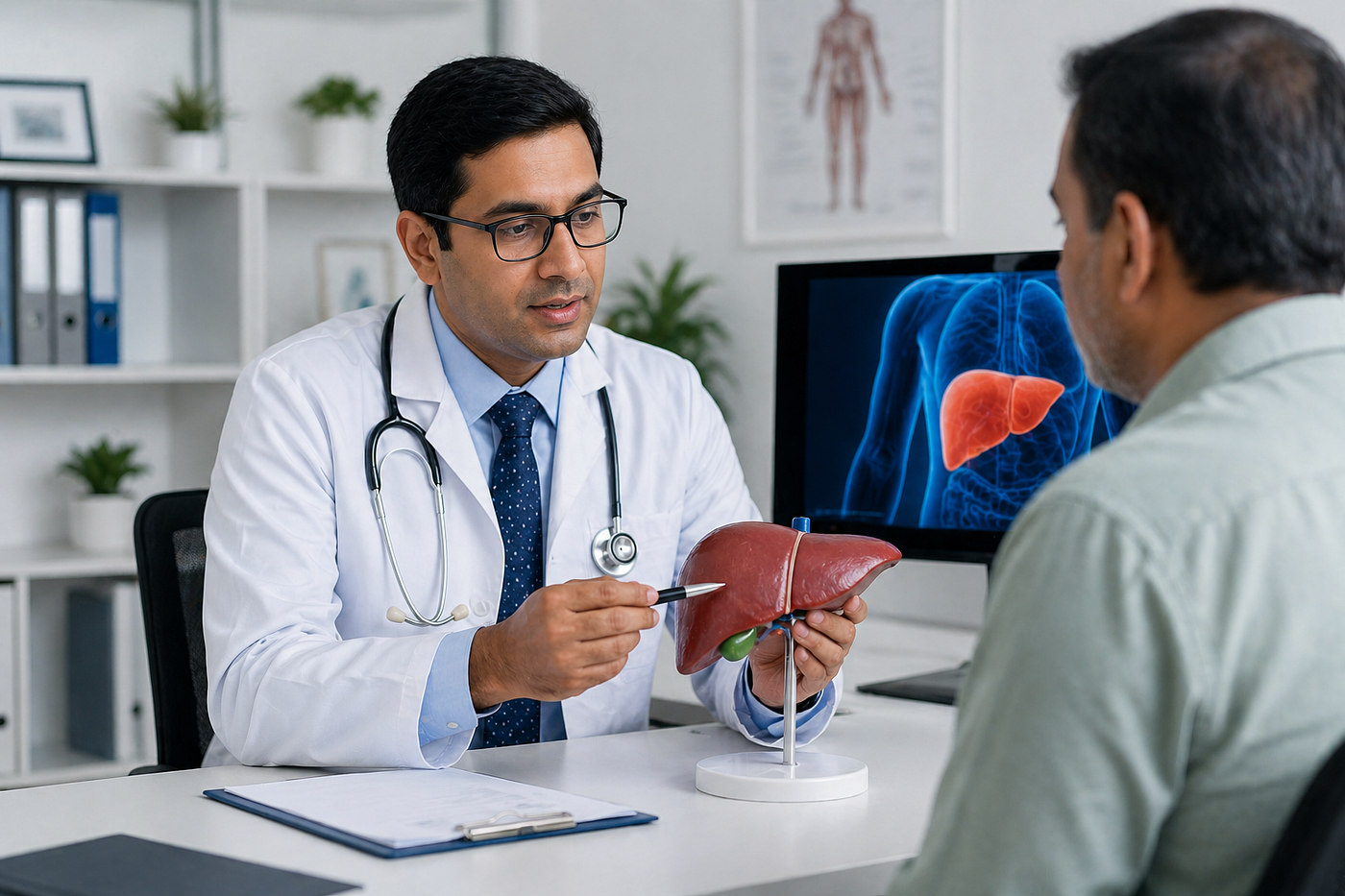
The liver is one of the most vital body part in the human body, responsible for detoxification, metabolism, and nutrient storage. However, modern lifestyles, unhealthy eating habits, and increased exposure to toxins have led to a rise in liver-related diseases. Seeking timely guidance from a Hepatologist can play a crucial role in preventing complications and ensuring effective management of liver disorders. With the right medical advice, lifestyle changes, and early intervention, many liver conditions can be controlled or even reversed.
Understanding Liver Disorders and Their Impact
Liver disorders encompass a wide range of conditions, from mild inflammation to severe damage. Common liver diseases include fatty liver disease, hepatitis, cirrhosis, and liver failure. These conditions often develop gradually, making early detection challenging.
The liver performs over 500 essential functions, including filtering toxins from the blood, producing bile for digestion, and regulating cholesterol and blood sugar levels. When the liver is compromised, it affects overall health significantly. Symptoms like fatigue, jaundice (yellowing of skin and eyes), abdominal pain, and swelling may indicate liver dysfunction.
Early diagnosis is critical. Regular health check-ups, liver function tests, and imaging studies help identify issues before they become severe.
Common Causes of Liver Disorders
Liver diseases can result from various factors, many of which are preventable. Understanding these causes helps in better management and prevention.
- Excessive alcohol consumption
- Obesity and poor diet leading to fatty liver
- Viral infections such as hepatitis B and C
- Long-term use of certain medications
- Exposure to environmental toxins
- Genetic and autoimmune conditions
Addressing these risk factors is the first step toward protecting liver health.
Importance of Early Diagnosis and Monitoring
One of the key pieces of advice from liver specialists is not to ignore early warning signs. Liver diseases often progress silently, showing symptoms only in advanced stages.
Routine screenings are especially important for individuals at higher risk, such as those with diabetes, obesity, or a history of alcohol use. Blood tests like liver function tests (LFTs) can detect abnormalities early, while ultrasounds and scans provide a clearer picture of liver health.
Continuous monitoring allows doctors to track disease progression and adjust treatment plans accordingly. Early intervention can significantly improve outcomes and reduce complications.
Lifestyle Changes for Better Liver Health
Managing liver disorders effectively requires a strong commitment to lifestyle modifications. These changes not only support treatment but also prevent further damage.
A balanced diet is essential. Incorporating fruits, vegetables, whole grains, and lean proteins helps improve liver function. Avoiding processed foods, sugary drinks, and excessive salt can reduce strain on the liver.
Regular physical activity plays a crucial role in maintaining a healthy weight and reducing fat accumulation in the liver. Even moderate exercise, such as walking or yoga, can make a significant difference.
Hydration is equally important. Drinking enough water helps flush out toxins and supports metabolic processes.
Avoiding alcohol and smoking is critical for individuals with liver conditions. These substances can accelerate liver damage and hinder recovery.
Medical Treatments and Therapies
Treatment for liver disorders varies depending on the underlying cause and severity of the condition. Medications may be prescribed to control infections, reduce inflammation, or manage symptoms.
For viral hepatitis, antiviral drugs can help control the infection and prevent liver damage. In cases of fatty liver disease, lifestyle changes remain the primary treatment approach.
Advanced conditions like cirrhosis may require more intensive care, including medications to manage complications. In severe cases, liver transplantation may be considered as a life-saving option.
It is essential to follow prescribed treatments consistently and avoid self-medication, as some drugs can worsen liver damage.
Dietary Recommendations for Liver Care
Nutrition plays a central role in managing liver disorders. A liver-friendly diet can help repair damage and improve overall function.
Foods rich in antioxidants, such as berries and leafy greens, help reduce inflammation. Healthy fats from sources like nuts and olive oil support metabolic health. Protein intake should be adequate but not excessive, especially in advanced liver disease.
Reducing sugar intake is particularly important in managing fatty liver disease. High sugar consumption can lead to fat accumulation in the liver, worsening the condition.
Limiting salt intake helps prevent fluid retention, which is common in advanced liver disease.
Preventive Measures to Protect Liver Health
Prevention is always better than cure when it comes to liver health. Simple steps can significantly reduce the risk of developing liver disorders.
- Maintain a healthy weight through diet and exercise
- Get vaccinated against hepatitis A and B
- Practice safe hygiene and avoid contaminated food or water
- Limit alcohol consumption
- Use medications only as prescribed
- Avoid exposure to harmful chemicals
Regular health check-ups and awareness about liver health are key components of prevention.
Mental Health and Liver Disease Management
Chronic liver conditions can impact mental and emotional well-being. Stress, anxiety, and depression are common among patients dealing with long-term illnesses.
Managing mental health is an essential part of overall treatment. Practices such as meditation, counseling, and support groups can help patients cope with emotional challenges.
A positive mindset and strong support system can improve treatment adherence and overall quality of life.
When to Consult a Specialist
It is important to seek medical attention if symptoms like persistent fatigue, jaundice, unexplained weight loss, or abdominal swelling occur. Delaying consultation can lead to complications and reduced treatment effectiveness.
Individuals with risk factors such as obesity, diabetes, or a family history of liver disease should undergo regular screenings. Early consultation ensures timely diagnosis and better management outcomes.
Conclusion
Effective management of liver disorders requires a combination of medical care, lifestyle changes, and preventive strategies. By understanding the causes, recognizing early symptoms, and following expert advice, individuals can take control of their liver health. Regular monitoring, a balanced diet, and avoiding harmful habits are essential steps in this journey. Consulting a qualified Hepatologist Specialist ensures personalized care and improves the chances of recovery, helping individuals lead healthier and more fulfilling lives.
메타데이터
- post_id
- 9f7bd710866a
- slug
- hepatologist-advice-for-managing-liver-disorders-effectively-9f7bd710866a
- url
- https://medium.com/@dlccare2/hepatologist-advice-for-managing-liver-disorders-effectively-9f7bd710866a
- canonical_url
- https://medium.com/@dlccare2/hepatologist-advice-for-managing-liver-disorders-effectively-9f7bd710866a
- author_url
- https://medium.com/@dlccare2
- status
- ok
- fetched_at
- 2026-08-05 12:37:12