Mental Health Awareness: The Complete Guide to Understanding and Supporting Mental Wellbeing
Mental health is an important part of everyday life. It affects how we think, feel, behave and respond to challenges. Just like physical…
Mental Health Awareness: The Complete Guide to Understanding and Supporting Mental Wellbeing
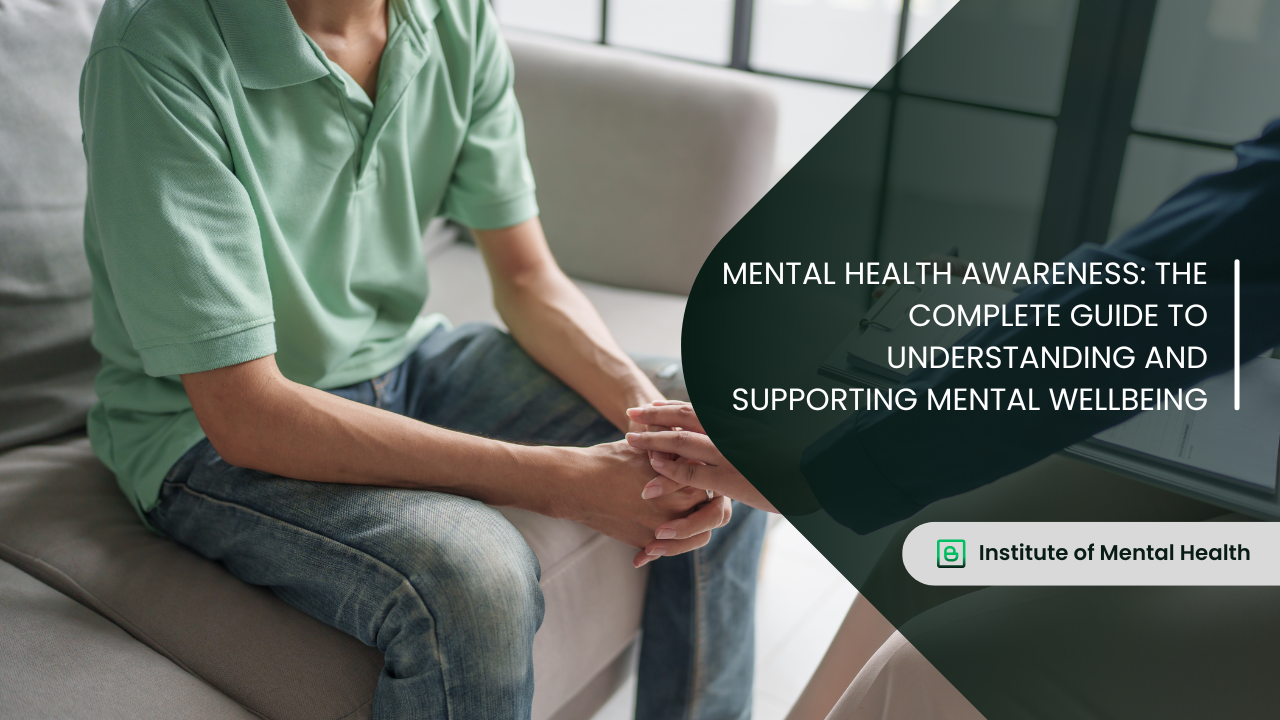
Mental health is an important part of everyday life. It affects how we think, feel, behave and respond to challenges. Just like physical health, our mental health can change over time.
**Mental Health Awareness** helps people understand these changes, recognise when someone may be struggling, and know when to seek support. It can also help reduce stigma and encourage more open conversations about mental wellbeing.
In this guide, we explain what mental health awareness means, why it matters, common mental health challenges, ways to support wellbeing, and how organisations can create more supportive workplaces.
What Is Mental Health Awareness?
Mental Health Awareness means having a better understanding of mental health, mental wellbeing and mental health challenges.
Everyone has mental health. Feeling worried, stressed, sad or overwhelmed from time to time can be a normal part of life. However, when these feelings begin to affect everyday life, relationships, work, education or other activities, it may be time to seek additional support. The NHS provides information about common concerns such as stress, anxiety, low mood and sleep problems.
Mental health awareness is not simply about knowing the names of different mental health conditions. It also involves understanding how to look after your wellbeing, communicate with others and create environments where people feel comfortable asking for help.
Mental Health Awareness in the UK
Mental health awareness UK is an important part of improving understanding of mental wellbeing across workplaces, schools, communities and families. UK organisations and health services provide information and resources to help people recognise mental health challenges and understand where appropriate support is available.
Mental Health Awareness campaigns in the UK also help reduce stigma and encourage people to talk more openly about their wellbeing. The NHS provides reliable information about mental health, while organisations such as the Mental Health Foundation support wider public awareness and prevention.
What Does Mental Health Awareness Mean?
Mental Health Awareness means understanding the importance of mental wellbeing and recognising that people may experience mental health challenges at different points in their lives.
Greater awareness can help people recognise concerns earlier, challenge harmful stereotypes and encourage supportive conversations.
Why Is Mental Health Awareness Important?
Mental Health Awareness matters because mental health can affect almost every area of life.
A better understanding of mental health can help people:
- Recognise changes in their own wellbeing
- Understand what others may be experiencing
- Have more open conversations
- Reduce negative attitudes and stigma
- Find appropriate support
- Build healthier relationships
- Create more supportive workplaces and communities
The Mental Health Foundation focuses strongly on prevention and early action. Its approach aims to help people protect their mental health before problems become more serious.
Reducing Mental Health Stigma
Stigma can make people feel uncomfortable about talking about their mental health. Some people may worry about being judged, misunderstood or treated differently.
Mental Health Awareness can help challenge these attitudes by encouraging accurate information and respectful conversations.
Talking about mental health should not mean making assumptions about someone’s experience. Everyone’s situation is different.

Encouraging People to Seek Support
Awareness can also make it easier to recognise when extra support may be useful.
The NHS advises that if feelings such as stress, anxiety or low mood begin to affect everyday life, talking to someone can be an important first step.
Support can come from different places depending on the person’s situation. This may include a trusted person, GP, mental health professional, workplace support service or other appropriate service.
Common Mental Health Challenges
People can experience many different mental health difficulties. Some are temporary, while others may continue for longer and require professional support.
Common concerns include stress, anxiety, low mood and depression. The NHS also provides information about conditions such as obsessive compulsive disorder, bipolar disorder, post-traumatic stress disorder and others.
It is important not to diagnose yourself or another person based only on a list of symptoms. A qualified professional can provide appropriate assessment and advice.
Stress and Burnout
Stress is a common experience. It can happen because of work, education, relationships, financial concerns, major life changes or other pressures.
Short periods of stress can sometimes be manageable. However, ongoing stress can affect wellbeing and daily life.
The NHS provides practical advice for dealing with stress and burnout, including ways to understand what may be contributing to these feelings.
Anxiety
Anxiety can involve feelings of worry, fear or unease. Most people experience some anxiety at times.
However, anxiety can become difficult to manage when it starts affecting everyday activities or quality of life.
Learning about anxiety can help people understand what they are experiencing and identify when further support may be appropriate.
Low Mood and Depression
Everyone can feel sad or low sometimes. These feelings may happen after difficult experiences or during stressful periods.
For some people, low mood can become persistent and significantly affect everyday life. Depression is a recognised mental health condition and can require professional support.
The NHS provides information about depression, including symptoms, self-help and treatment options.
Signs Someone May Need Mental Health Support
There is no single sign that proves someone is experiencing a mental health problem.
However, noticeable changes in mood, behaviour or everyday activities may suggest that someone is struggling.
Possible signs can include:
- Becoming more withdrawn than usual
- Appearing unusually worried or upset
- Finding it difficult to concentrate
- Losing interest in normal activities
- Experiencing ongoing stress
- Having difficulty sleeping
- Finding everyday responsibilities harder to manage
- Talking about feeling unable to cope
These signs do not automatically mean that someone has a mental health condition.
The best approach is to avoid making assumptions and offer a supportive conversation when appropriate.

How to Promote Mental Health Awareness
Mental Health Awareness can start with simple actions.
Learn About Mental Health
Reliable information can help people understand mental health without relying on myths or stereotypes.
The NHS provides information covering mental health conditions, feelings, symptoms, self-help and available services.
Learning does not mean trying to diagnose yourself or others. Instead, it helps you recognise when something may need attention.
Talk Openly About Mental Health
A respectful conversation can make it easier for someone to share how they are feeling.
You do not need to have all the answers. Sometimes listening without judgement is the most useful thing you can do.
The NHS recommends choosing a suitable person and setting, explaining what kind of support you want, and remembering that you do not have to share everything at once.
Look After Your Mental Wellbeing
Mental wellbeing deserves attention even when you are not experiencing a mental health problem.
Simple healthy habits can support wellbeing. These can include getting enough sleep, staying connected with others, being physically active, making time for activities you enjoy and finding healthy ways to manage stress.
The NHS recommends several practical approaches to support mental wellbeing, including sleep, connection with others and paying attention to unhelpful thought patterns.
Challenge Myths and Stereotypes
Mental health myths can create misunderstanding and stigma.
Instead of making assumptions, focus on reliable information and individual experiences.
Mental health is not a weakness. Asking for support is also not something to be ashamed of.
Mental Health Awareness in the Workplace
The workplace can have an important influence on mental wellbeing.
Work can provide purpose, social connection and financial security. However, workload, poor working relationships, lack of control, difficult working conditions and other pressures can also affect mental health.
The Mental Health Foundation highlights the strong connection between working conditions and mental health. It also provides guidance for employees, managers and employers on creating mentally healthier workplaces.

Why Workplace Mental Health Awareness Matters
Workplace Mental Health Awareness can help employees and managers:
- Understand mental health better
- Recognise possible signs of difficulty
- Communicate more effectively
- Reduce stigma
- Encourage appropriate support
- Create a more supportive working environment
A mentally healthy workplace is not created through one awareness event. It requires ongoing attention to working conditions, management, communication and employee wellbeing.
Mental Health Awareness Training for Managers
Mental Health Awareness Training for Managers can help managers understand mental health and respond appropriately when an employee may be struggling. Managers do not need to diagnose mental health conditions. Instead, training can help them recognise possible changes, communicate with sensitivity and understand when someone may need further support.
Training can cover areas such as:
- Recognising possible signs of poor mental wellbeing
- Having supportive workplace conversations
- Listening without judgement
- Understanding workplace stress
- Knowing when to signpost employees to appropriate support
- Creating a healthier and more supportive team environment
Good training gives managers practical knowledge while making clear that professional mental health support should be provided by appropriately qualified services.
How Employers Can Support Mental Health
Employers can take practical steps to create healthier working environments.
These may include:
Encouraging open communication
Employees should feel able to raise concerns without unnecessary fear of judgement.
Training managers
Managers can benefit from learning how to have supportive conversations and recognise when an employee may need further help.
Reviewing workloads
Unreasonable or poorly managed workloads can contribute to workplace stress. Regular reviews can help identify problems early.
Providing appropriate support
Organisations can make employees aware of available wellbeing and support services.
Creating a respectful culture
Respect, inclusion and healthy working relationships can contribute to better workplace wellbeing.
The Mental Health Foundation notes that both employers and employees have a role in creating mentally friendly workplaces.
Mental Health Awareness Training: Why Does It Matter?
Mental Health Awareness Training can help people develop a better understanding of mental wellbeing and learn how to respond appropriately when someone may be struggling.
Training can be particularly useful for managers, team leaders, HR professionals, employees and people who regularly support others.
Depending on the course, topics may include:
- Understanding mental health
- Common mental health challenges
- Recognising possible warning signs
- Communication and active listening
- Workplace wellbeing
- Reducing stigma
- Supporting colleagues appropriately
- Understanding when professional support may be needed
Training should not replace professional mental health care. Its purpose is to improve awareness, confidence and understanding.

What Can You Learn From a Mental Health Awareness Course?
A Mental Health Awareness Course can provide structured learning for people who want to understand mental wellbeing more clearly.
A good course should explain mental health in simple language and provide practical information that learners can apply in everyday situations.
Depending on the course content, learners may develop an understanding of:
- Mental health and mental wellbeing
- Common mental health challenges
- Factors that can affect wellbeing
- Workplace mental health
- Communication strategies
- Mental health stigma
- Supportive workplace practices
- Sources of further support
For organisations, training can also form part of a wider approach to employee wellbeing.
Mental Health Awareness Week
Mental Health Awareness Week is an important UK campaign focused on improving understanding of mental health and encouraging people to prioritise their wellbeing.
The Mental Health Foundation has led Mental Health Awareness Week since 2001, bringing people across the UK together each May to focus on good mental health.
The campaign provides an opportunity for workplaces, schools, communities and individuals to start conversations and learn more about mental health.
In 2025, the Mental Health Foundation reported that 79% of people in the UK were aware of Mental Health Awareness Week and 43% of employers surveyed had hosted events to mark it.
Mental Health Awareness Week Activities
Organisations can use awareness campaigns to encourage meaningful conversations.
Possible activities include:
- Mental health learning sessions
- Wellbeing discussions
- Team check-ins
- Educational presentations
- Manager training
- Wellbeing resources
- Informal opportunities to talk
The most effective activities should not stop when the awareness week ends. Mental health support should be part of an organisation’s wider approach to wellbeing.
How to Build a Positive Mental Health Culture
A positive mental health culture takes time.
It starts with creating an environment where people are treated with respect and feel comfortable discussing wellbeing.
Encourage Open Communication
Give people appropriate opportunities to discuss concerns.
Managers should listen carefully and avoid making assumptions.
Promote Respect and Inclusion
Bullying, discrimination and poor workplace relationships can affect wellbeing.
A respectful culture can help people feel safer and more valued.
Provide Access to Support
Employees should know where to find appropriate support when they need it.
This may include internal wellbeing services, occupational health support, employee assistance programmes or external professional services.
Lead by Example
Managers and senior leaders influence workplace culture.
Showing that wellbeing is taken seriously can encourage others to do the same.
Mental Health Awareness Resources and Support
Reliable information is an important part of Mental Health Awareness.
For UK readers, the NHS provides information about mental health conditions, symptoms, self-help and available services.
The NHS Every Mind Matters service also provides practical advice about topics such as stress, anxiety, sleep and mental wellbeing.
If you are concerned about your mental health, speaking with a GP can be a useful starting point. In England, NHS talking therapies can also be accessed directly in many areas.
If someone is in immediate danger or needs urgent mental health help, NHS guidance advises seeking urgent help through the appropriate emergency or NHS service.
If you are outside the UK, use the relevant health service in your country.

Frequently Asked Questions About Mental Health Awareness
What is Mental Health Awareness?
Mental Health Awareness means understanding mental health, recognising potential challenges and knowing how to support wellbeing. It also helps reduce stigma and encourages people to have healthier conversations about mental health.
Why is Mental Health Awareness important?
Mental Health Awareness can help people understand mental health, recognise when someone may be struggling, reduce stigma and encourage appropriate support.
How can Mental Health Awareness reduce stigma?
Education and open conversations can challenge myths and negative stereotypes. Better understanding can help people view mental health as an important part of overall health.
What are the benefits of Mental Health Awareness Training?
Mental Health Awareness Training can improve knowledge, communication and confidence when discussing mental health. It can also help workplaces develop a more supportive culture.
How can workplaces improve Mental Health Awareness?
Workplaces can provide training, encourage open communication, review working conditions, promote respectful relationships and make appropriate support available.
What are common signs that someone may be struggling?
Changes in mood, behaviour, sleep, concentration, motivation or social interaction may indicate that someone is struggling. However, these signs do not provide a diagnosis.
How can I improve my mental wellbeing?
Simple habits such as getting enough sleep, staying connected with others, being active and making time for enjoyable activities can support mental wellbeing. The right approach will differ from person to person.
What is Mental Health Awareness Week?
Mental Health Awareness Week is a UK campaign led by the Mental Health Foundation. It takes place each May and aims to bring attention to good mental health and encourage people to prioritise their wellbeing.
Conclusion
Mental Health Awareness is about more than recognising mental health conditions. It is about understanding wellbeing, encouraging respectful conversations, reducing stigma and knowing when additional support may be appropriate.
Everyone’s mental health can change throughout life. Stress, difficult experiences, work pressures and personal circumstances can all affect how someone feels.
By learning more about mental health, we can become better prepared to support ourselves and others.
For workplaces, Mental Health Awareness can also contribute to a healthier culture. Training, open communication, supportive management and appropriate resources can all play a role.
Most importantly, awareness should continue throughout the year. Mental health should not only become a topic of conversation during an awareness campaign.
Understanding mental health is a starting point. Creating supportive environments is where awareness can make a real difference.
메타데이터
- post_id
- 9fbd5c157f72
- slug
- mental-health-awareness-the-complete-guide-to-understanding-and-supporting-mental-wellbeing-9fbd5c157f72
- url
- https://medium.com/@walidhasan.staffasia/mental-health-awareness-the-complete-guide-to-understanding-and-supporting-mental-wellbeing-9fbd5c157f72
- canonical_url
- https://medium.com/@walidhasan.staffasia/mental-health-awareness-the-complete-guide-to-understanding-and-supporting-mental-wellbeing-9fbd5c157f72
- author_url
- https://medium.com/@walidhasan.staffasia
- status
- ok
- fetched_at
- 2026-08-20 14:26:30