From Aisles to Algorithms: The Evolving Economics of Weddings
The wedding industry, often perceived as a niche collection of florists and photographers, is quietly transforming into a significant…
From Aisles to Algorithms: The Evolving Economics of Weddings
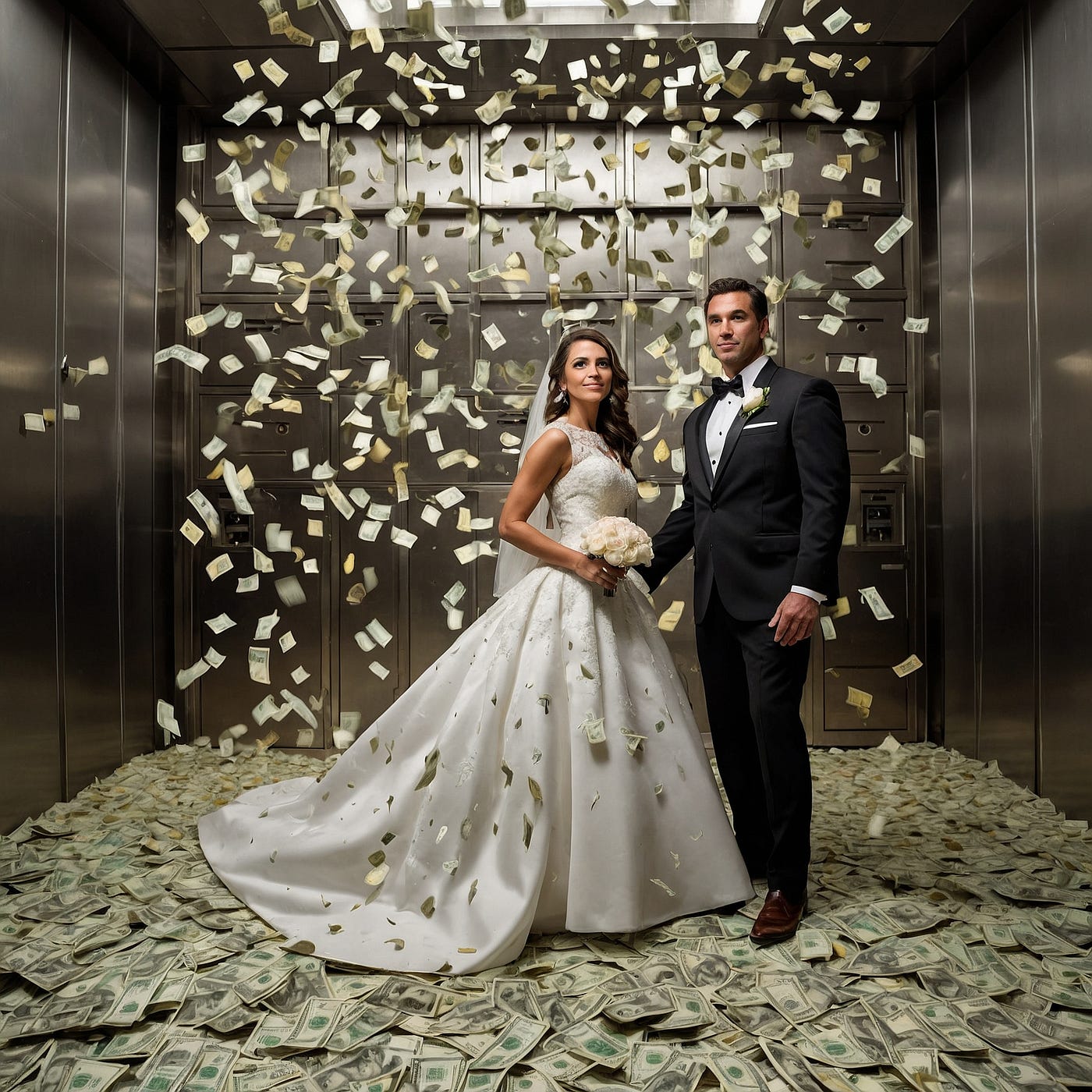
The wedding industry, often perceived as a niche collection of florists and photographers, is quietly transforming into a significant economic force that captures the attention of entrepreneurs and investors alike. Valued at over $57 billion in the United States alone, this sector has demonstrated a notable resilience over the years, even as global markets have ebbed and flowed. Traditionally buffered by the belief that most couples will spend freely on their “once-in-a-lifetime” day, the market is now embarking on a journey of disruption and reinvention. New technologies, shifting consumer preferences, and heightened sustainability concerns are fundamentally reshaping how couples plan and celebrate, while also presenting a wealth of opportunities — and a few hazards — for businesses that cater to wedding celebrations.
A Resilient but Volatile Market
The contrasting forces of resilience and volatility have put the wedding industry under a revealing spotlight. Couples who had postponed celebrations in 2020 and 2021 returned in full force once restrictions eased, creating an almost unprecedented surge in demand for venues, florists, caterers, dress designers, and event planners. Yet this buoyant rebound has collided with persistent inflation and global supply chain strains. While these pressures have introduced new complications — ranging from price spikes in imported flowers to last-minute substitutions for fabrics — consumers still regularly make emotional spending decisions that keep many wedding vendors in business.
Investors have taken note of this phenomenon. With so many major industries susceptible to sharp declines during economic downturns, the wedding sector’s capacity to bounce back serves as a reminder that emotional investment can outmatch broader market sentiment. Even so, the sector’s volatility cannot be ignored. A surge in micro-weddings and elopements, amplified in part by pandemic-era restrictions, has already tested the business models of large event spaces that previously relied on lavish celebrations with extensive guest lists.
The Digital Shift and Its Consequences
Nowhere is the evolution of the wedding business more obvious than in the rise of digital platforms designed to streamline and personalize the planning process. Traditional methods — such as browsing vendor lists in printed directories — are being replaced by online marketplaces where couples can compare prices, read user-generated reviews, and make secure bookings. This transition does more than simplify wedding logistics; it also grants technology providers a treasure trove of data on consumer behavior and preferences.
The availability of advanced tools has broadened the possibilities for personalization. Artificial intelligence is increasingly employed to predict trends and suggest unique features, from recommended color themes to ideal menu options. Some couples plan entire events through specialized apps that offer 3D venue tours, budget calculators, and real-time guest management. The bridal fashion segment also stands at the forefront of this digital revolution. Virtual try-on features, for example, are becoming a deciding factor for online shoppers exploring dresses from global e-tailers.
Shifting Demographics and Changing Values
Emerging trends in the broader consumer landscape reflect the ways younger generations approach weddings. Although large-scale, traditional ceremonies remain popular, many couples — particularly Millennials and members of Gen Z — prioritize experiences over formalities. Their concept of a dream wedding might favor a rooftop ceremony with interactive food stations and a live band over a formal banquet hall with a sit-down meal. Small-scale “micro-weddings,” which gained traction when large gatherings were restricted, continue to hold appeal for those seeking intimate events that emphasize personal touches.
Sustainability is also driving behavior changes as couples explore ethically sourced materials, local catering that reduces the carbon footprint, and décor that can be reused or repurposed. In response, businesses are rethinking operations — from forging partnerships with organic caterers to verifying that gemstones and metals in wedding rings are ethically mined. These measures not only appeal to environmentally conscious consumers but also distinguish vendors in an increasingly competitive market.
The Power of Data and Targeted Engagement
Digital platforms, wedding portals, and event-planning apps collect data that offer intriguing insights for both established businesses and newcomers. Patterns in budget allocation, popular themes, and the timing of bookings reveal which products and services resonate most with today’s couples. Companies can use such insights for inventory management and to refine marketing strategies, ensuring that everything from floral orders to advertising campaigns is aligned with real-time demand.
Beyond the wedding day itself, there are secondary revenue streams linked to newlyweds’ major life transitions, including home buying, joint financial planning, and travel. Businesses that maintain an ongoing relationship with couples — often through targeted email campaigns or loyalty programs — can cross-sell offerings and partner with third parties to share data responsibly and ethically. This integrated approach transforms a one-time wedding sale into a potentially longer-term client relationship, particularly if couples perceive consistent and genuine value.
Entrepreneurial Inroads and the Startups to Watch
The wedding sector, historically considered “old school” in its reliance on word-of-mouth referrals and in-person expos, has become increasingly attractive to technology entrepreneurs. Recent years have seen a surge of investment in platforms that unify the vendor selection process, offer AI-powered photography editing, or even provide virtual reality walk-throughs of potential venues. Some startups focus on niche segments, such as specialized cultural wedding traditions or eco-friendly events, while others aim to encompass every aspect of the planning process under a single digital roof.
Venture capitalists have channeled significant funding into these wedding tech ventures, encouraged by the potential for disruptive growth in a market that was long resistant to online transformation. Consolidation has already begun as more established players acquire smaller, specialized startups in an effort to broaden their service portfolios and lock in a greater share of consumer spending.
Managing the Risks and Seizing the Future
Despite the obvious opportunities, there are several pitfalls. Supply chain disruptions can quickly cut into profit margins, particularly for businesses dependent on global sourcing for flowers, specialty fabrics, or décor. A crowded digital landscape can also intensify fee-related competition among vendors on online marketplaces, resulting in reduced profitability for smaller players. Additionally, as platforms collect vast amounts of personal data — ranging from guest contact information to financial details — any privacy breach could severely damage trust.
Looking ahead, many observers predict that virtual and hybrid elements will continue to augment in-person celebrations, especially for families and friends who cannot attend in person. Meanwhile, sustainability will likely become an increasingly central factor in vendor selection, as will the incorporation of interactive and immersive technology experiences. Some innovators even point to the potential for metaverse weddings, though mass adoption of such events remains speculative.
Why the Industry Merits Attention
Understanding the wedding industry today means recognizing that it occupies a fascinating intersection of economics, technology, and emotion. This is no longer just about roses, tiered cakes, and string quartets. At the heart of each celebration are significant consumer behaviors that reflect broader societal trends: the demand for seamless digital experiences, the desire for personalized and sustainable products, and the willingness to invest in meaningful life moments despite market uncertainties.
For businesses, entrepreneurs, and investors, the takeaway is clear: weddings provide a proving ground for innovative ideas that could spill over into adjacent sectors. From AI-driven product recommendations to immersive streaming experiences, the transformations being tested in the wedding space hold implications for other industries vying to capture consumer interest in an increasingly digital world. By adapting quickly to the changing landscape and addressing emerging risks, companies can participate in an enduring market that, for many, remains as alluring as a grand romantic promise — both emotionally and financially.
For a closer look at how one marketplace connects couples with top-tier venues, vendors, and planners — while leveraging the latest digital tools — visit wedding.one. As the sector continues to evolve, platforms like this exemplify the synergy between technology and tradition, transforming an age-old celebration into a modern, efficient, and data-informed experience.
메타데이터
- post_id
- 9fc5fe5c9893
- slug
- from-aisles-to-algorithms-the-evolving-economics-of-weddings-9fc5fe5c9893
- url
- https://medium.com/@wedding.one/from-aisles-to-algorithms-the-evolving-economics-of-weddings-9fc5fe5c9893
- canonical_url
- https://medium.com/@wedding.one/from-aisles-to-algorithms-the-evolving-economics-of-weddings-9fc5fe5c9893
- author_url
- https://medium.com/@wedding.one
- status
- ok
- fetched_at
- 2026-08-10 01:15:49



